

Table of Contents
A camera stand is your extra set of hands. It provides a stable and predictable shooting environment, where your frame remains exactly the same from start to finish. You use it in real situations: capturing sharp city lights at night, filming a smooth cooking tutorial on your kitchen counter, taking a crisp portrait where everyone’s in focus, or even just shooting a time-lapse of clouds rolling by for twenty minutes. In this blog, we covered everything you ever wanted to know about cameras.
What Is a Camera Stand?

A camera stand is a support system designed to hold your camera steady so you don’t rely on your hands for stability. It usually comes with a solid base—often a flat platform or a set of sturdy legs—and a mounting point that keeps your camera locked in one position. You’ll often see them in studios, product-shoot setups, and any space where the camera needs to remain perfectly still for extended periods.
Without it, you’re limited to what you can hold. With it, your camera stays exactly where you need it, hands-free, so you can focus on the scene, the light, and getting the shot.
Types of Camera Stands
1. Tripods

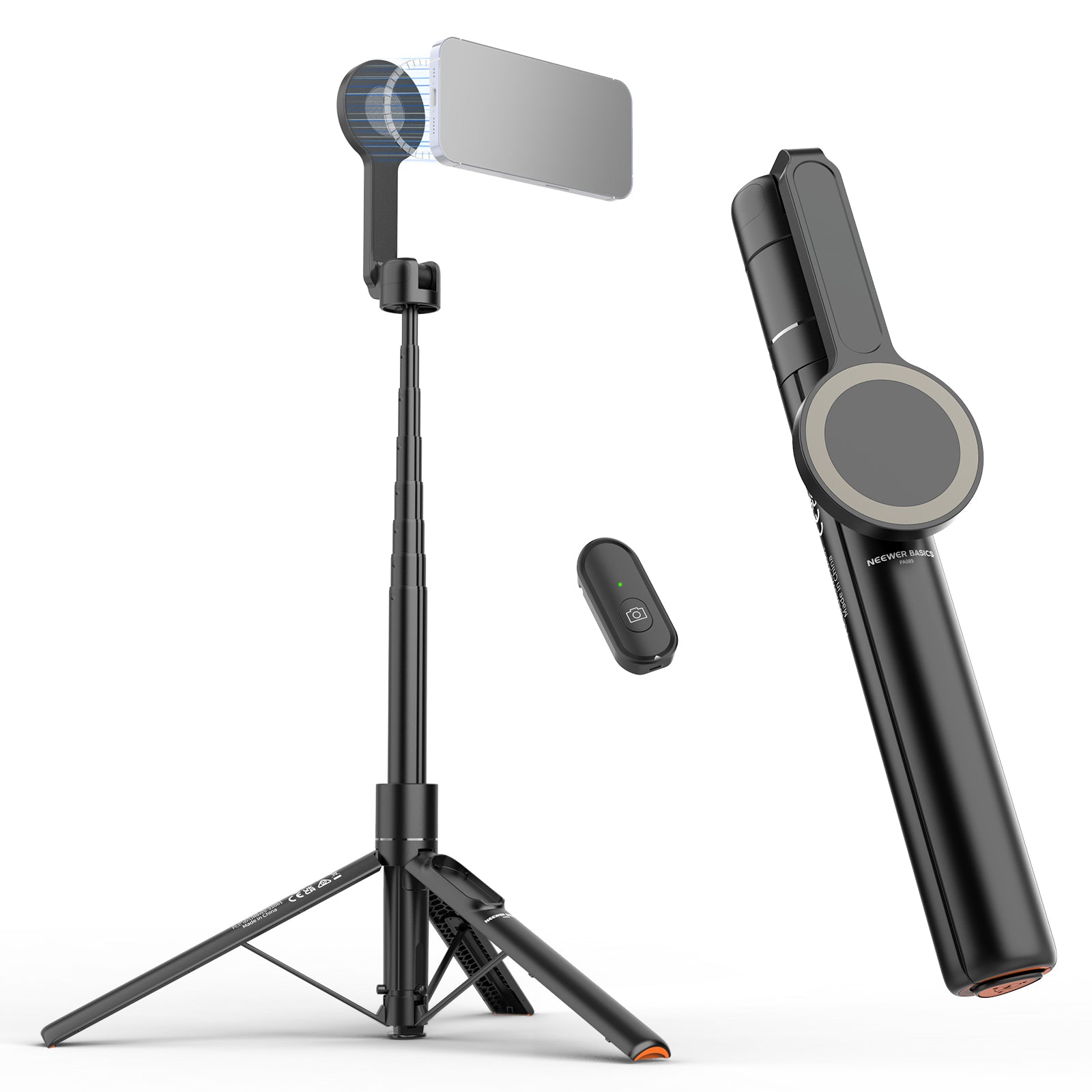
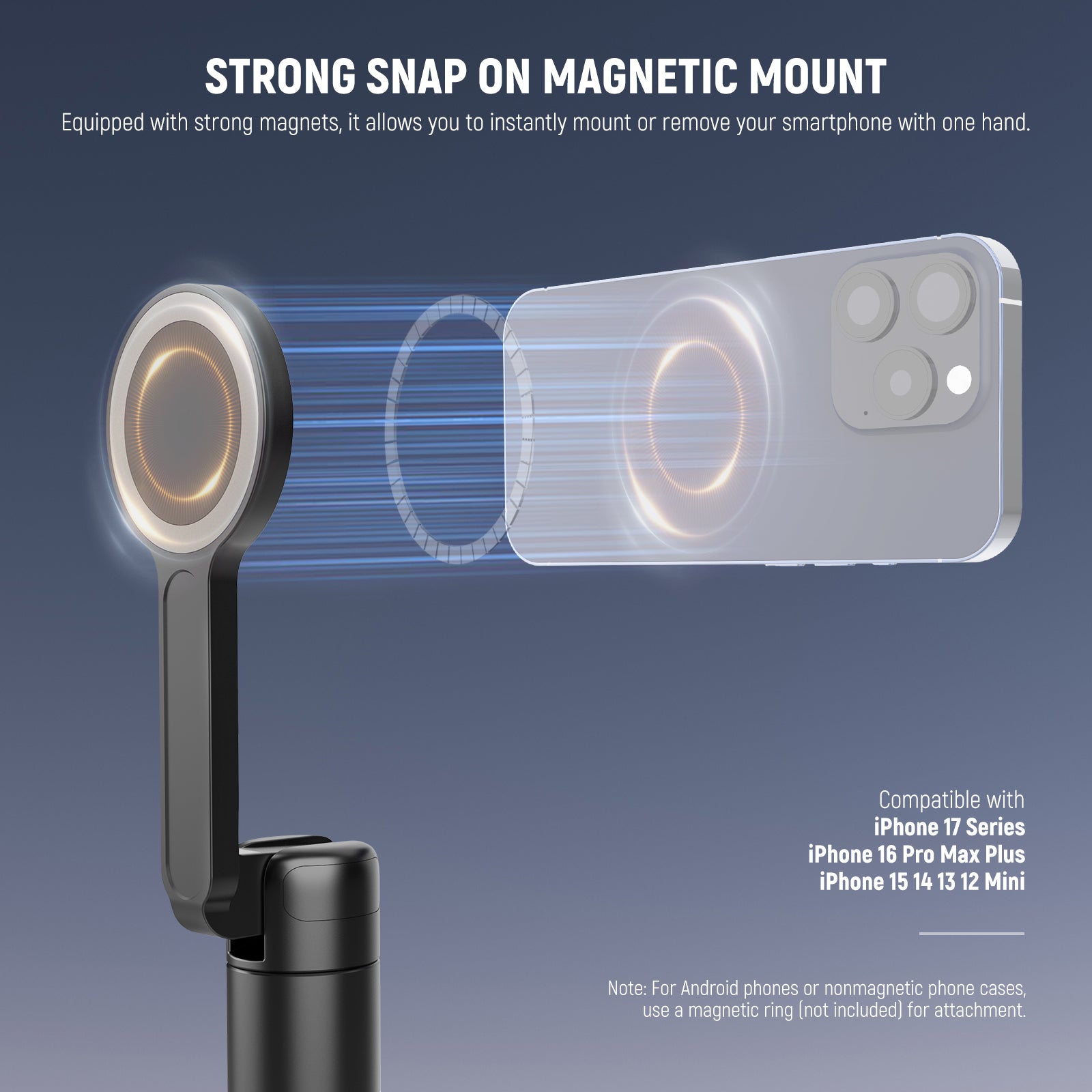
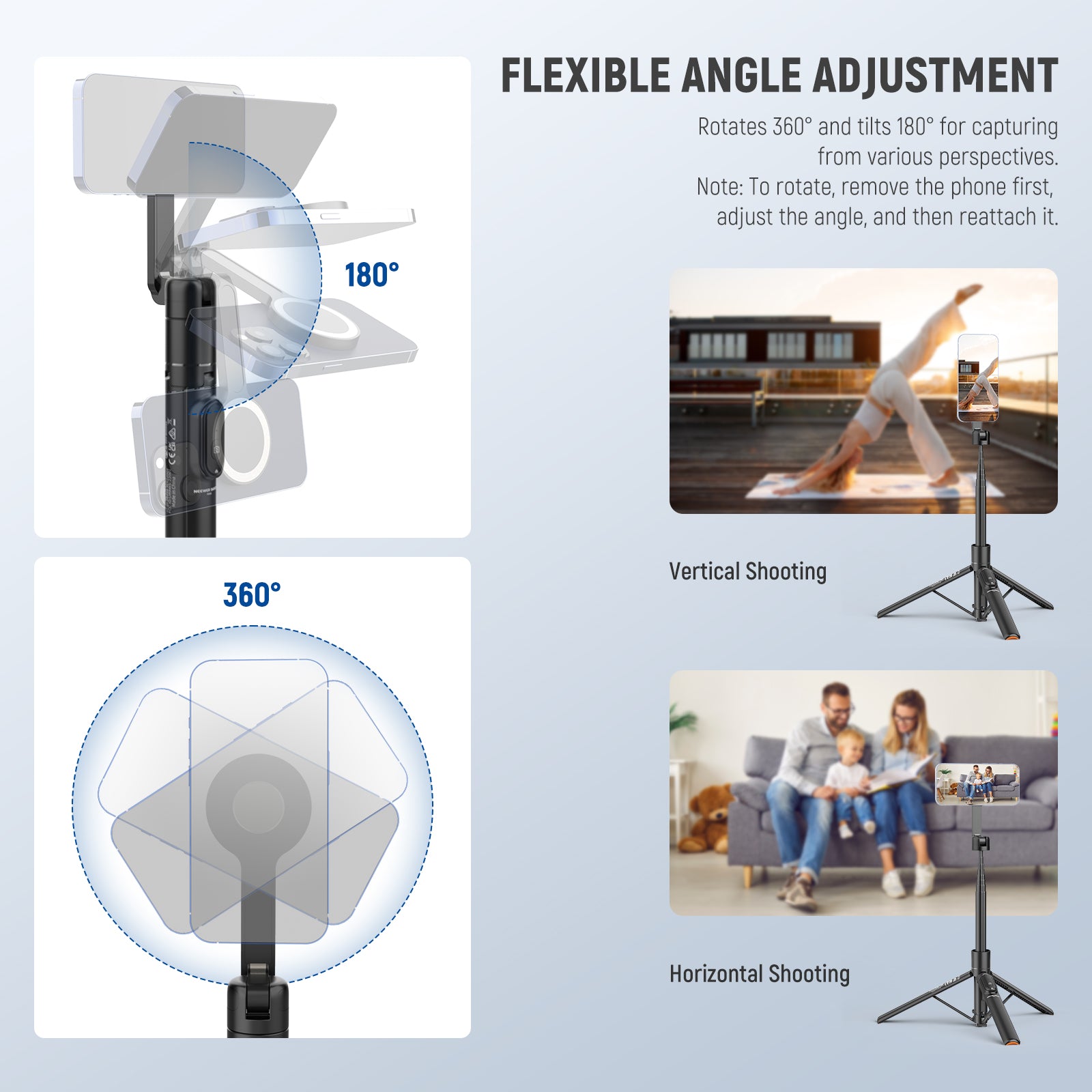
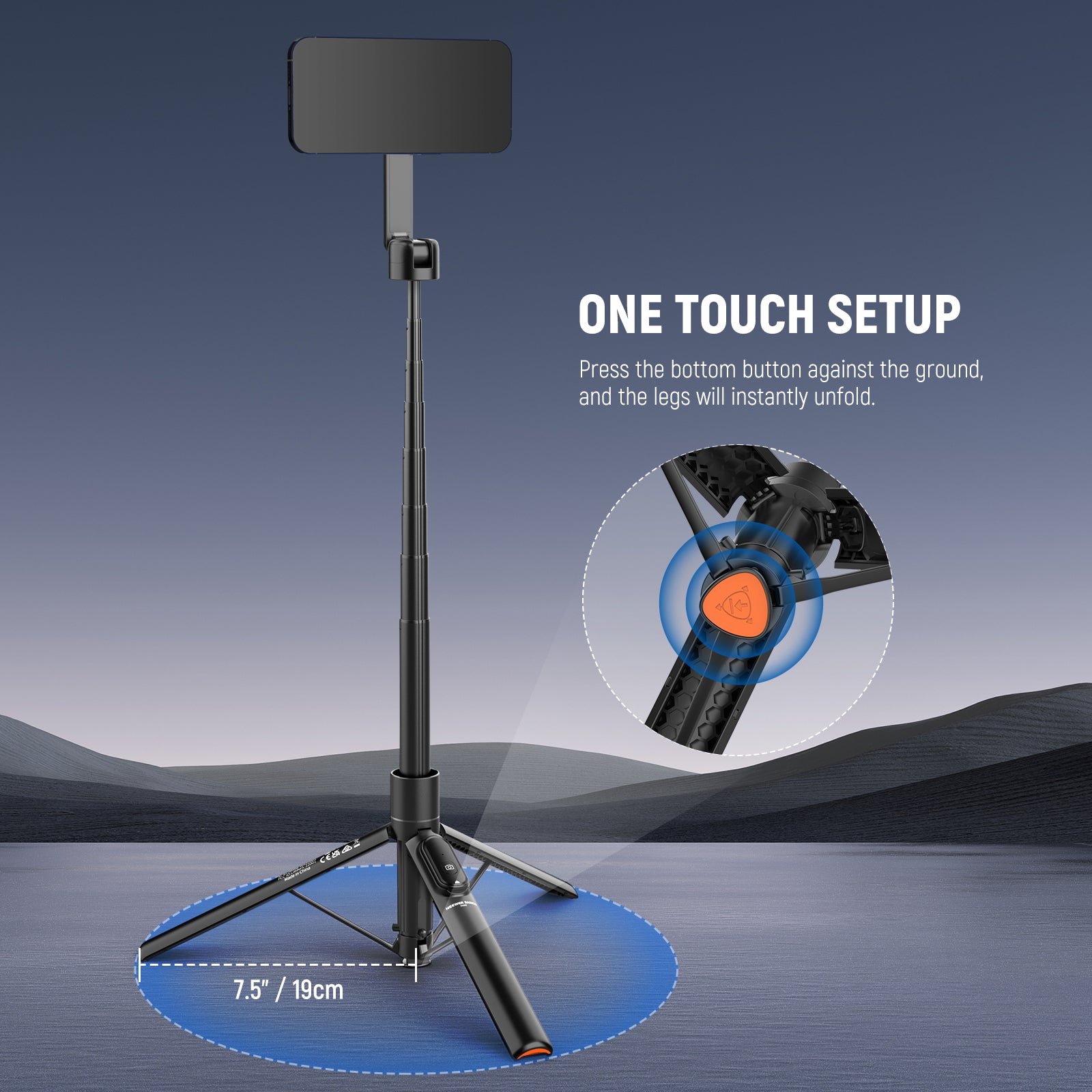
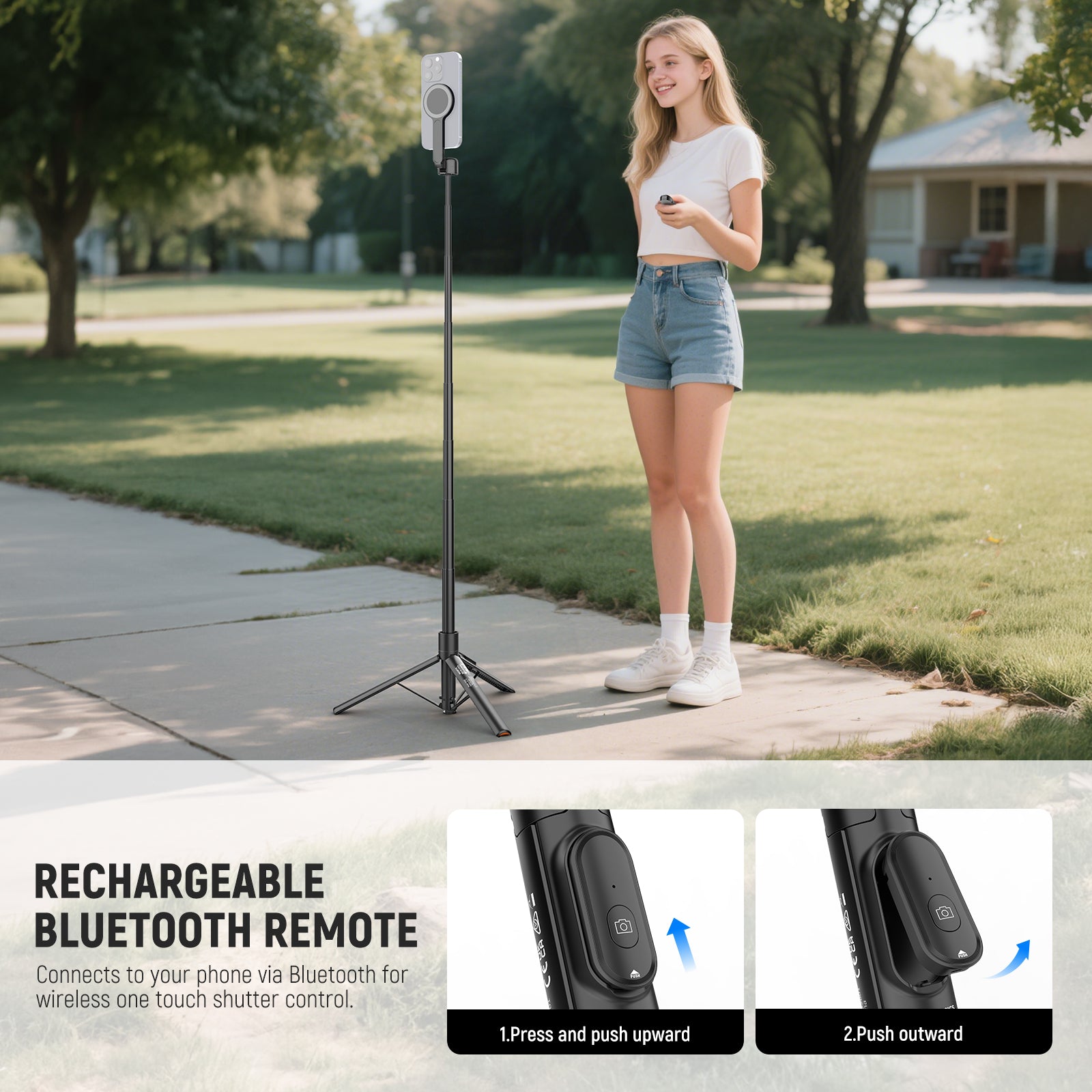
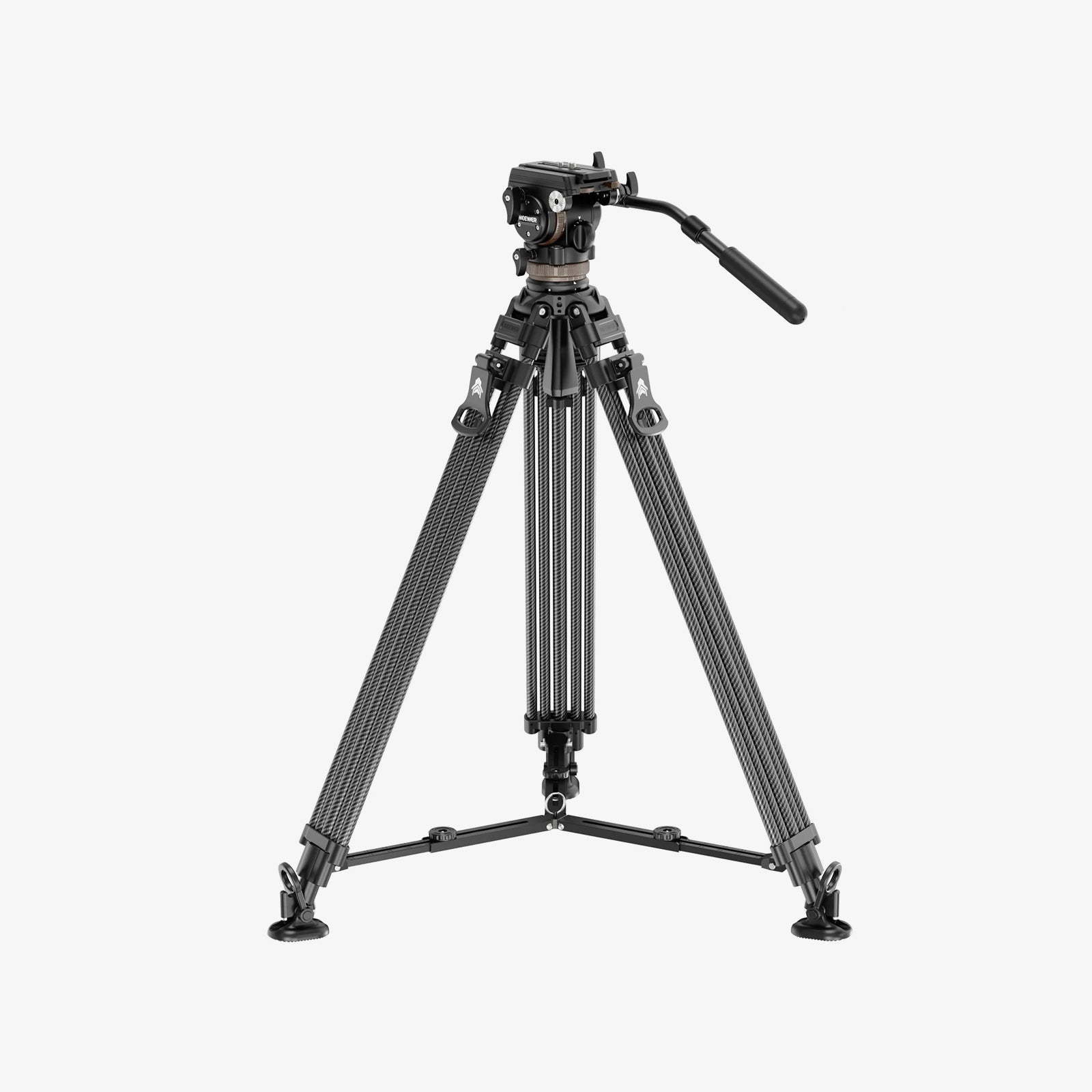
Tripods are the most common camera stands, built with three legs for stable support. They work for almost any shooting scenario—portraits, landscapes, interviews, product demos, you name it. You get steady framing, adjustable height, and the ability to lock your shot without worrying about shake. Great for creators who switch between indoor and outdoor shooting and want something reliable, portable, and easy to position.
2. Overhead Camera Stands

Overhead stands hold your camera above your workspace for top-down shots. Perfect for cooking videos, crafting demos, product close-ups, and any tutorial where viewers need a clean overhead view. They keep the camera locked in one stable angle, even during long shooting sessions, and eliminate shadows or drift that happens when you try to improvise with boxes or stacked gear.
3. Light Stand–Style Camera Stands

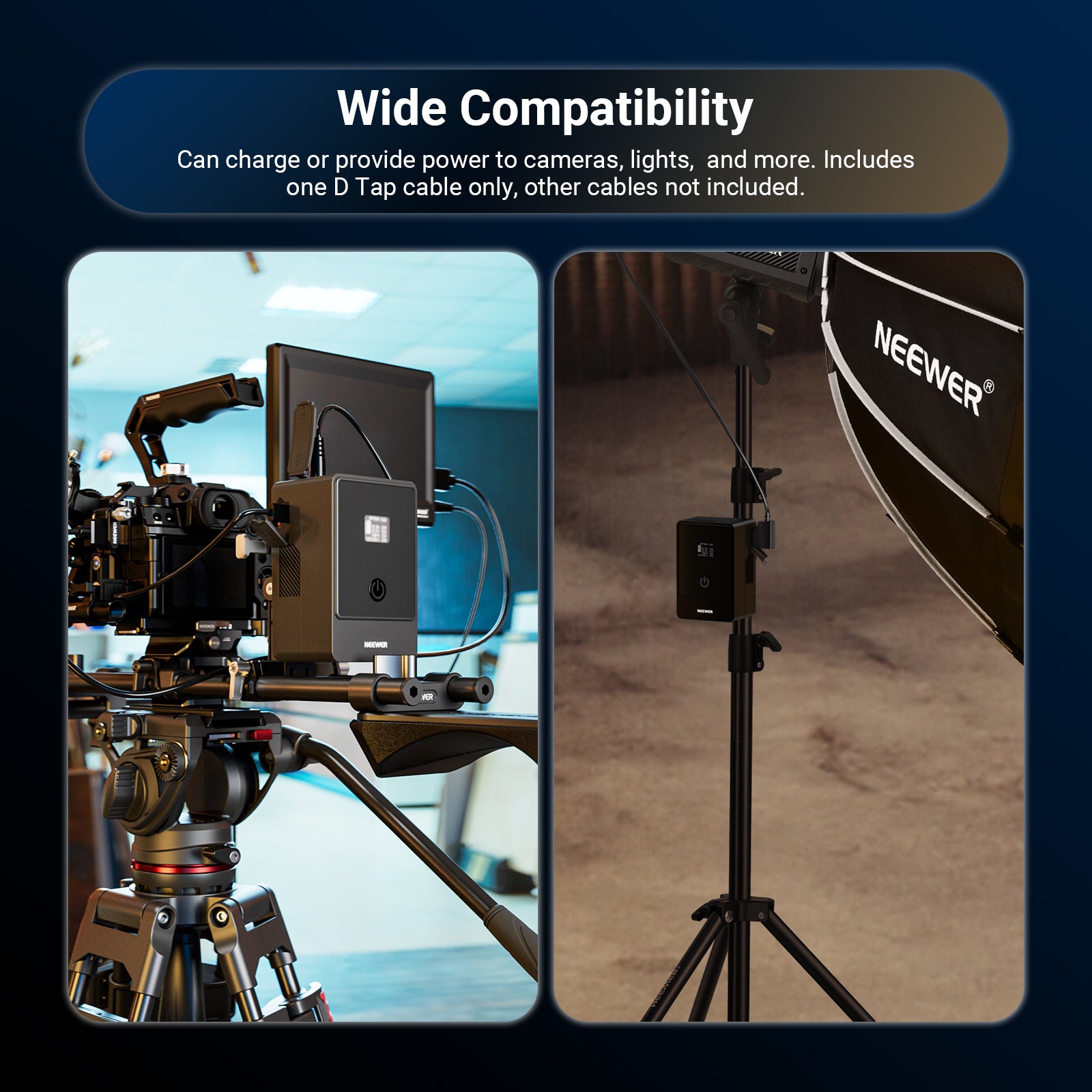
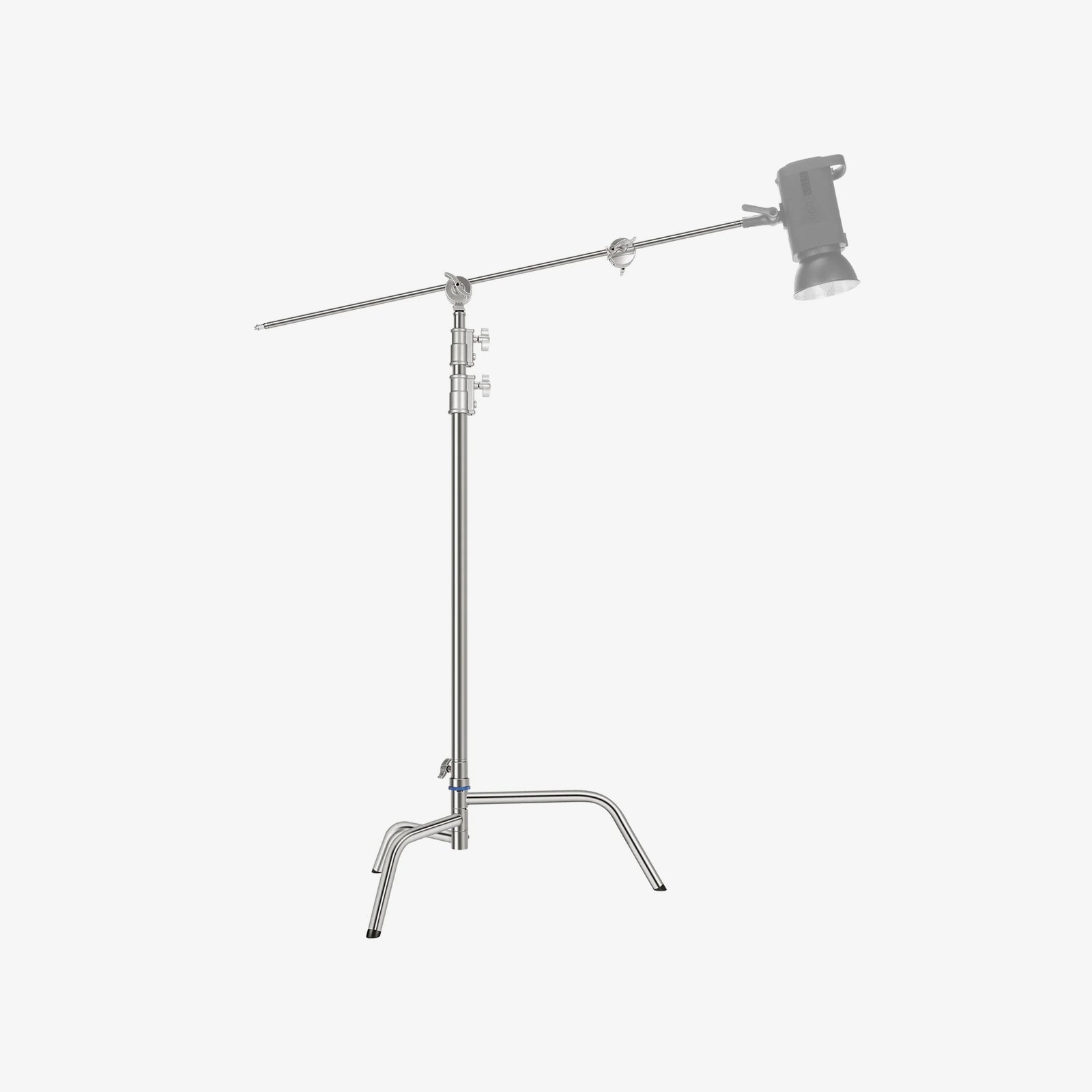
Light stands look like typical lighting stands but are built to hold cameras, monitors, or accessories. The tall, vertical design gives you more height than a tripod and works well for fixed studio spots—top-light POVs, overhead angles with a boom arm, interview setups, or multi-camera livestream rigs. They stay lightweight, extend high, and leave plenty of floor space because of their slim footprint.
4. Monopods

Monopods use a single leg and offer mobility rather than full hands-free stability. You’ll see them at sports events, wildlife shoots, or any situation where you’re moving constantly and need quick support for heavier cameras or long lenses. They reduce arm fatigue and help you control sway while still letting you follow action smoothly. Ideal when you want support but don’t have the space or time to set up a full tripod.
Pros of Camera Stands

1. Provides Reliable Stability for Sharper Shots
A camera stand gives you a steady foundation, letting you capture crisp images without worrying about tiny hand movements ruining the frame. When you’re shooting long exposures, product photos, or talking-head videos, you get that clean, shake-free look that handheld shooting struggles to match. Even in tight spaces or uneven ground, a solid stand keeps your camera locked exactly where you need it.
2. Improves Precision for Creative Angles
A camera stand helps you dial in angles you can’t reliably hold by hand — low-angle product shots, overhead craft videos, high-angle portraits, stabilized panning clips (with a tripod head), and more. You adjust height, tilt, and orientation with precision and lock it all in place. This opens doors for cleaner, more professional-looking visuals.
3. Reduces Fatigue During Long Shoots
Holding a camera for extended periods drains your arms fast, especially when you’re working with heavier lenses. A stand takes that weight off completely. During long livestreams, cooking demos, behind-the-scenes clips, or product shoots, you move more freely and focus on directing or performing instead of fighting fatigue.
4. Helps Maintain Consistent Framing
Once your camera is set on a stand, your composition stays perfectly consistent, even across long recording sessions. Great for tutorials, interviews, YouTube videos, or any project where you need the subject to stay centered and the shot to remain unchanged. You’re not constantly adjusting or worrying about drift — the frame stays exactly how you designed it.
5. Supports Accessories and Expands Your Setup
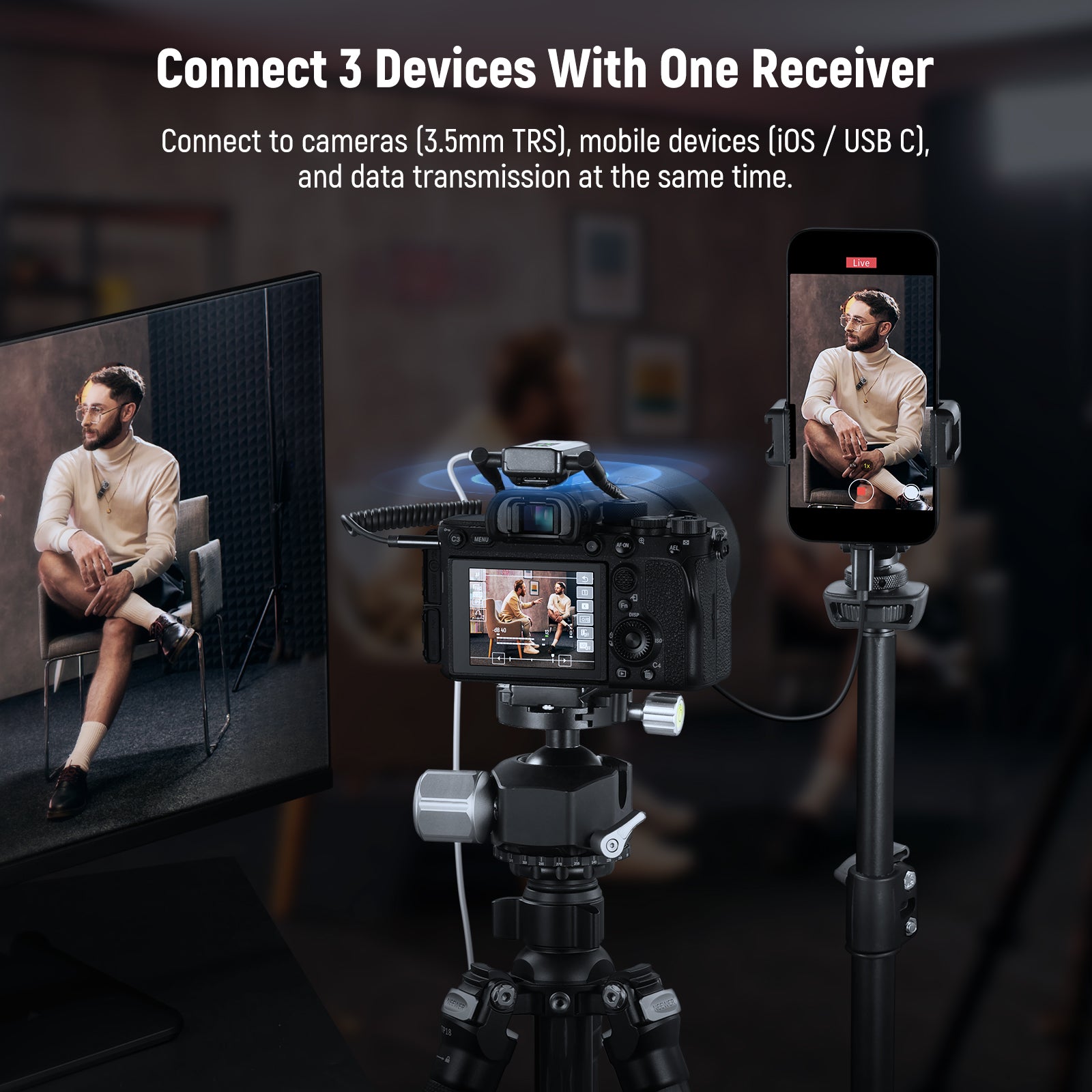
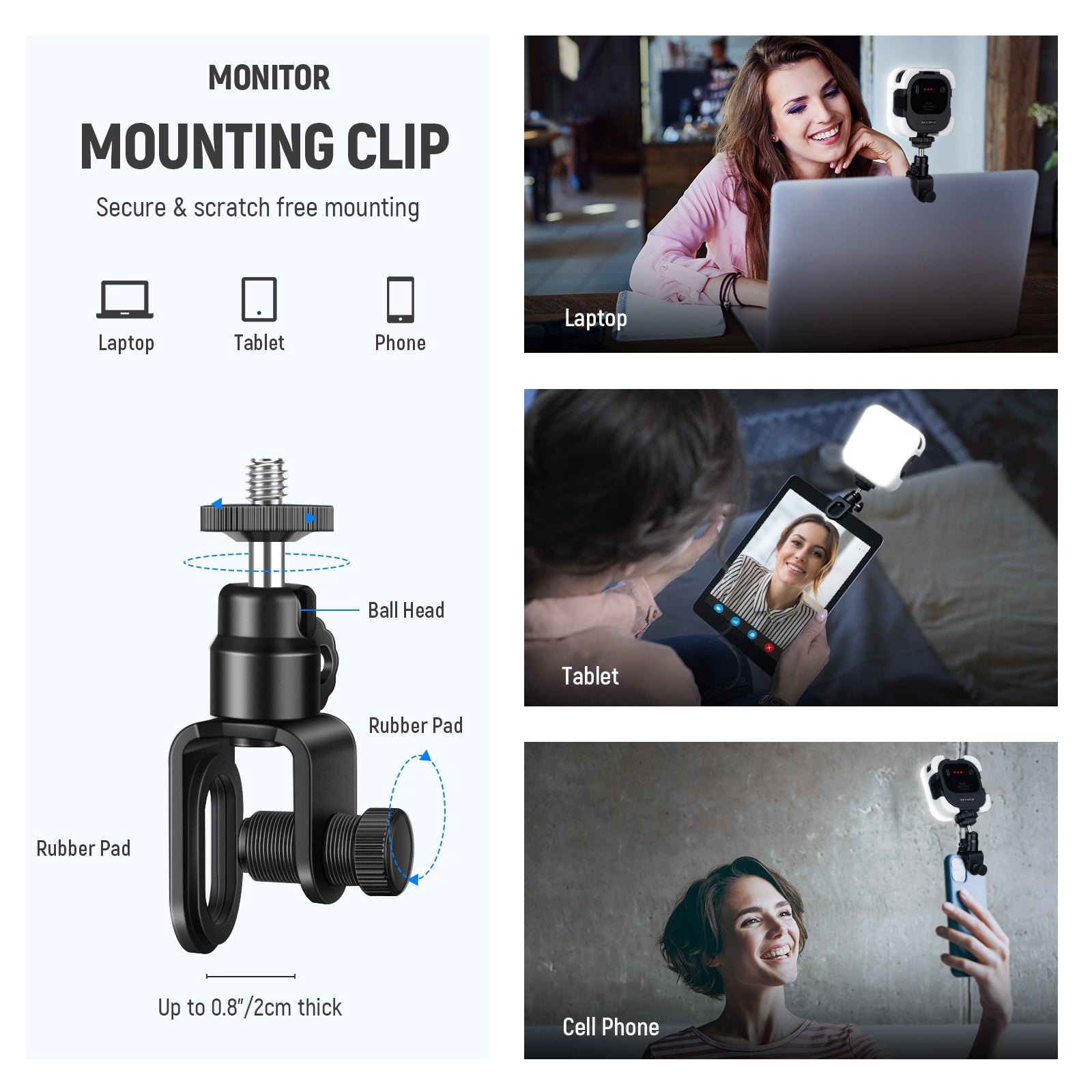
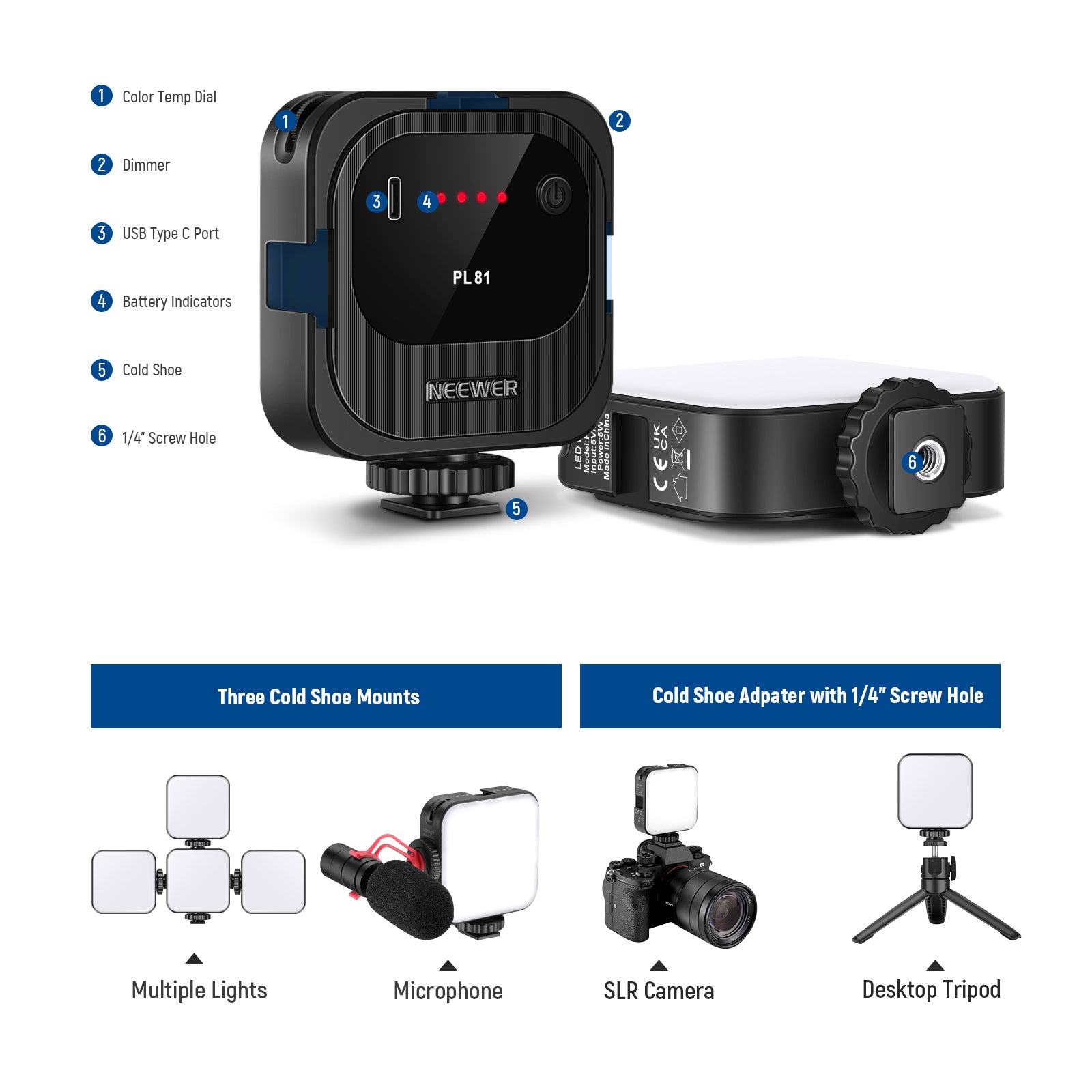
Many camera stands can hold more than just a camera. You can add microphones, LED lights, monitors, phone holders, or counterweights to build a compact, functional shooting station. Great for desk setups, YouTube rigs, or mobile studios where space is limited but you still want a polished workflow.
What Is the Difference Between a Camera Stand and a Tripod?
A camera stand is a broader category that includes any support system designed to hold a camera in place. That means tripods are actually one type of camera stand.
|
Feature |
Camera Stand |
Tripod |
|
Definition |
A broad category of camera-support tools |
A specific three-legged camera support |
|
Primary Use |
Fixed shooting setups, studio work, overhead shots, desk filming, product demos, lighting + camera combos. |
General photography and videography in almost any location, indoors or outdoors. |
|
Mobility |
Varies widely; many stands are heavier or built for stationary use. |
Highly portable and designed for frequent repositioning. |
|
Adjustability |
Depends on the type; some stands have limited angle or height adjustment. |
Offers full height, angle, and rotation control through a tripod head. |
|
Best For |
Overhead filming, livestream desks, studio lighting setups, stationary camera positions. |
Travel, landscapes, portraits, events, time-lapses, long-exposures. |
|
Typical Accessories Supported |
Can hold cameras, lights, microphones, boom arms, monitors. |
Primarily supports cameras; accessories need adapters. |
|
Who Should Choose It |
Creators doing overhead videos, product photography, YouTubers with fixed desks, studio shooters. |
Photographers and filmmakers who move often and need flexible framing. |
Do You Really Need a Camera Stand?

In most cases, yes, a camera stand is one of those tools you don’t realize you need until you finally use it. Whether you’re a beginner or a seasoned creator, a solid stand immediately makes your shots sharper, steadier, and more consistent. If you want stable, repeatable, professional-looking results, having at least one reliable camera stand is worth it.