
Table of Contents
A magic arm acts as a flexible, adjustable connector between your gear and your rig. It holds cameras, monitors, lights, microphones, or phones exactly where you need them, even in tight or awkward spaces. In this blog, we cover everything you ever want to know about magic arms.
What Is a Magic Arm?

A magic arm is an adjustable mounting arm used to hold cameras or accessories exactly where you need them. One end clamps to a surface or stand, the other end holds gear like a camera, monitor, microphone, LED light, or phone mount.
Most magic arms use ball joints on both ends with a central locking mechanism. When loosened, the arm moves freely in many directions. When locked, it becomes rigid. Common mounting options include 1/4"-20 screws, 3/8" screws, cold shoe mounts, or clamps.
The real value shows up during fast setup, limited space, and frequent angle changes. It solves awkward positioning problems. Imagine filming a top-down cooking shot and needing the camera slightly off-center. Or mounting a field monitor at eye level while your camera sits low on a tripod. A magic arm lets you lock that position with a single tightening knob. Once tightened, the joints stiffen together and stay put.
What Does a Magic Arm Do?

1. Enable Flexible Positioning
The adjustable joints of the magic arm let you move gear freely in multiple directions. Loosen the knob to reposition, then tighten to lock. This flexibility allows overhead, side, or offset angles without the need for extra stands or complex rigs.
2. Hold Cameras and Accessories Stably
A magic arm provides a secure mount for cameras, lights, microphones, or monitors. It locks the gear in place so you can maintain precise positioning during shoots, avoiding unwanted movement or sagging, which is especially important for top-down or close-up setups.
3. Support Quick Setup and Workflow Efficiency
Magic arms make fast adjustments simple. Switching between different camera angles, lighting setups, or monitor positions requires minimal effort. This speeds up production, making it ideal for solo creators or dynamic shooting environments.
4. Save Space and Reduce Clutter
By mounting gear directly to rigs, desks, or light stands, a magic arm eliminates the need for multiple stands. This keeps your workspace organized, improves workflow efficiency, and reduces the risk of tripping over cables or gear.
What Are the Main Differences Between Various Magic Arms
|
Feature |
Short / Compact Arms |
Long / Extended Arms |
|
|
Length & Reach |
4–6 inches, stable for close mounting |
8–12 inches, good for overhead/offset shots |
Varies, precise lengths for different setups |
|
Load Capacity |
Light gear (≤2 lbs) |
Medium gear (2–5 lbs), can flex under heavy load |
High rated (up to 10 lbs+), holds heavy monitors/lights |
|
Joint Quality |
Basic ball joints, single knob |
More joints, moderate friction |
Precision-milled joints, smooth, strong hold |
|
Mounting Options |
1/4"-20 screws |
1/4" + 3/8" + clamps |
Versatile: screws, cold shoe, clamps |
|
Clamp Style |
Screw-tight or small clamps |
Larger clamps for versatility |
Heavy-duty, worm-gear or quick-release clamps |
|
Material |
Aluminum alloy, lighter |
Aluminum or light steel |
Hardened steel or anodized aluminum, long-lasting |
|
Articulation |
1–2 pivot points |
Multiple joints, flexible |
Multiple joints and swivel points, fine-tuned angles |
Do You Need a Magic Arm?

Yes — you really need a magic arm if…
- You mount accessories beyond the camera body
- You shoot in tight or cluttered spaces
- Your shots require precise angles
- You frequently change setups
- You work solo
- You value a clean, efficient rig
If your workflow includes mounted accessories and controlled framing, a magic arm stops being optional and starts feeling essential.
FAQs About Magic Arms

1. Are Magic Arms Durable?
Yes, magic arms can be durable, but only when the build quality matches how you actually use them. A well-made magic arm uses solid aluminum or steel, with smooth ball joints and a strong central locking knob.
Durability also depends on load control in real shooting situations. Magic arms are not stands; they work best with light to medium accessories. If your gear weighs around 1–2 pounds, choose an arm rated for at least double that. This margin prevents joint fatigue and keeps the arm stable during long shoots or frequent repositioning. Used this way, a good magic arm can last for years without becoming a weak point in your setup.
2. Can Magic Arms Be Used for Photography Lighting?
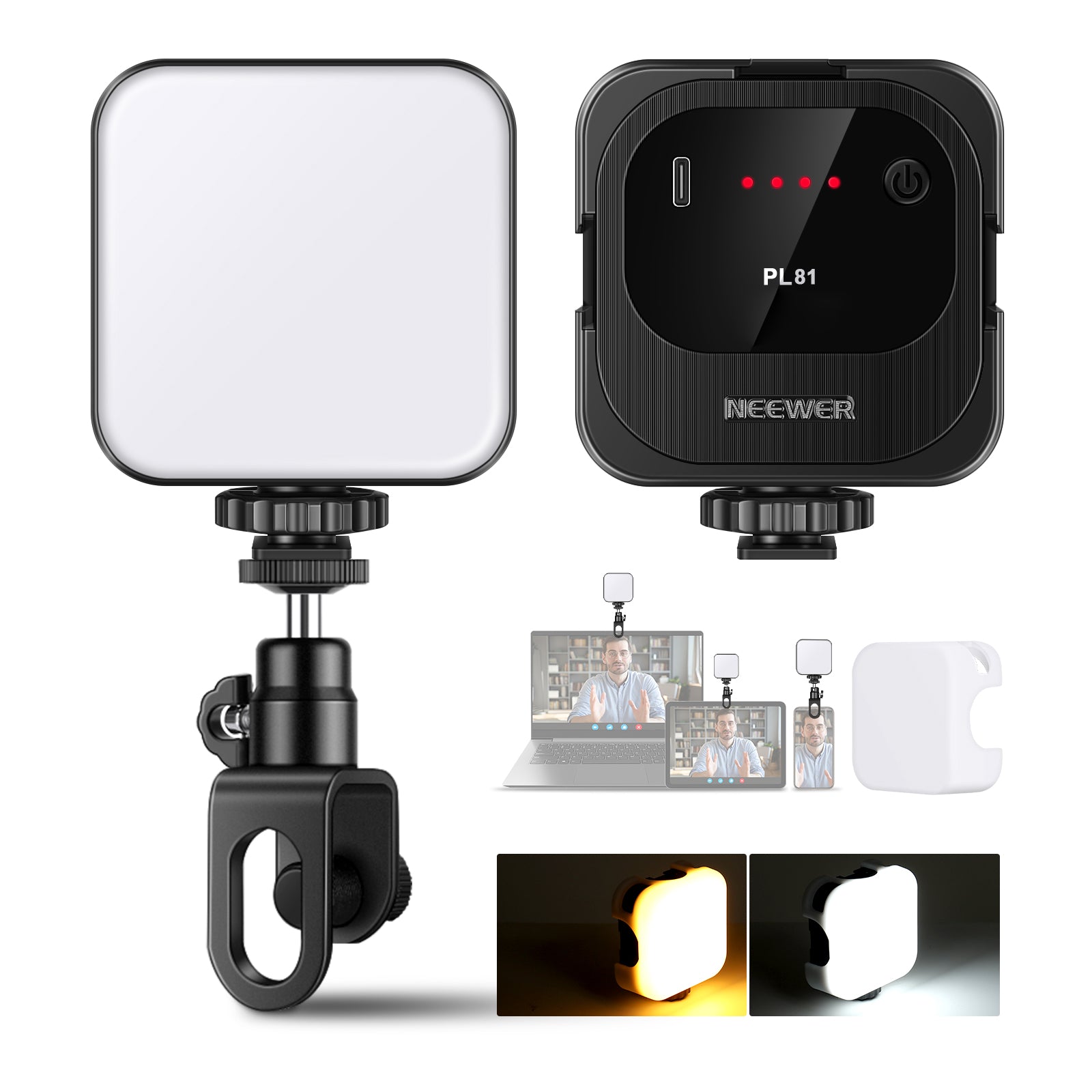
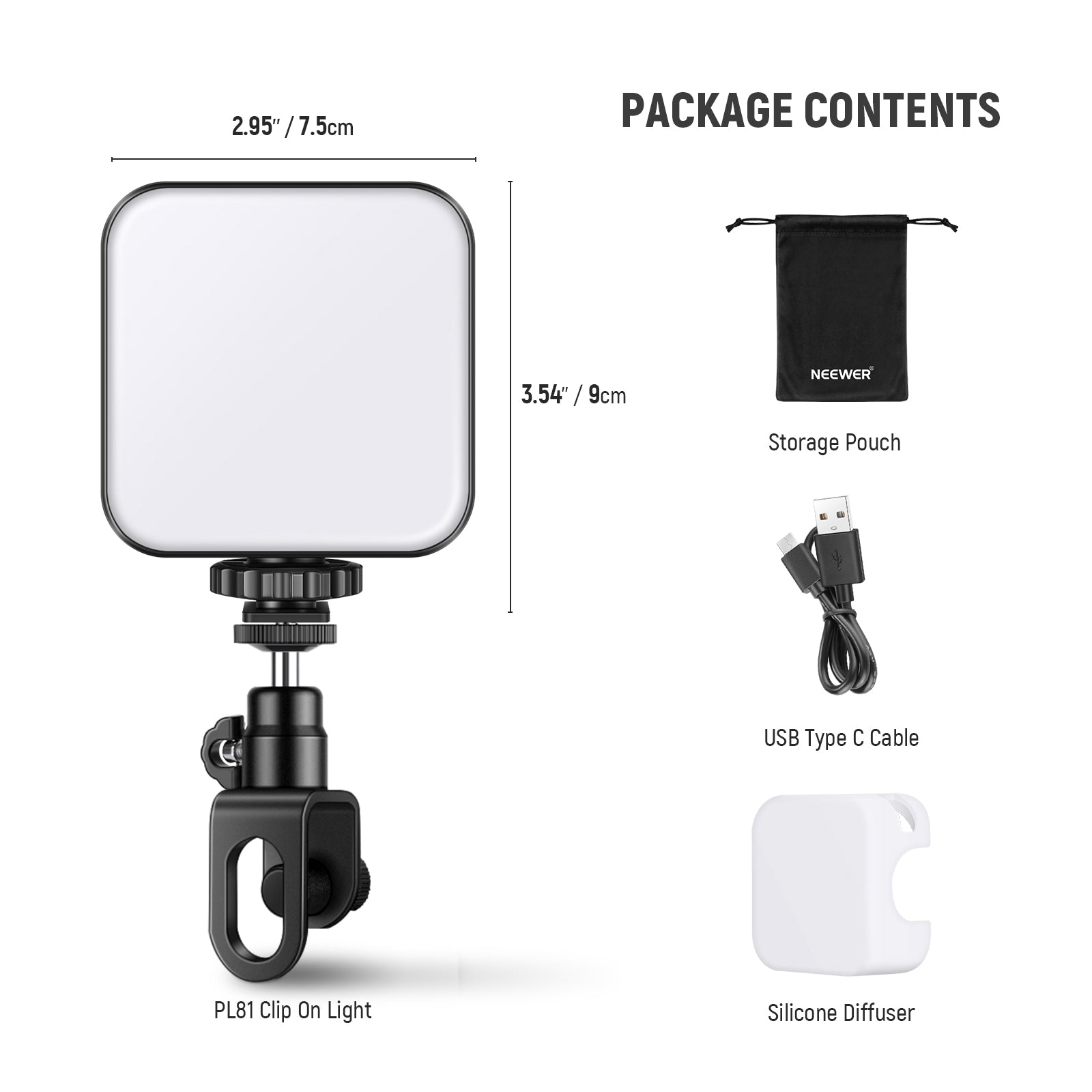
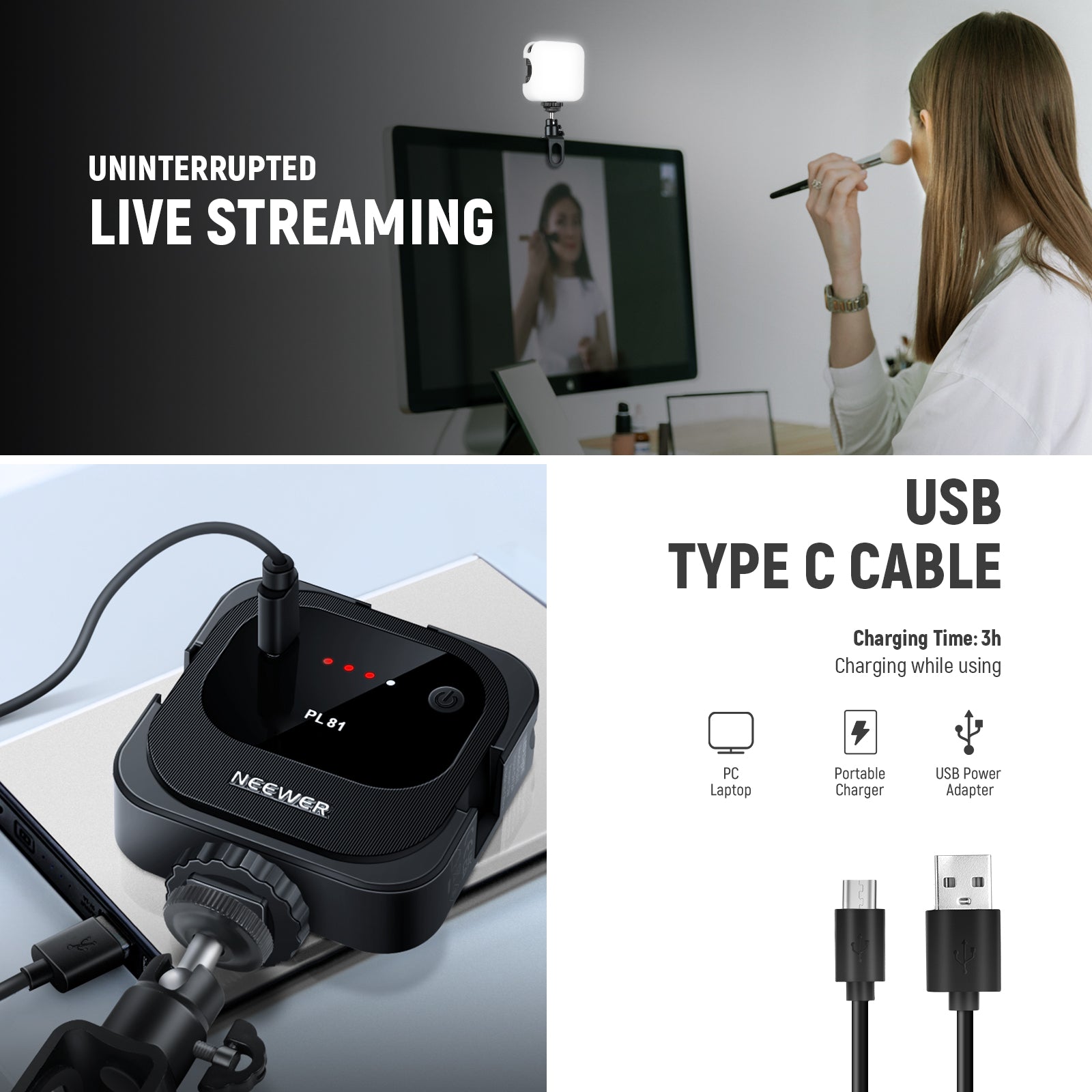
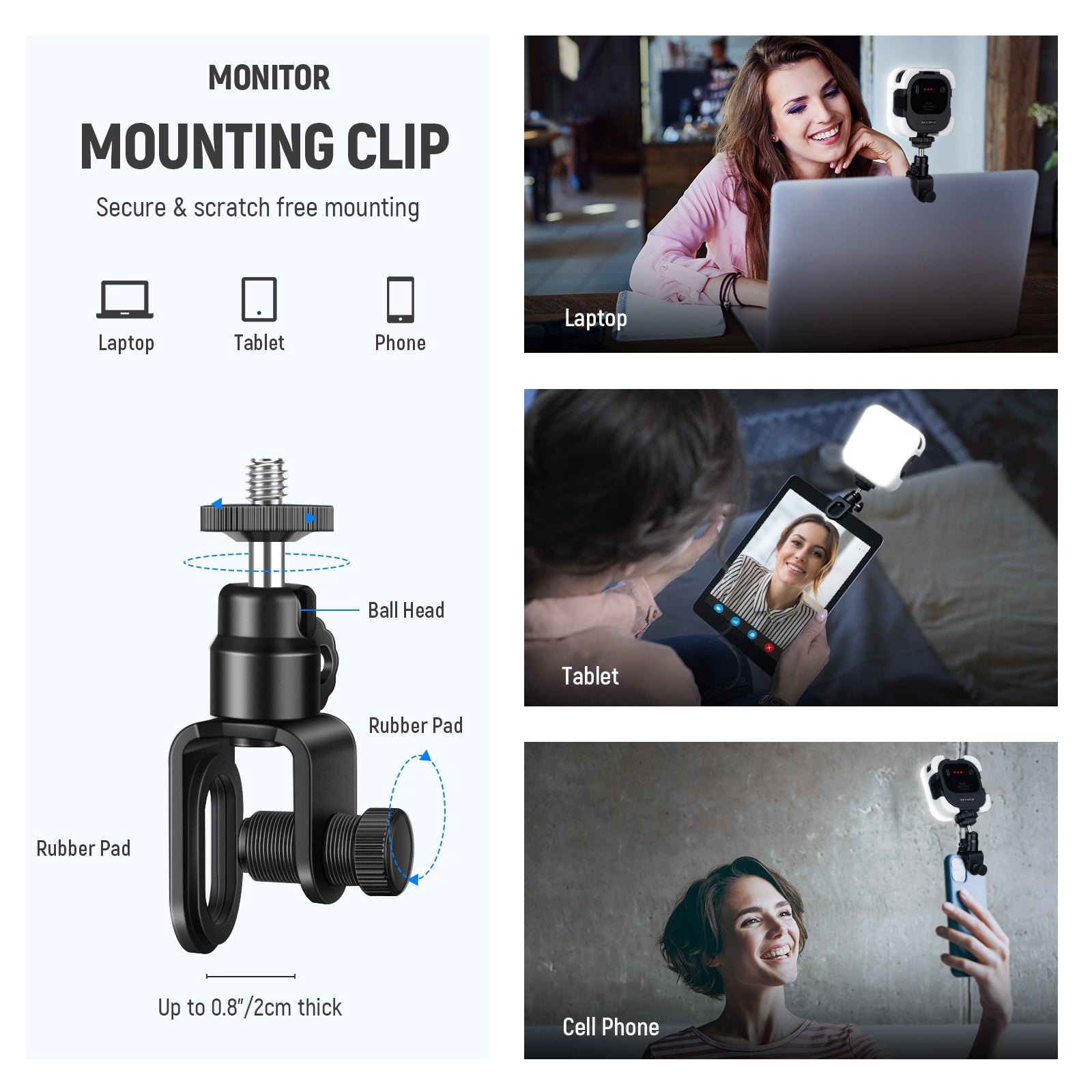
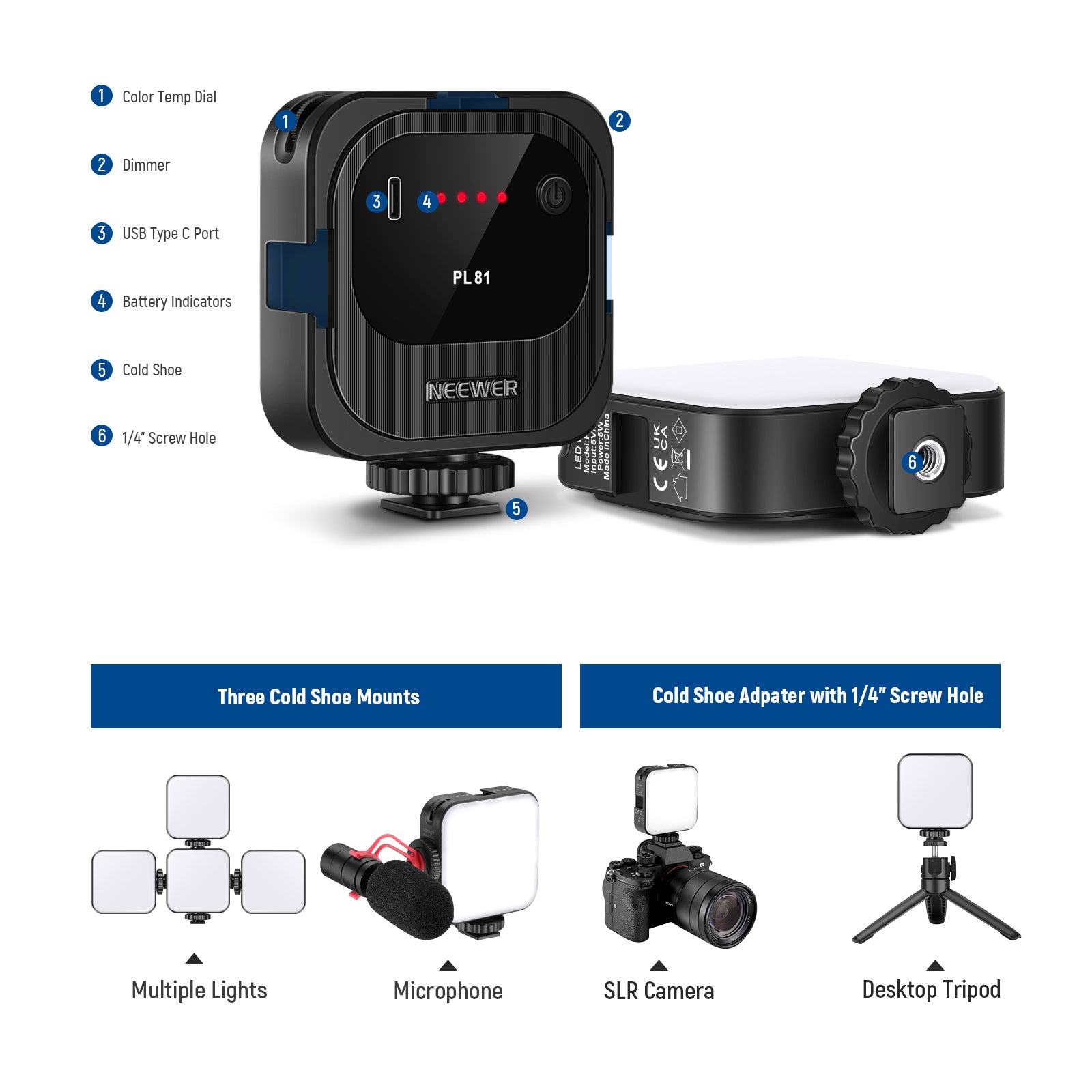
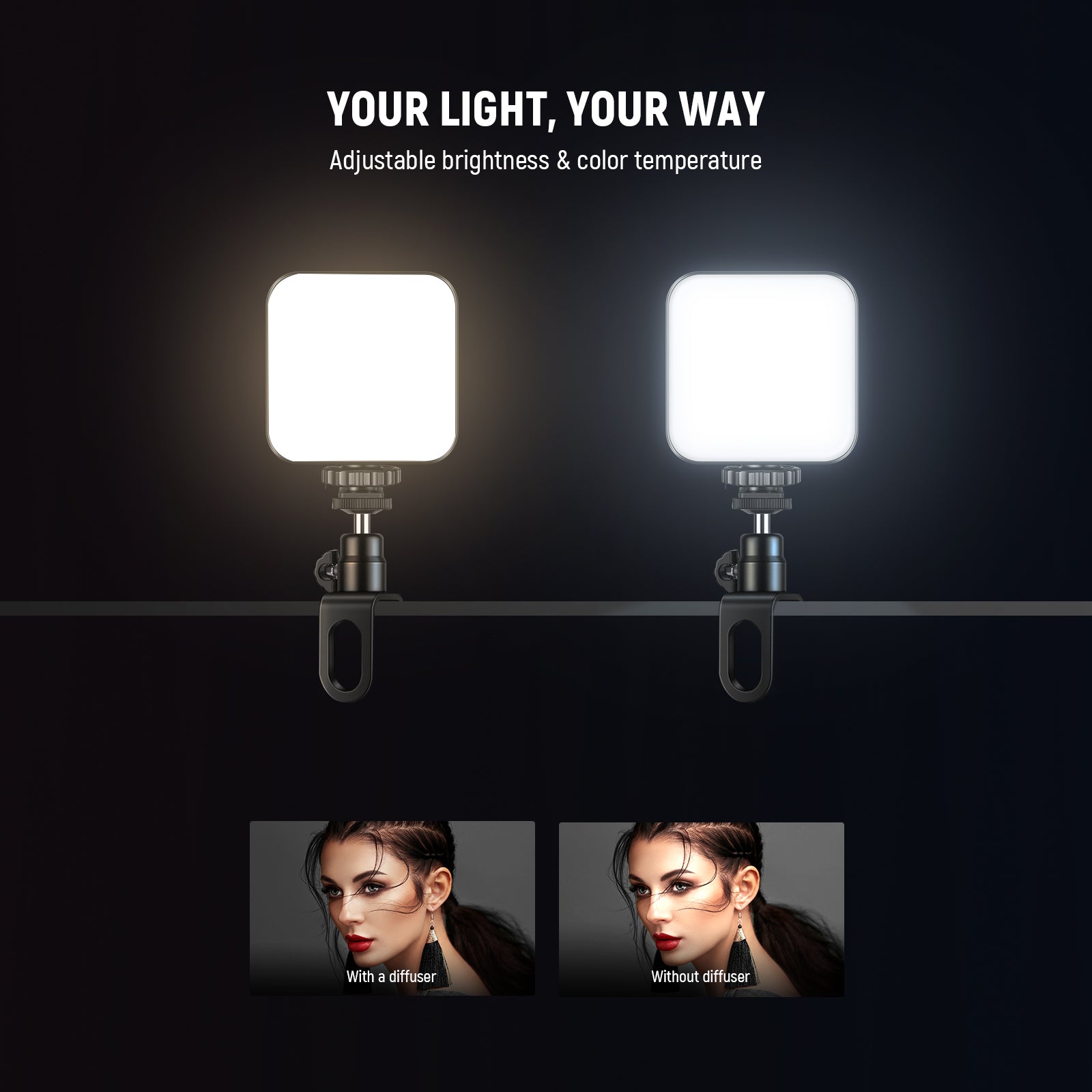
Yes — magic arms are commonly used for photography lighting setups. It lets you mount a small LED panel, speedlight, or reflector right where you want it without adding a bulky light stand.
- For product photography or tabletop shoots, you can clamp an arm to a backdrop stand or shelf and angle a light low and close to your subject without obstructing the shot.
- In portrait or lifestyle work, magic arms also help when you need a fill light off to the side or slightly above the subject’s eye line. Instead of juggling multiple light stands, a sturdy arm holds a compact light and stays out of the frame.
Just be sure the arm’s load rating matches the weight of your light and any modifiers; match a heavier light to a higher-rated arm, so it stays stable throughout the session.
3. How Do You Choose the Right Magic Arm for Your Filming Setup?
When choosing the right magic arm for your filming setup, start by matching the load capacity to the gear you actually plan to mount. Look at the combined weight of your camera accessories — LED lights, monitors, microphones, smartphone mounts — and pick an arm rated well above that number. This safety margin prevents sagging or slipping during long shoots and keeps your setup stable even when you tighten and reposition frequently.
Next, pay attention to the mounting connections and adjustability. Good magic arms use solid ball joints with strong locks and include standard 1/4"-20 or 3/8"-16 screws, cold shoes, or D-Tap clamps. Adjustable heads and articulating segments give you flexibility to angle lights or monitors where you need them — low, high, or off to the side.
Also consider how the arm attaches to your rig: a good clamp or ball-head adapter ensures quick setup without wobble. A well-chosen magic arm becomes a dependable part of your workflow, especially in tight spaces or multi-light setups where traditional stands are too bulky.