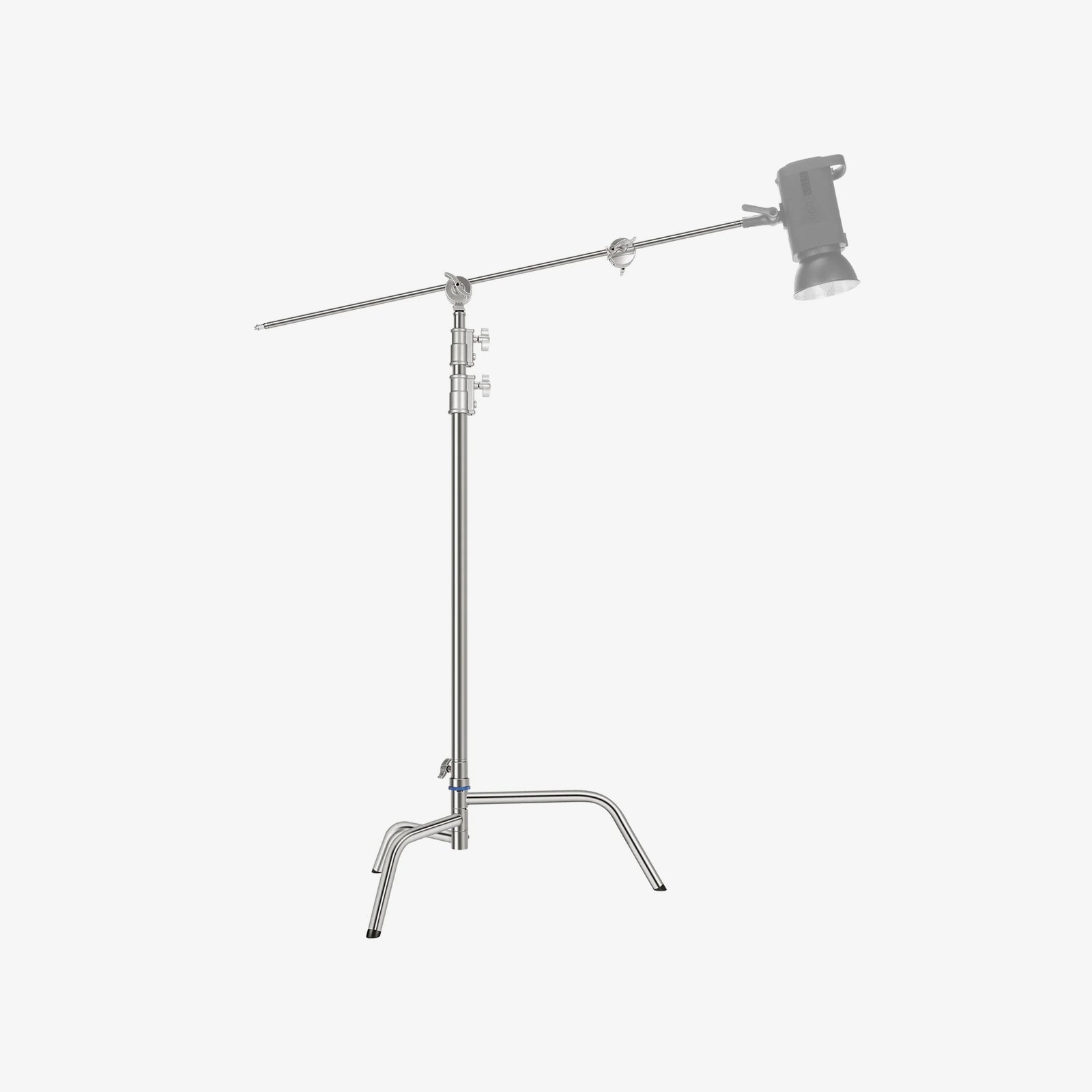


Monopods


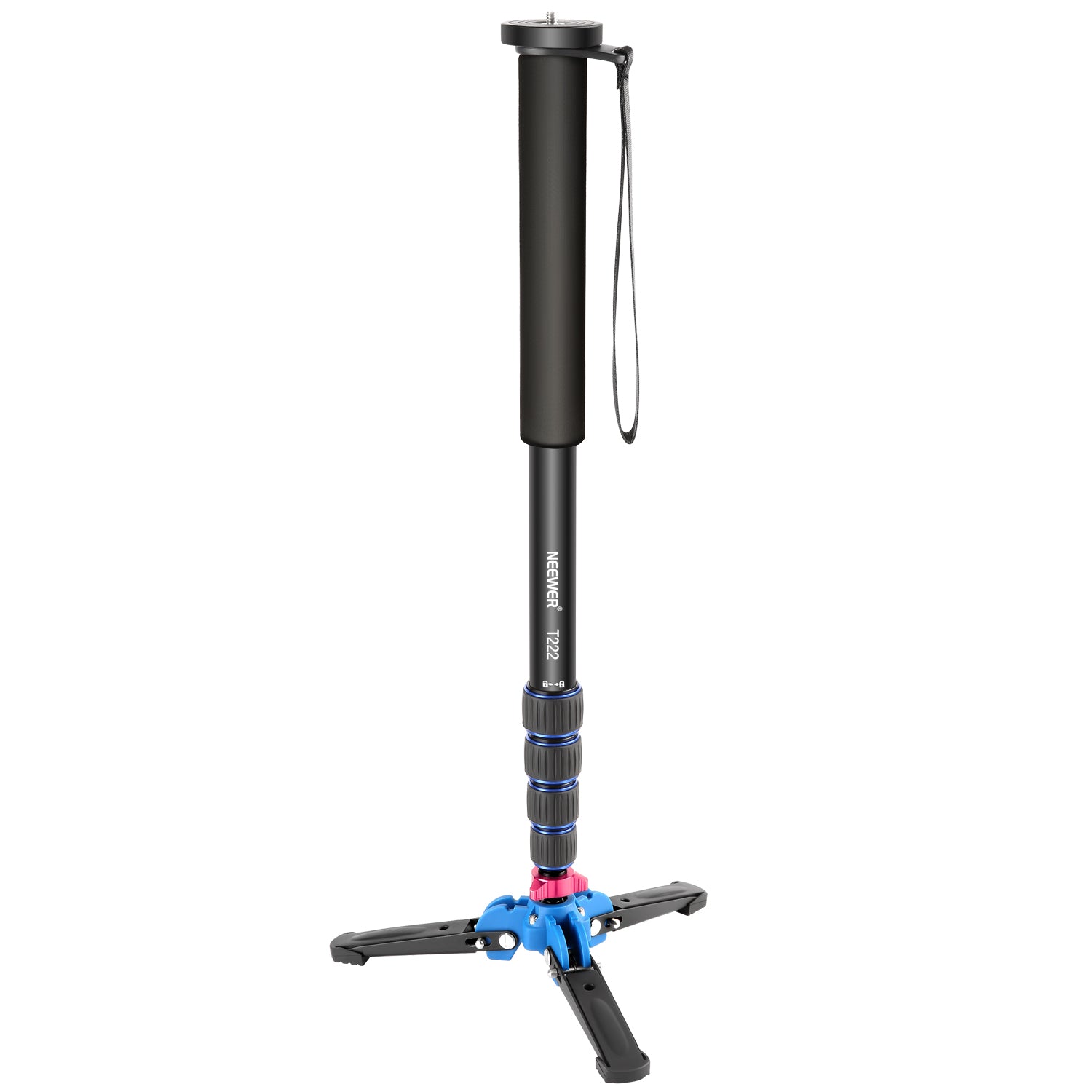
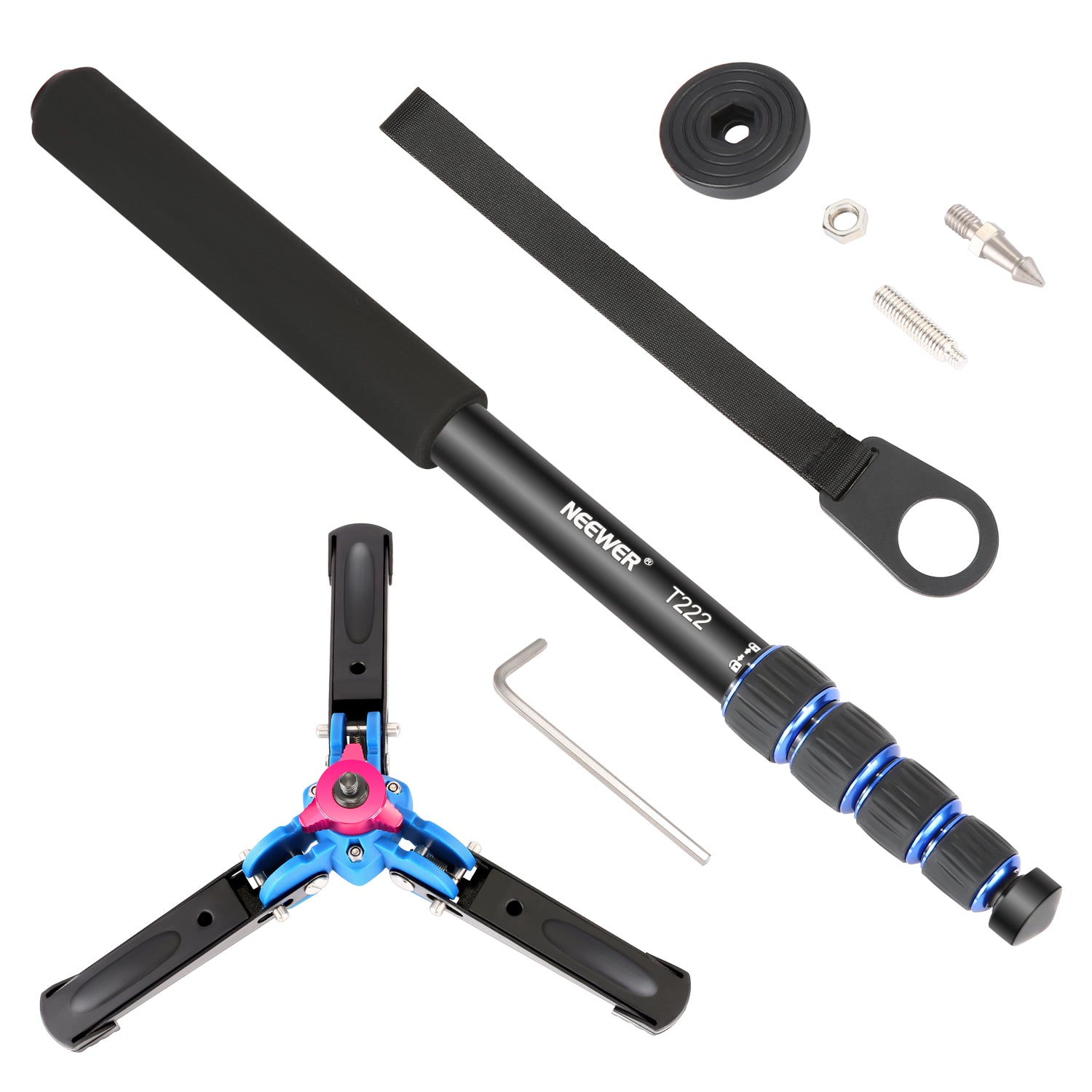
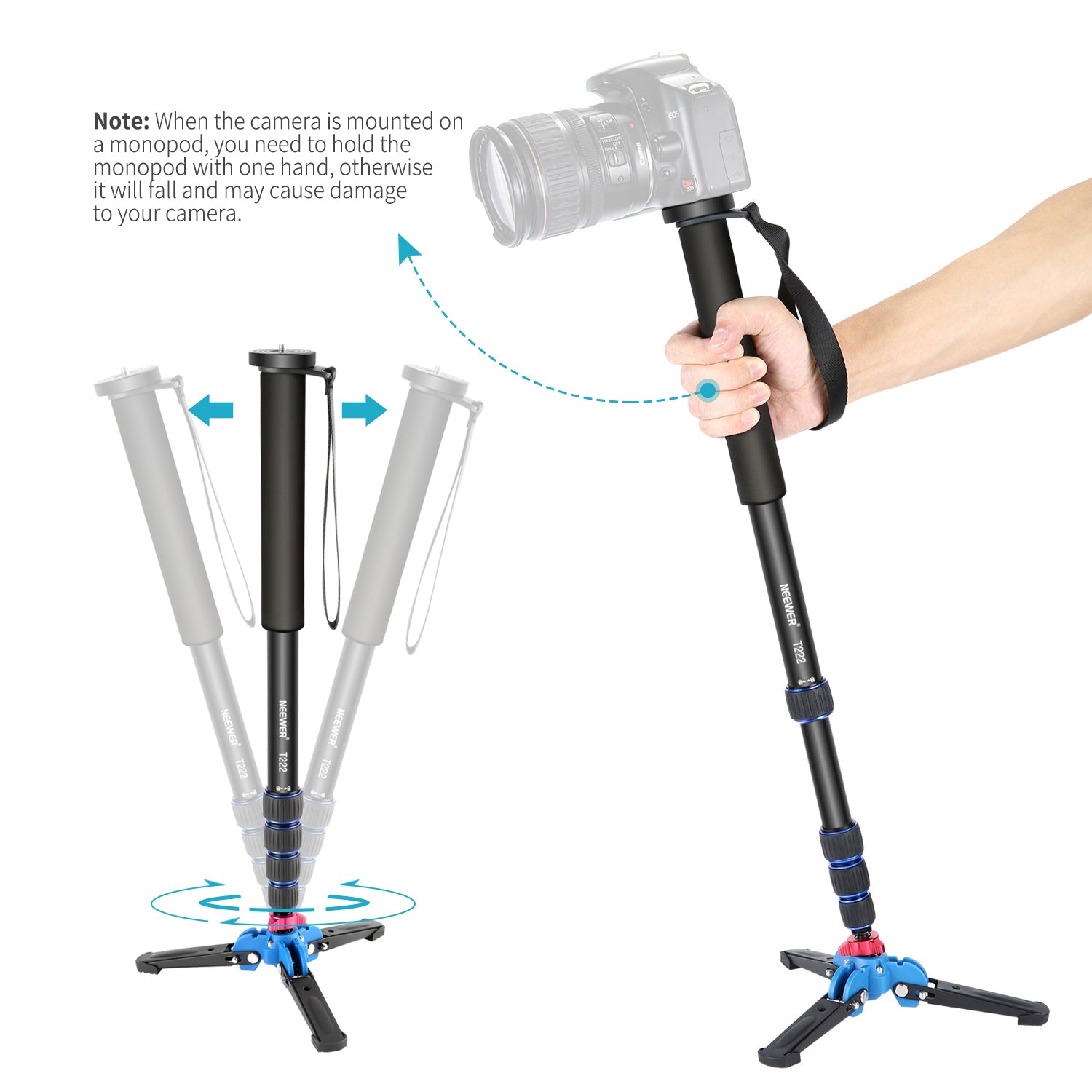
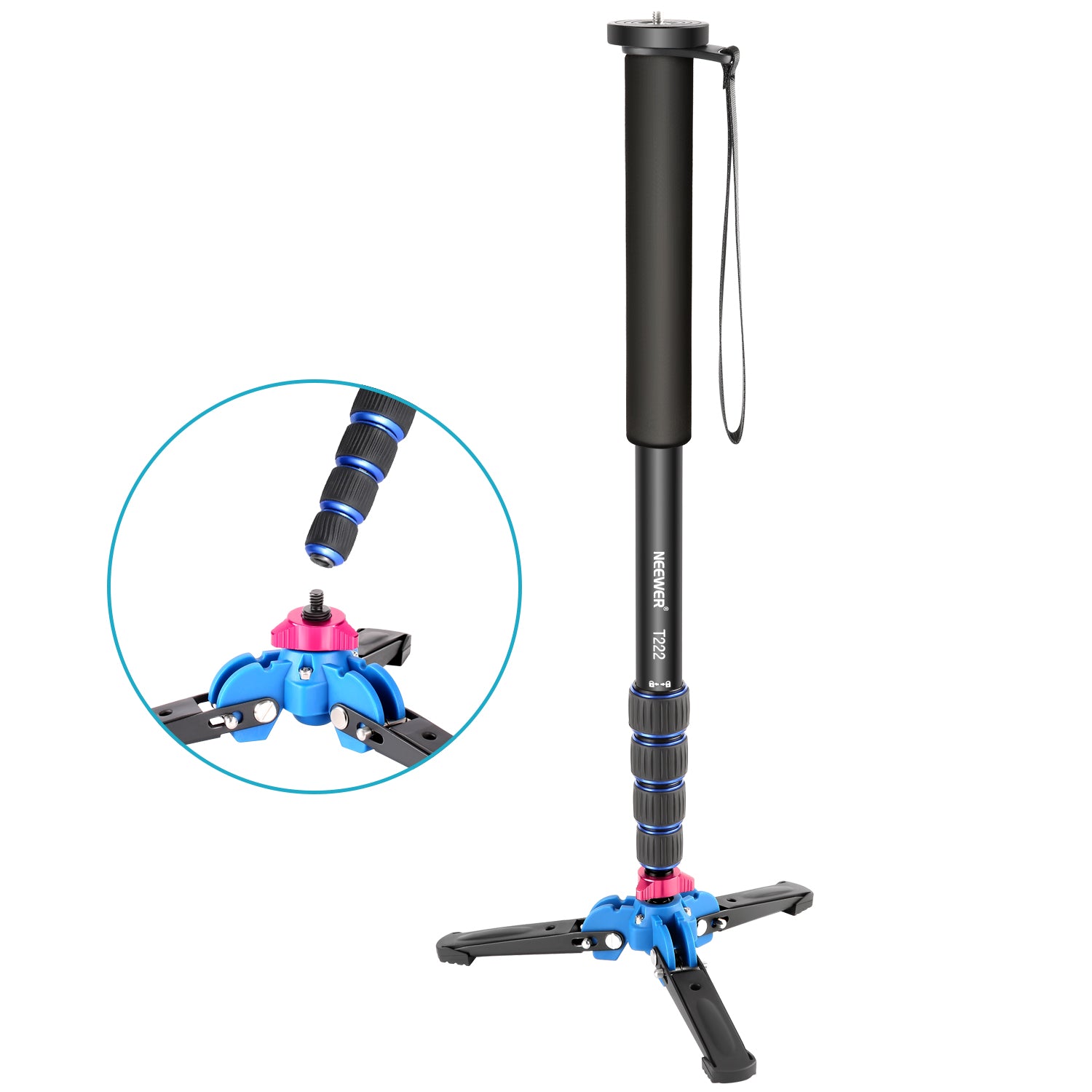
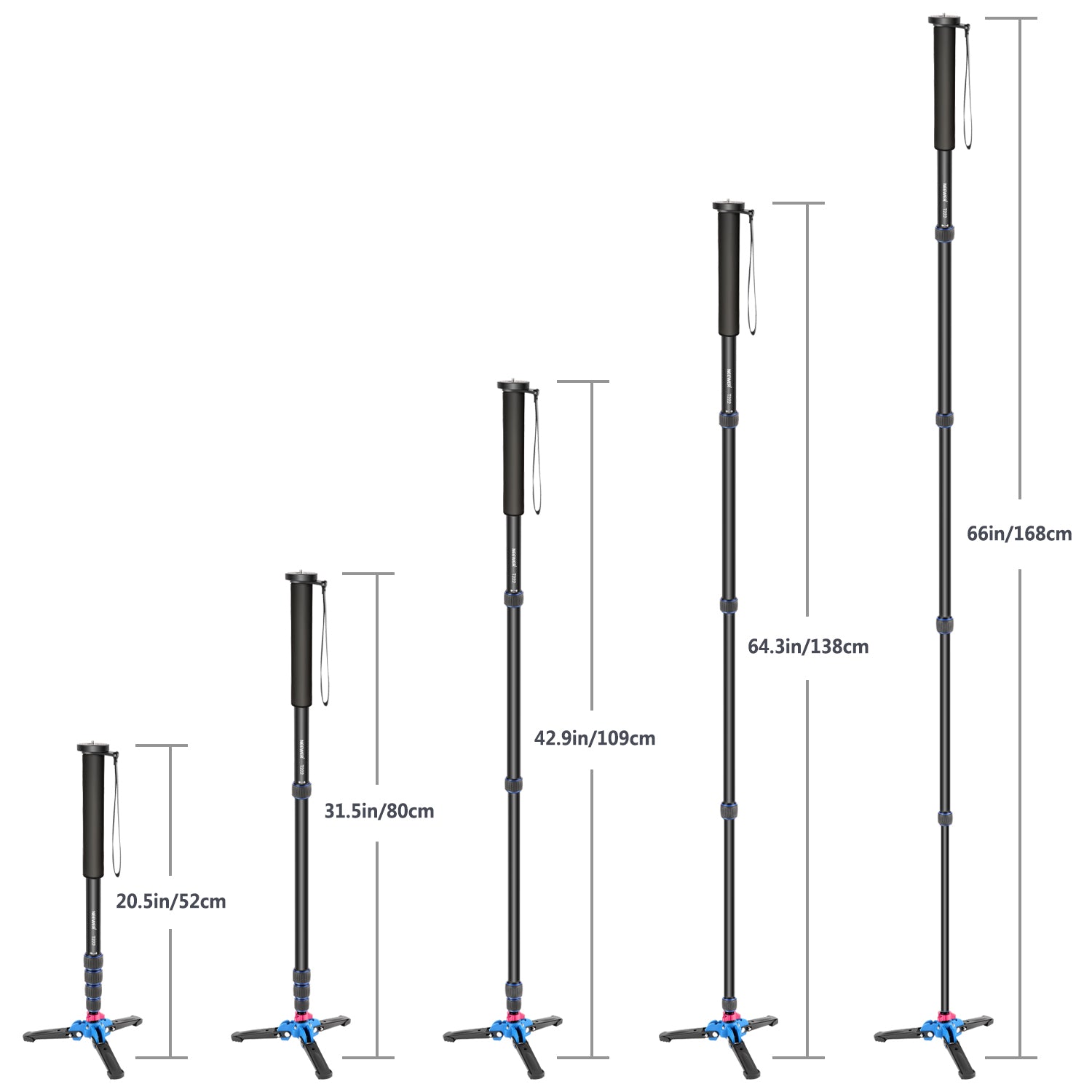
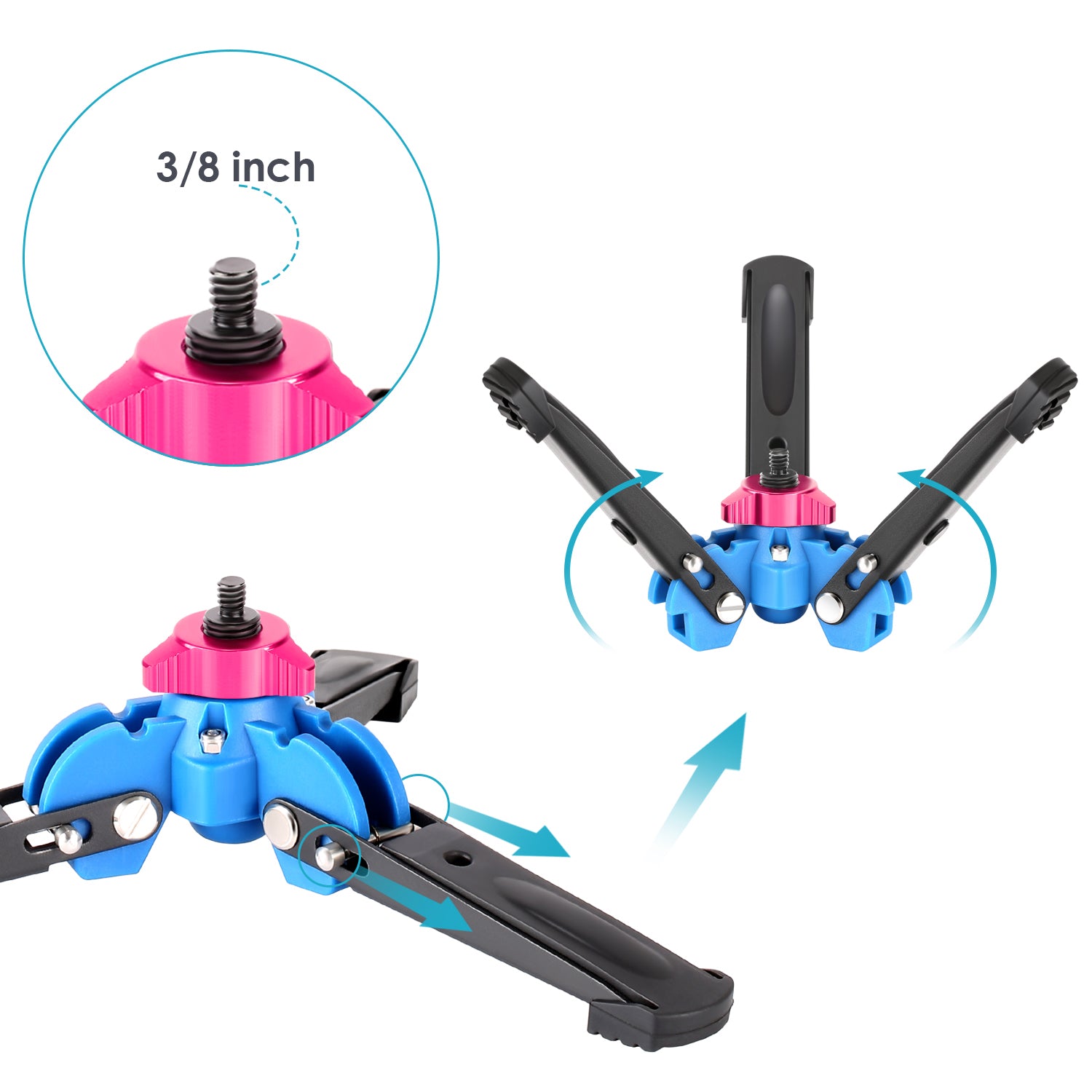
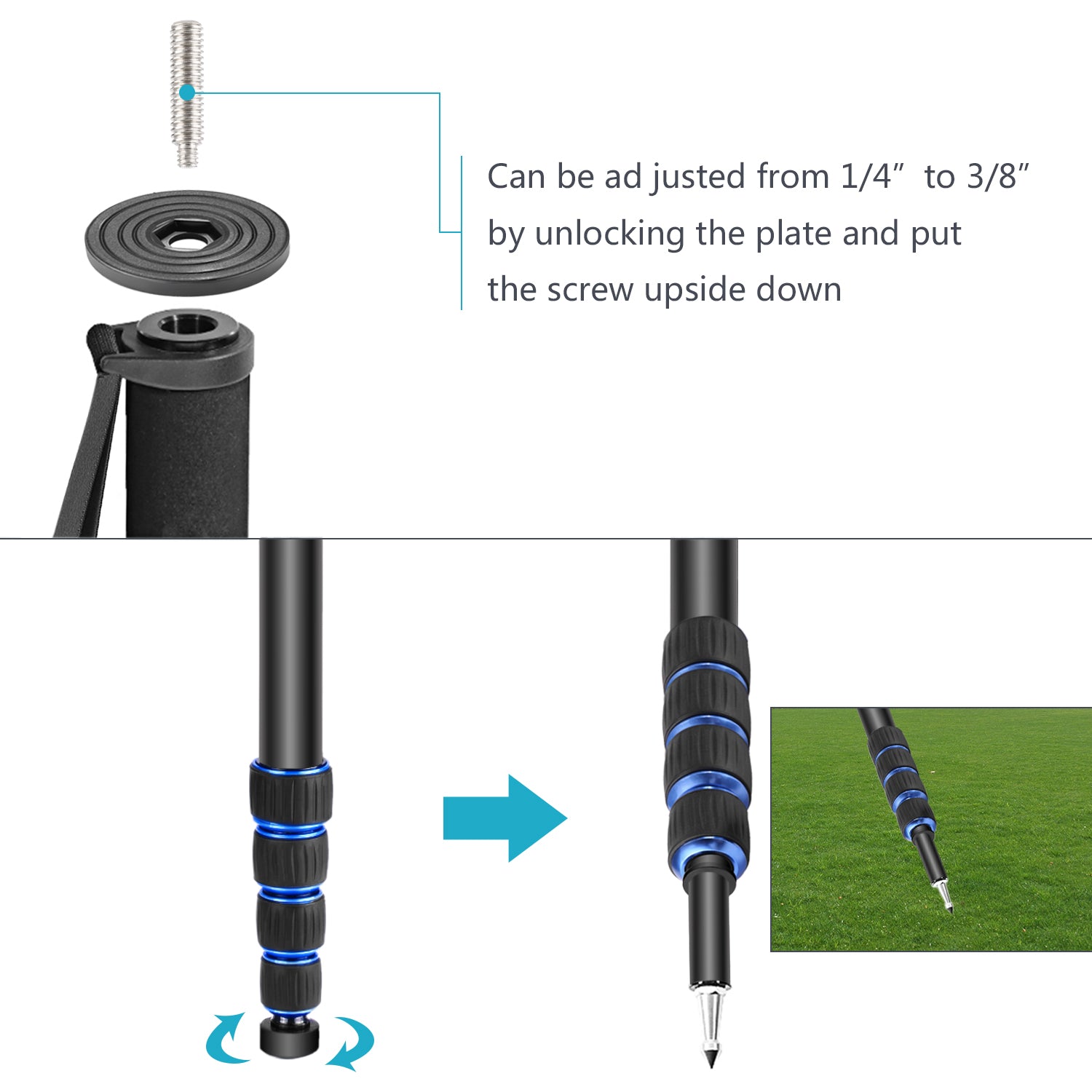
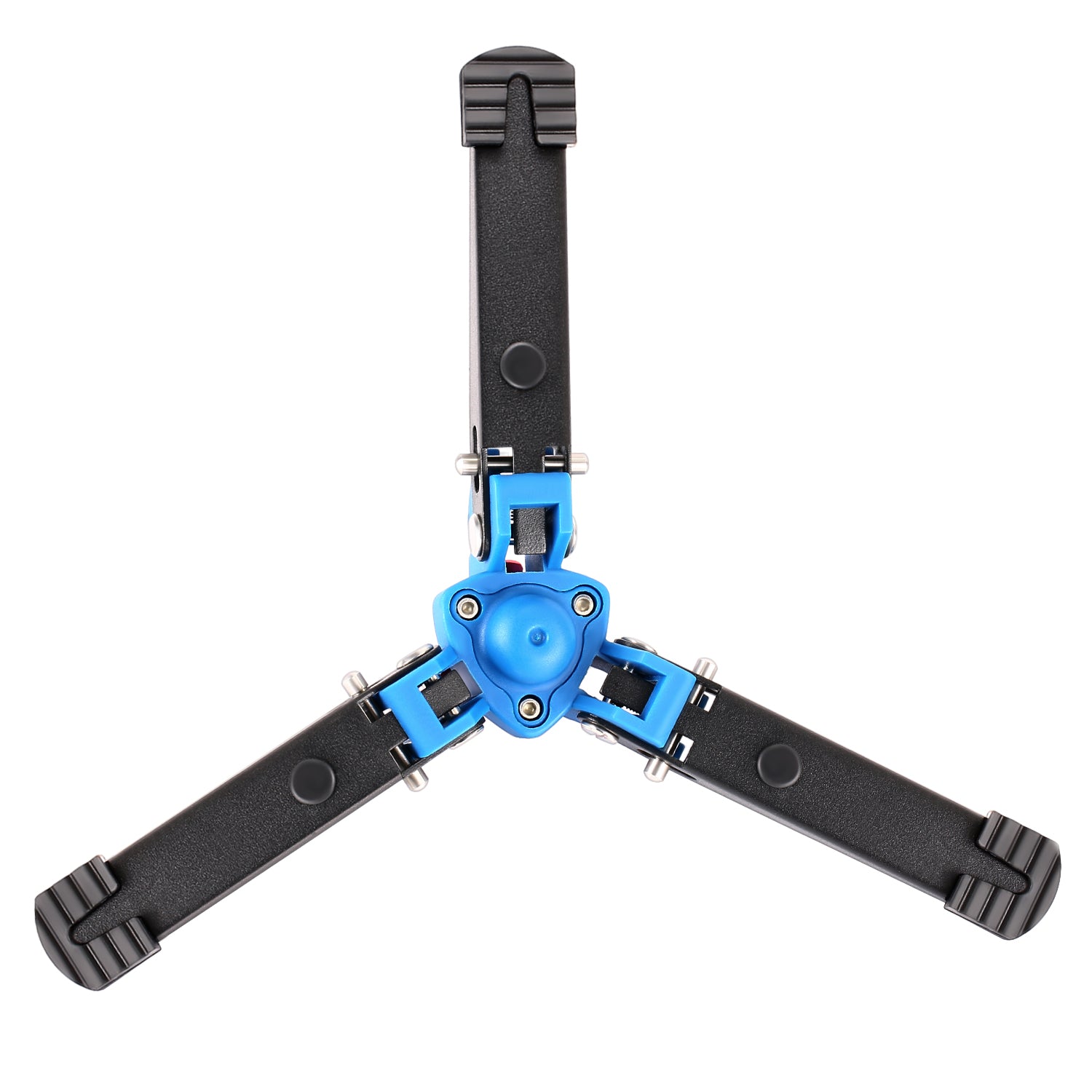
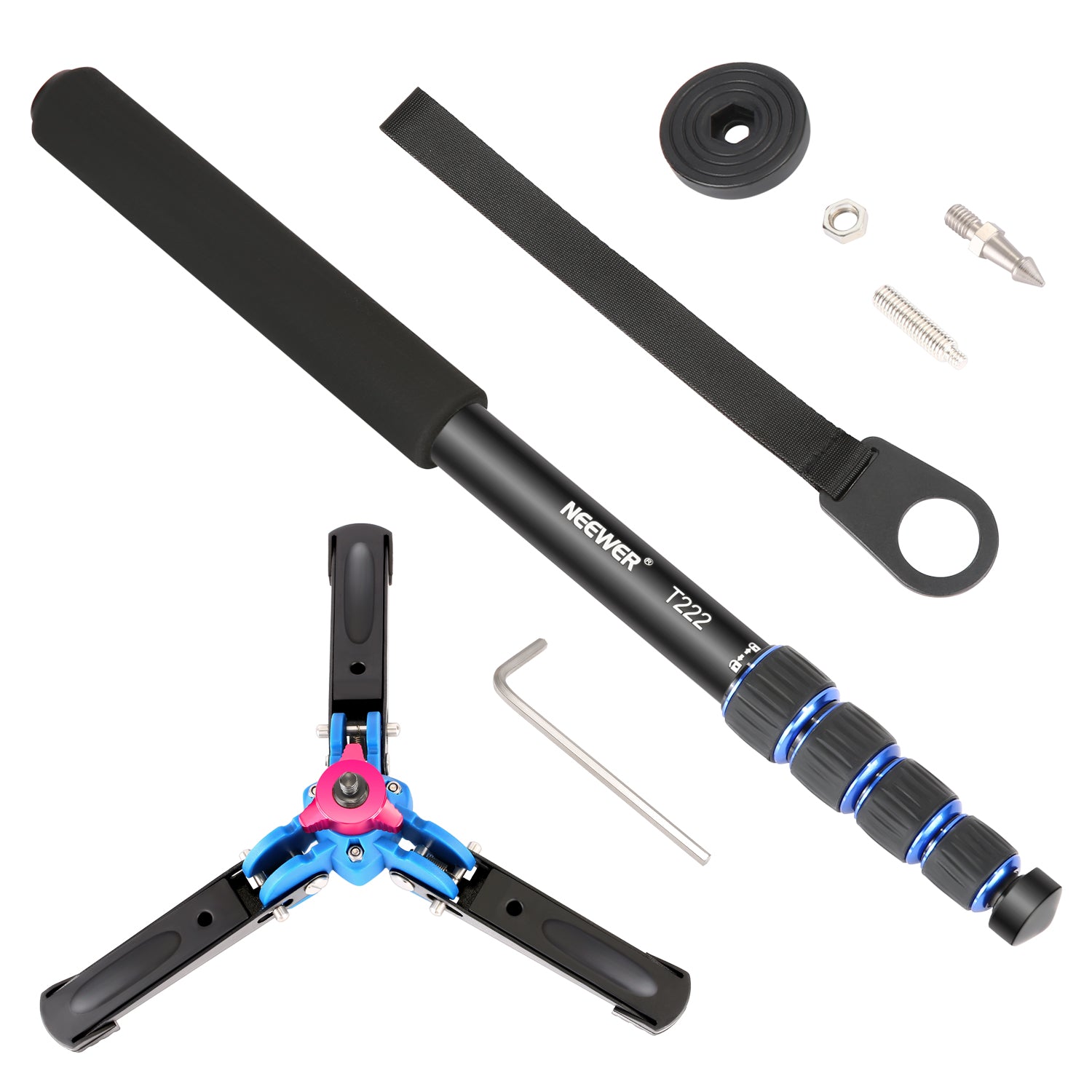
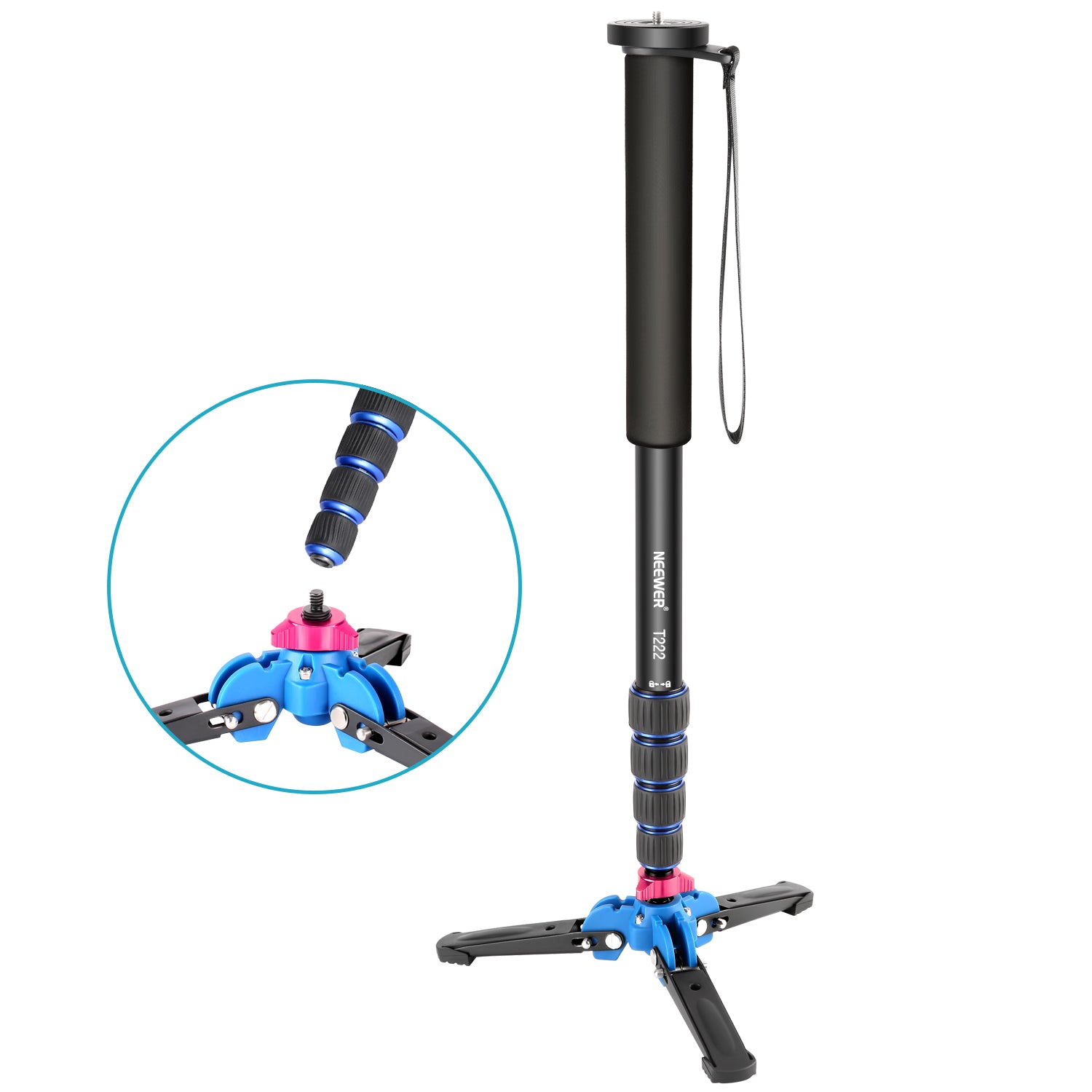
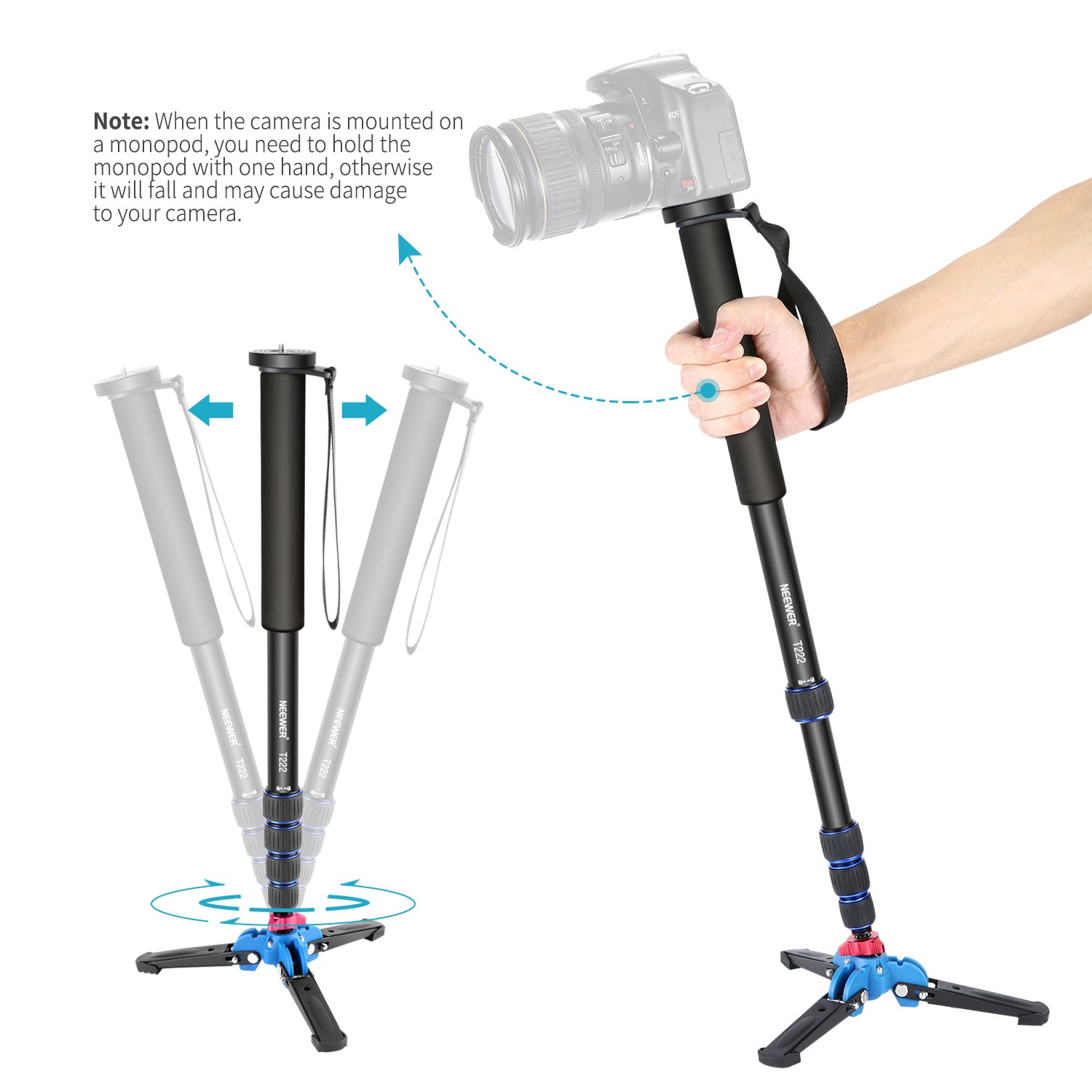
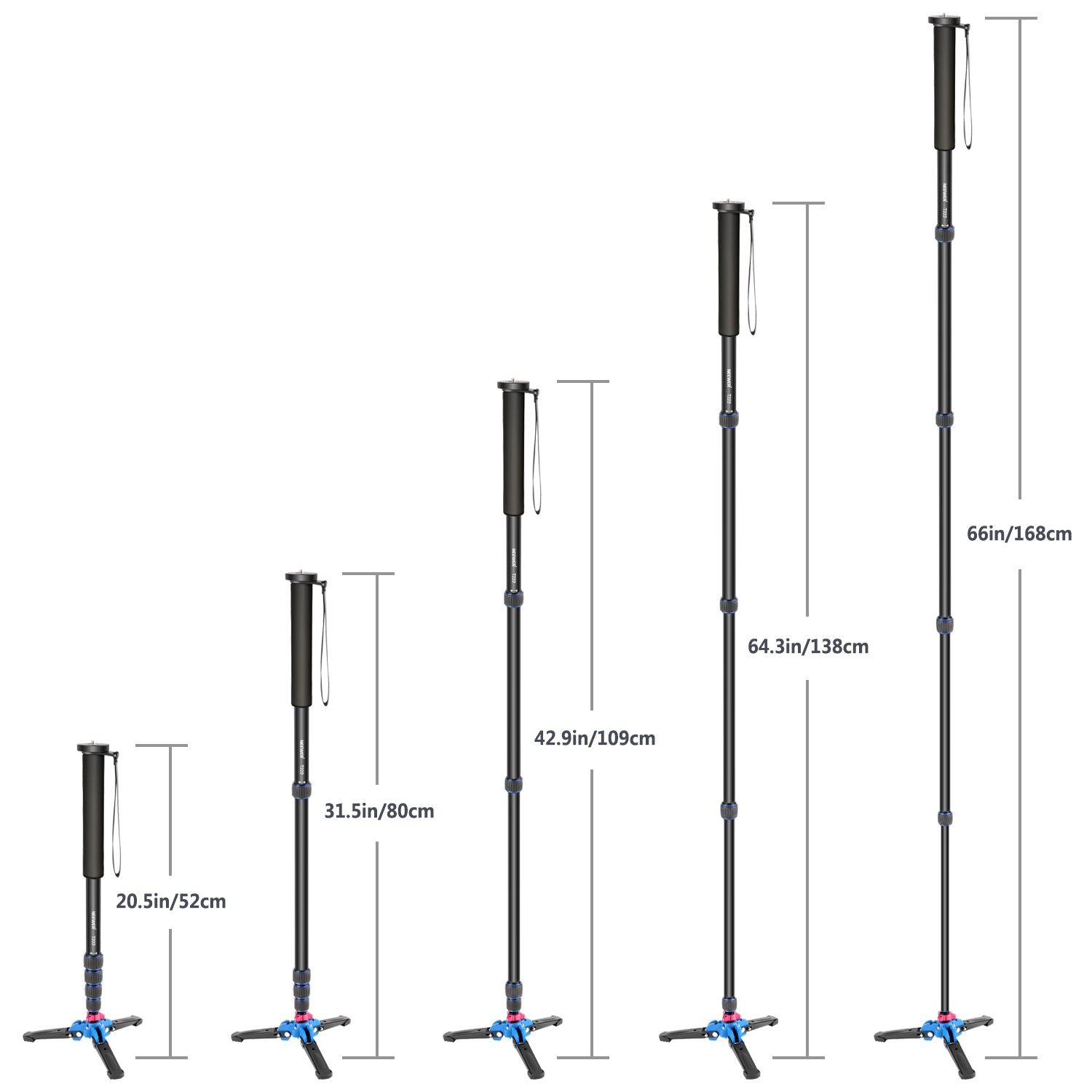
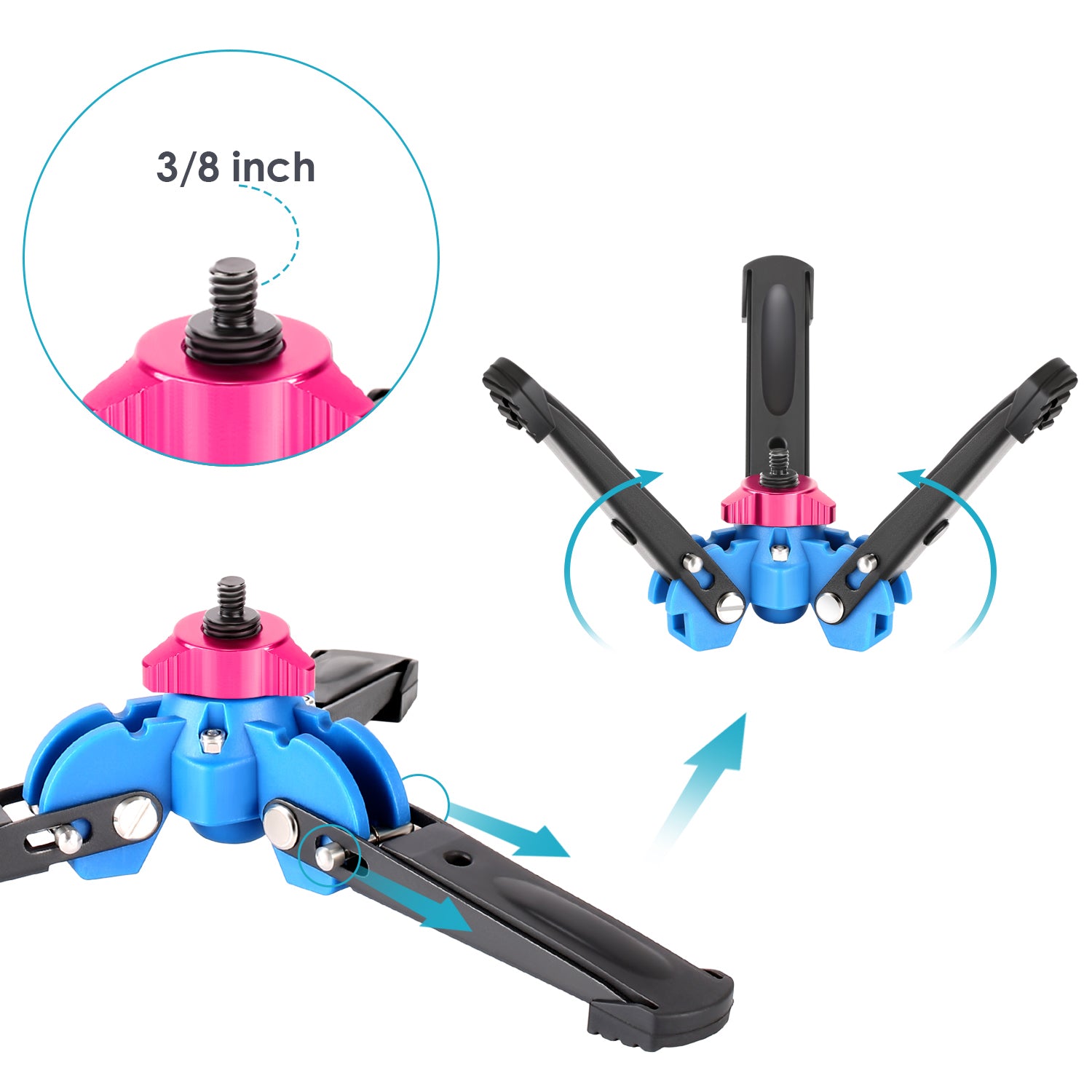
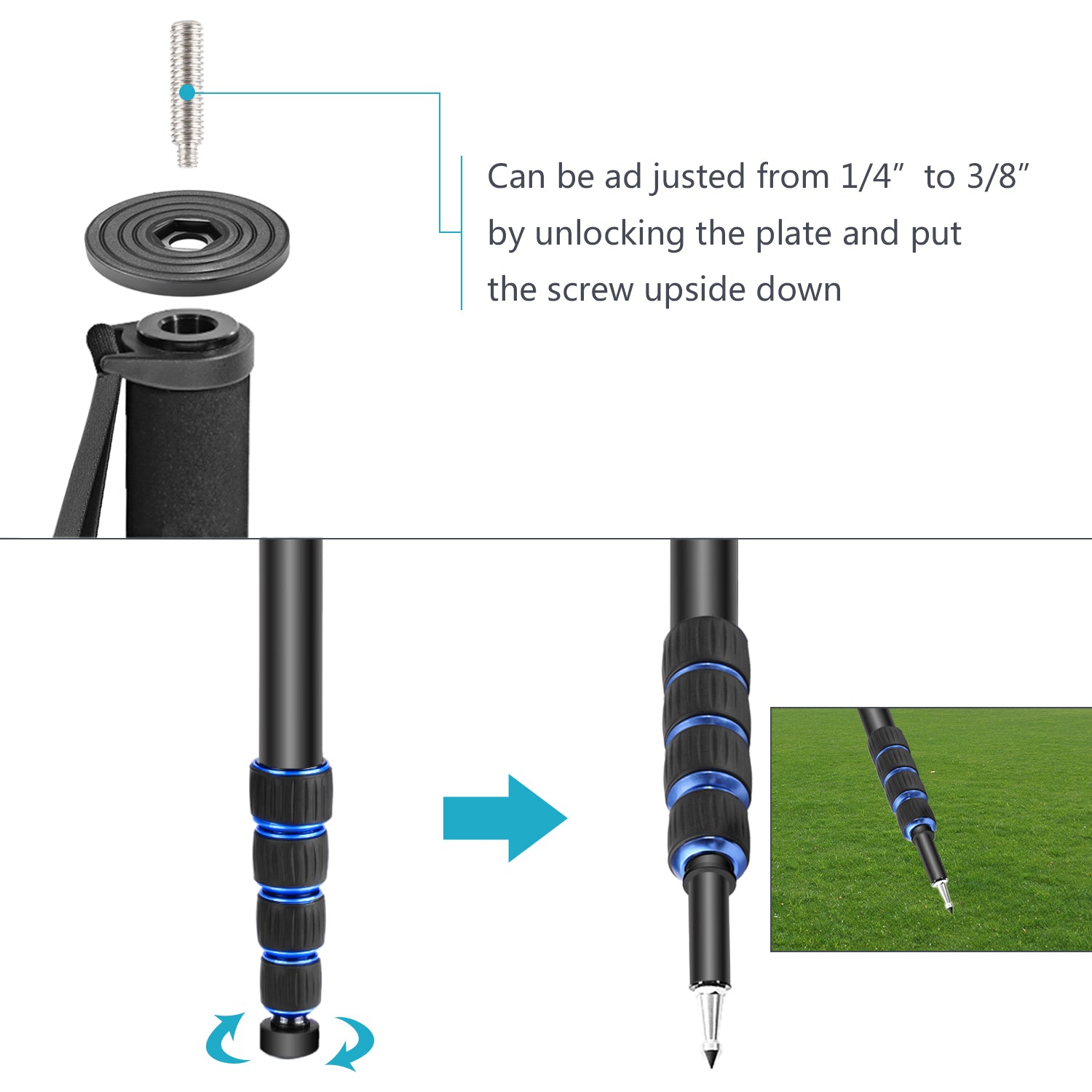
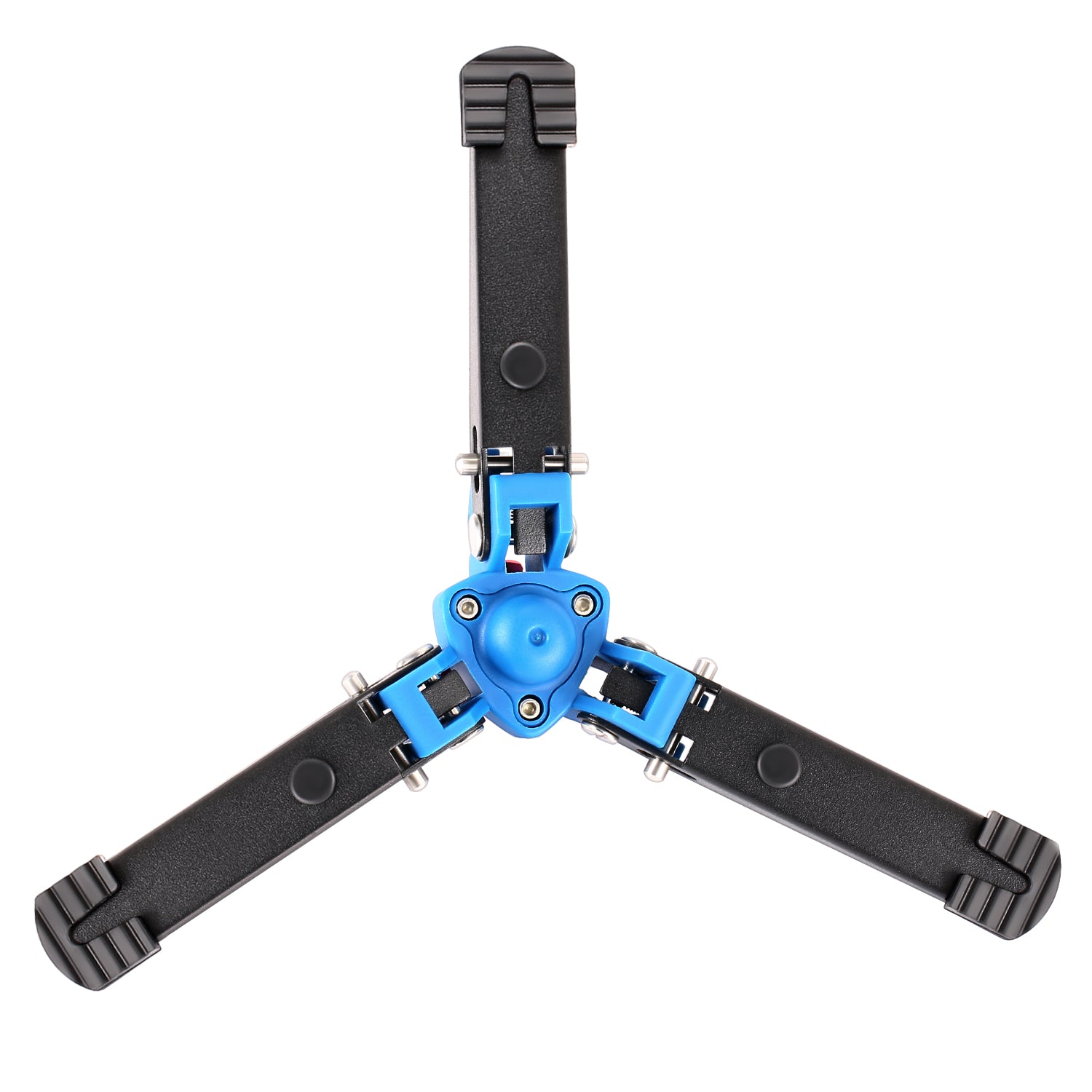
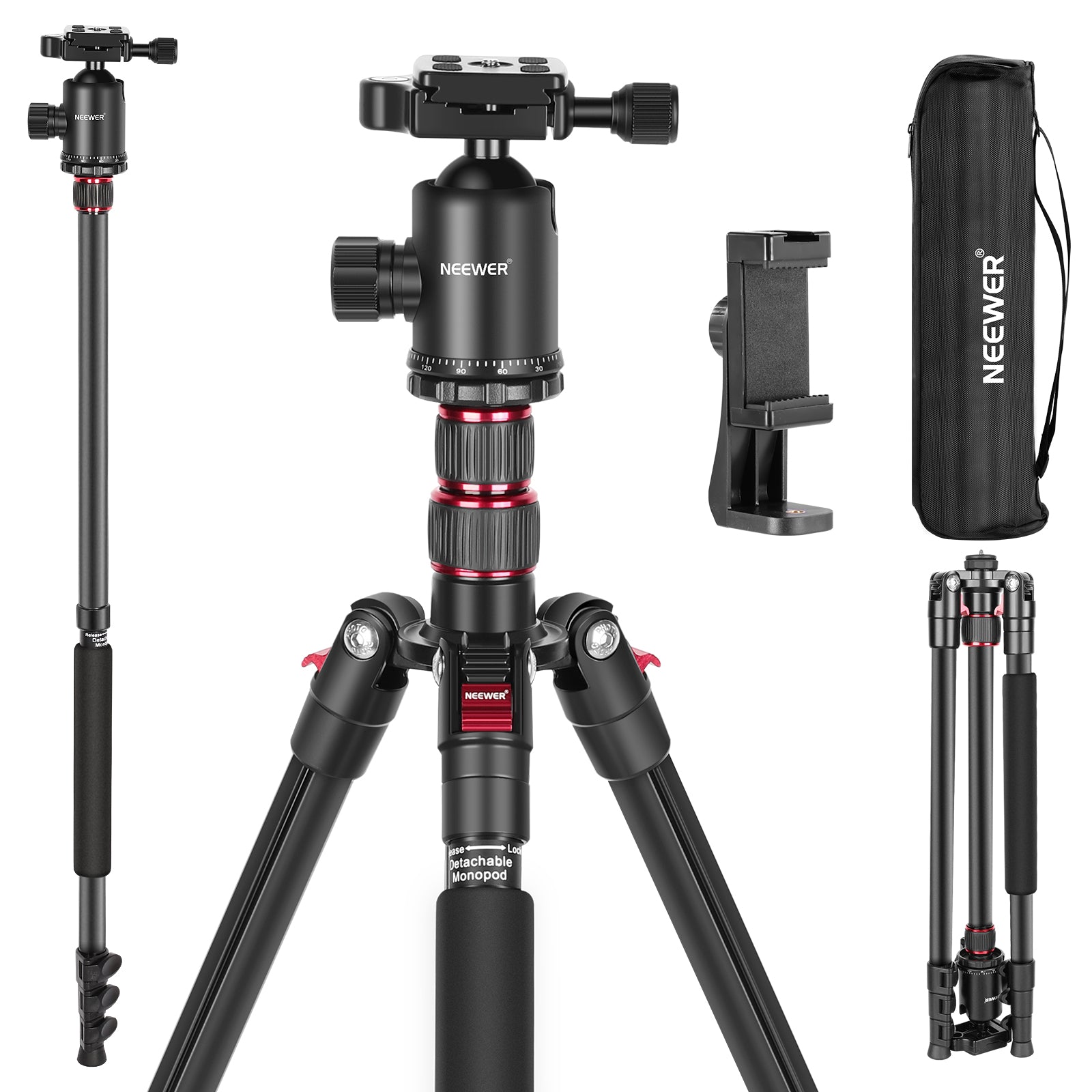
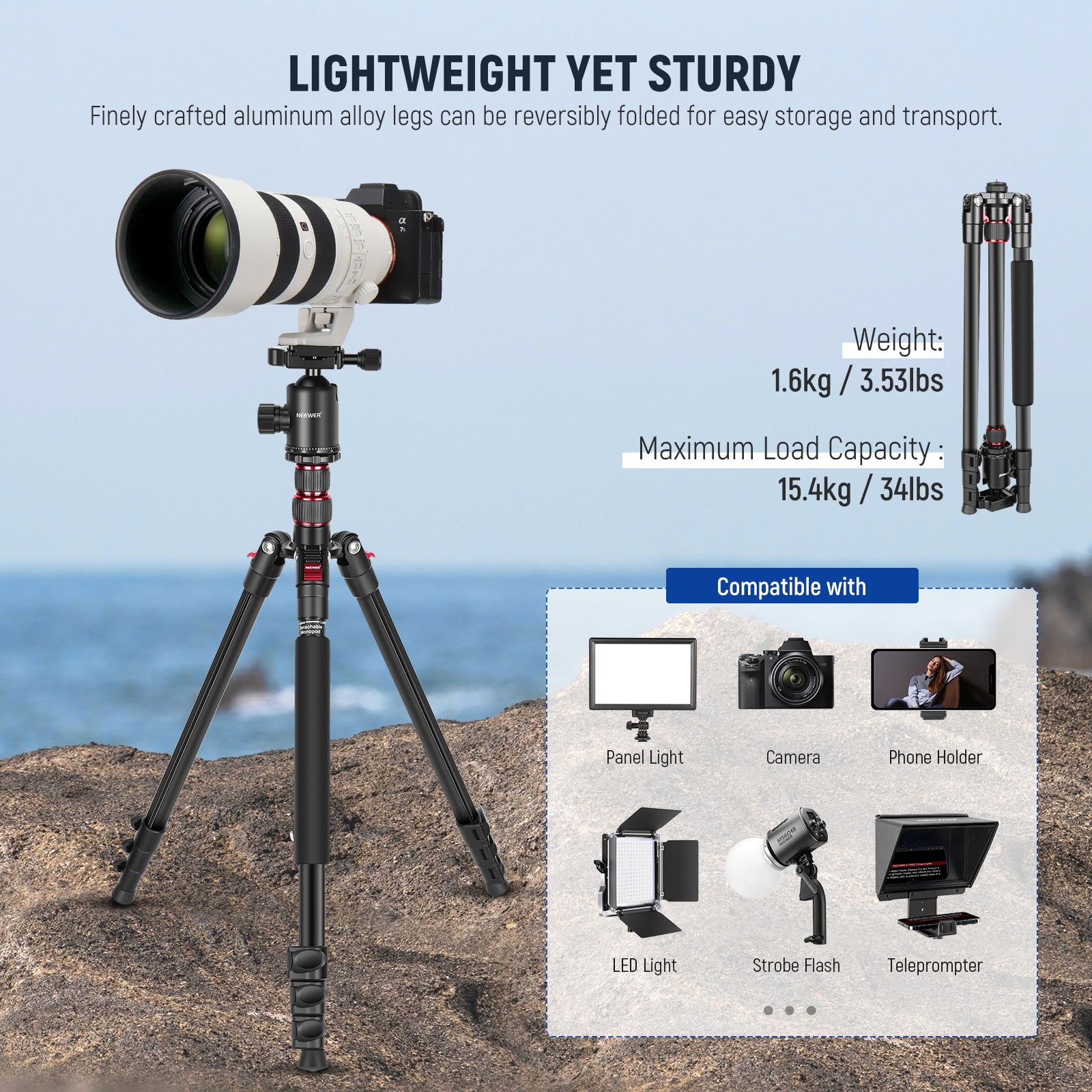
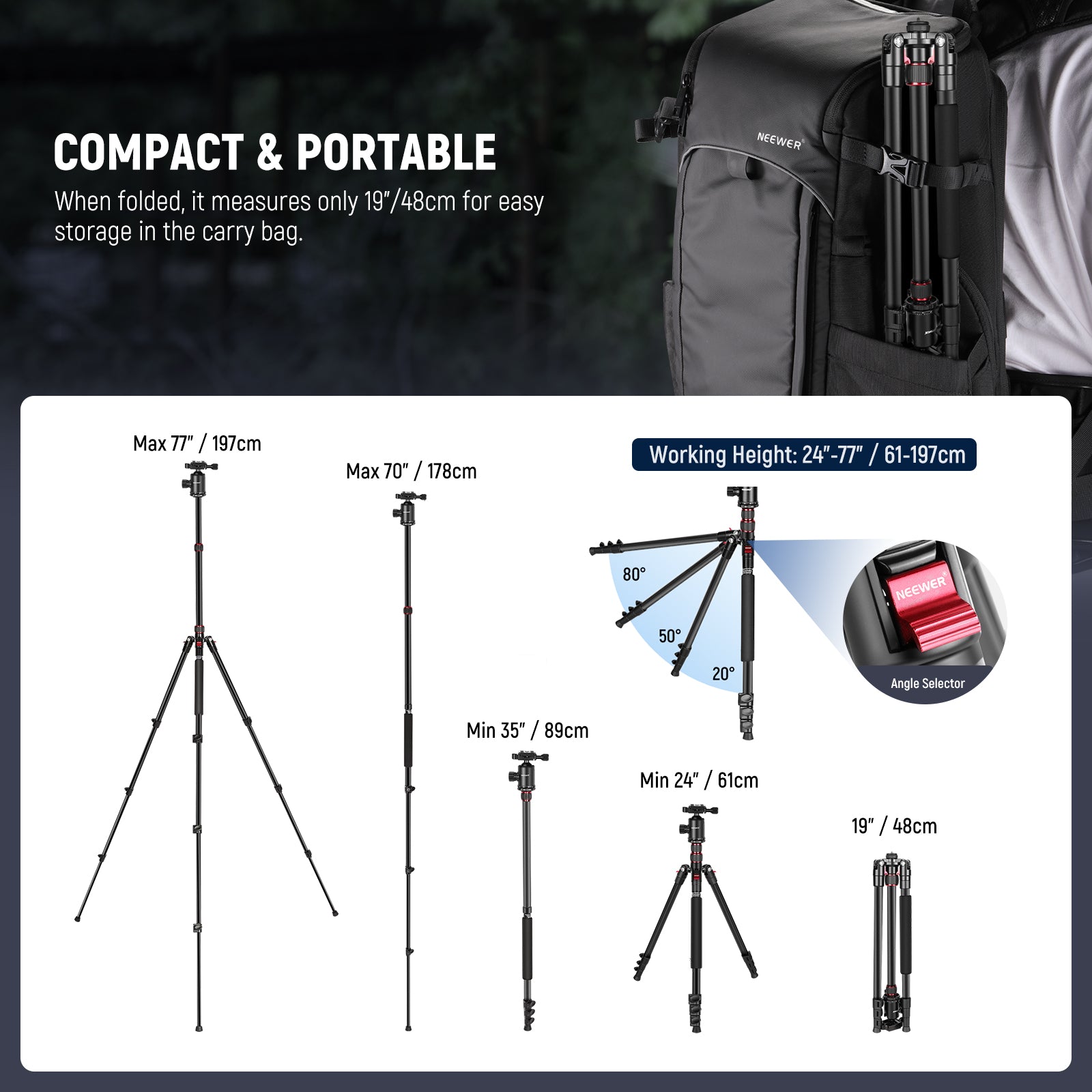
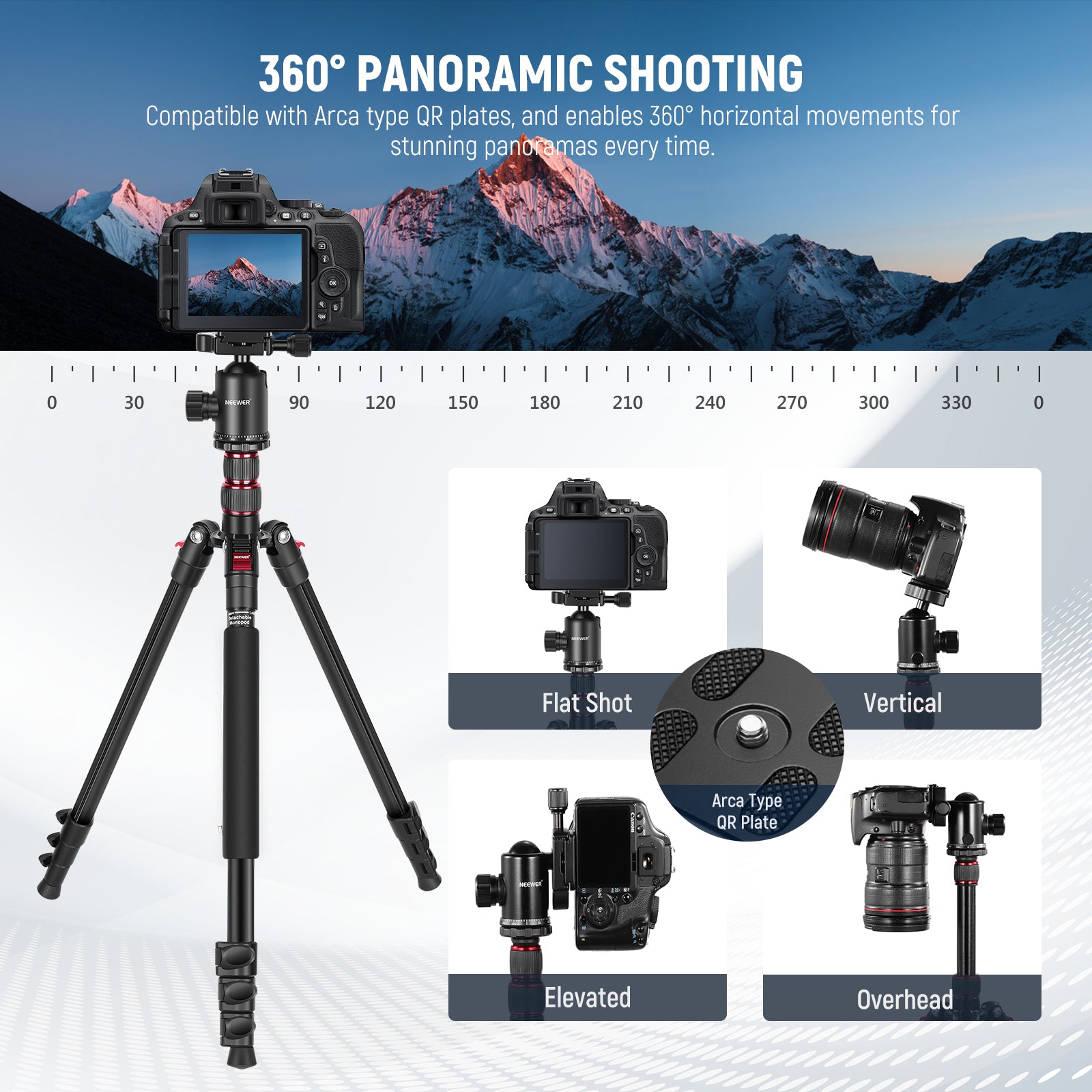
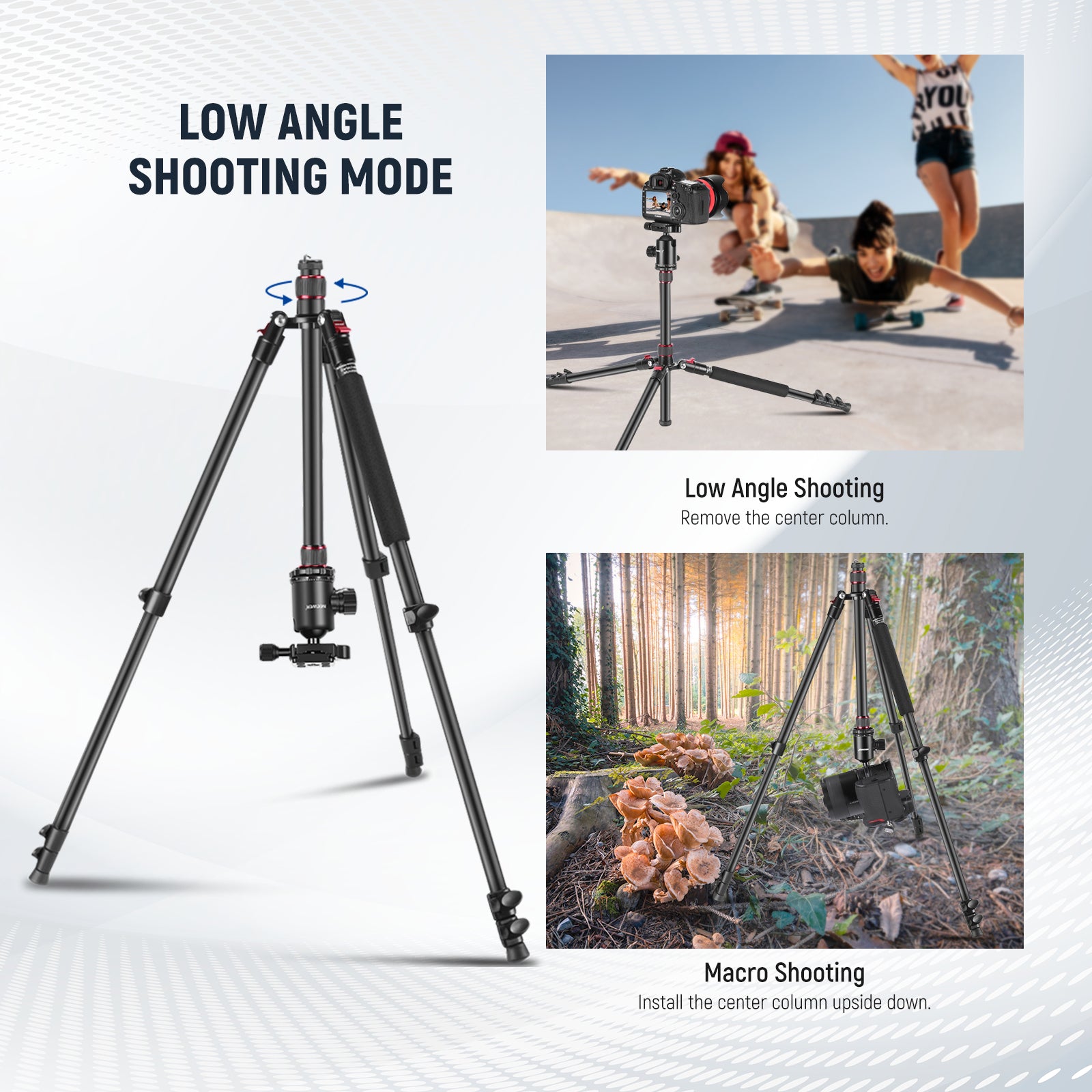
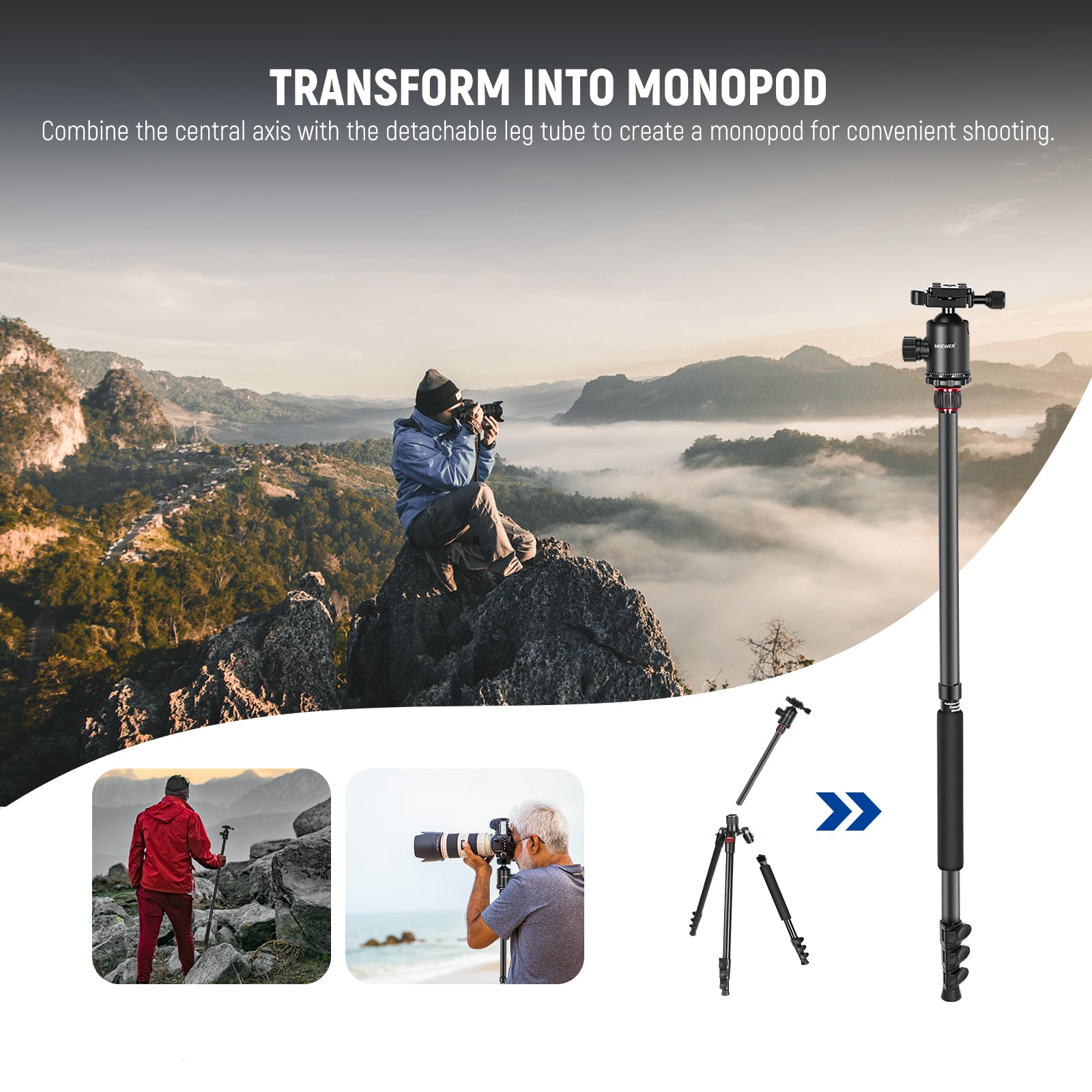
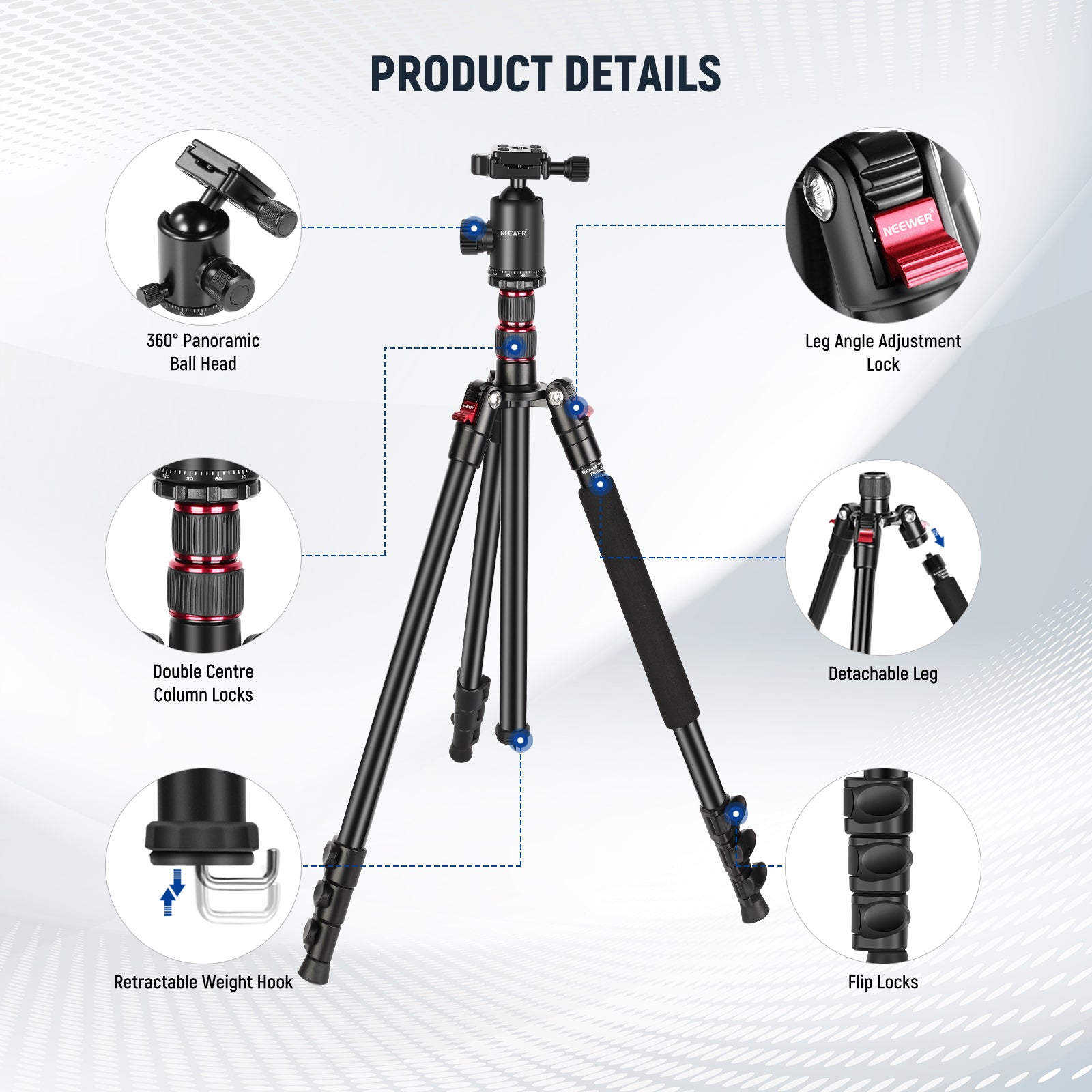
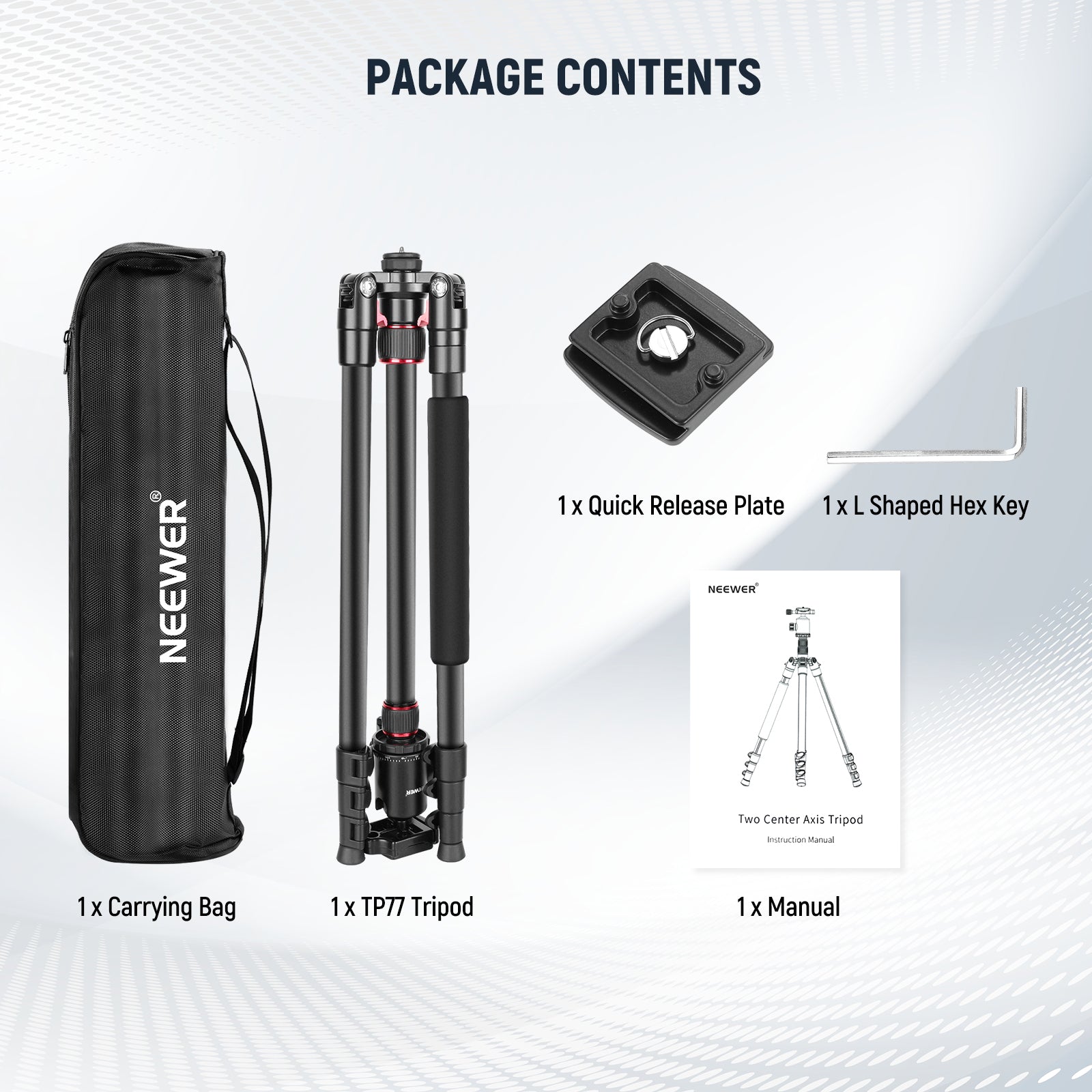
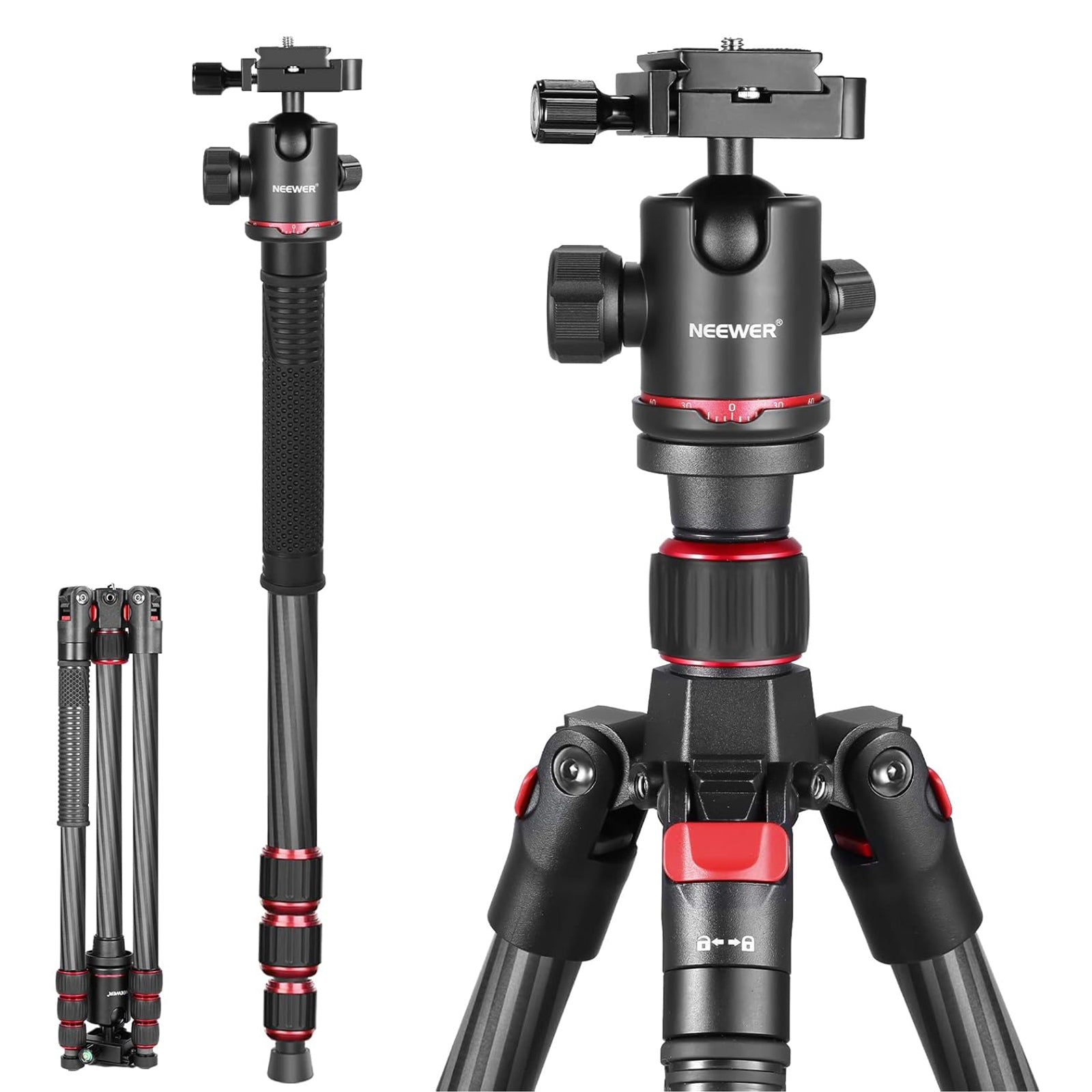
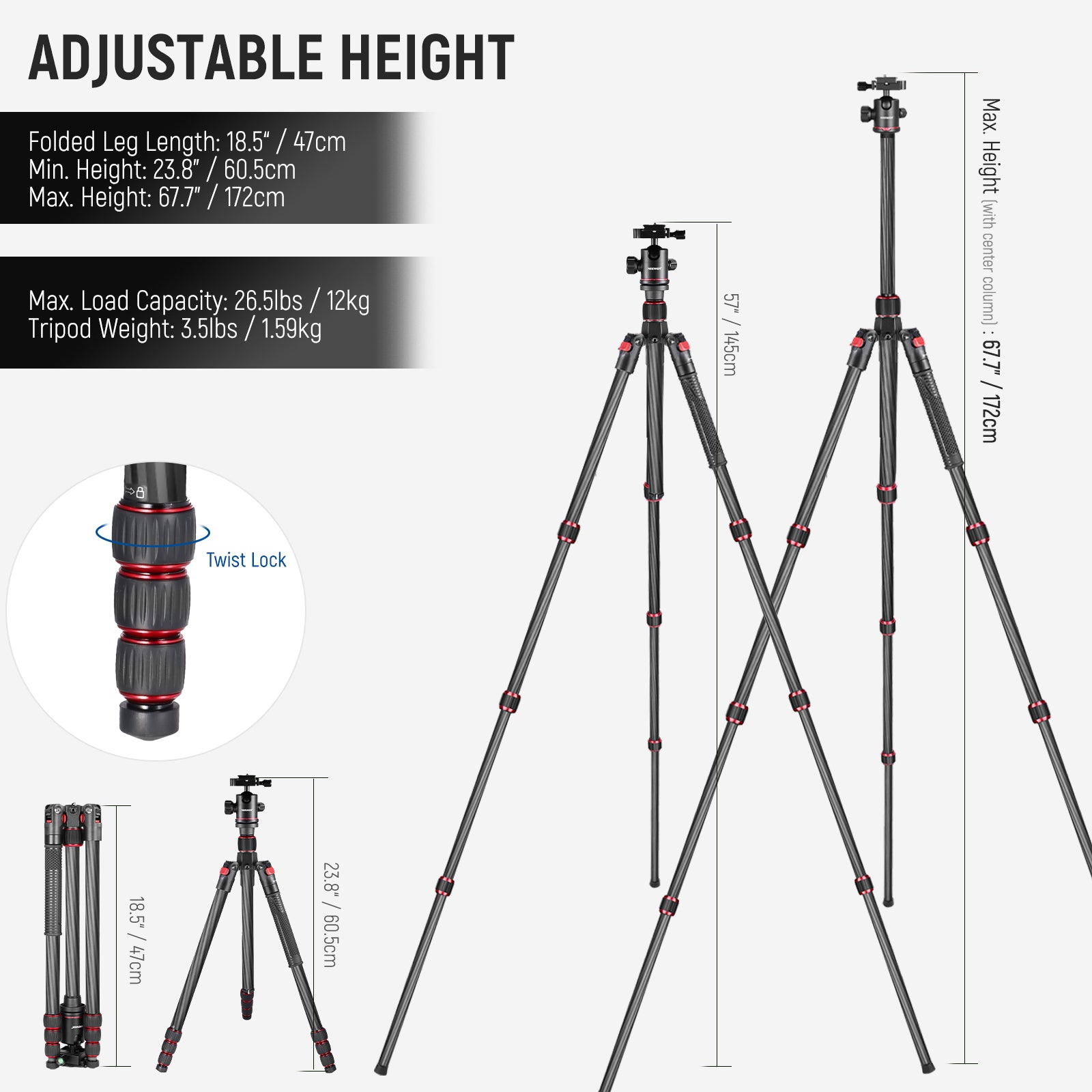
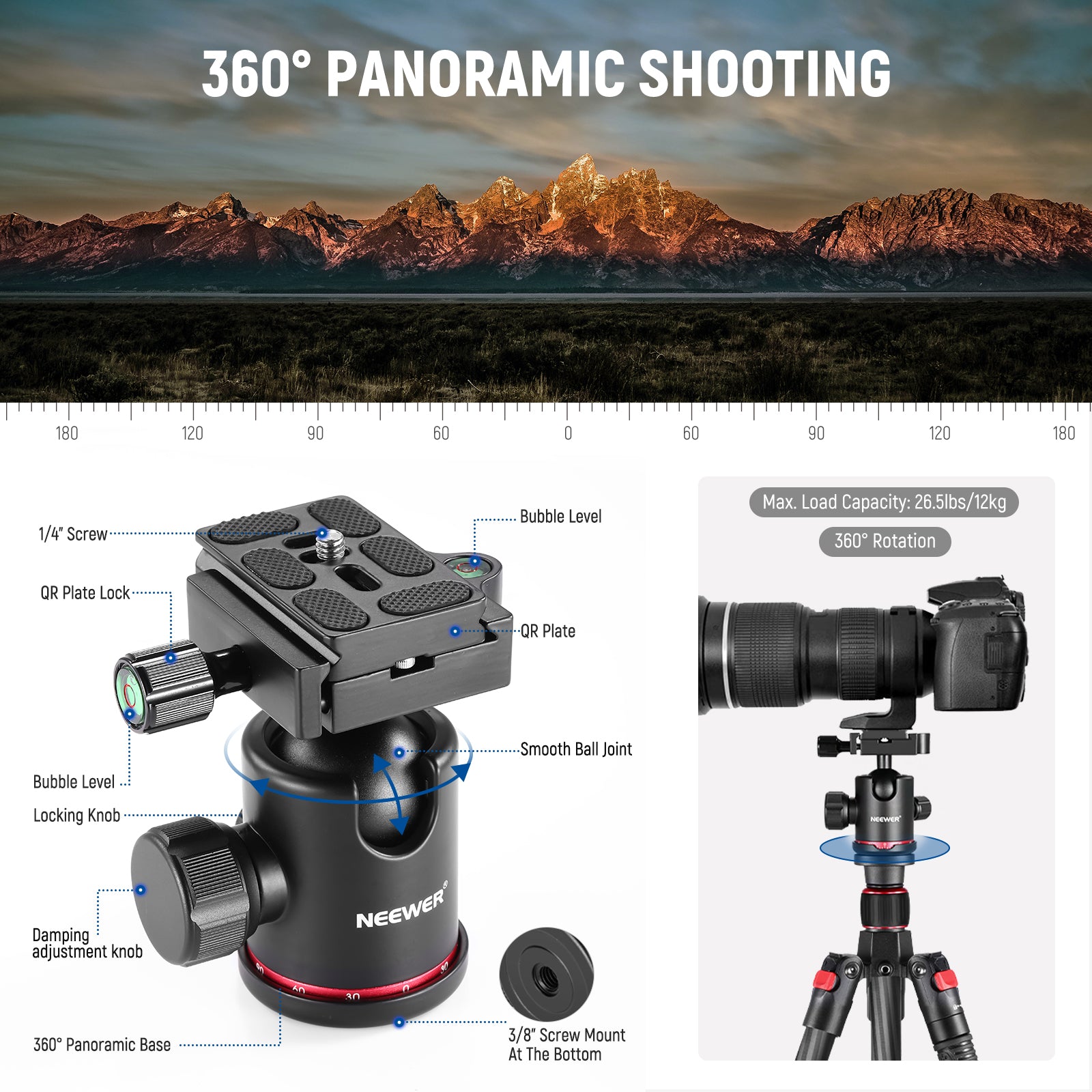
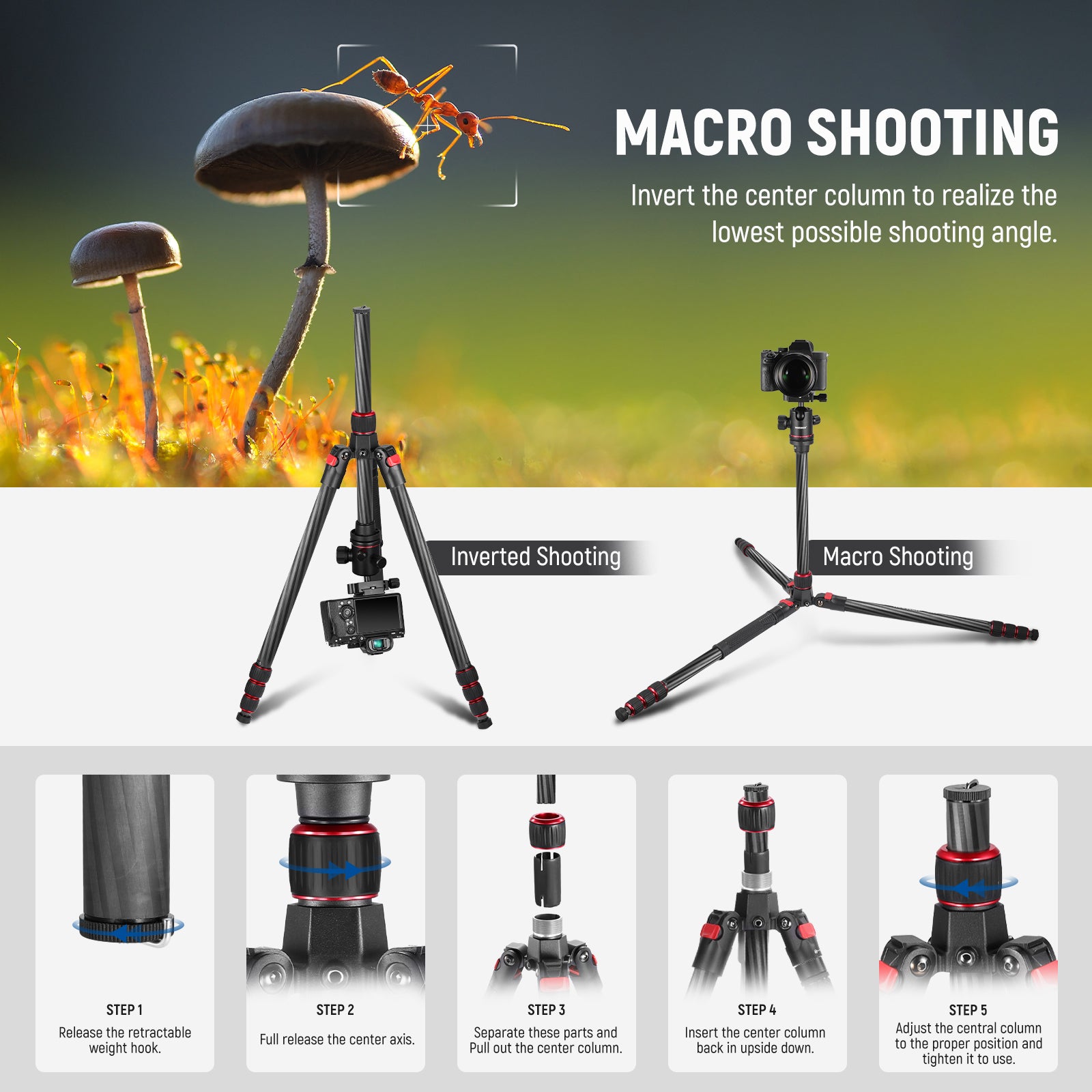
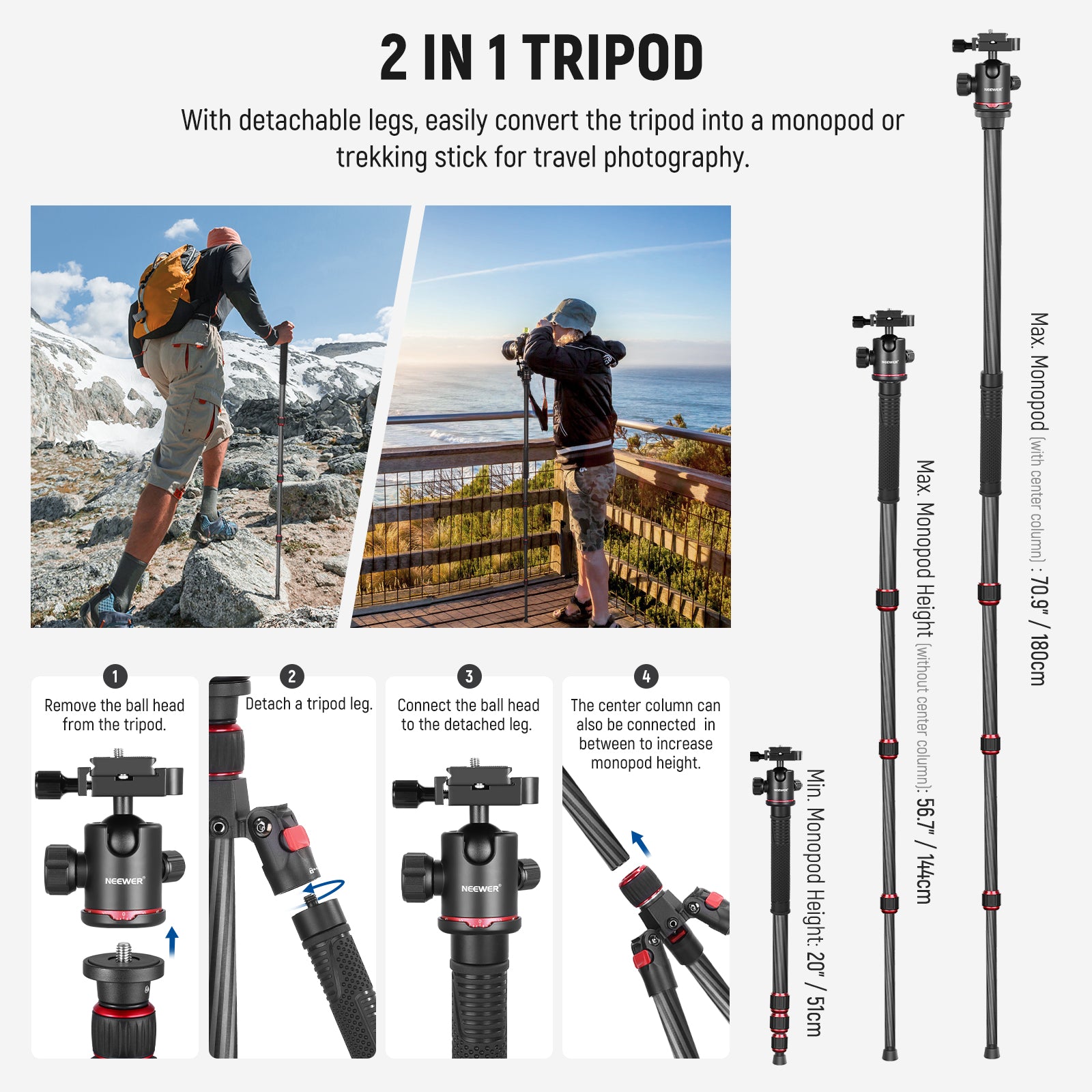
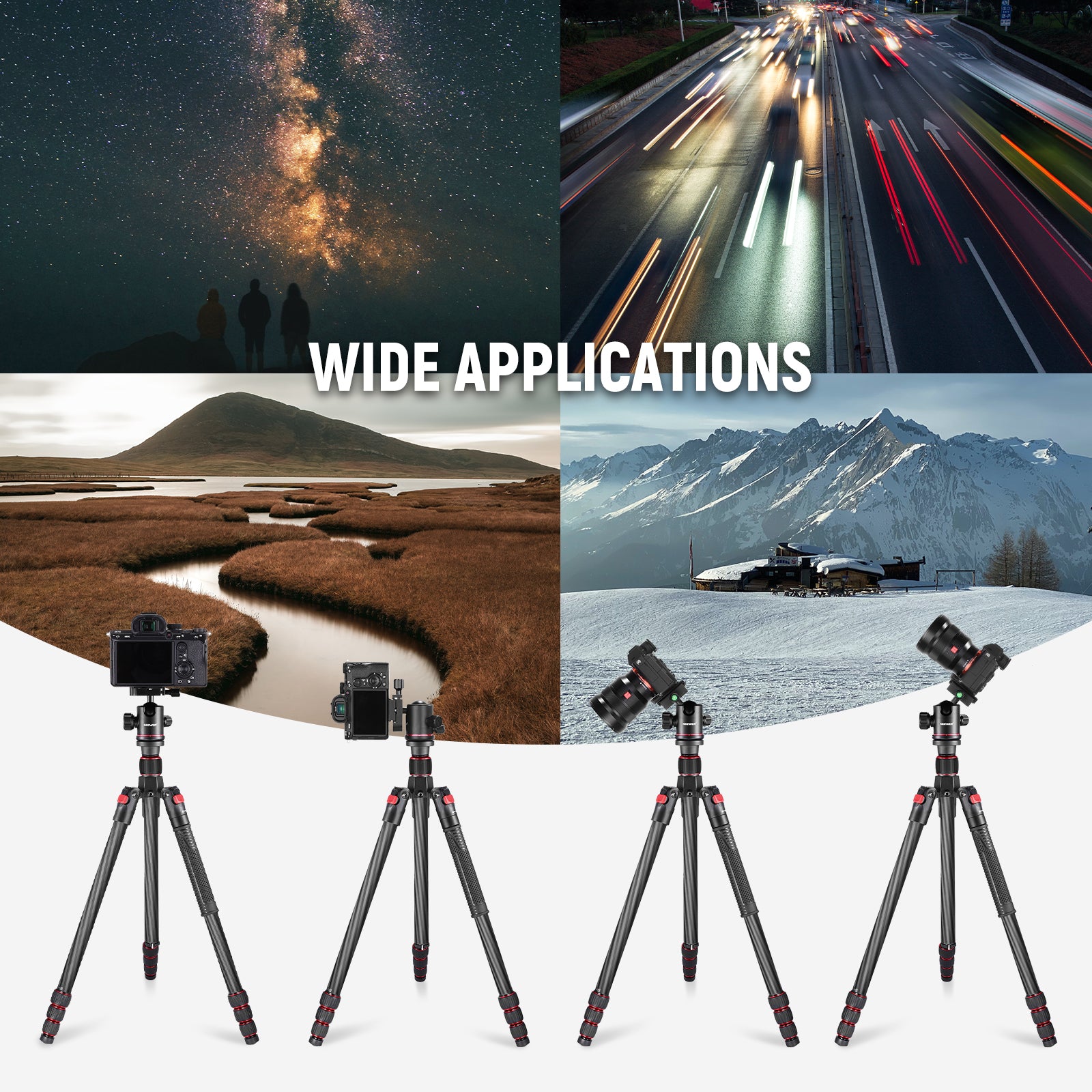
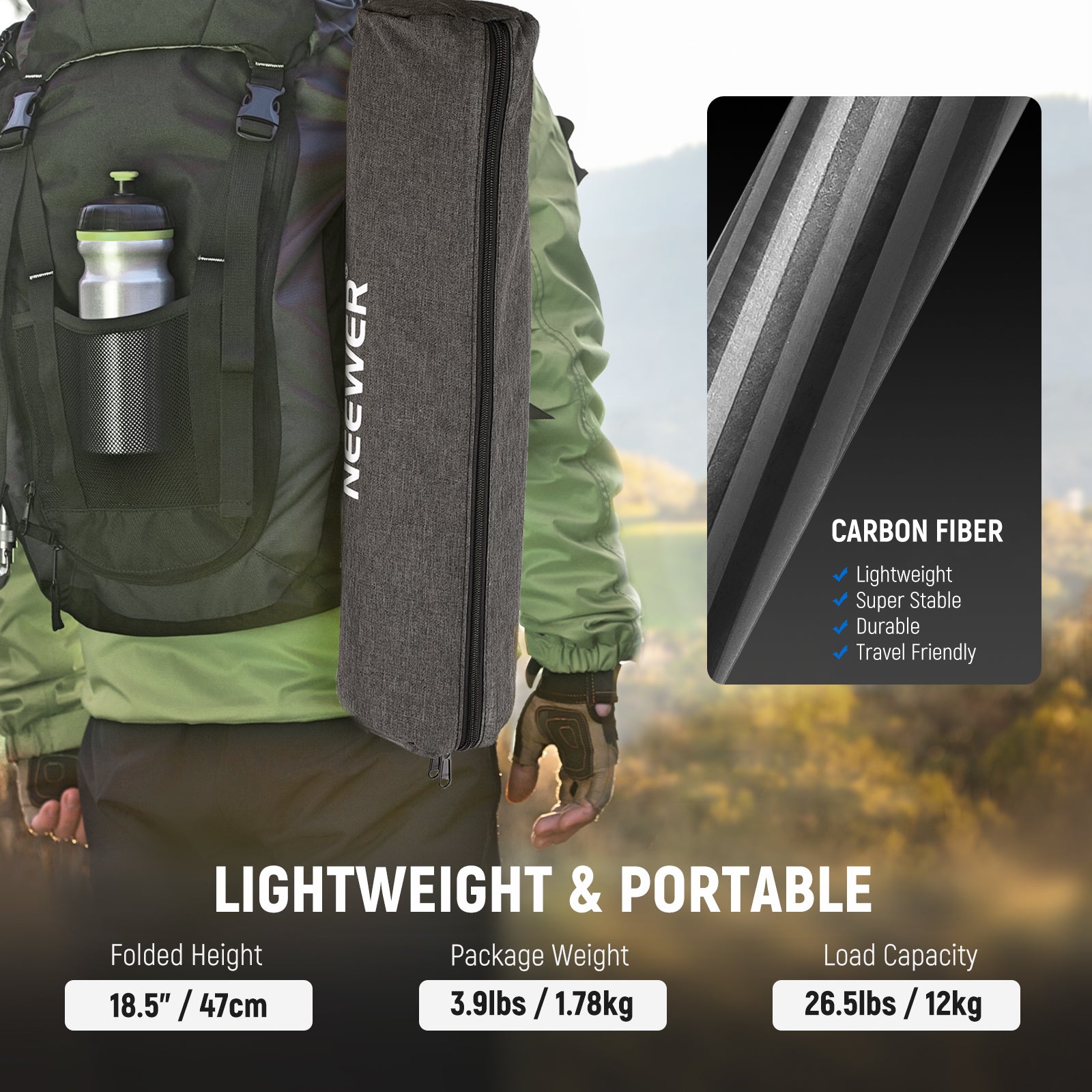
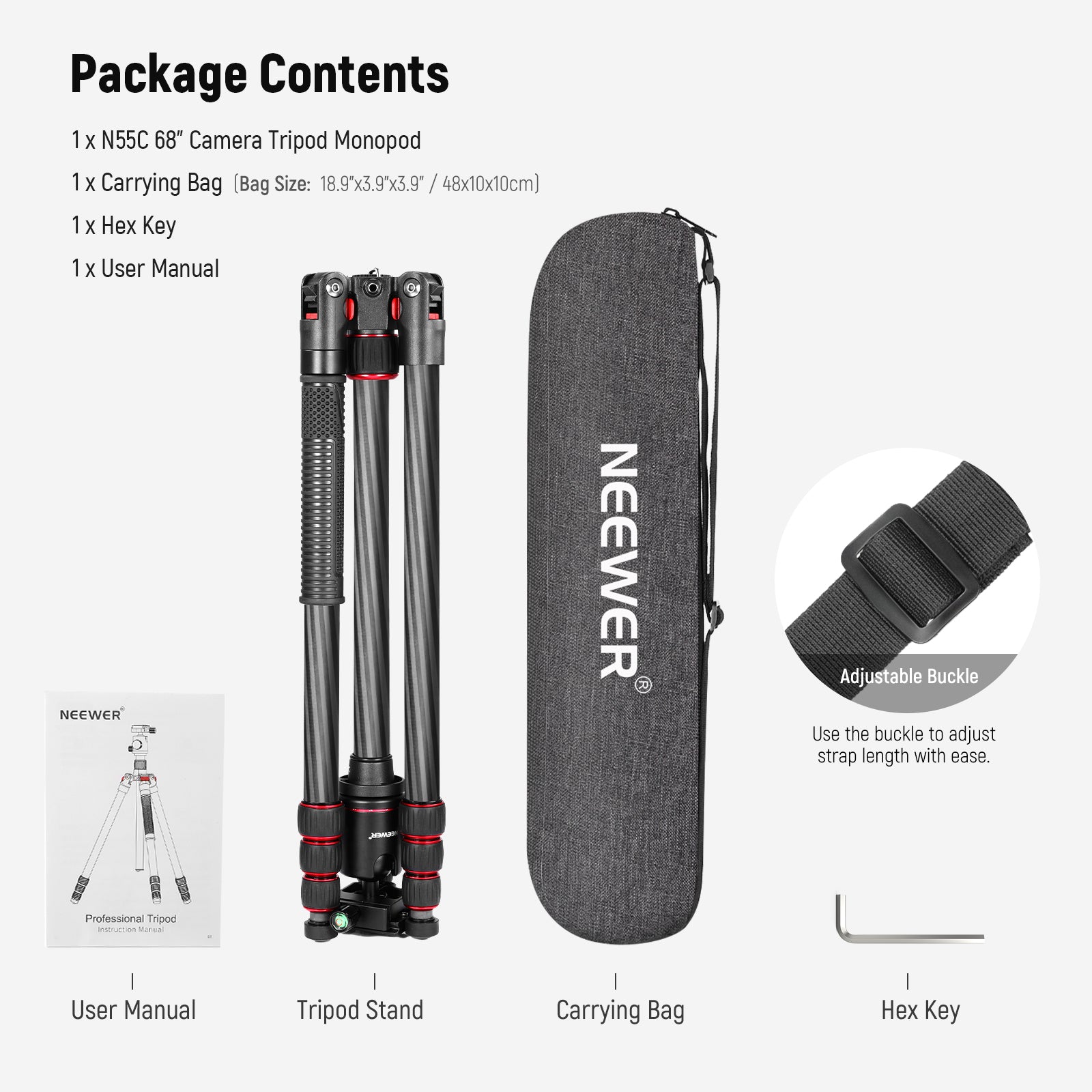
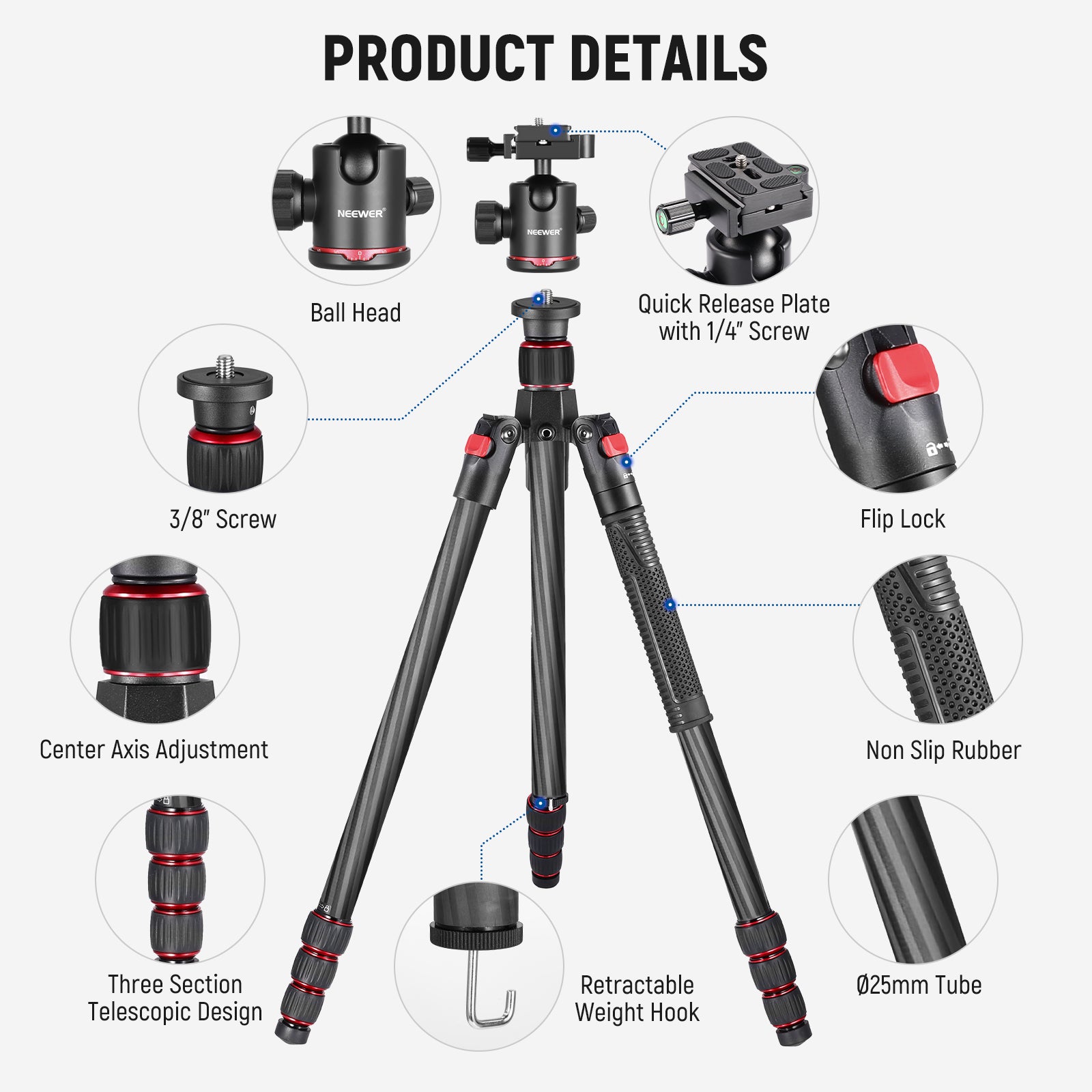
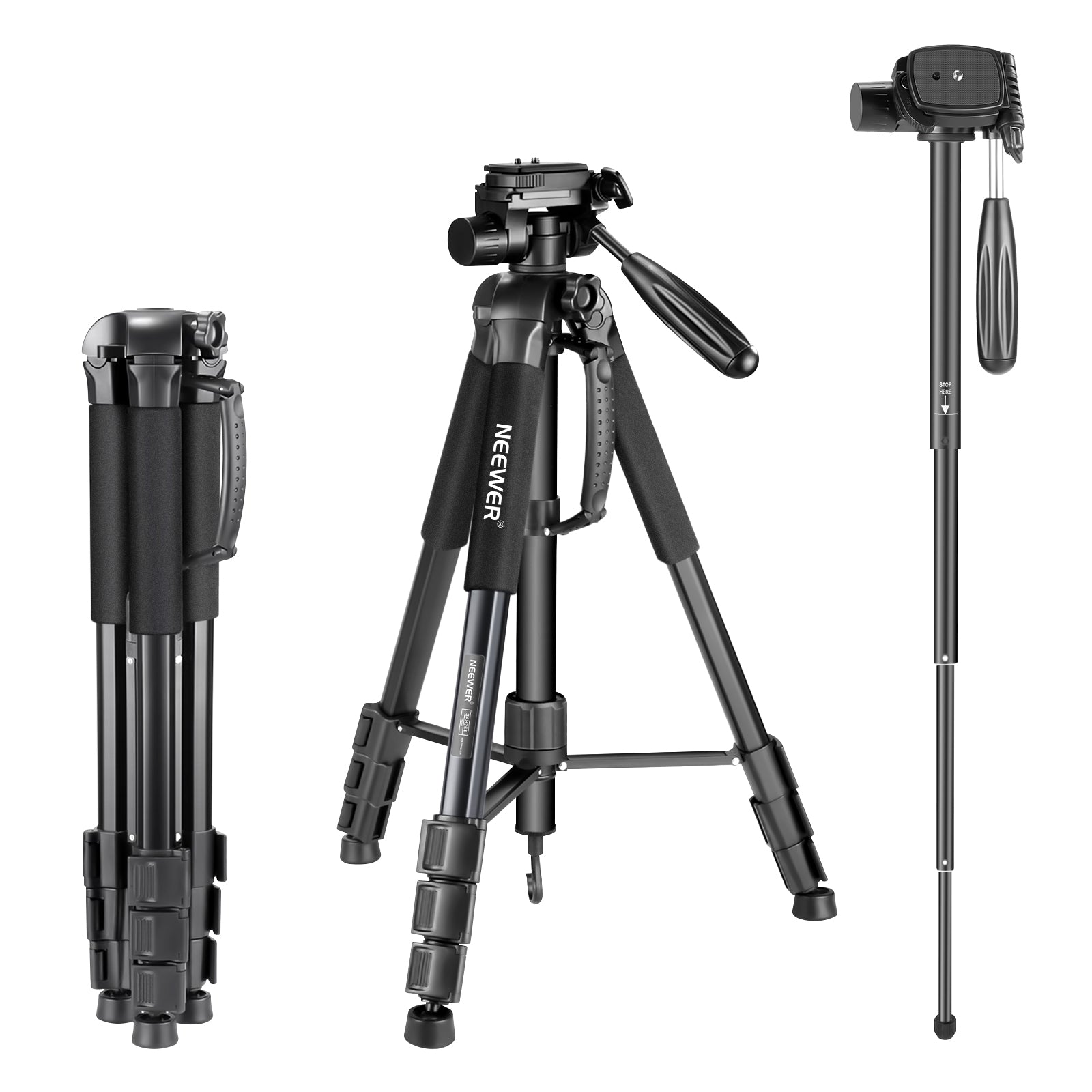
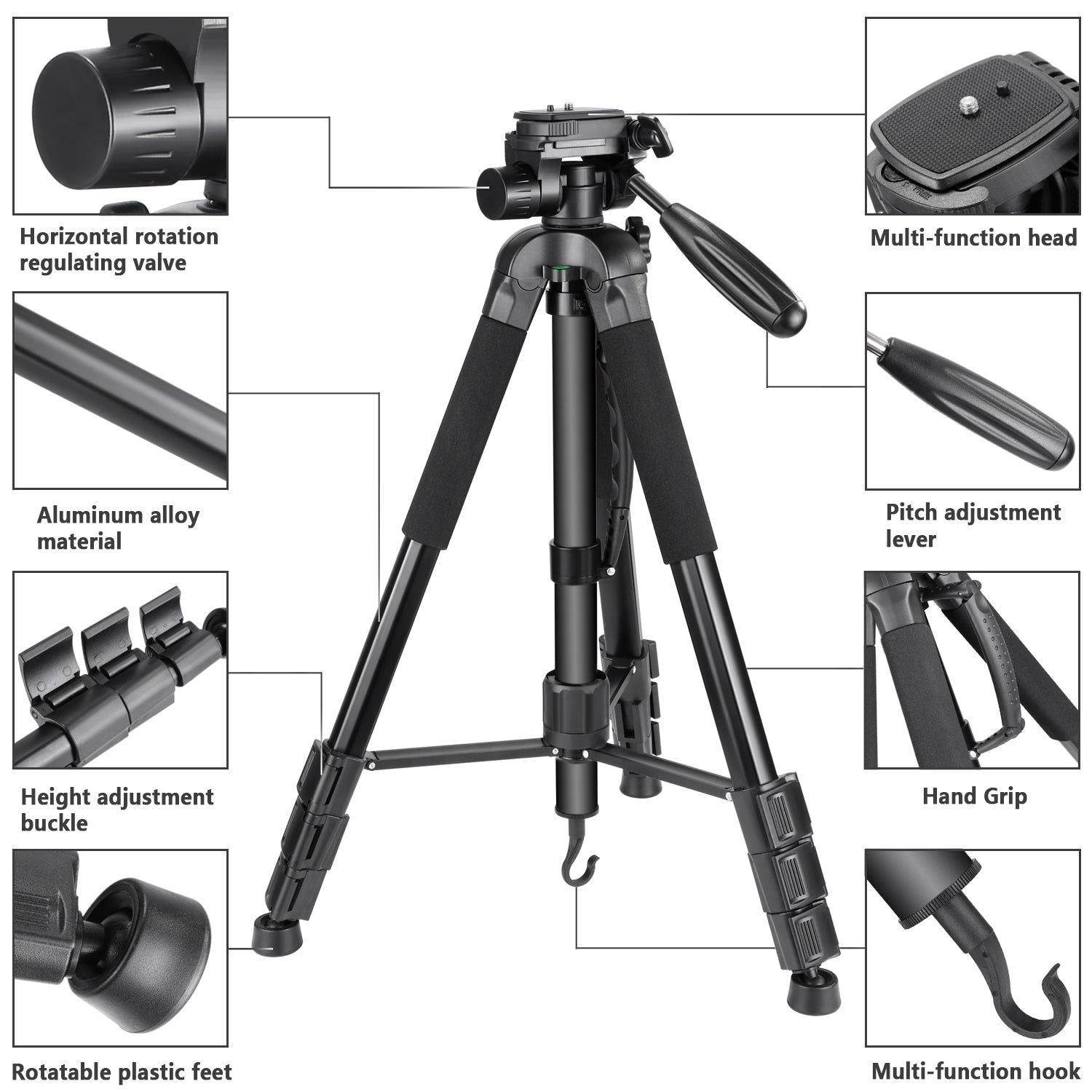
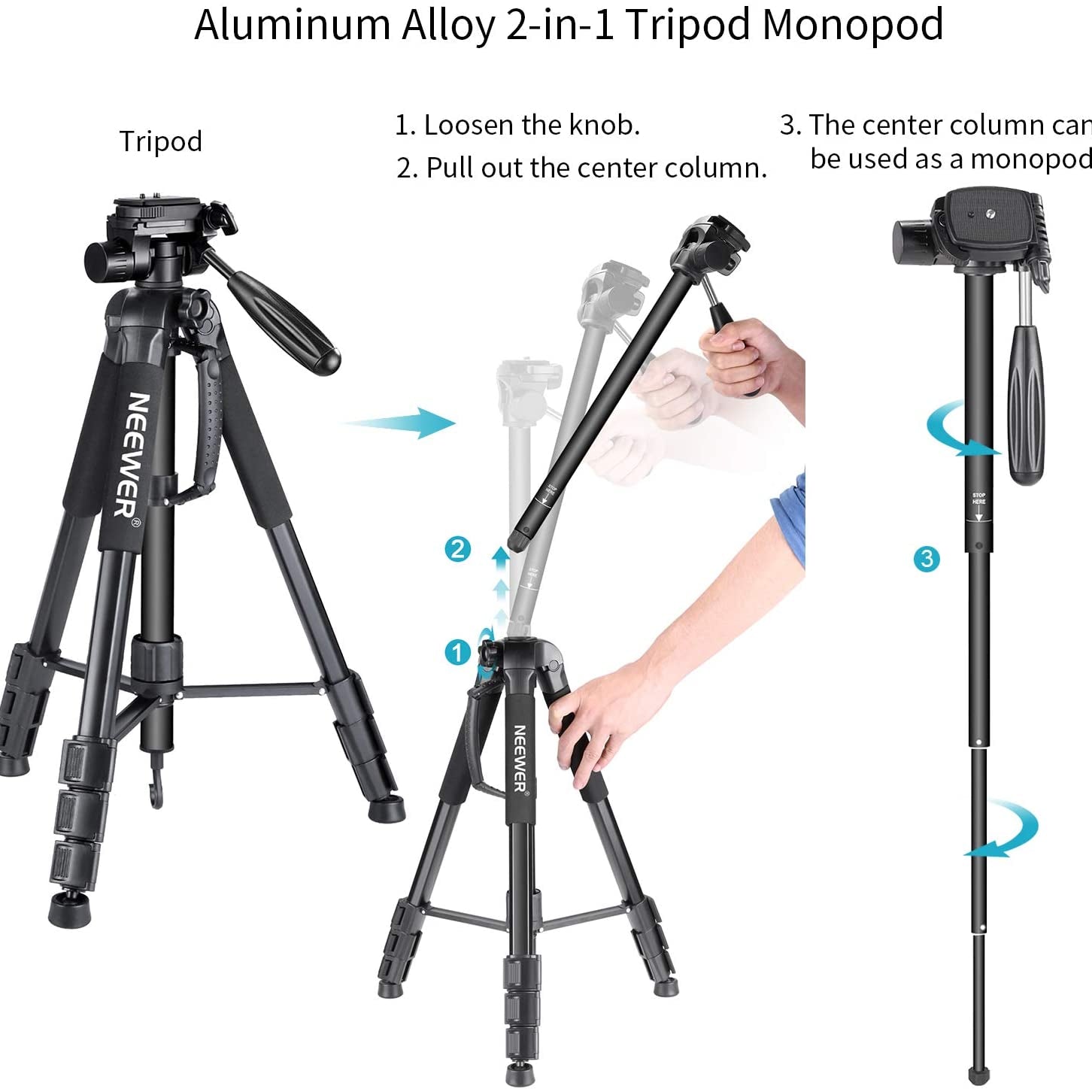
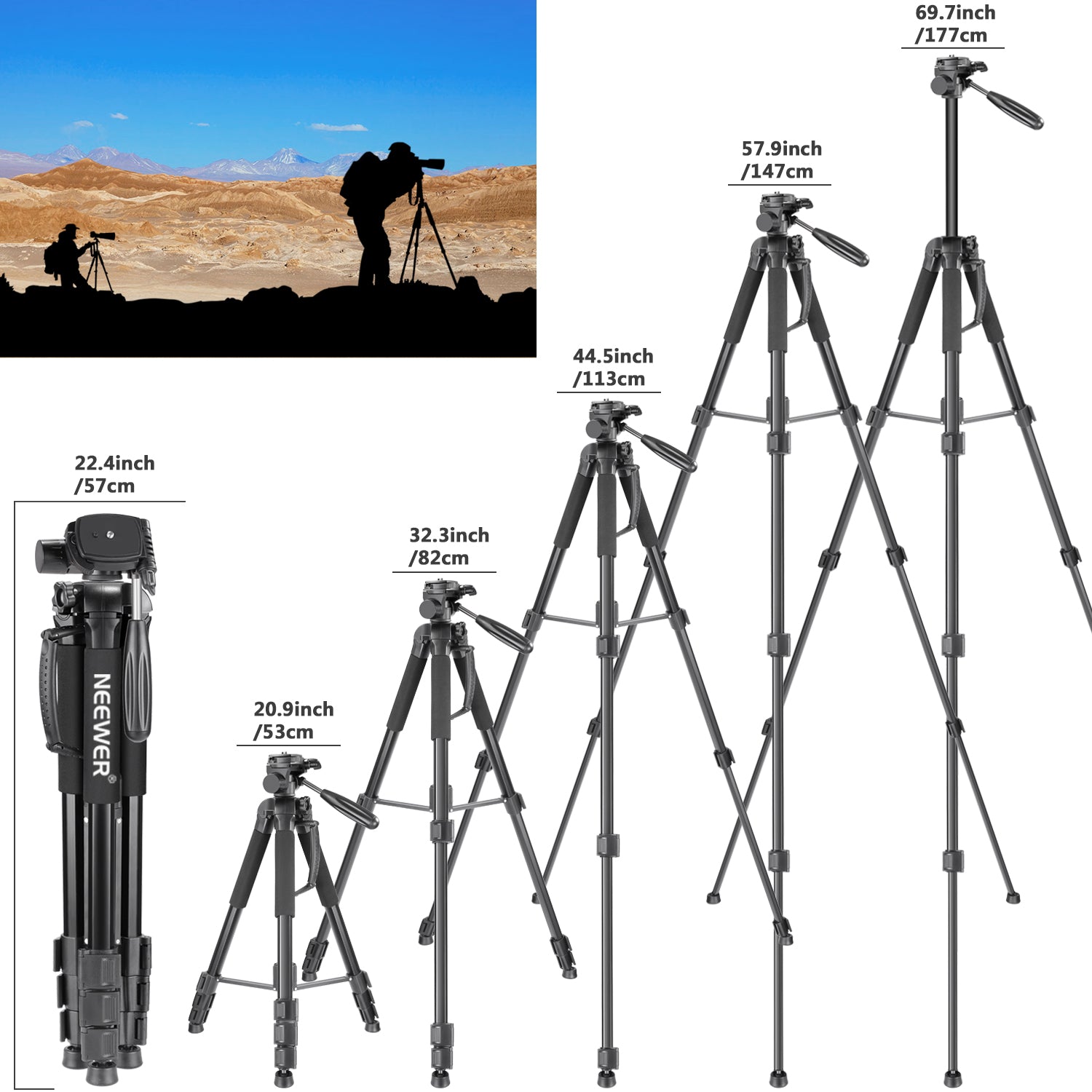
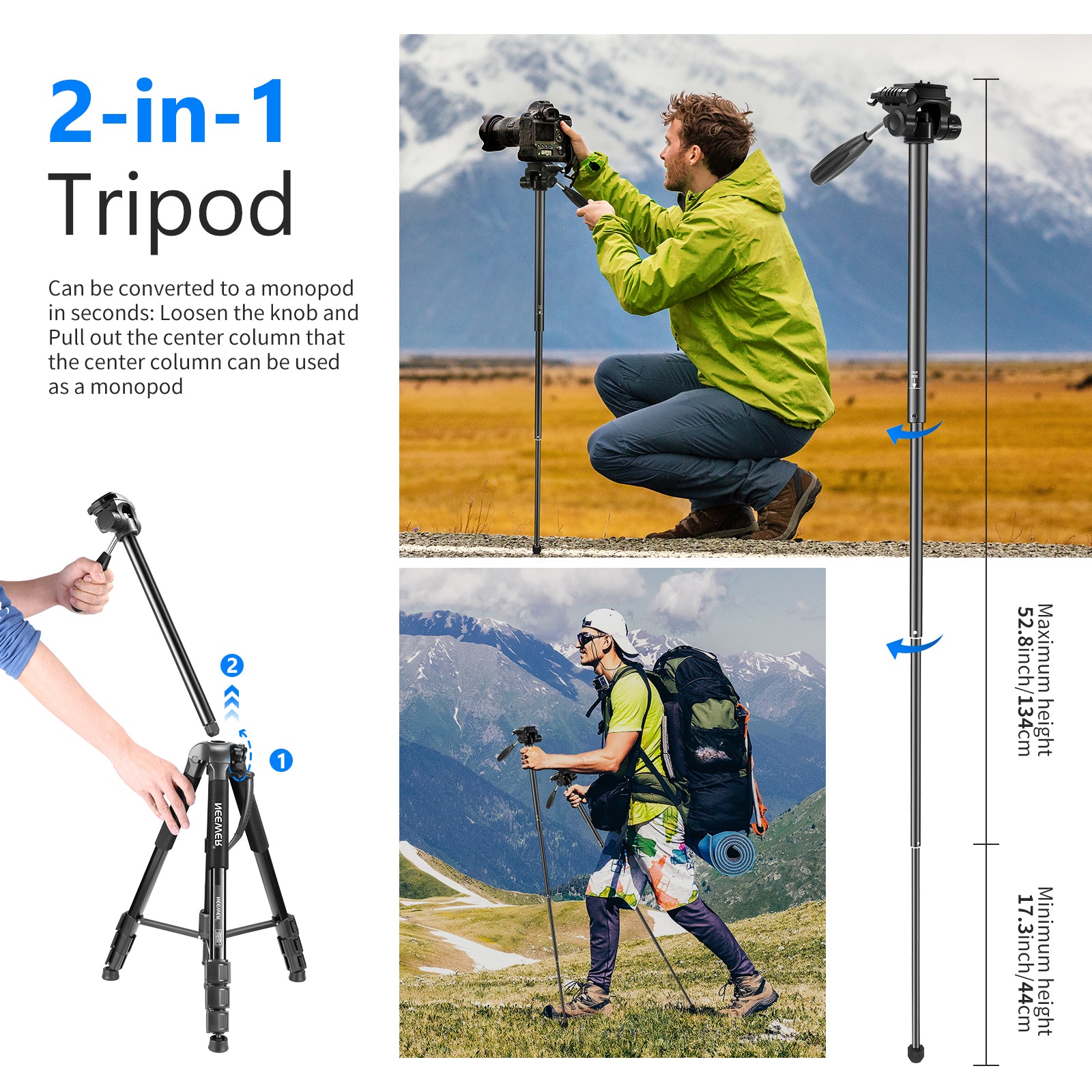
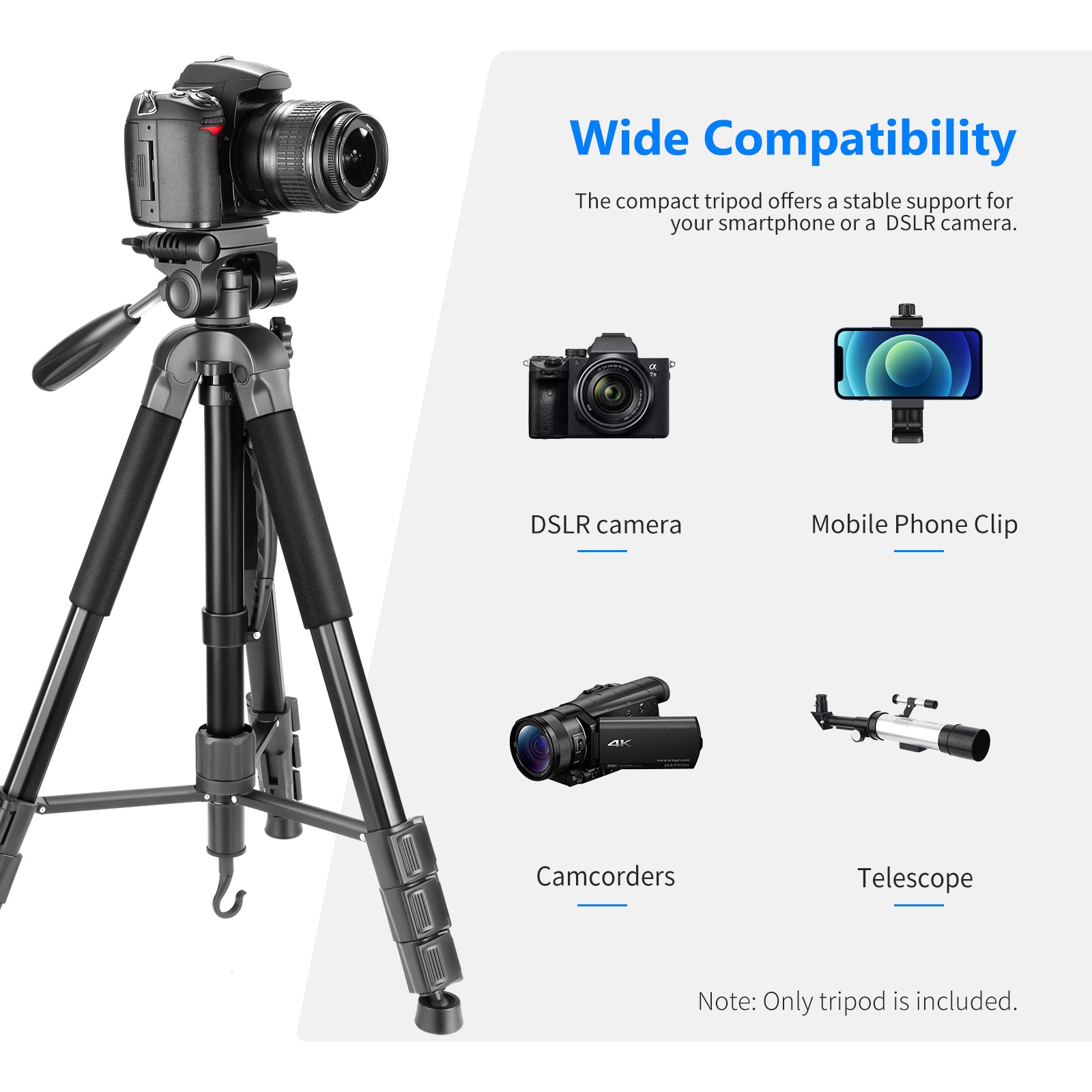
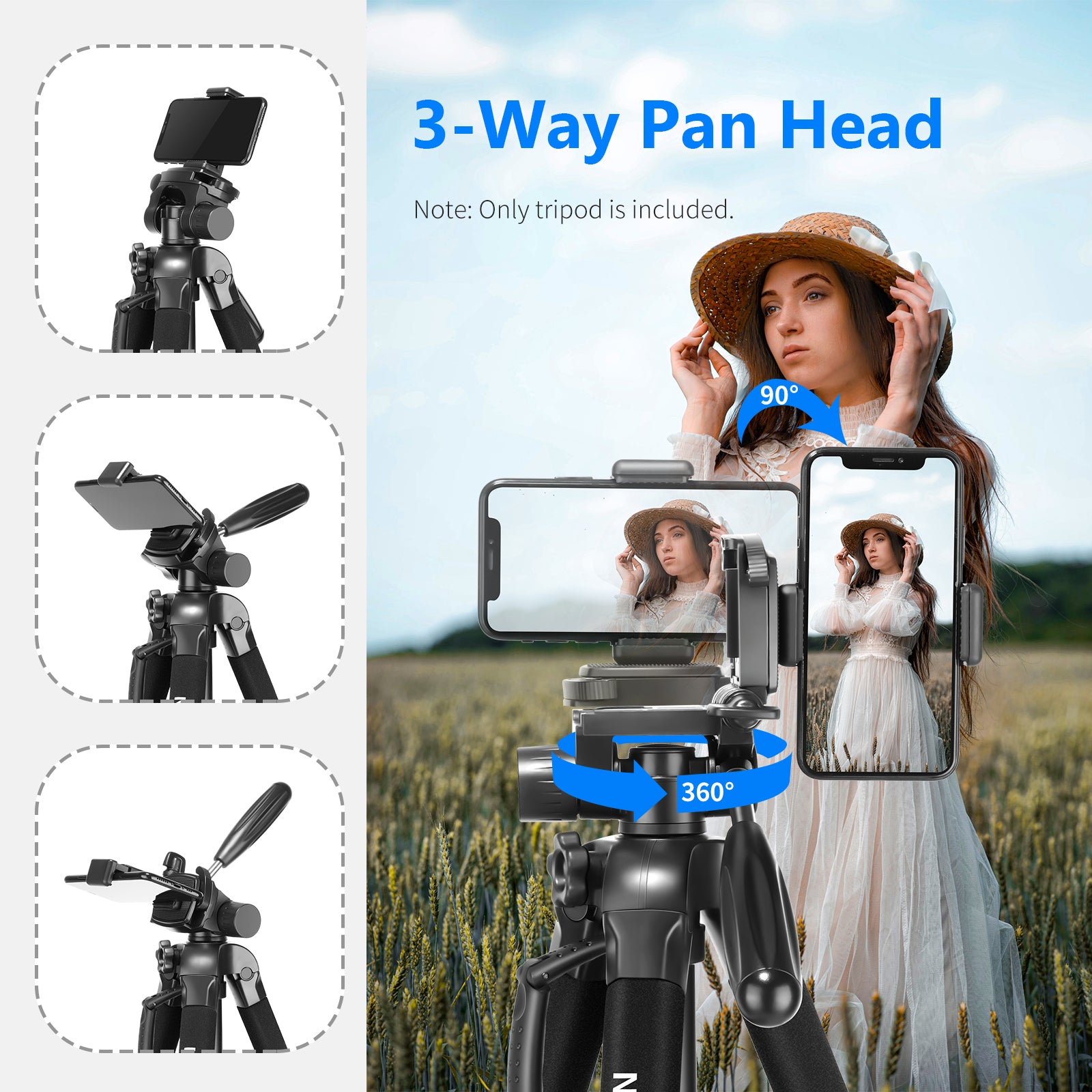
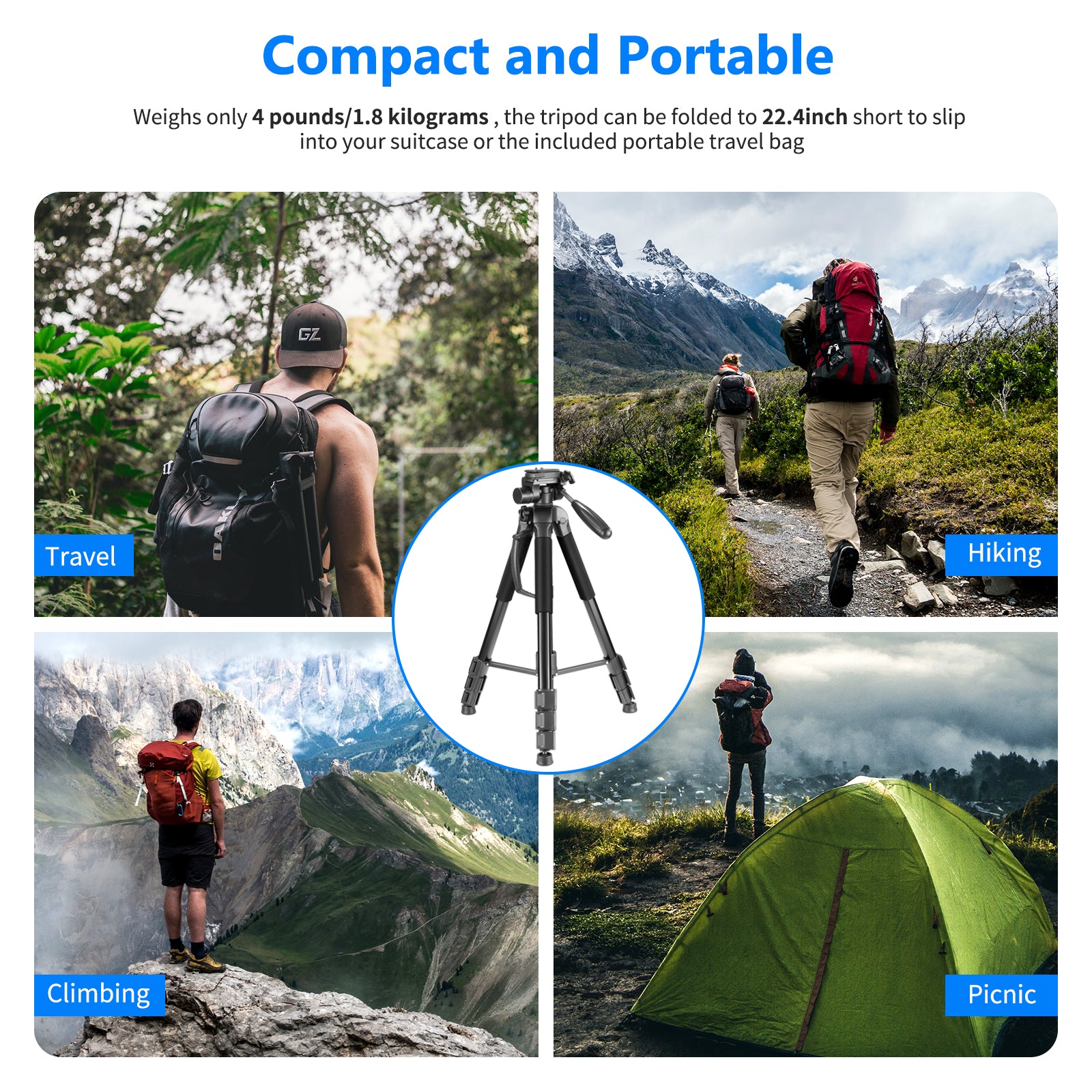
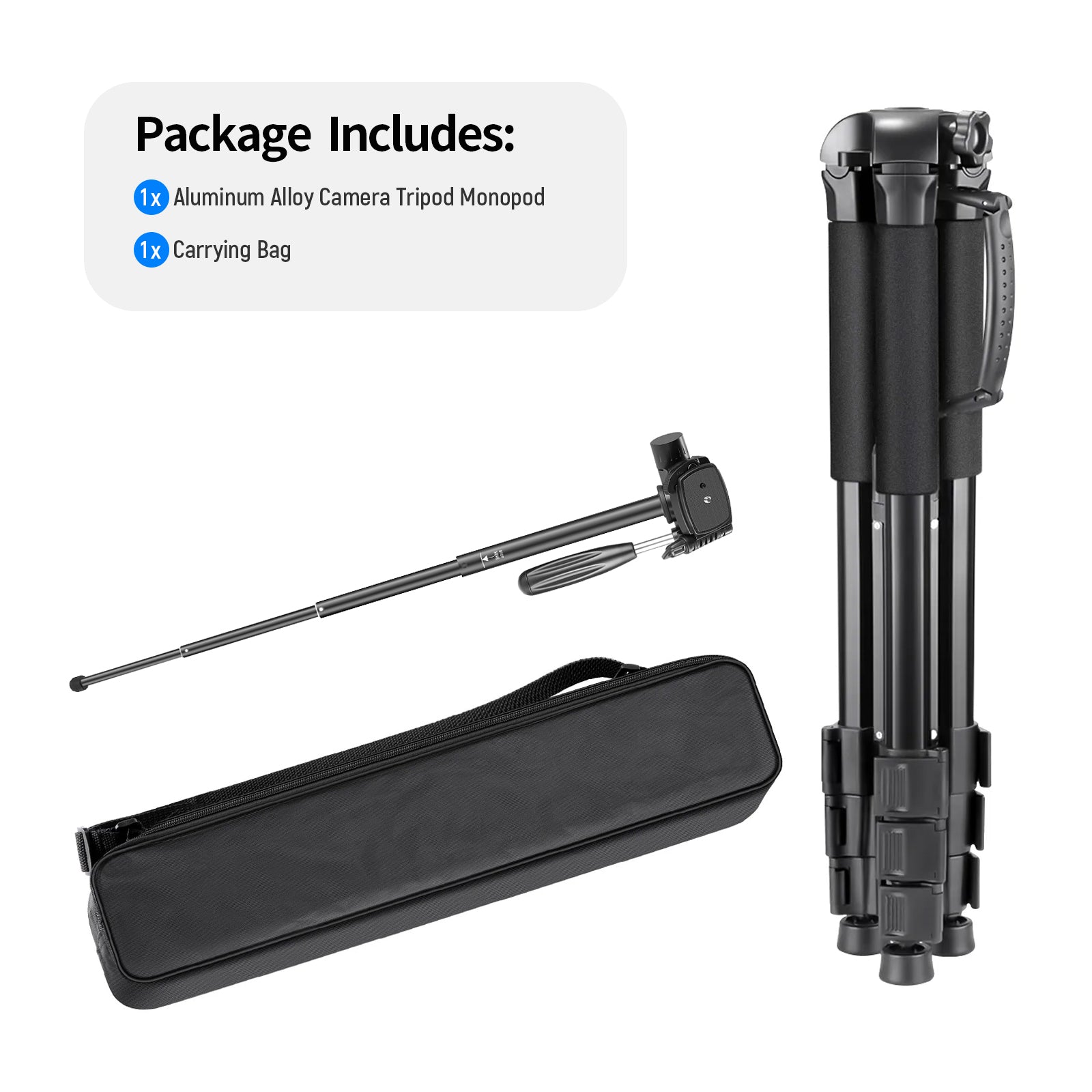
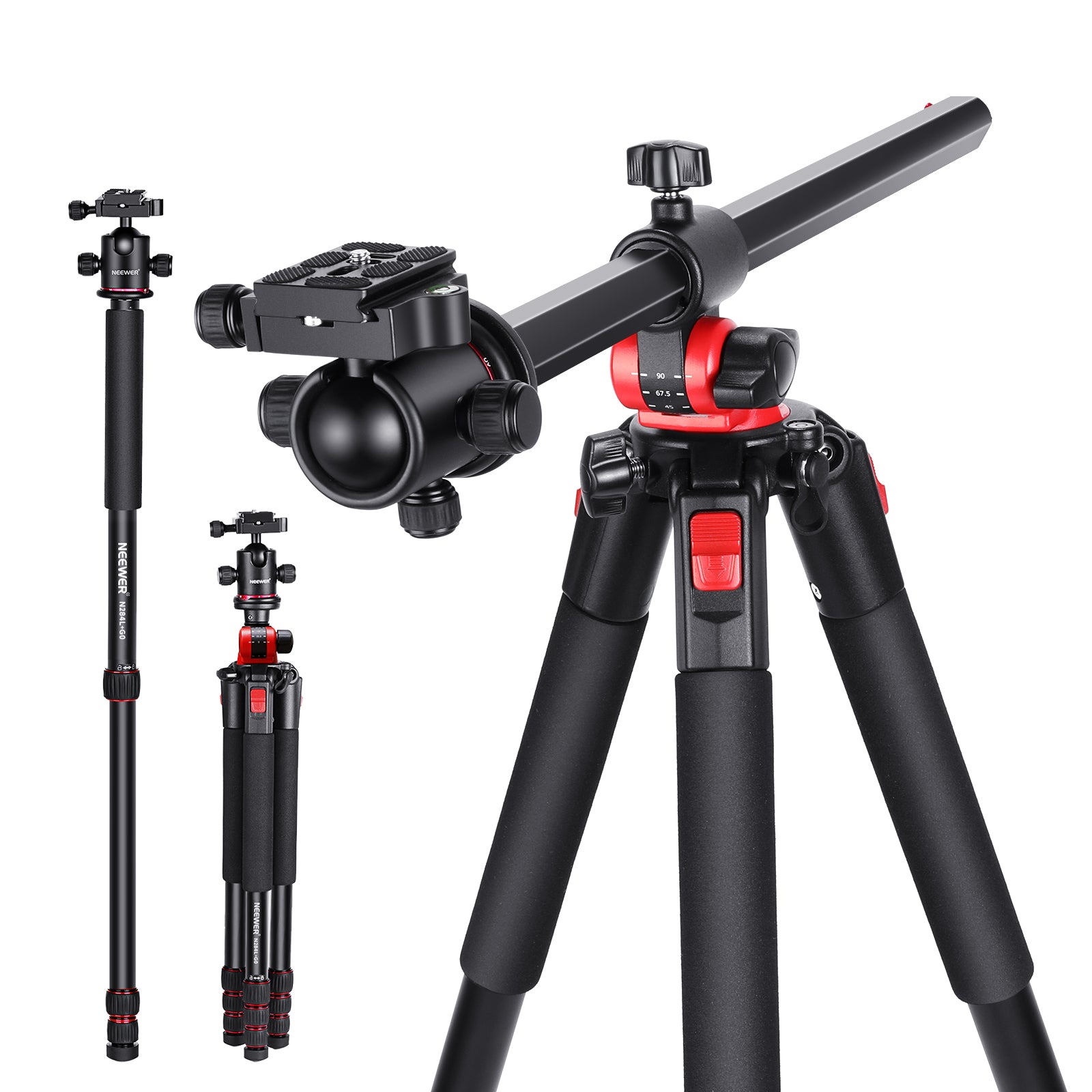
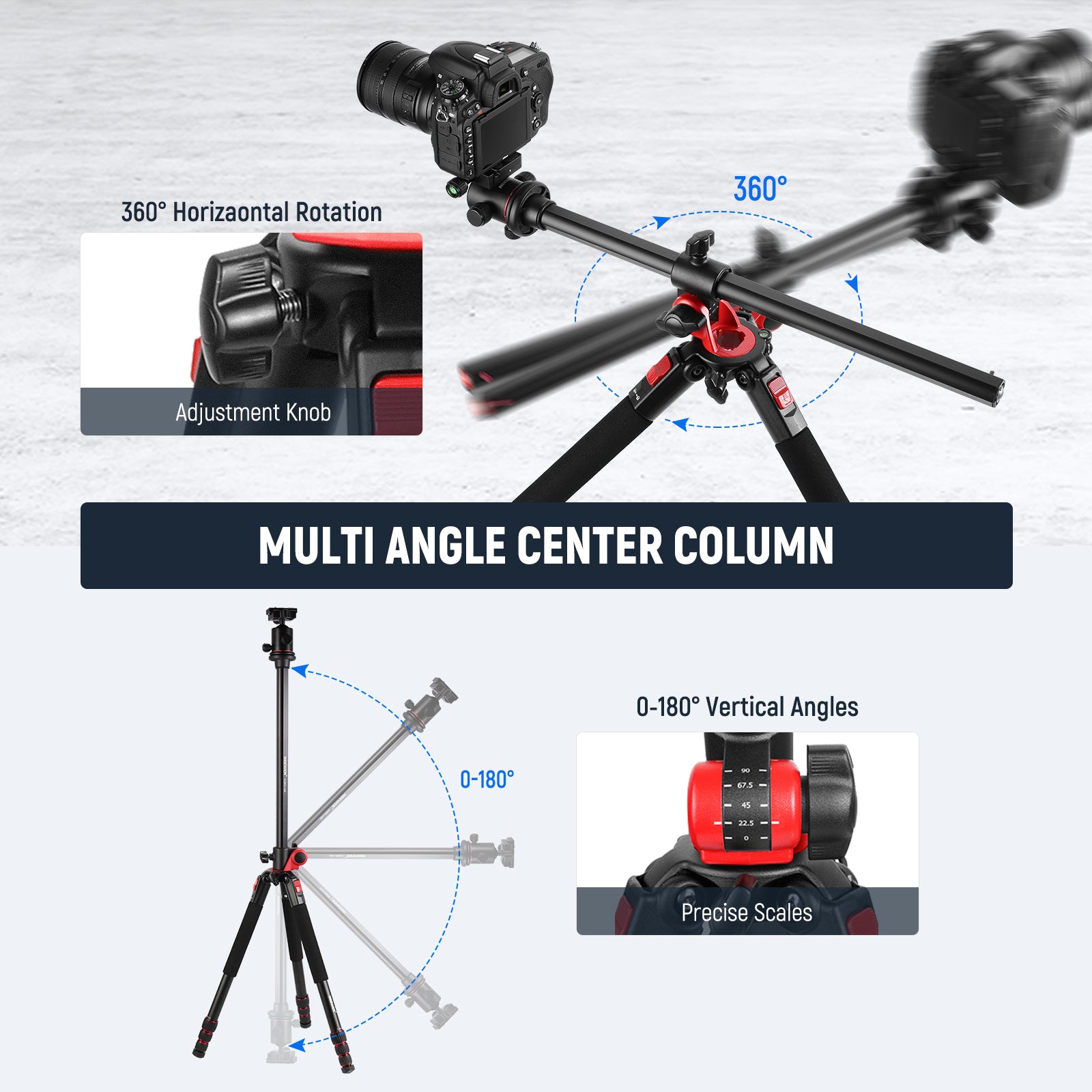
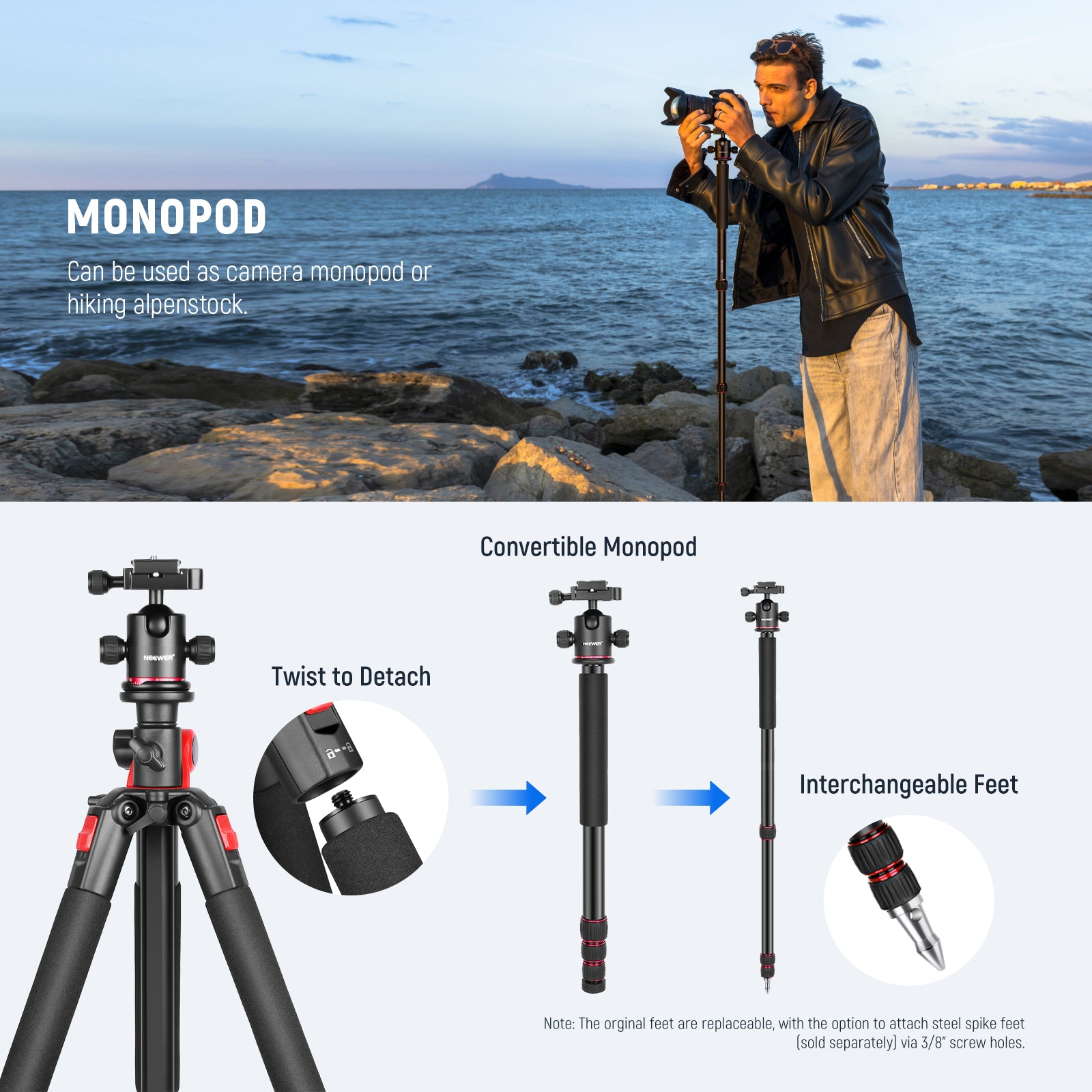
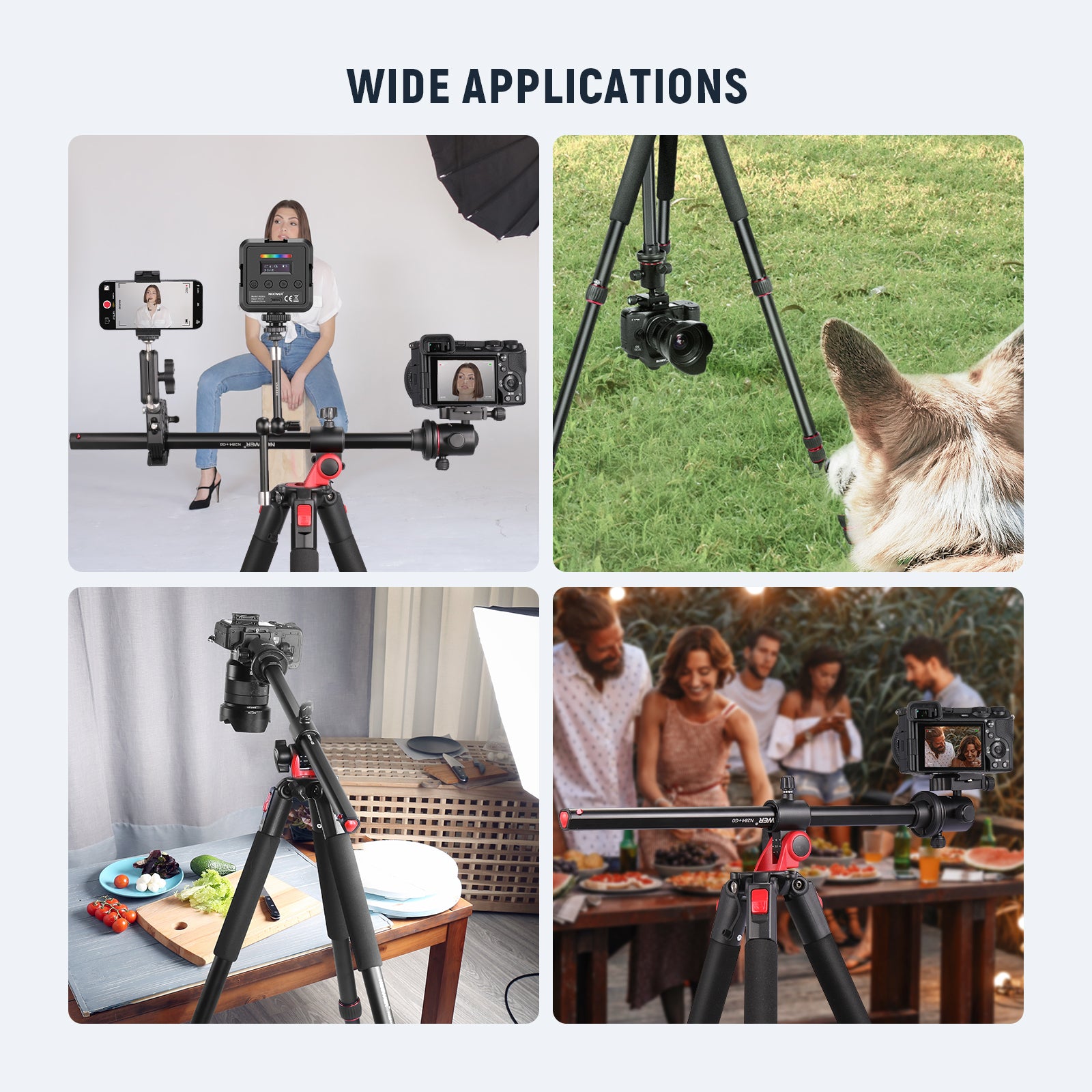
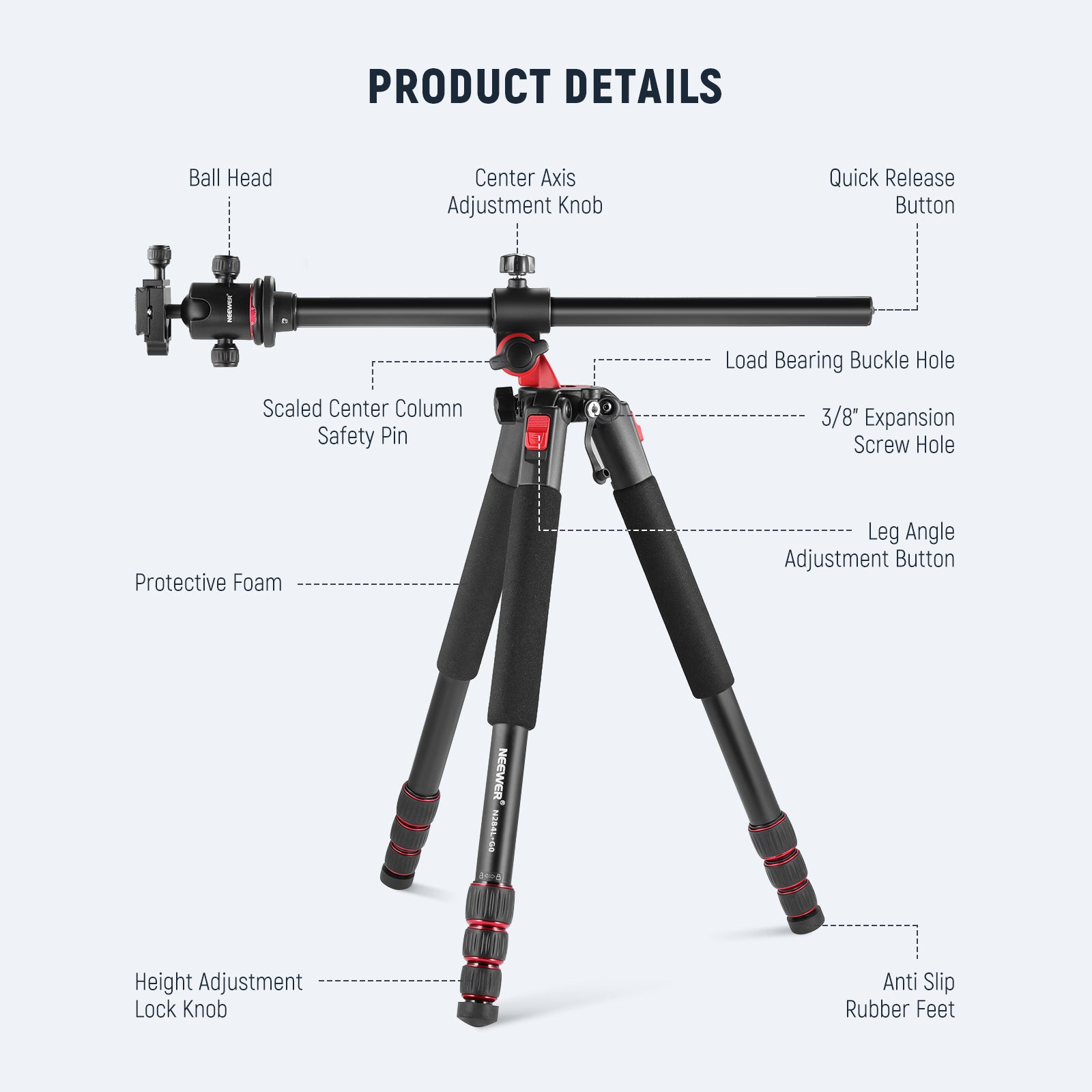
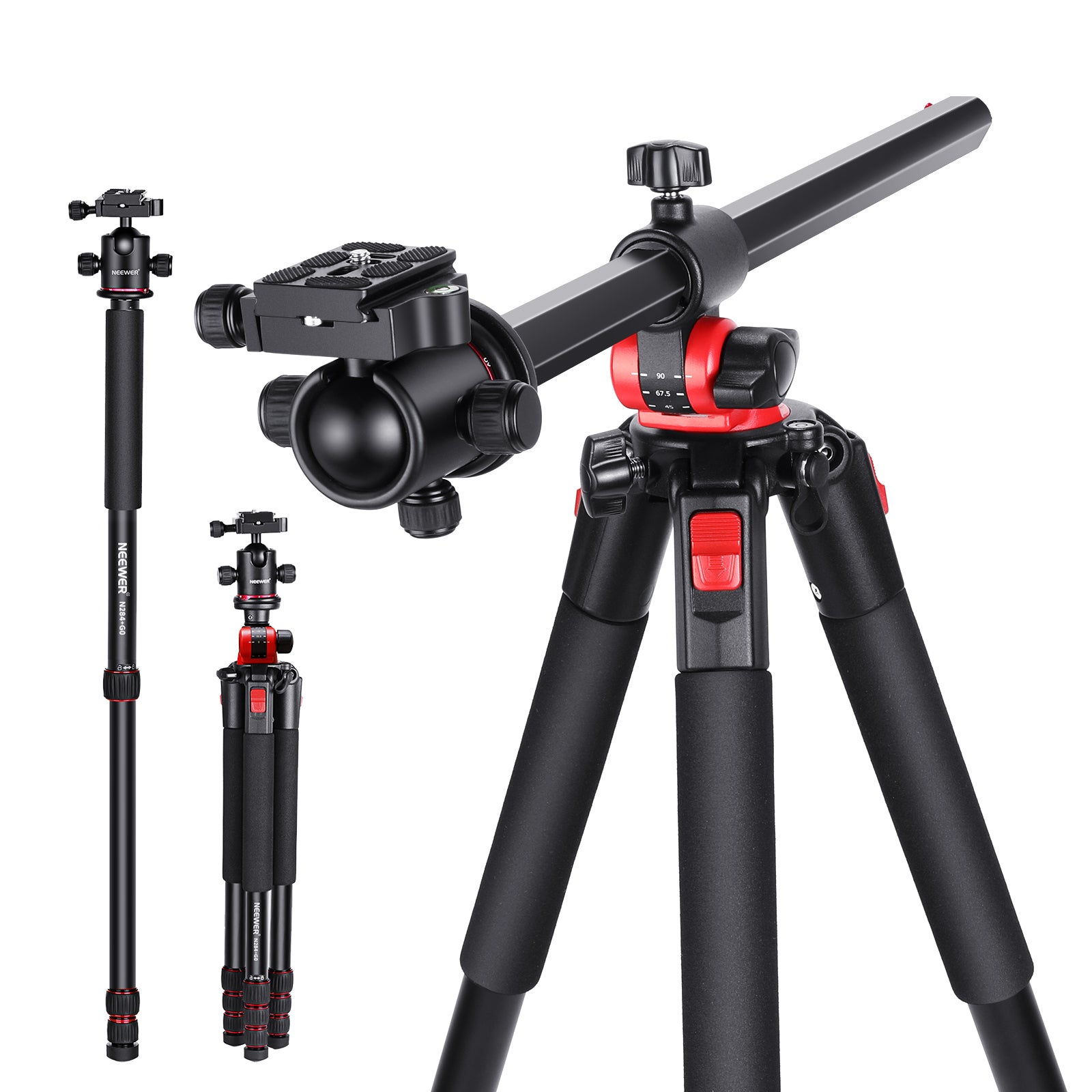
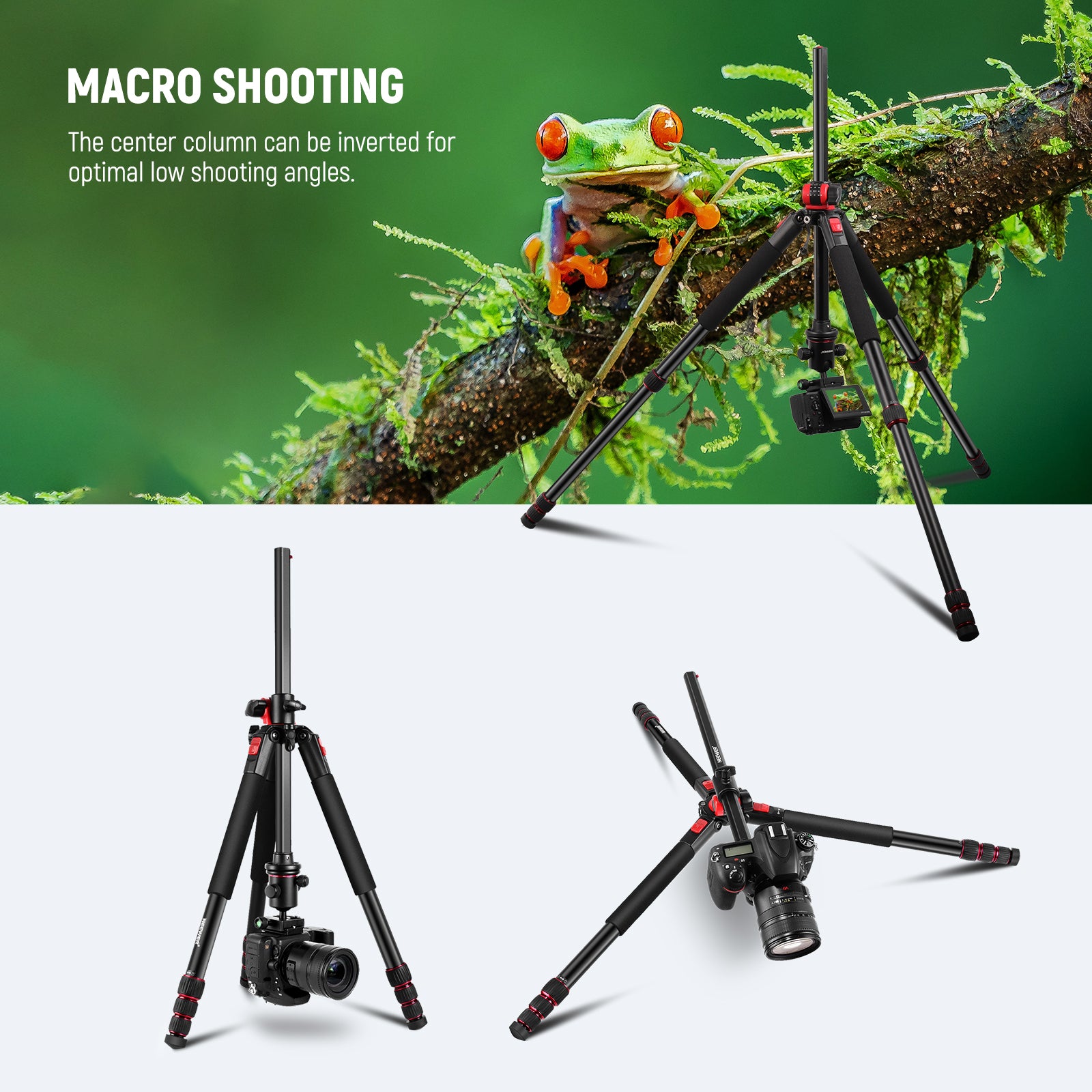
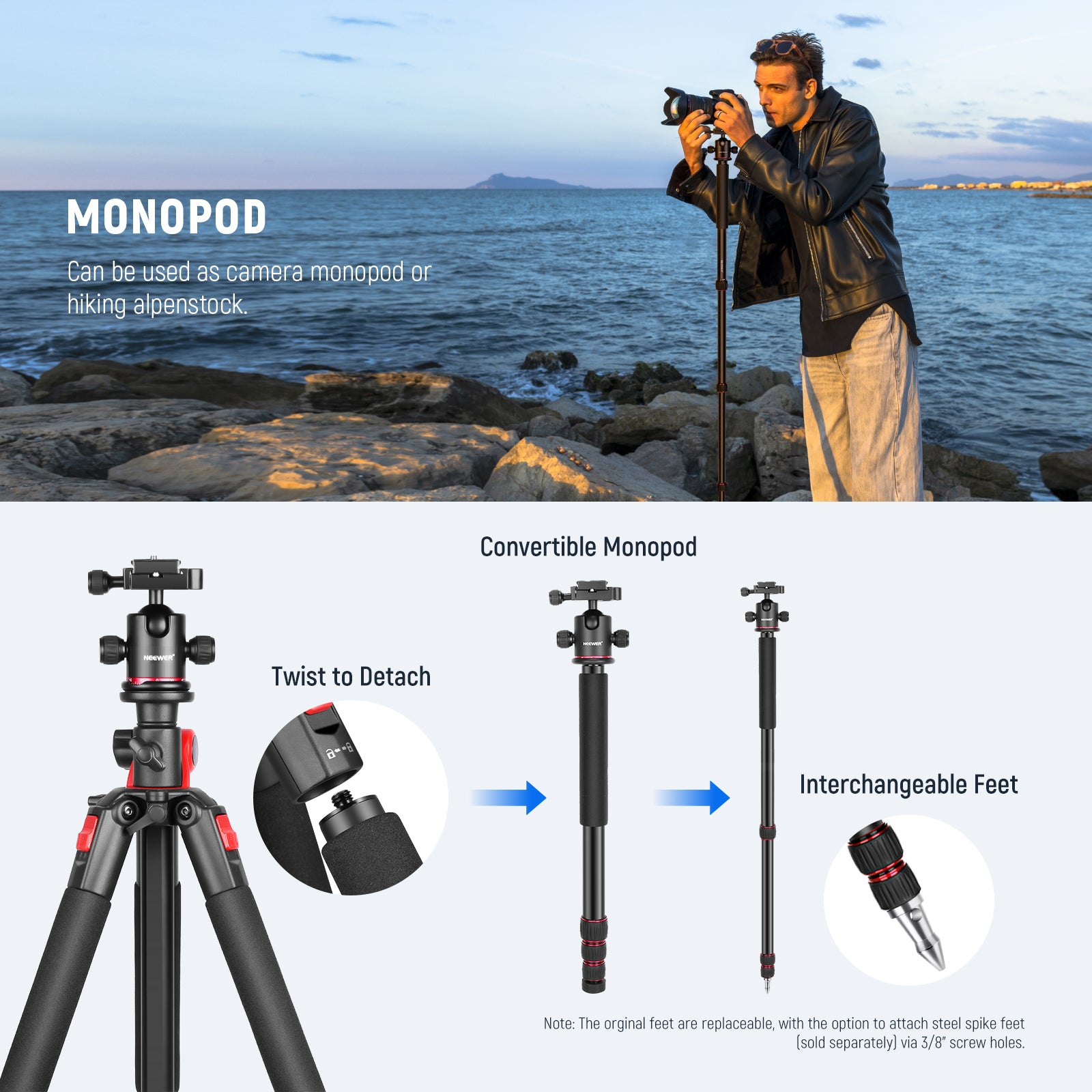
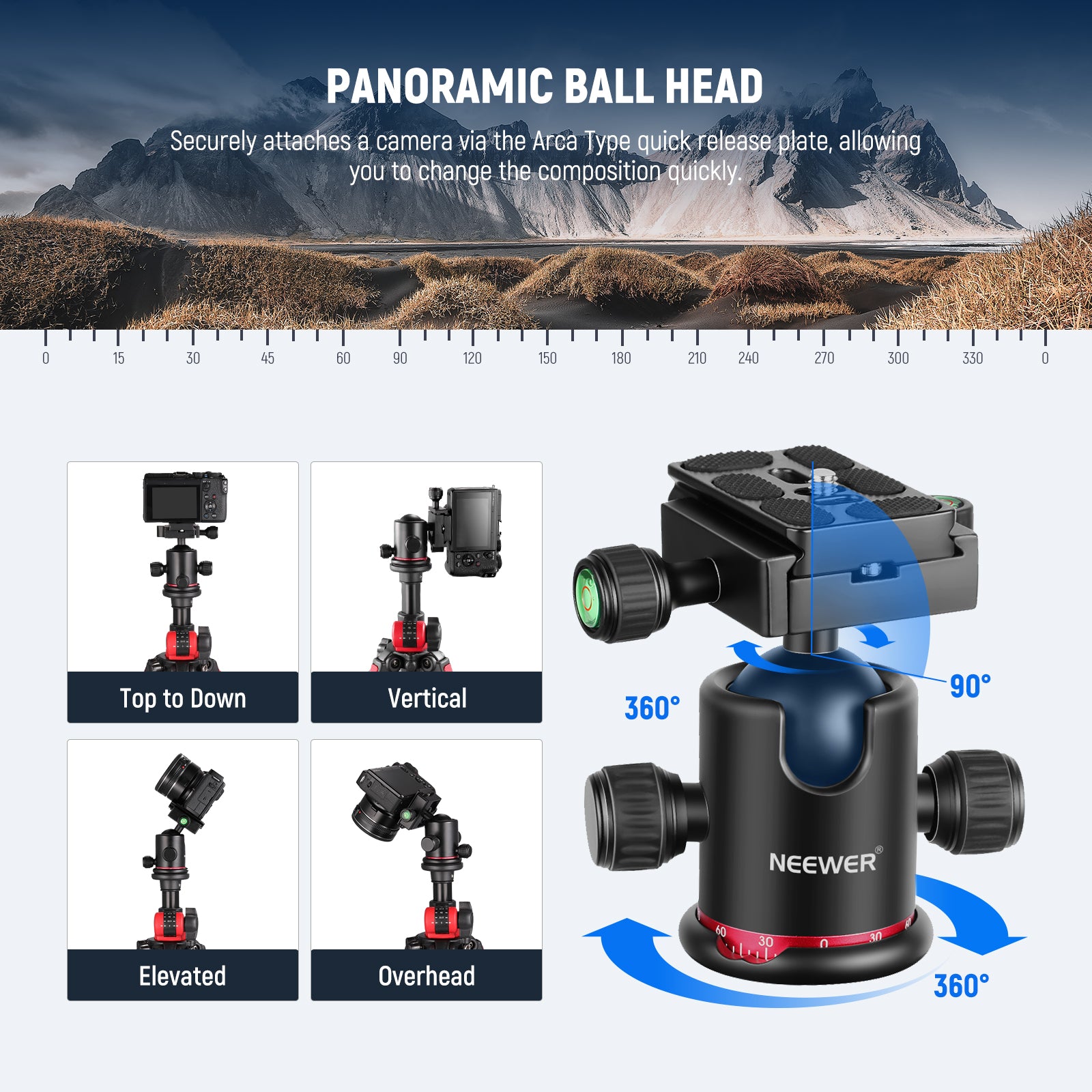
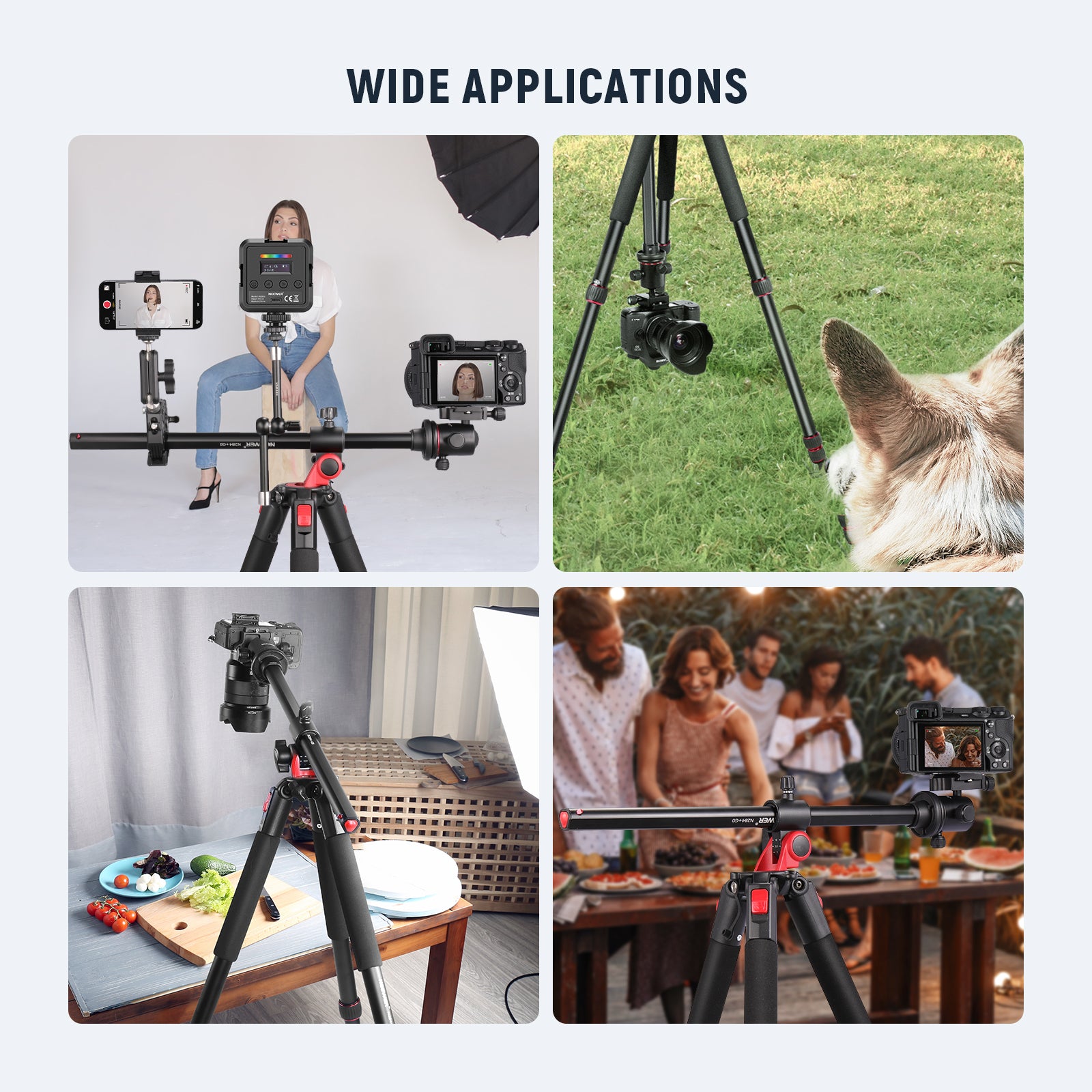
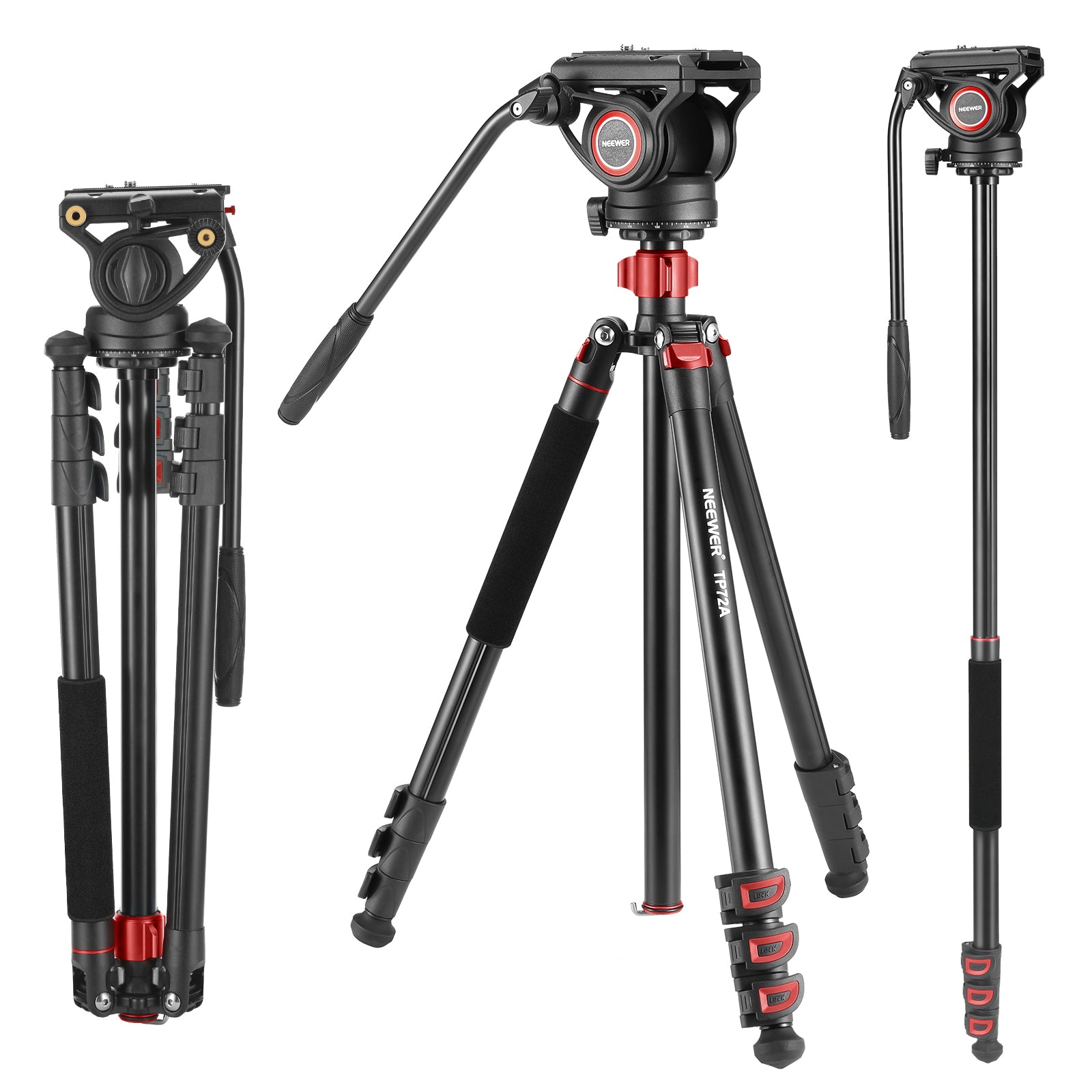
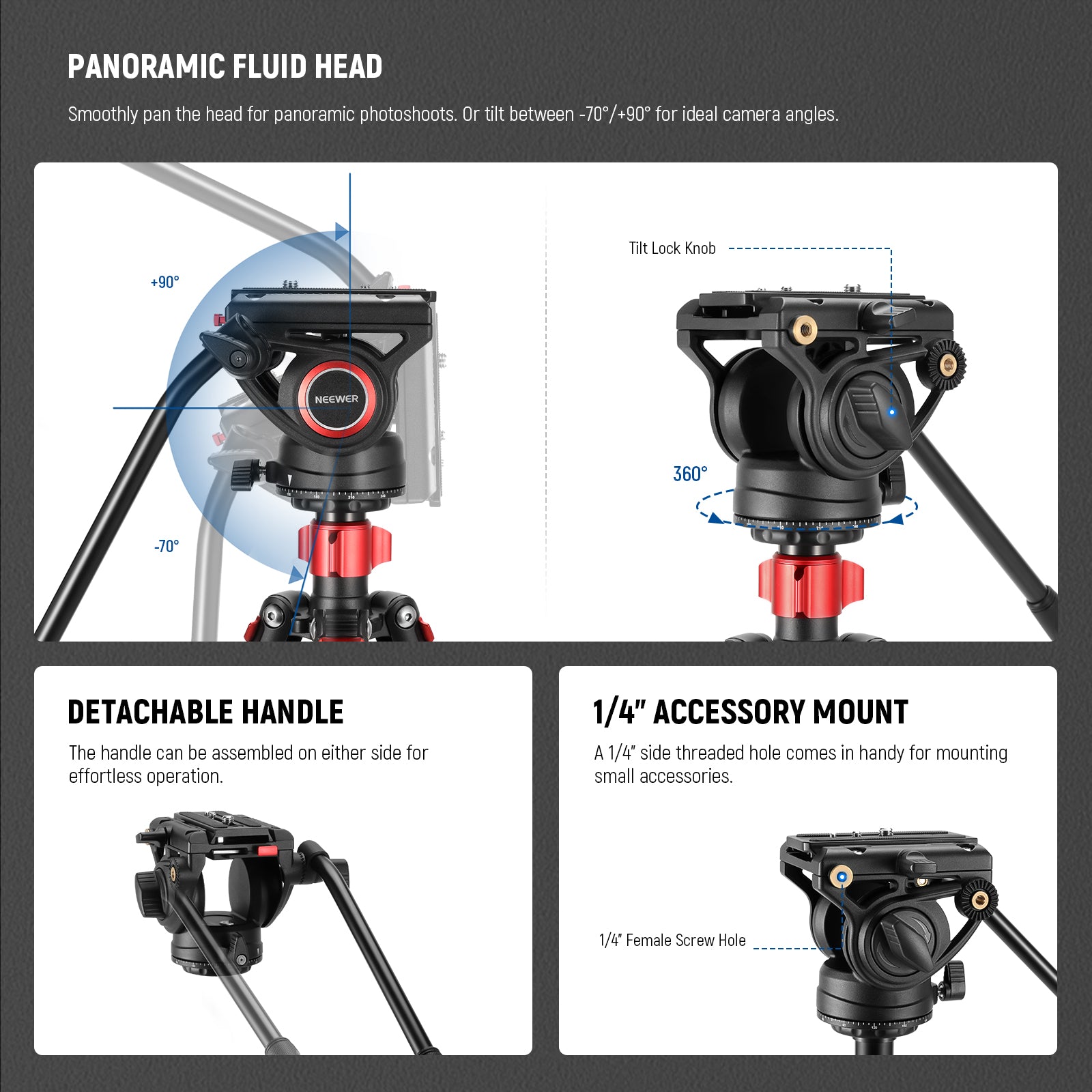
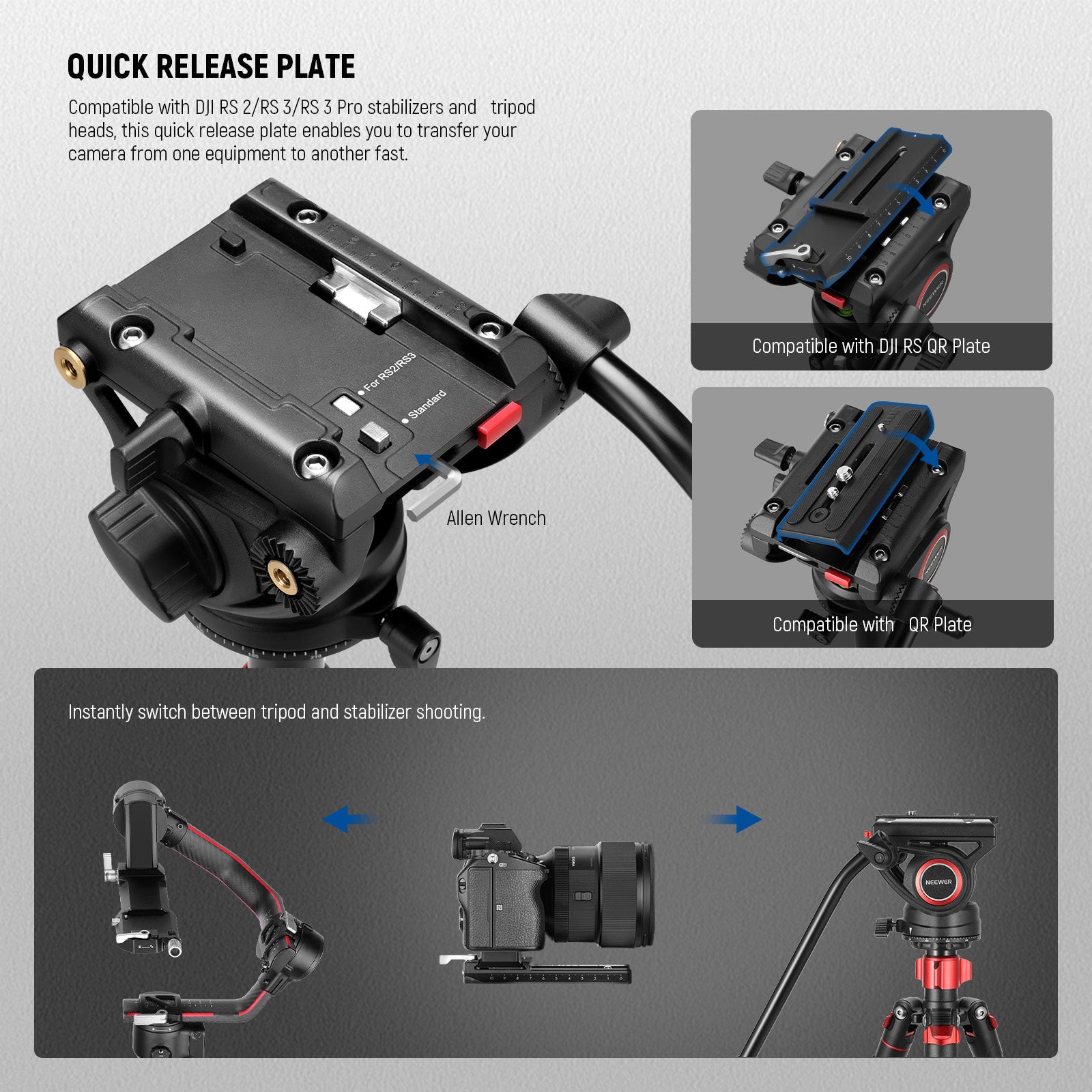
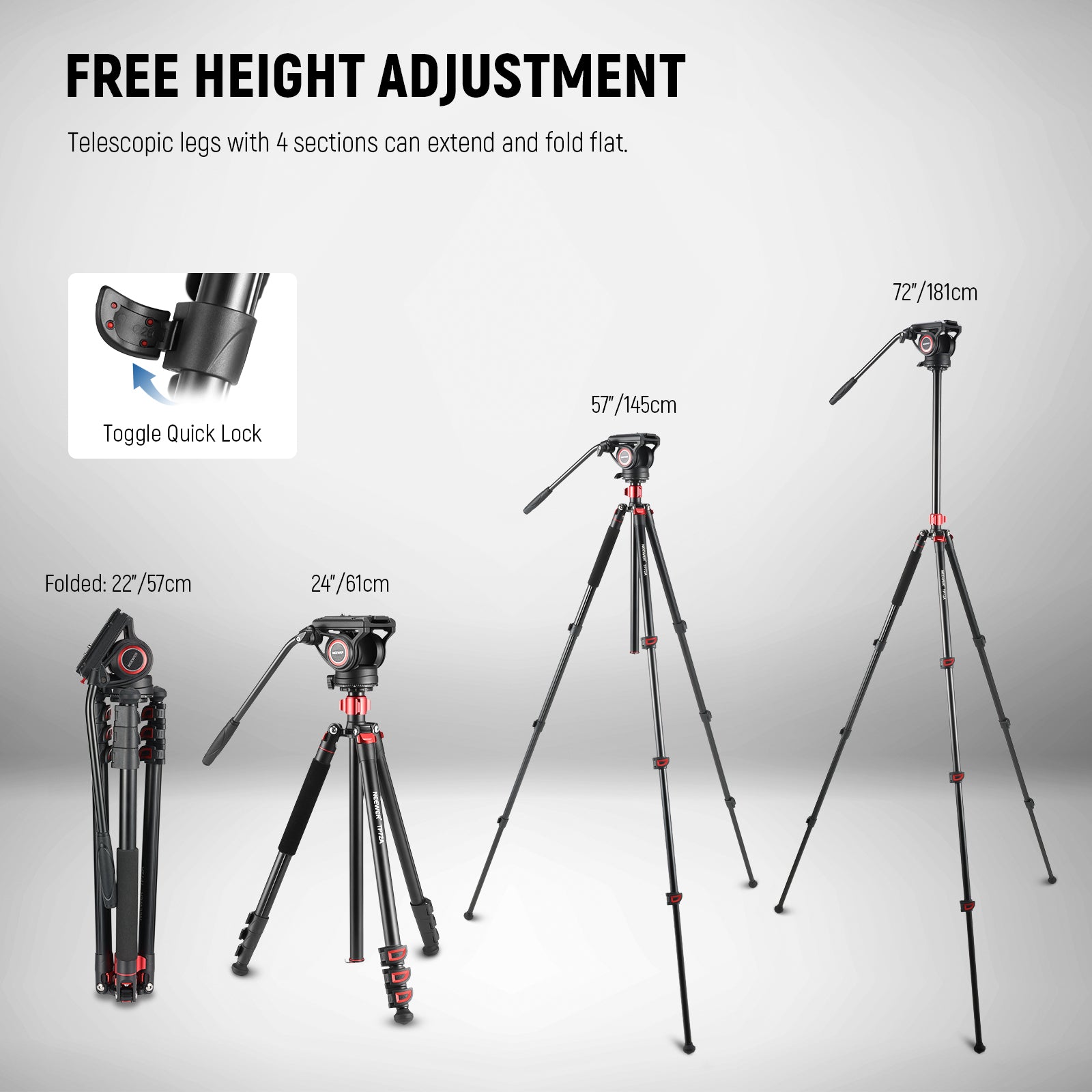
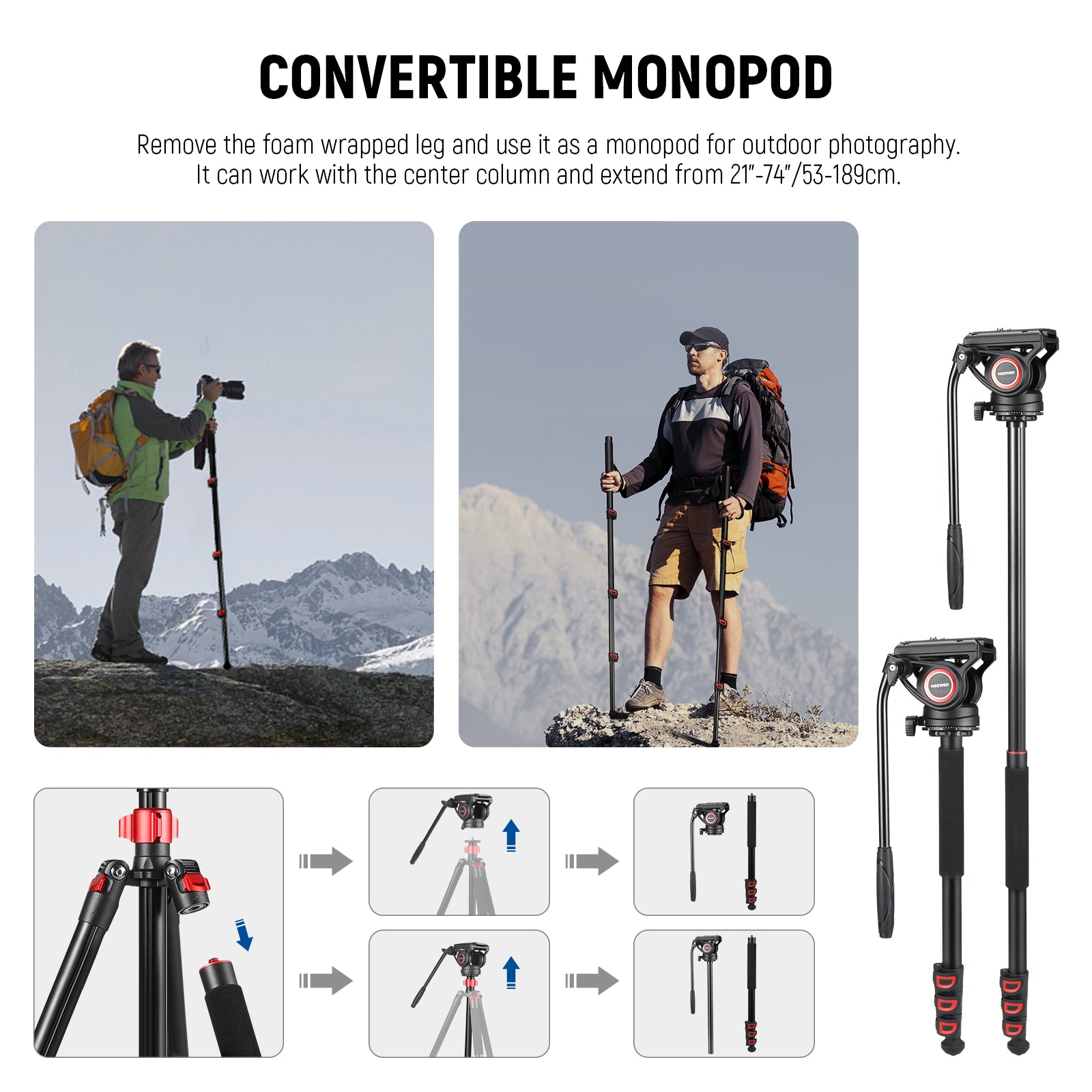
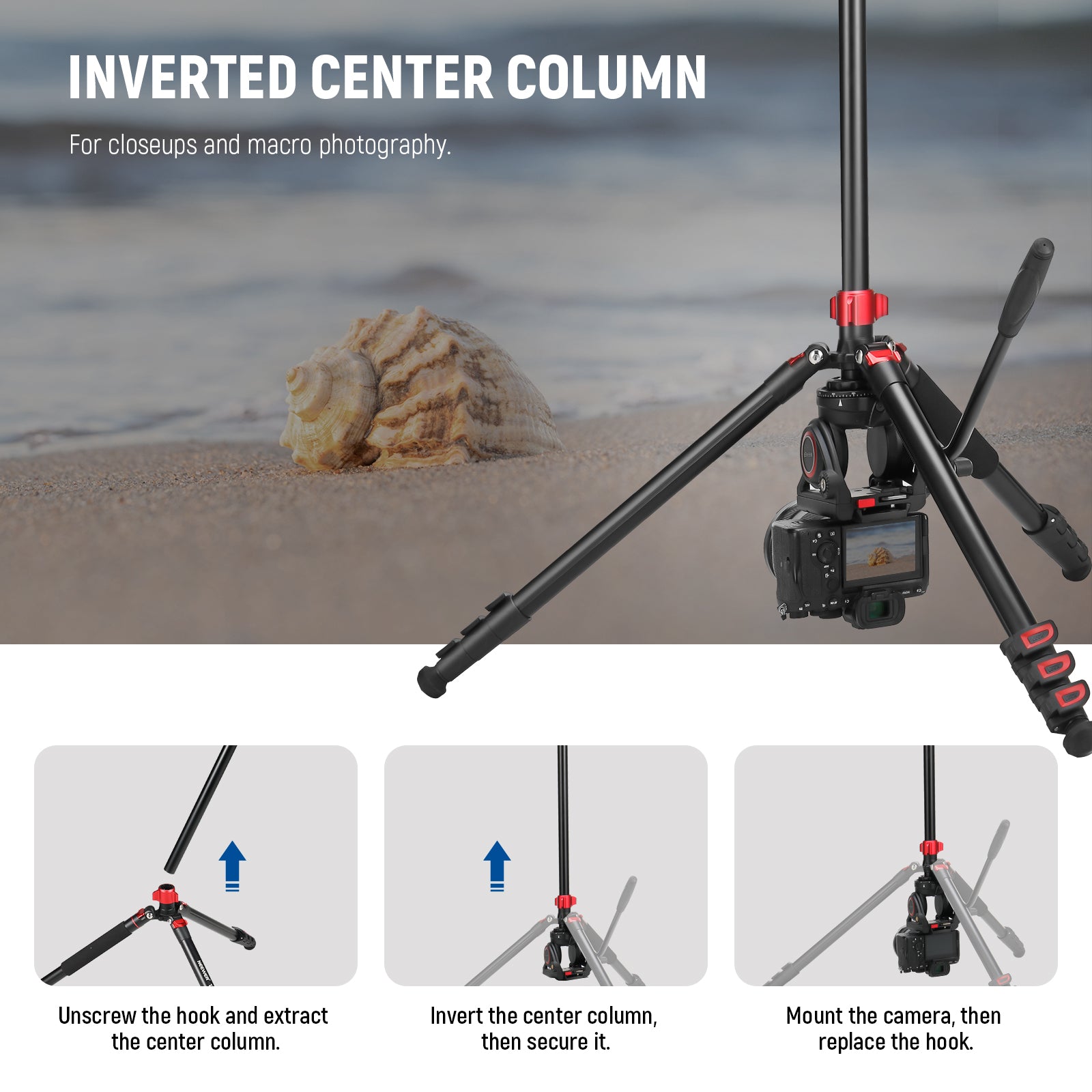
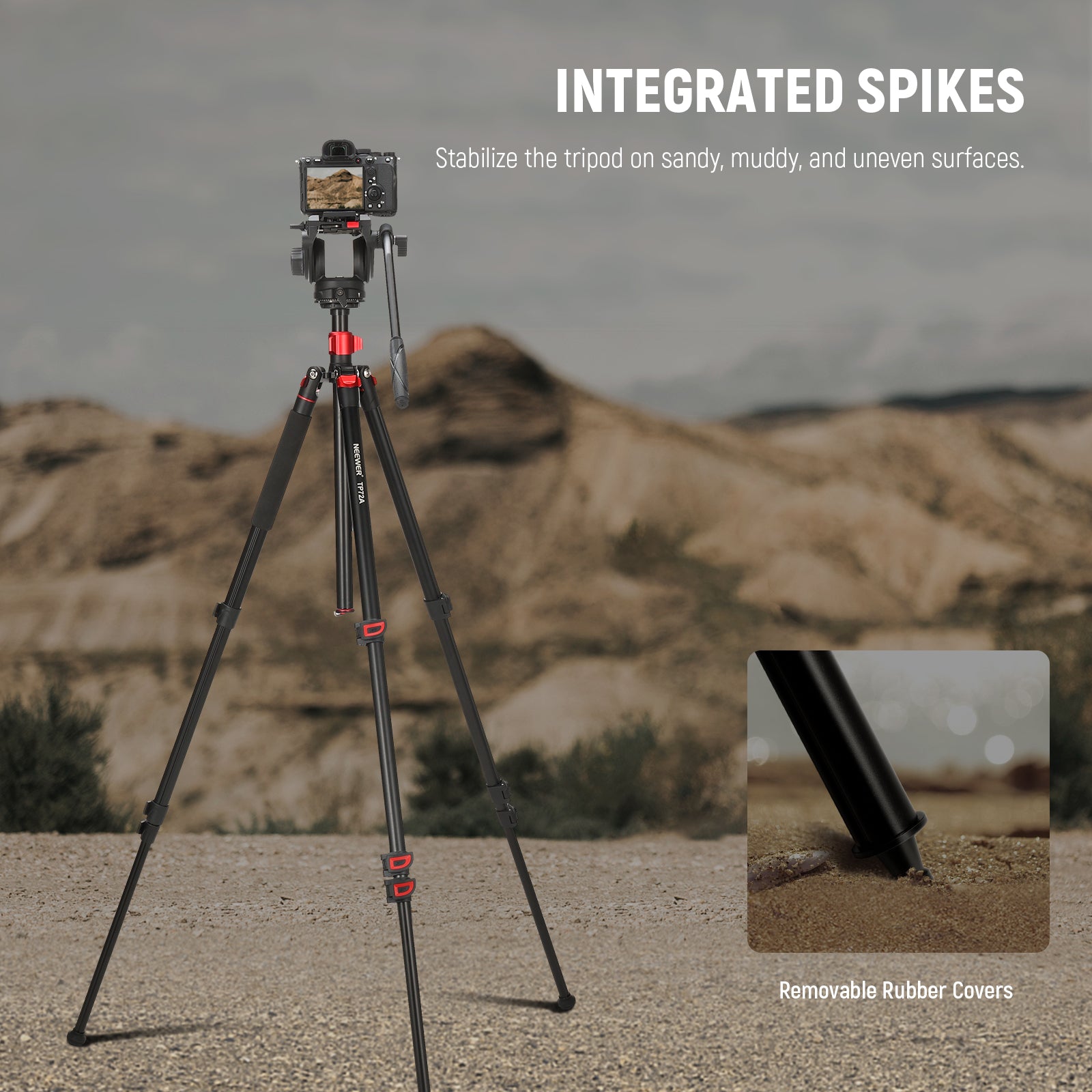
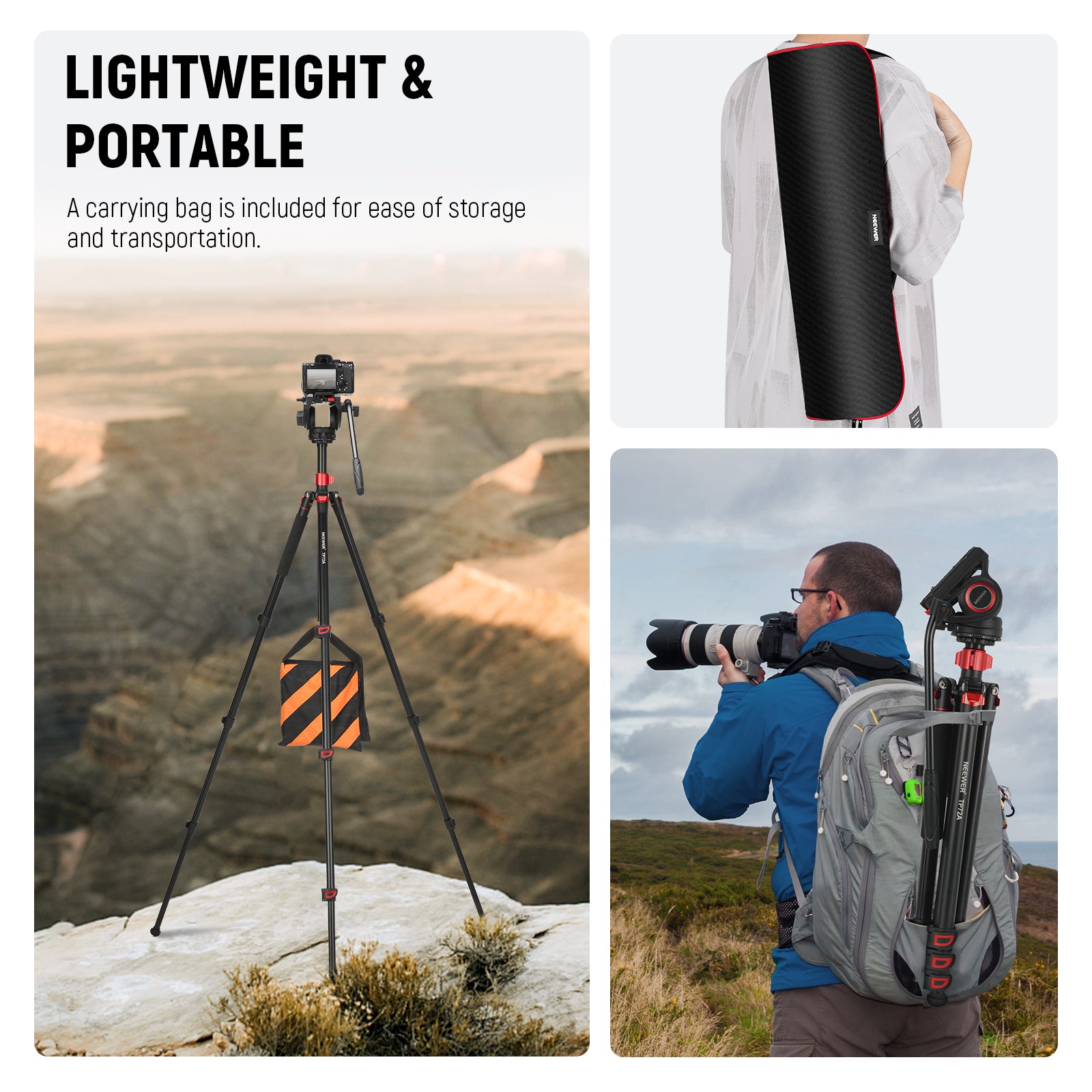
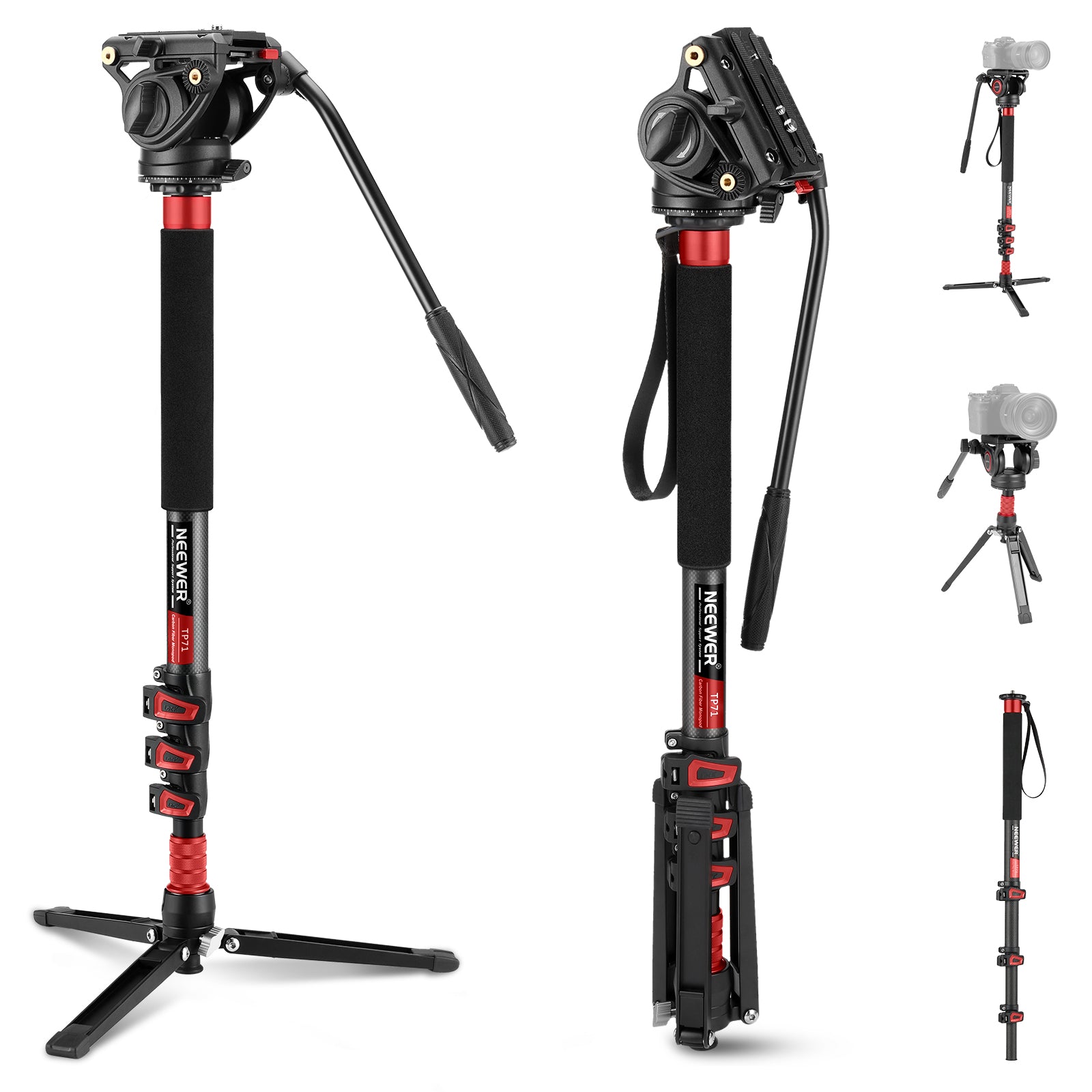
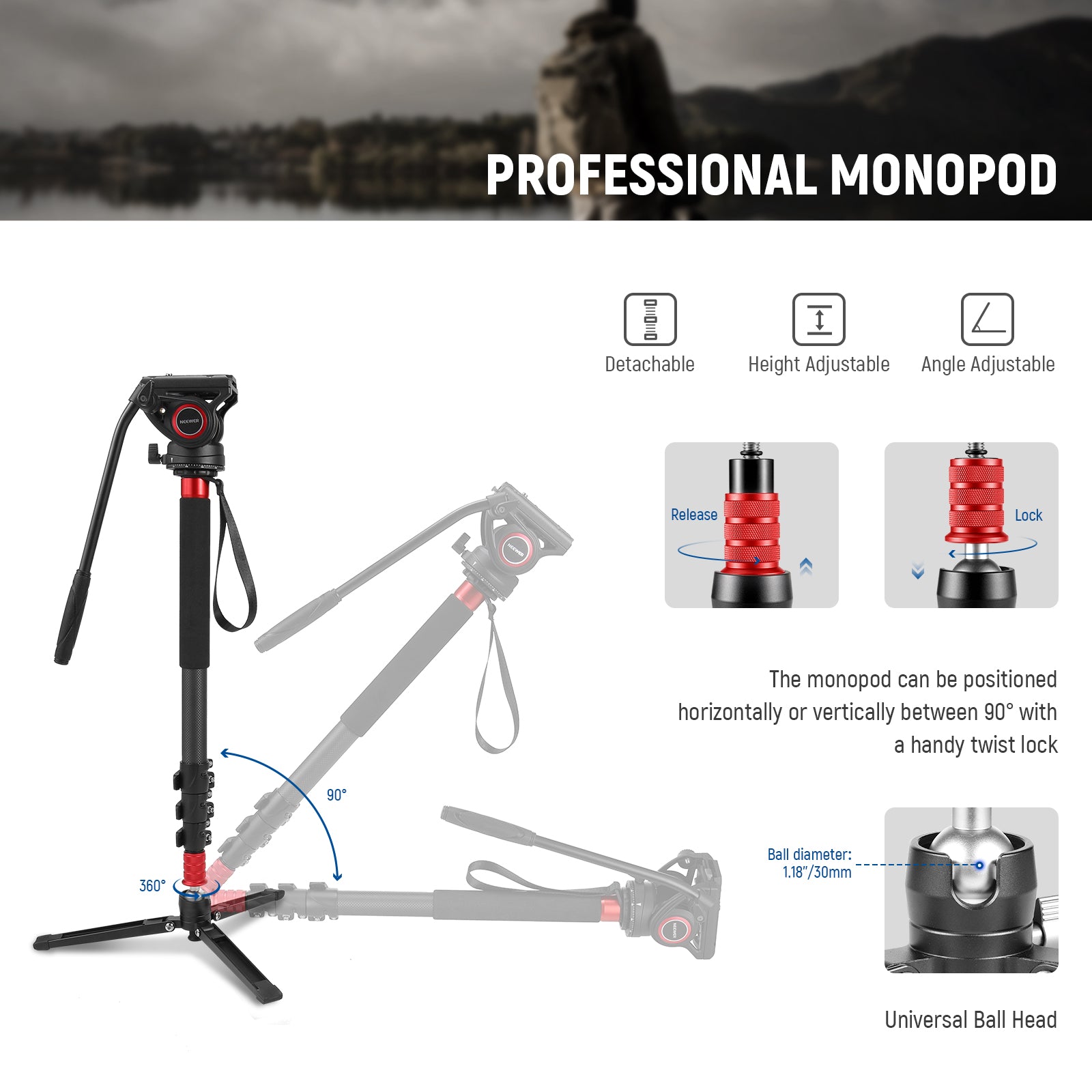
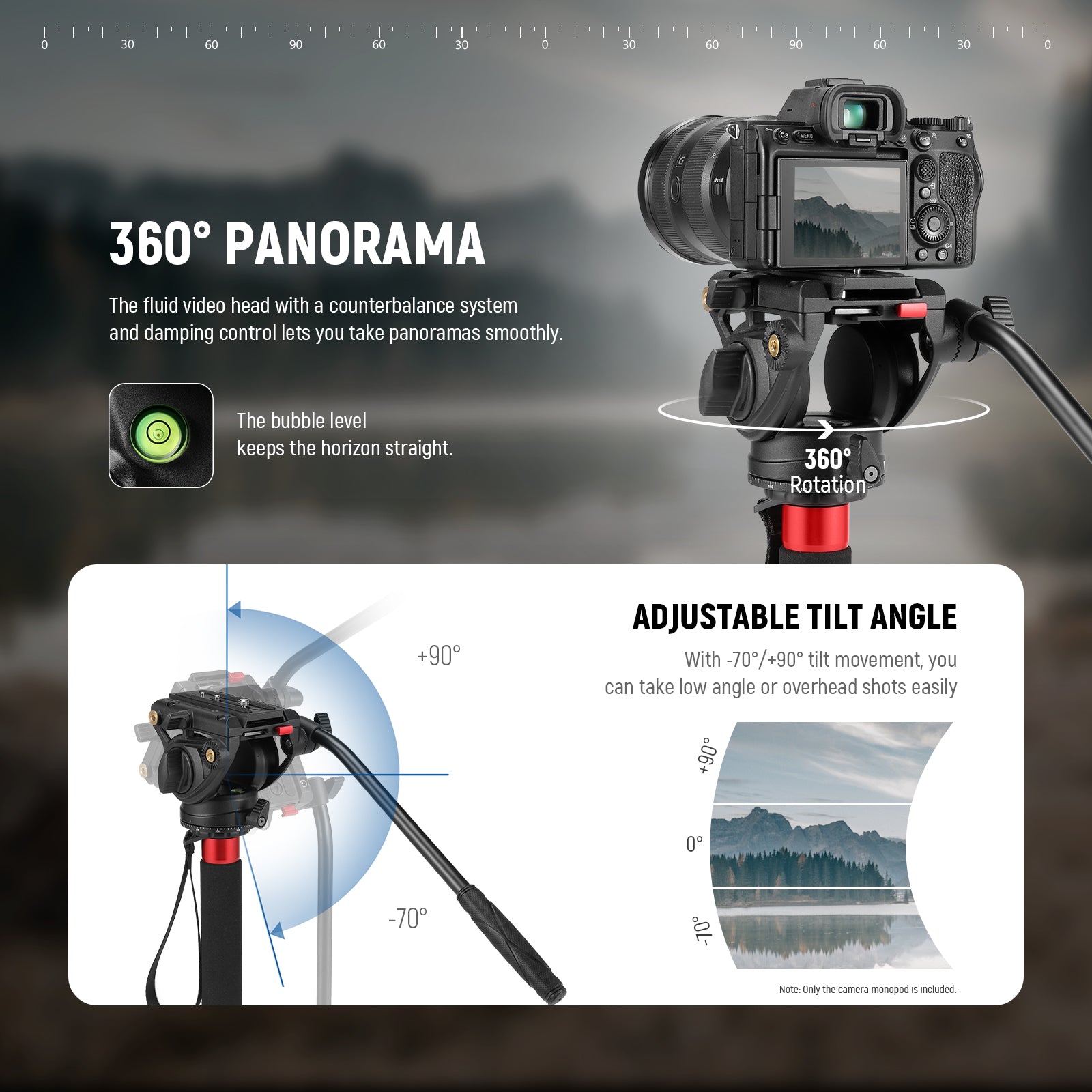
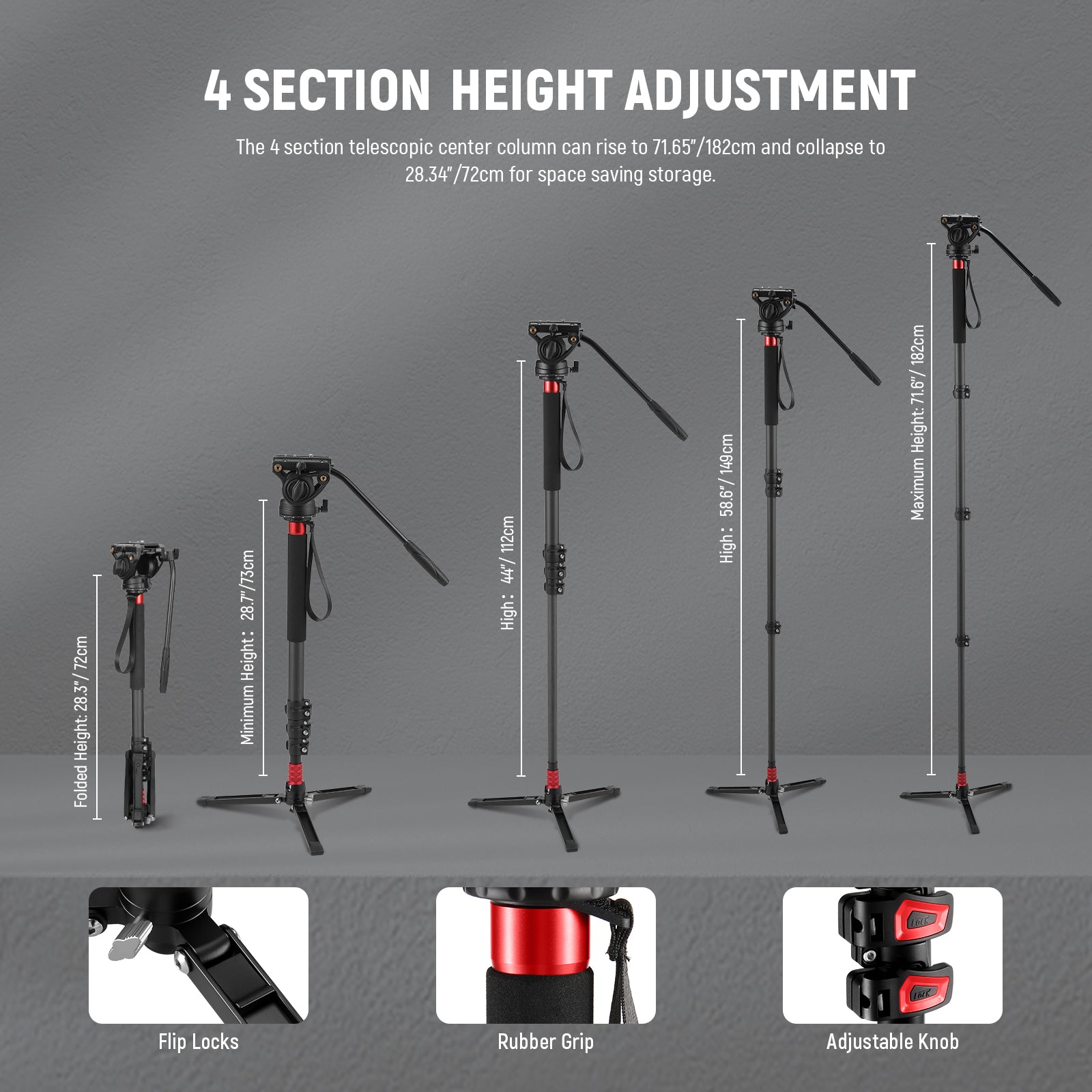
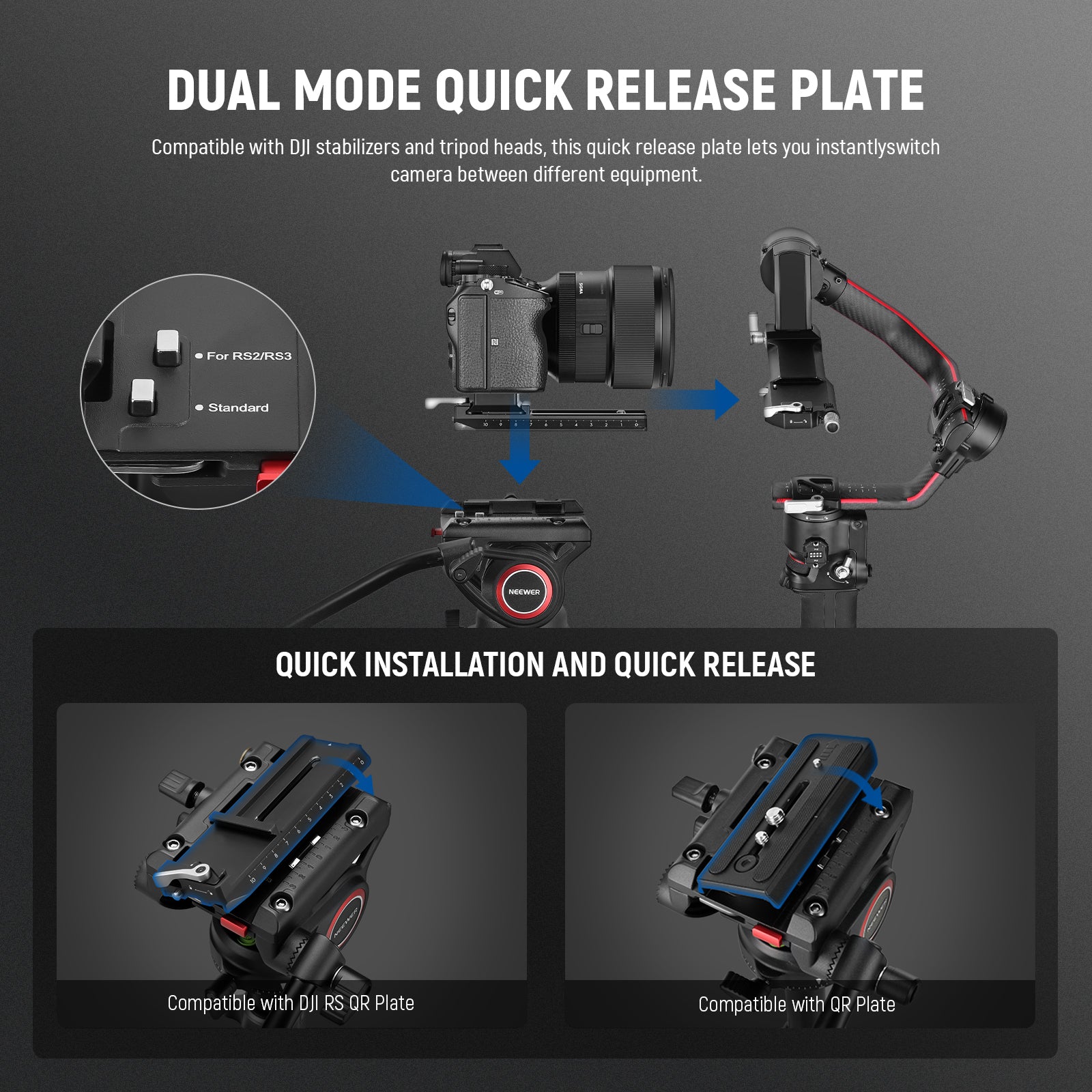
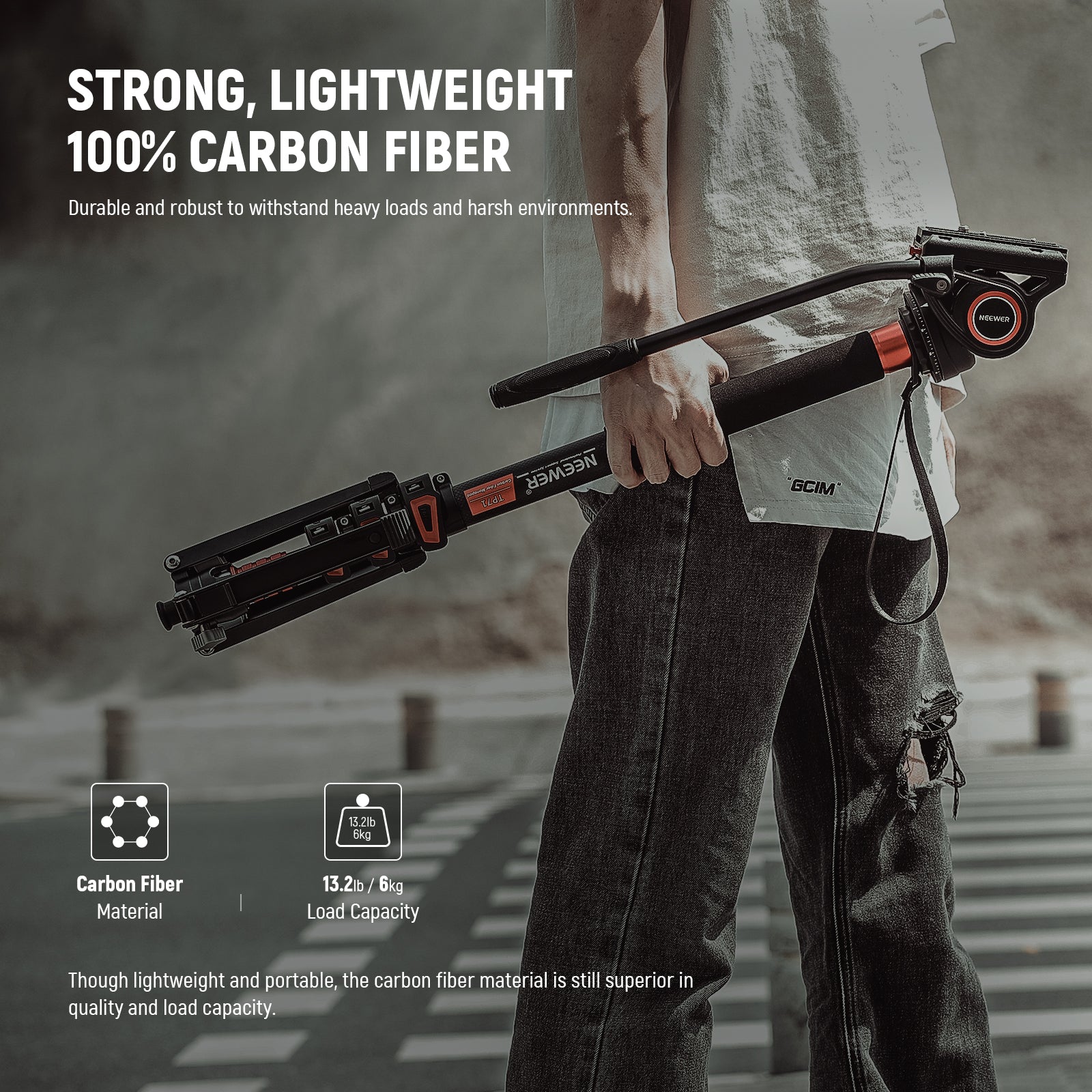
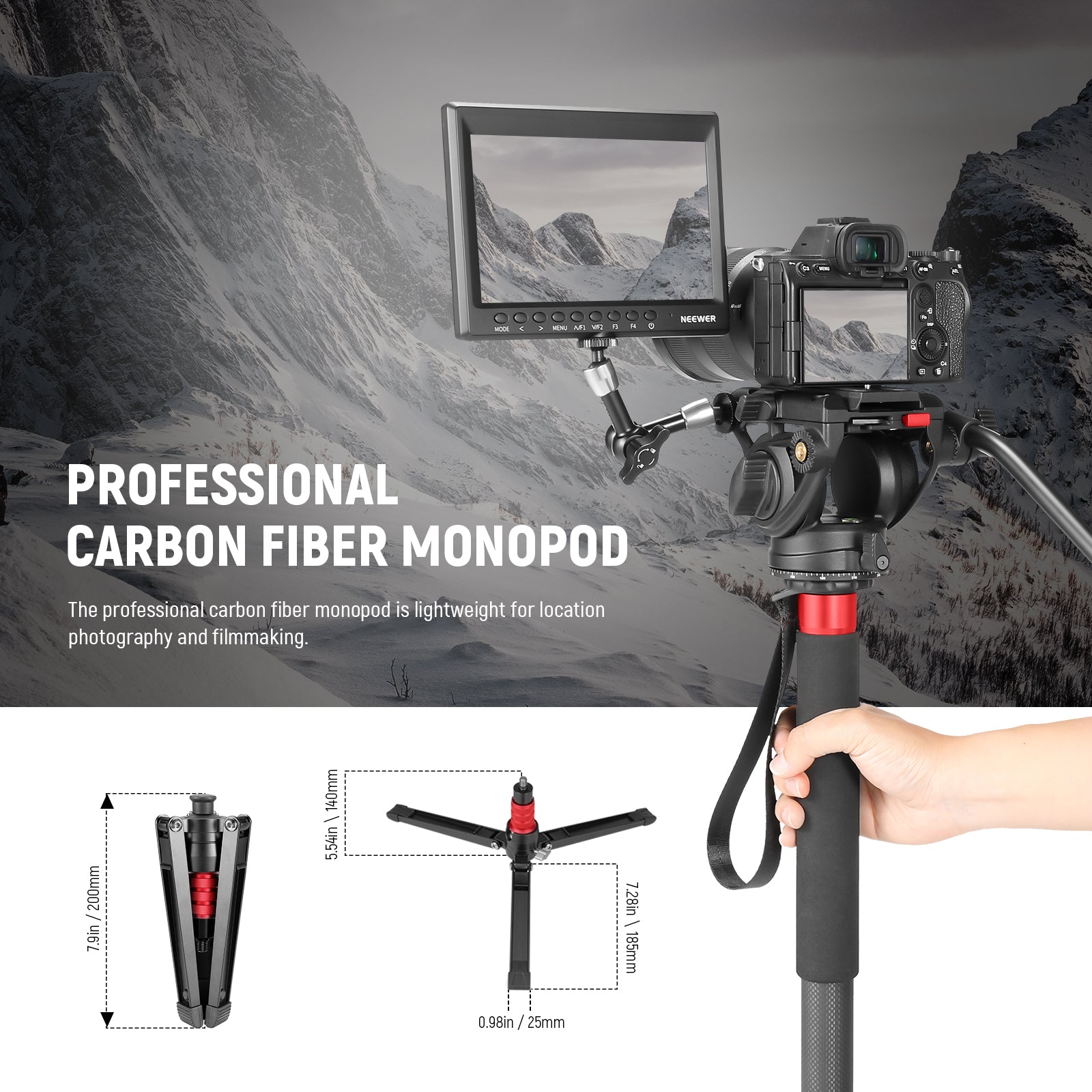
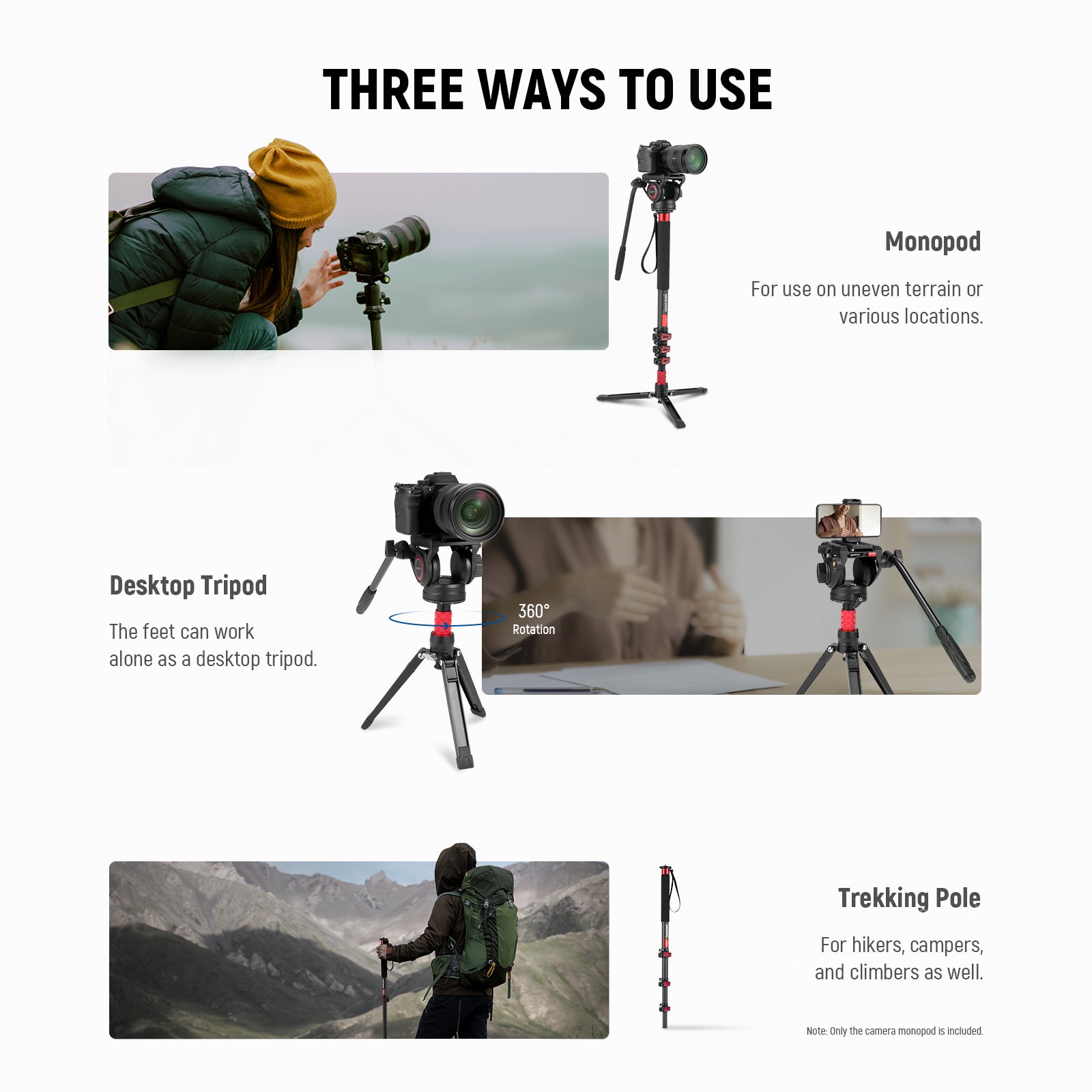
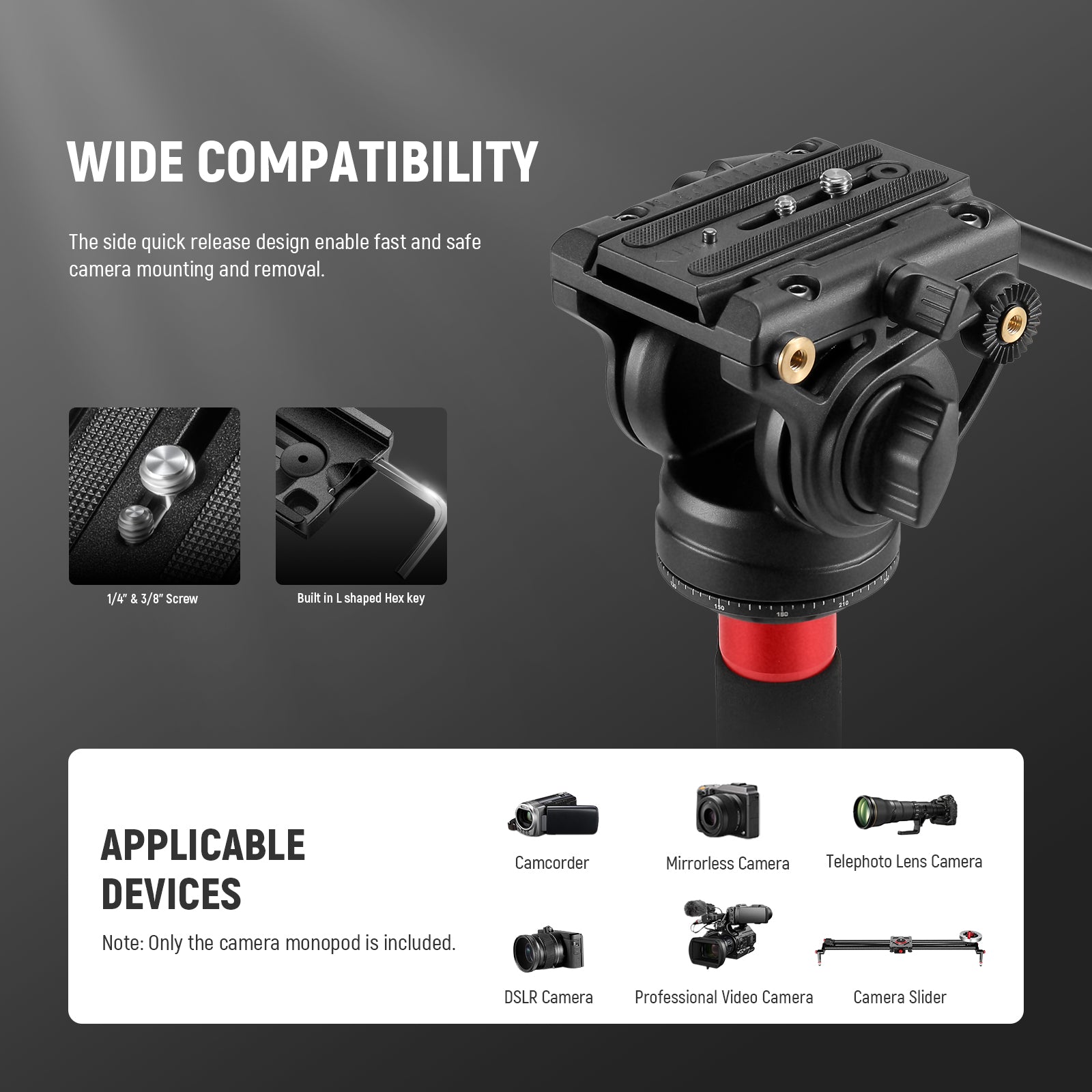
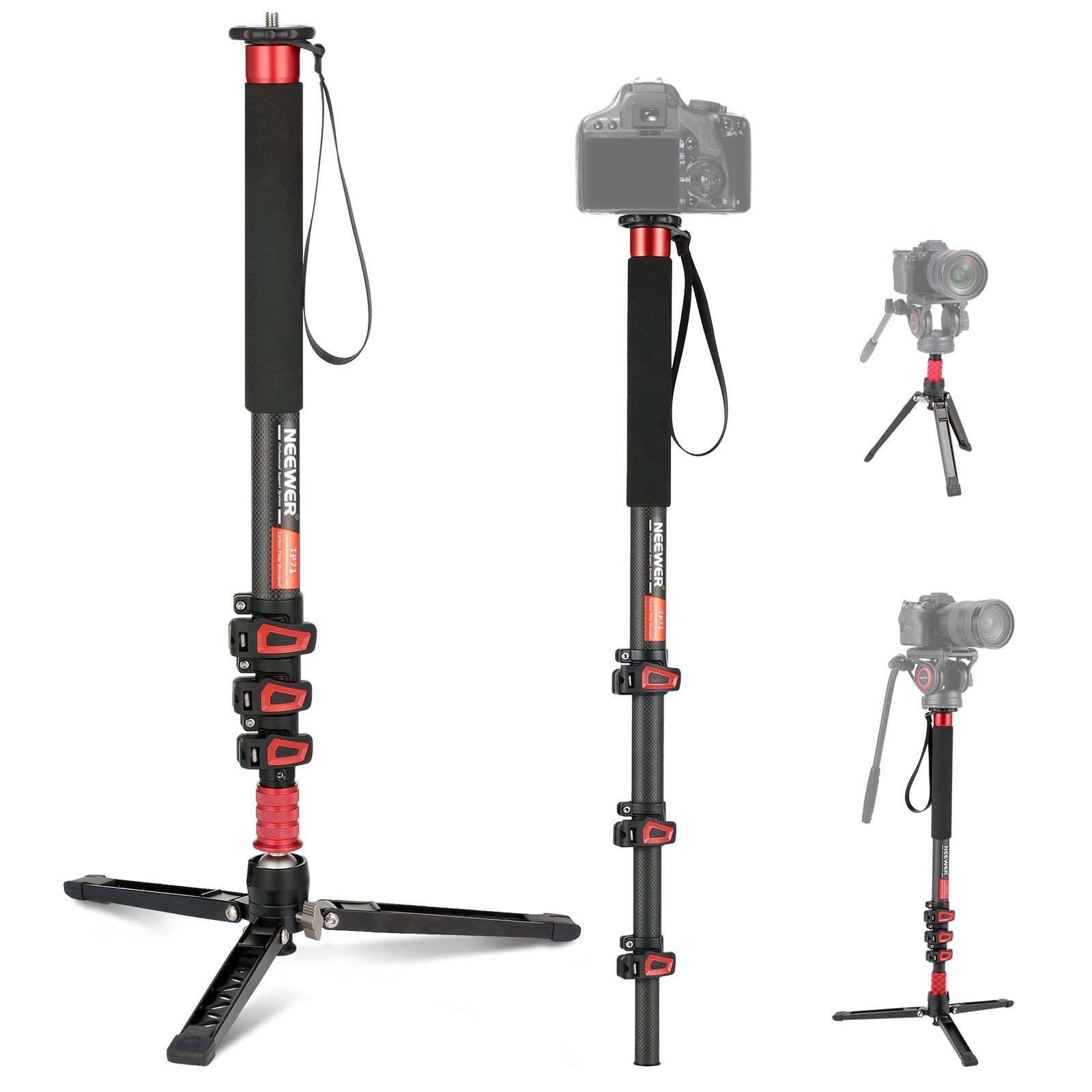
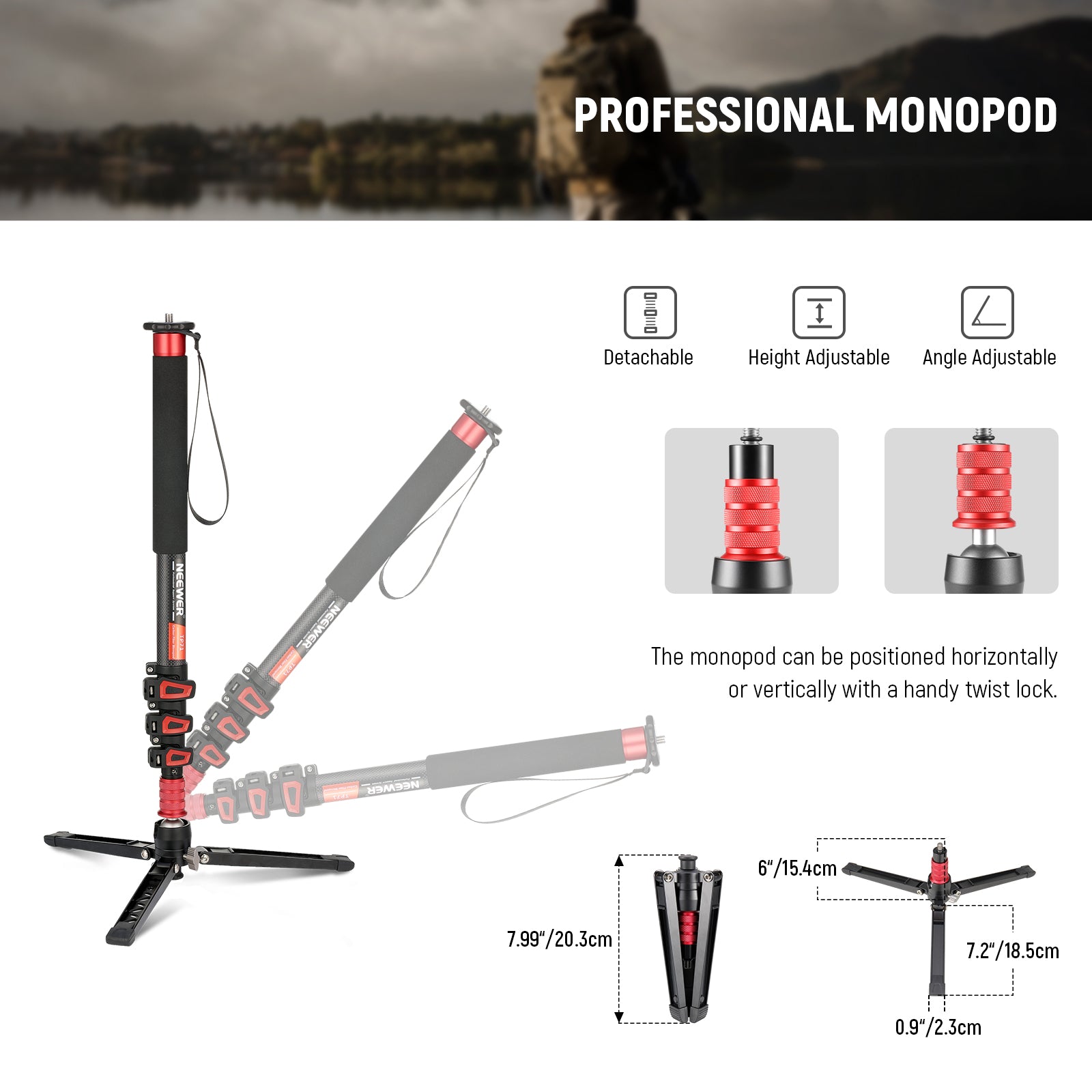
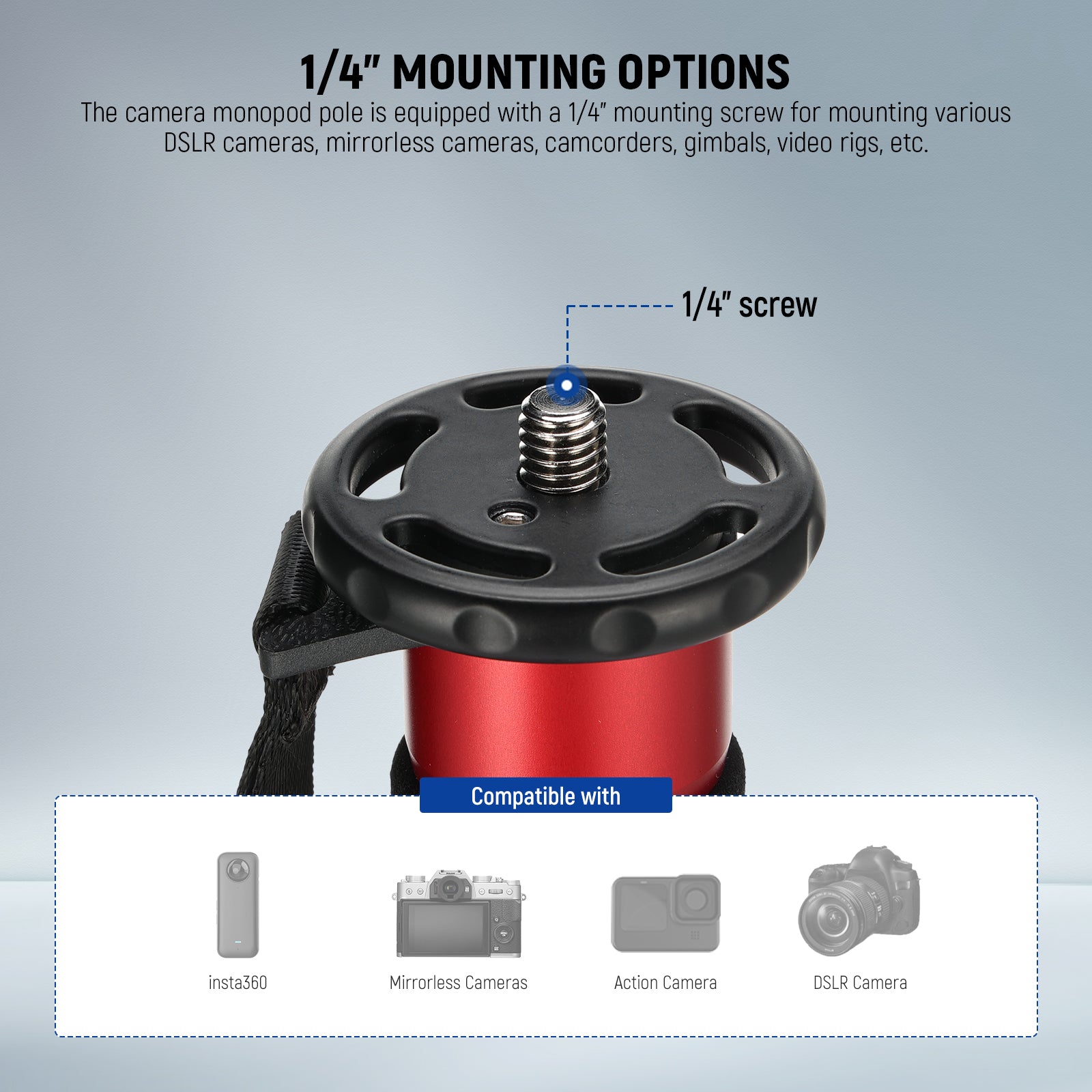
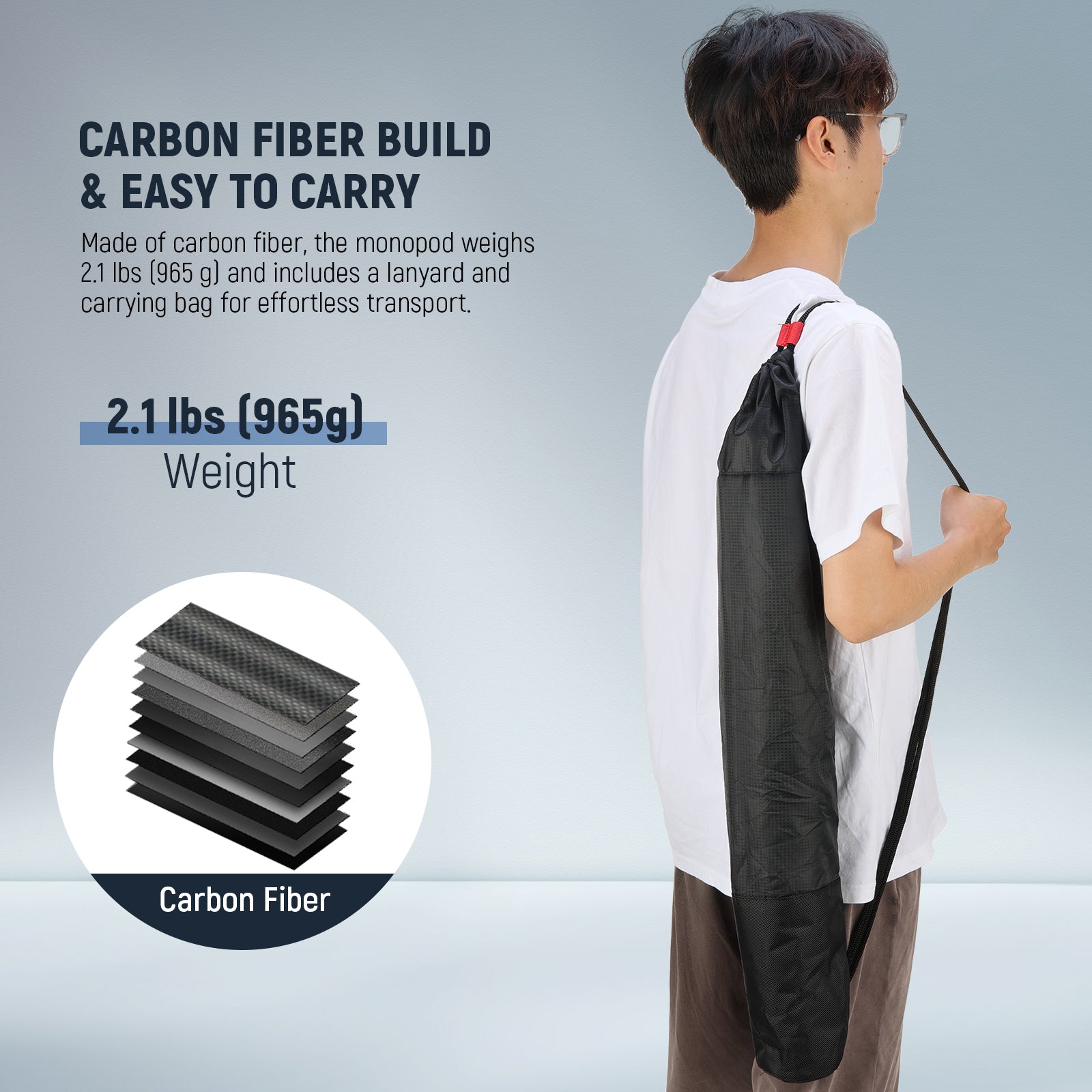
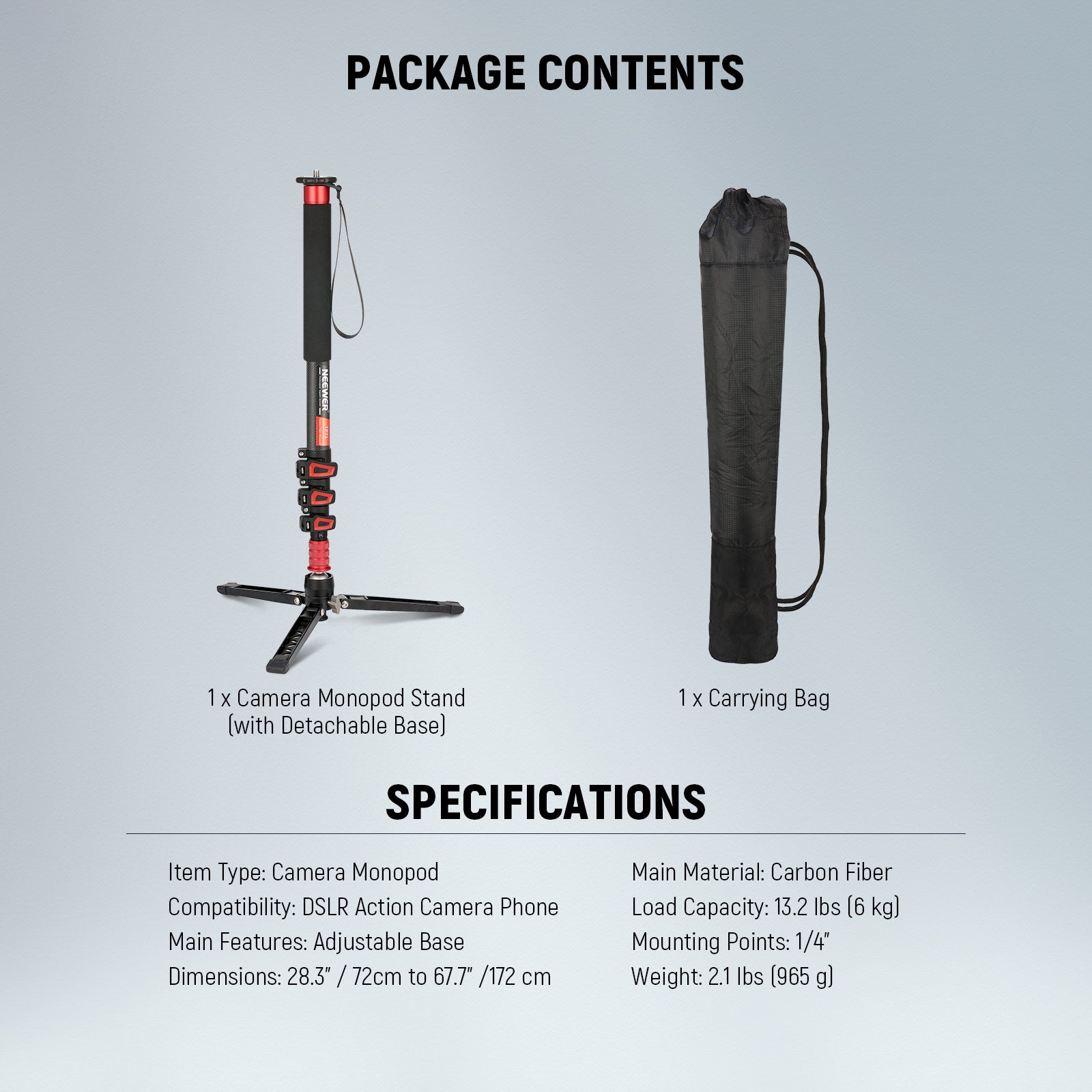
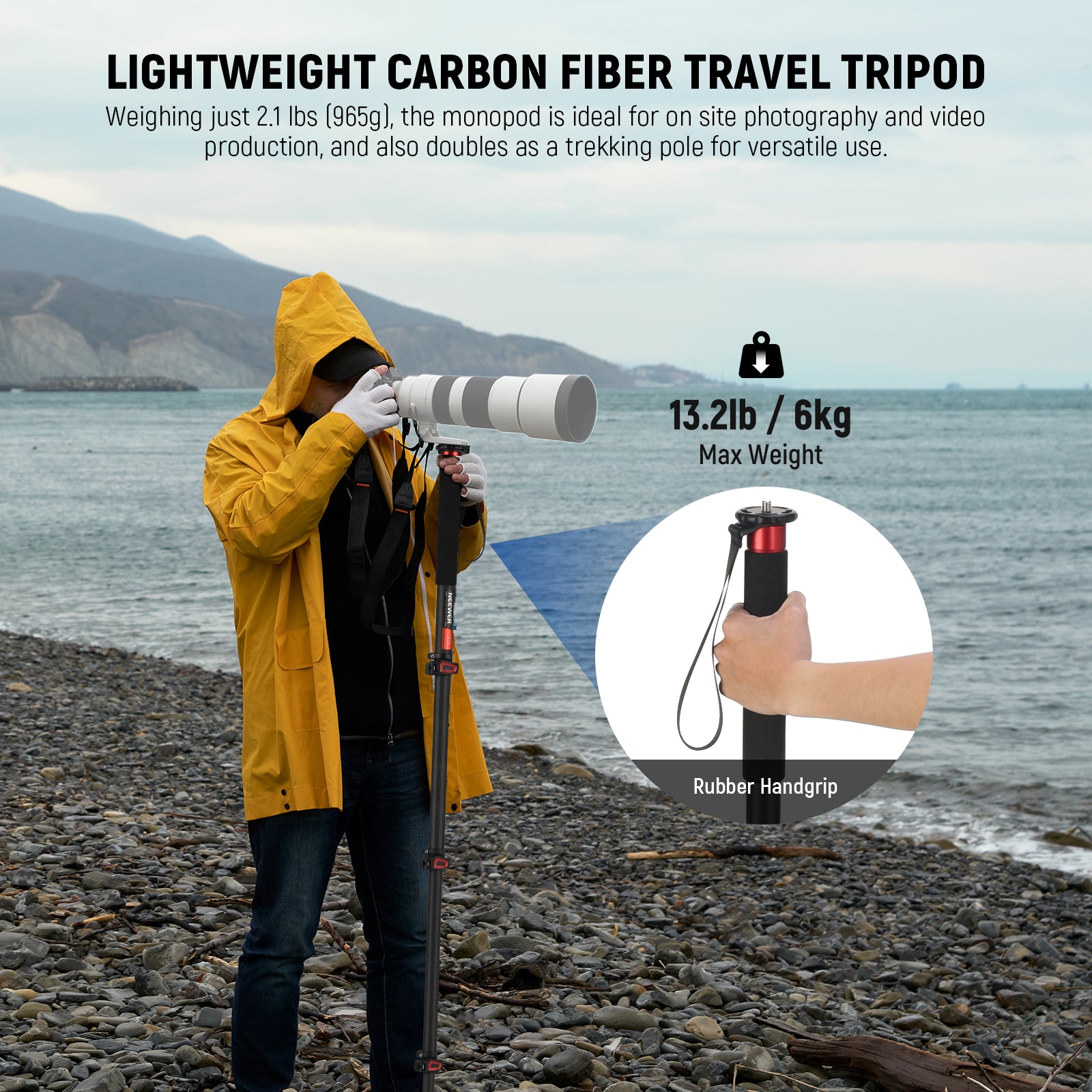
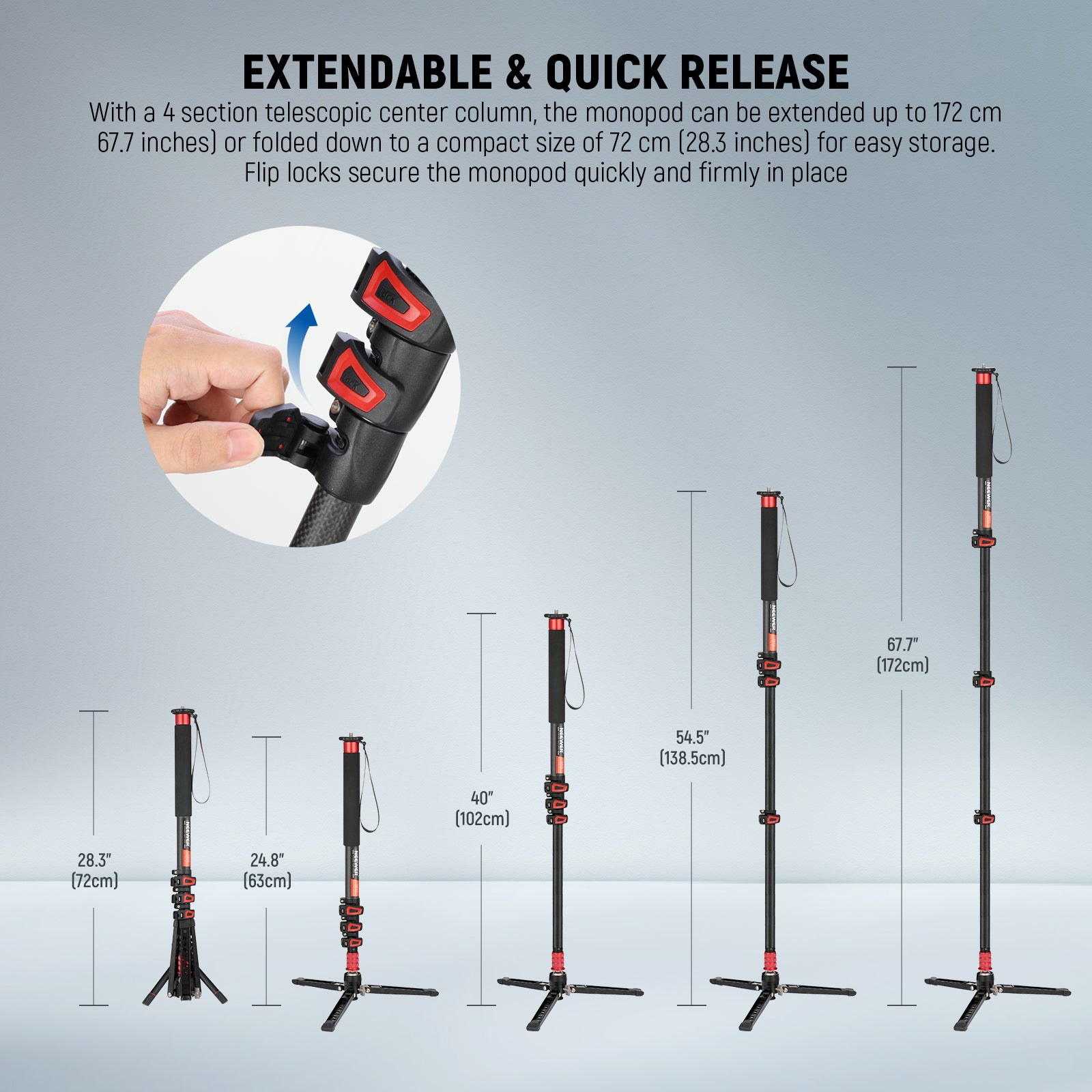
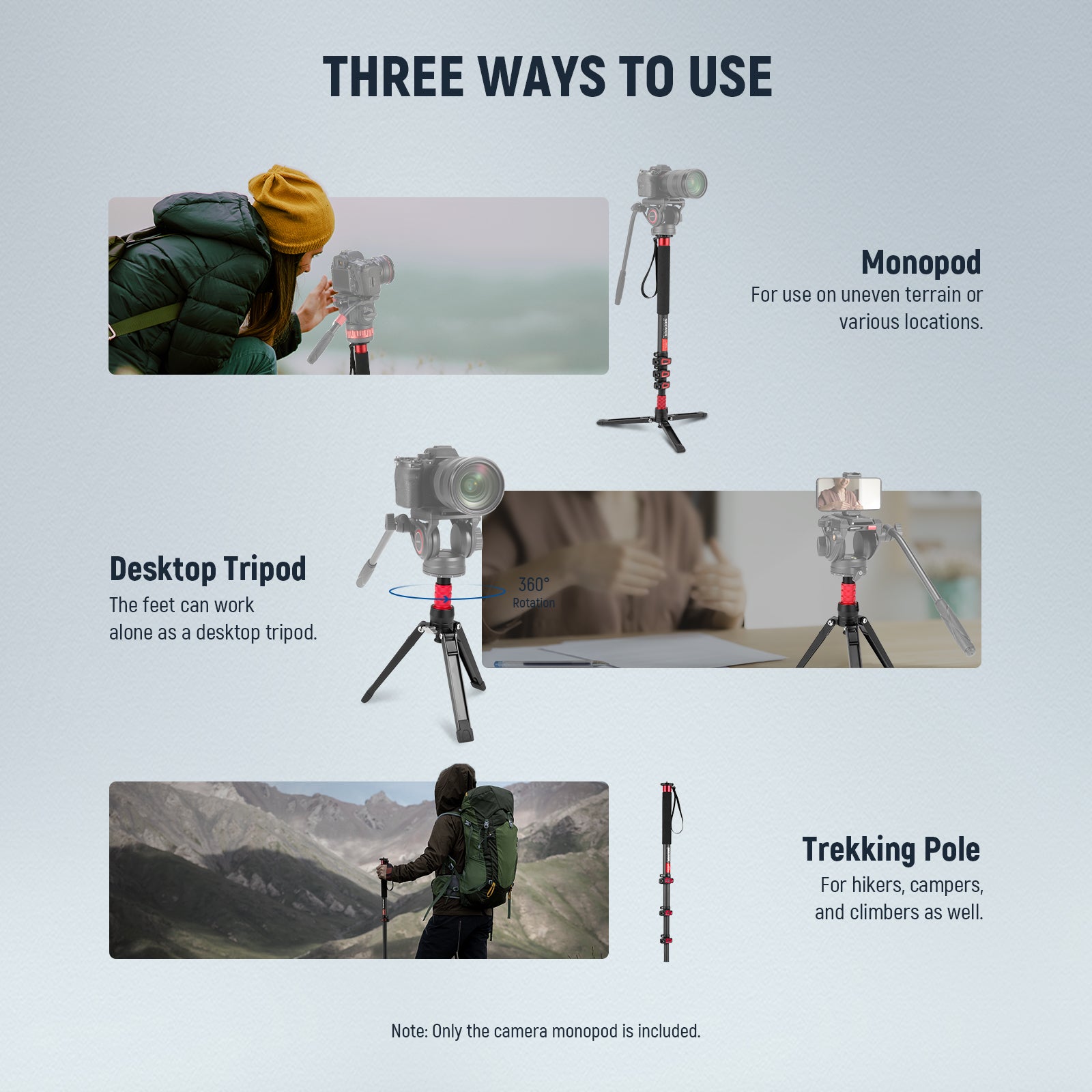
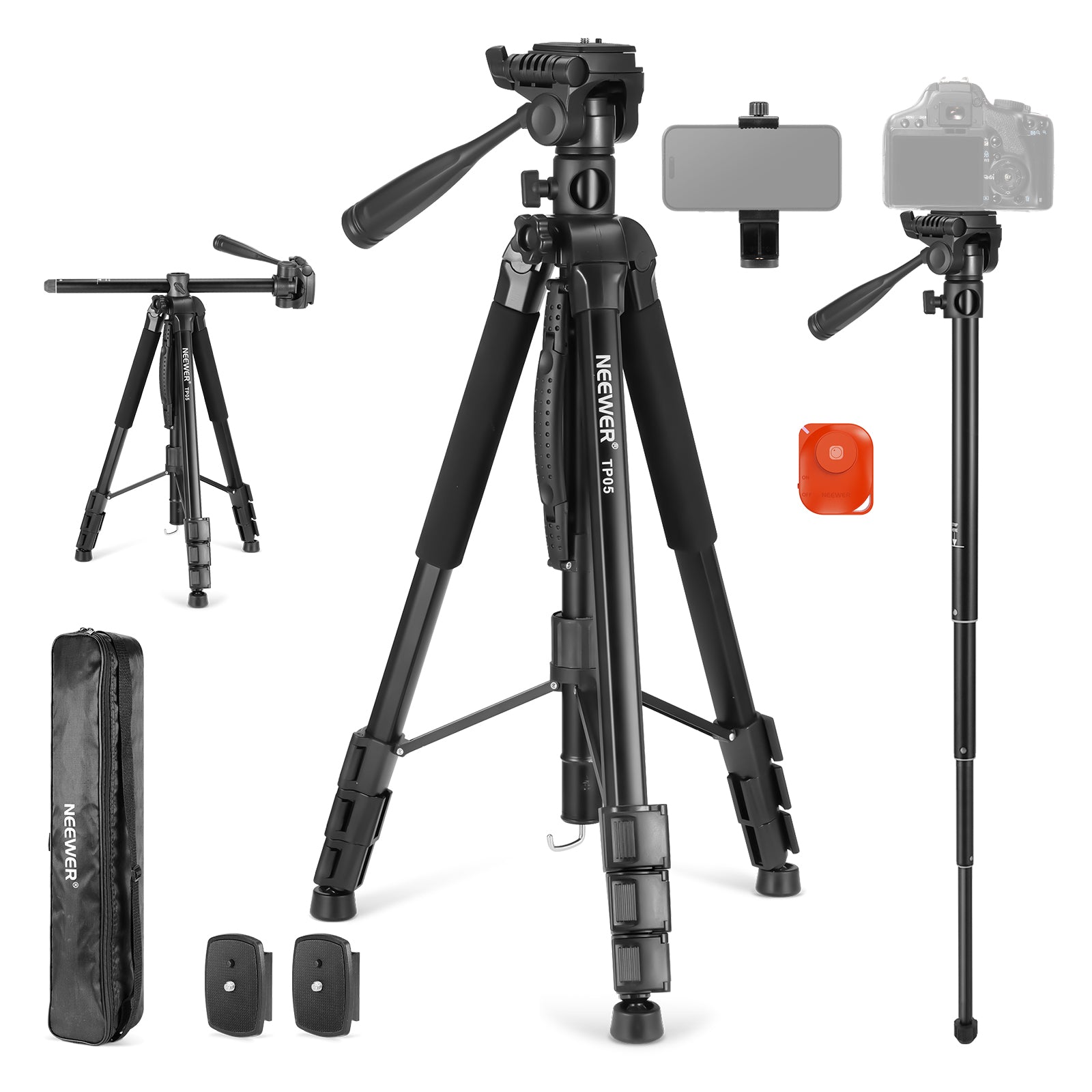
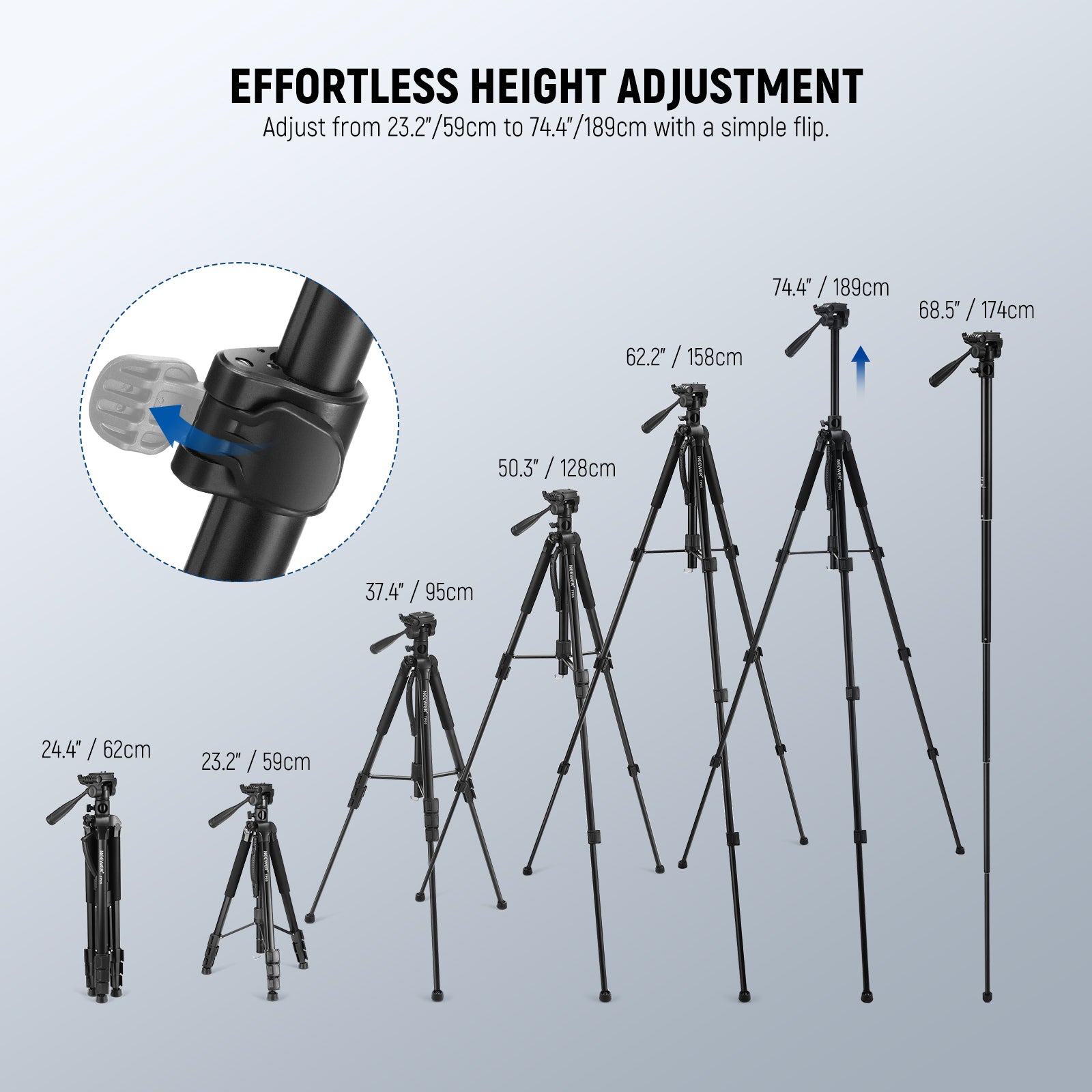
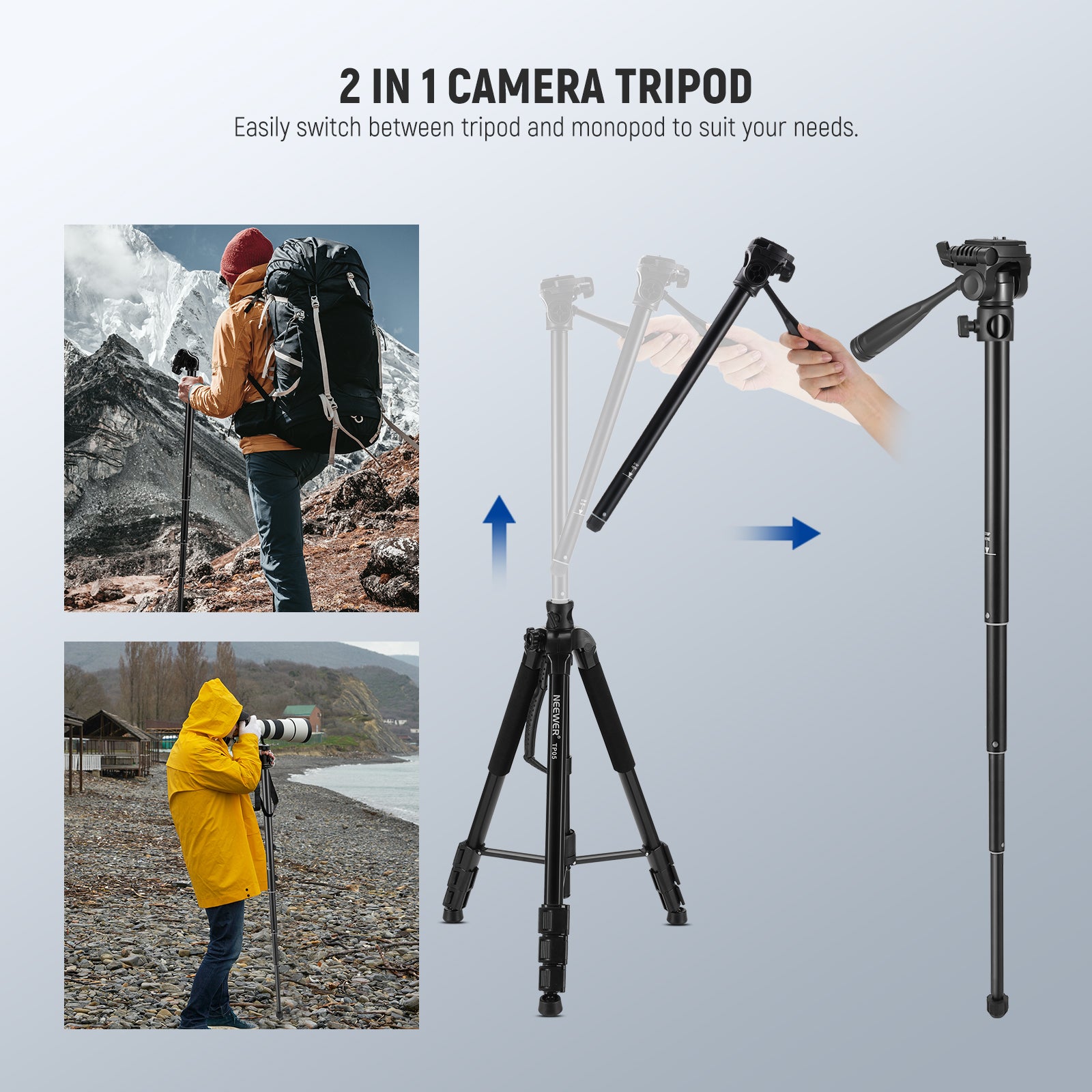
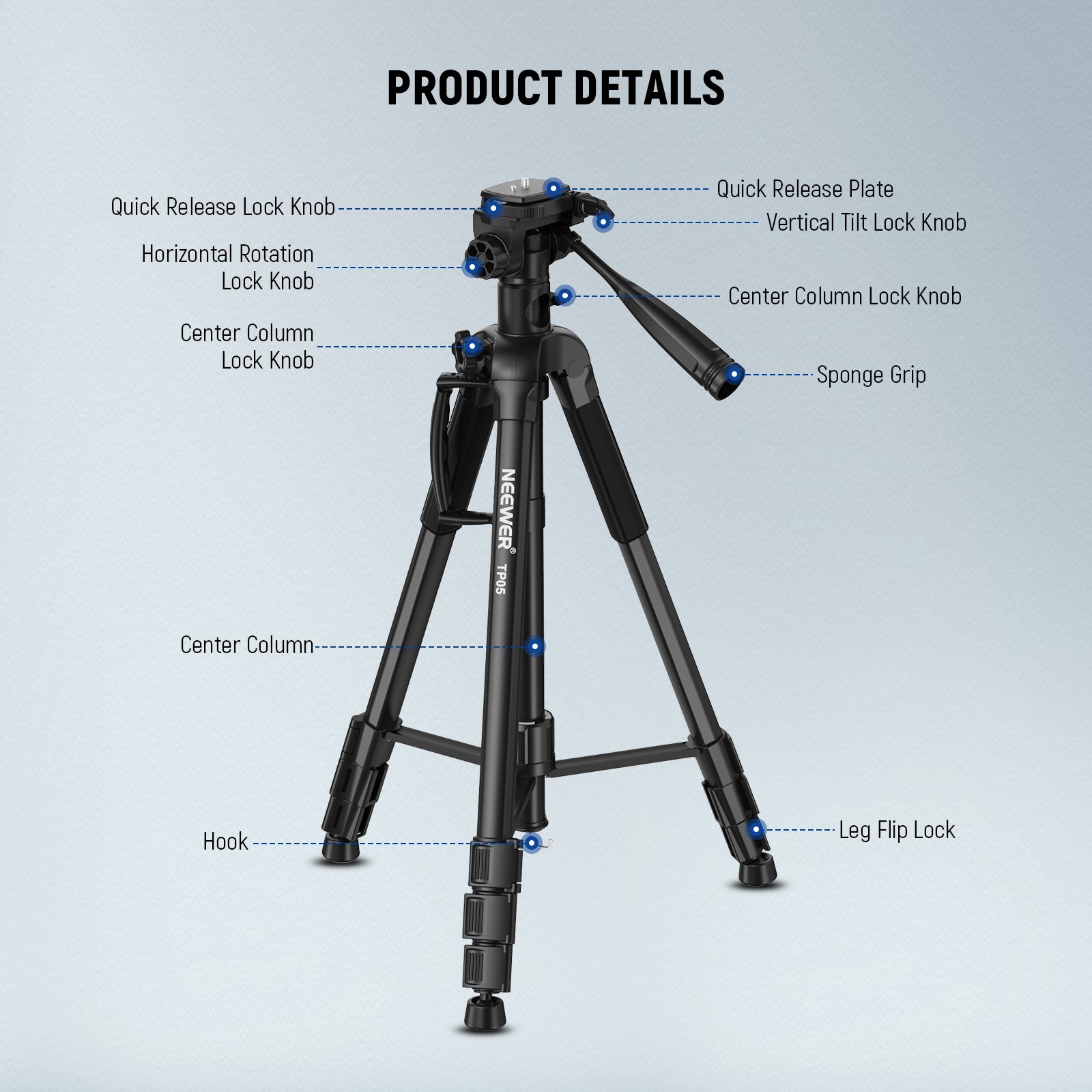
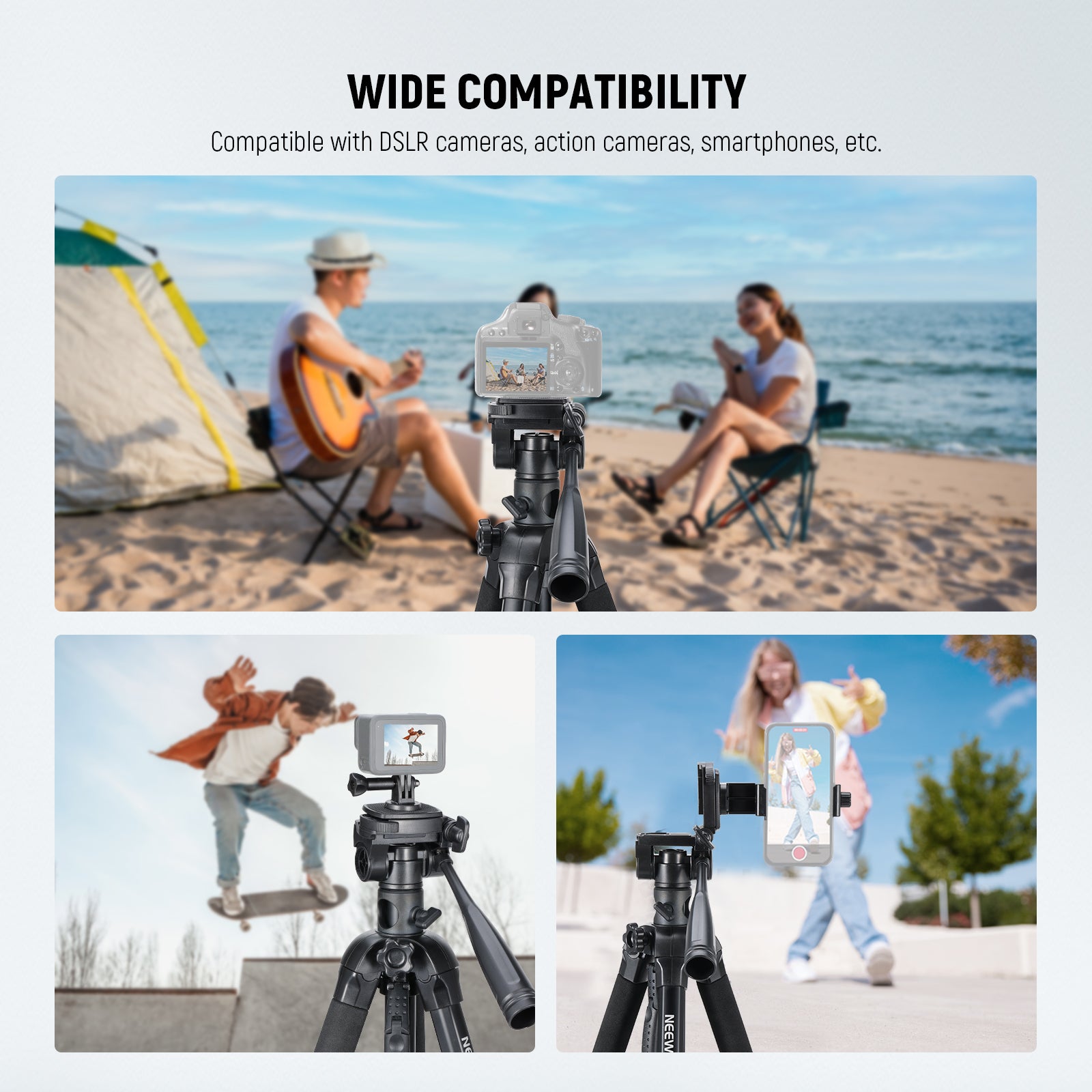
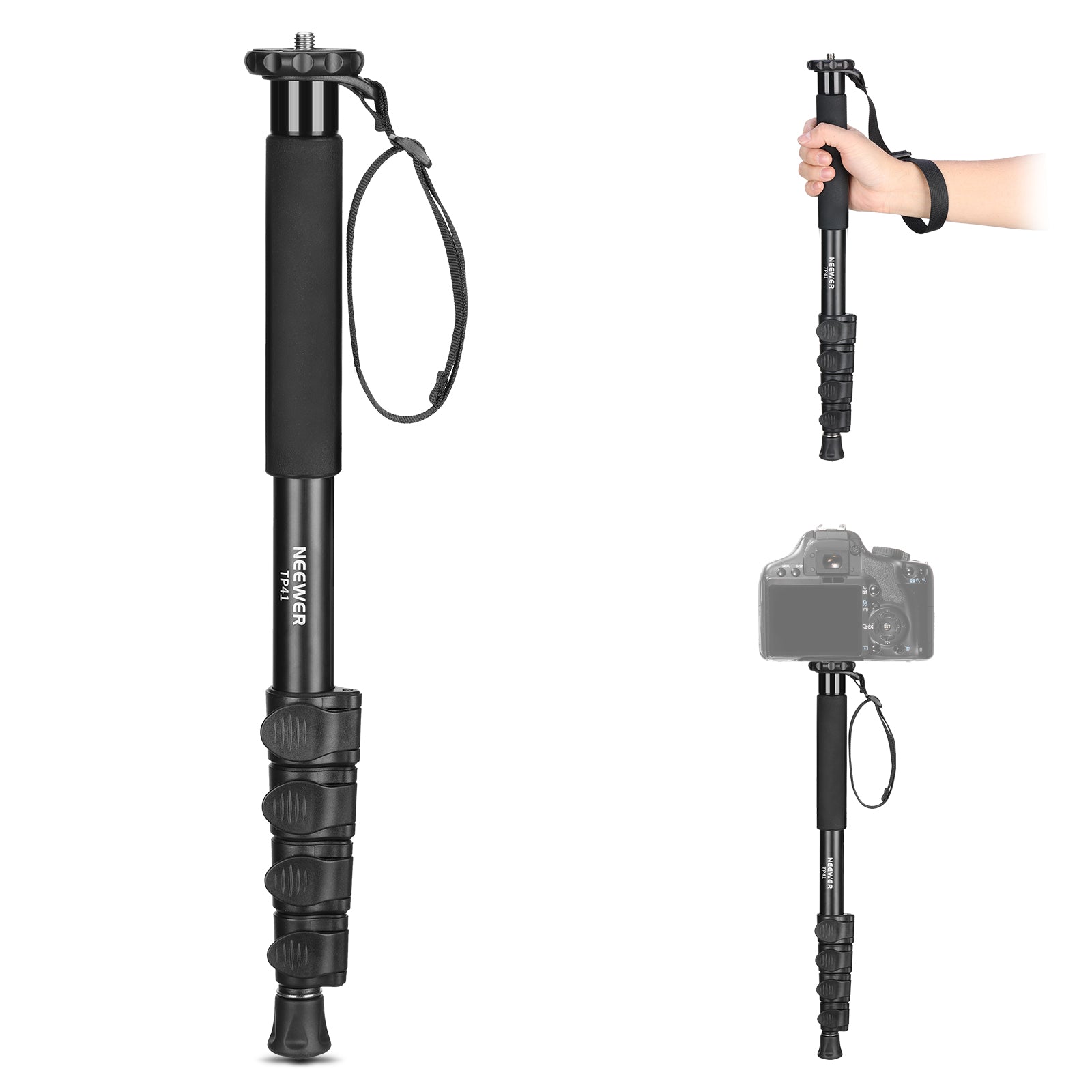
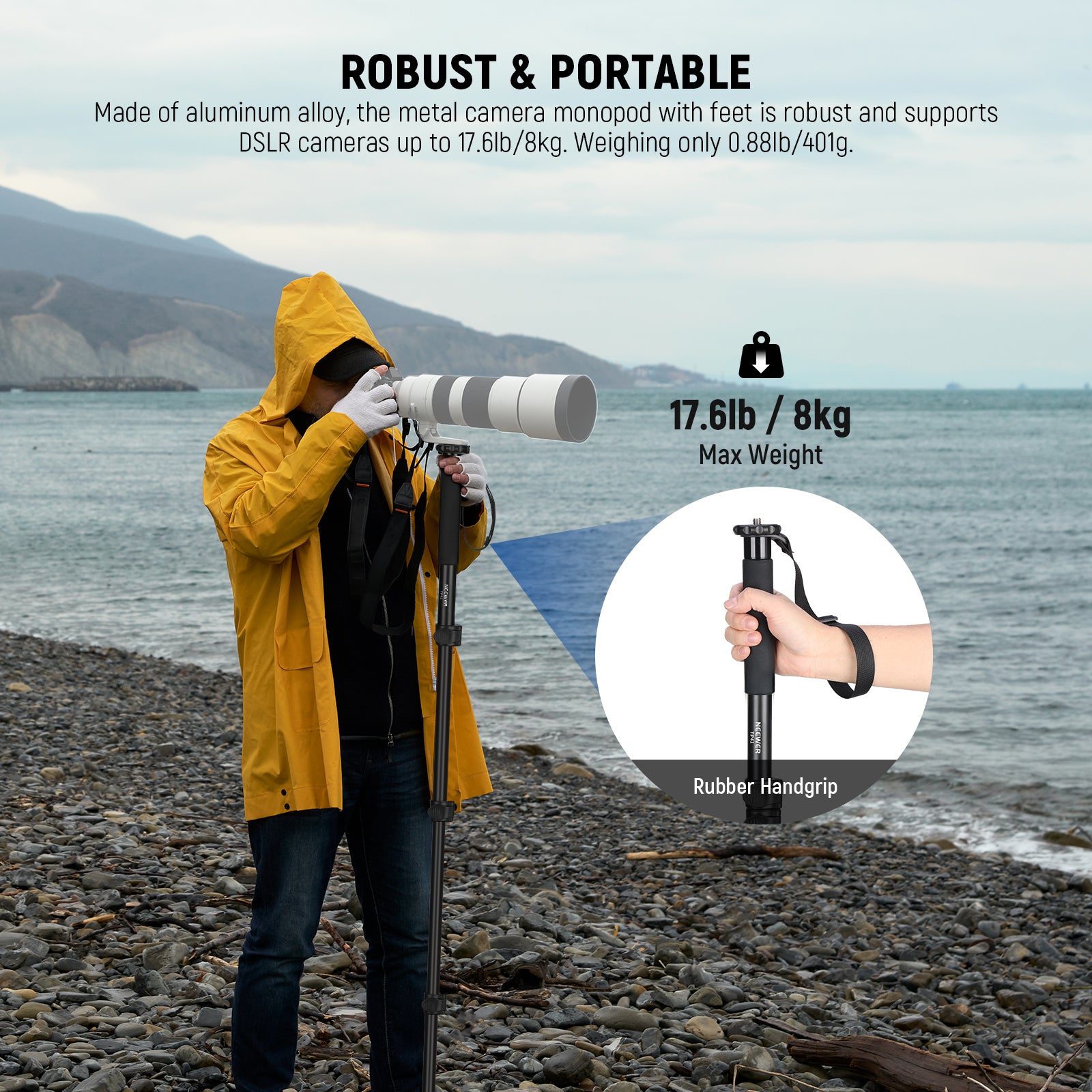


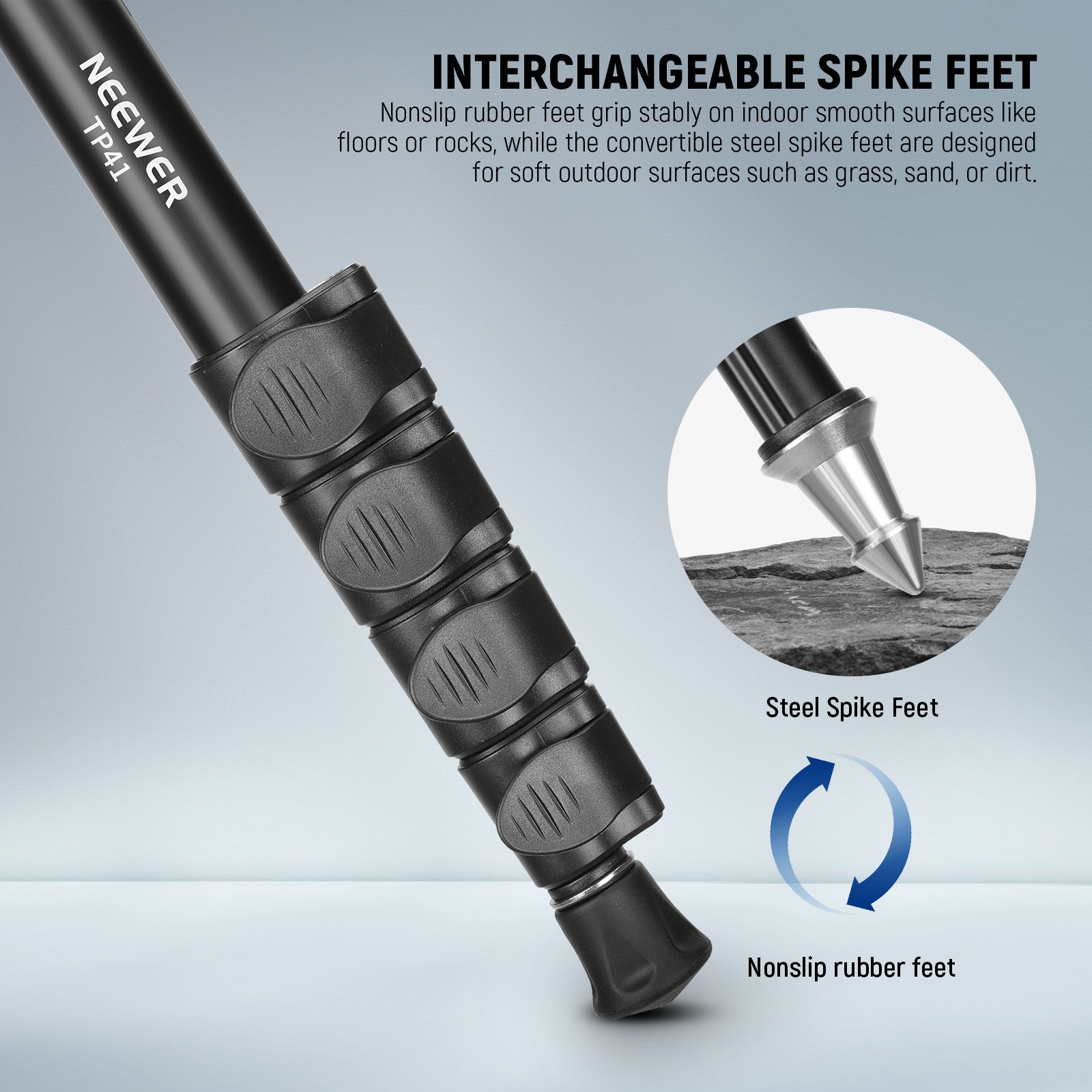
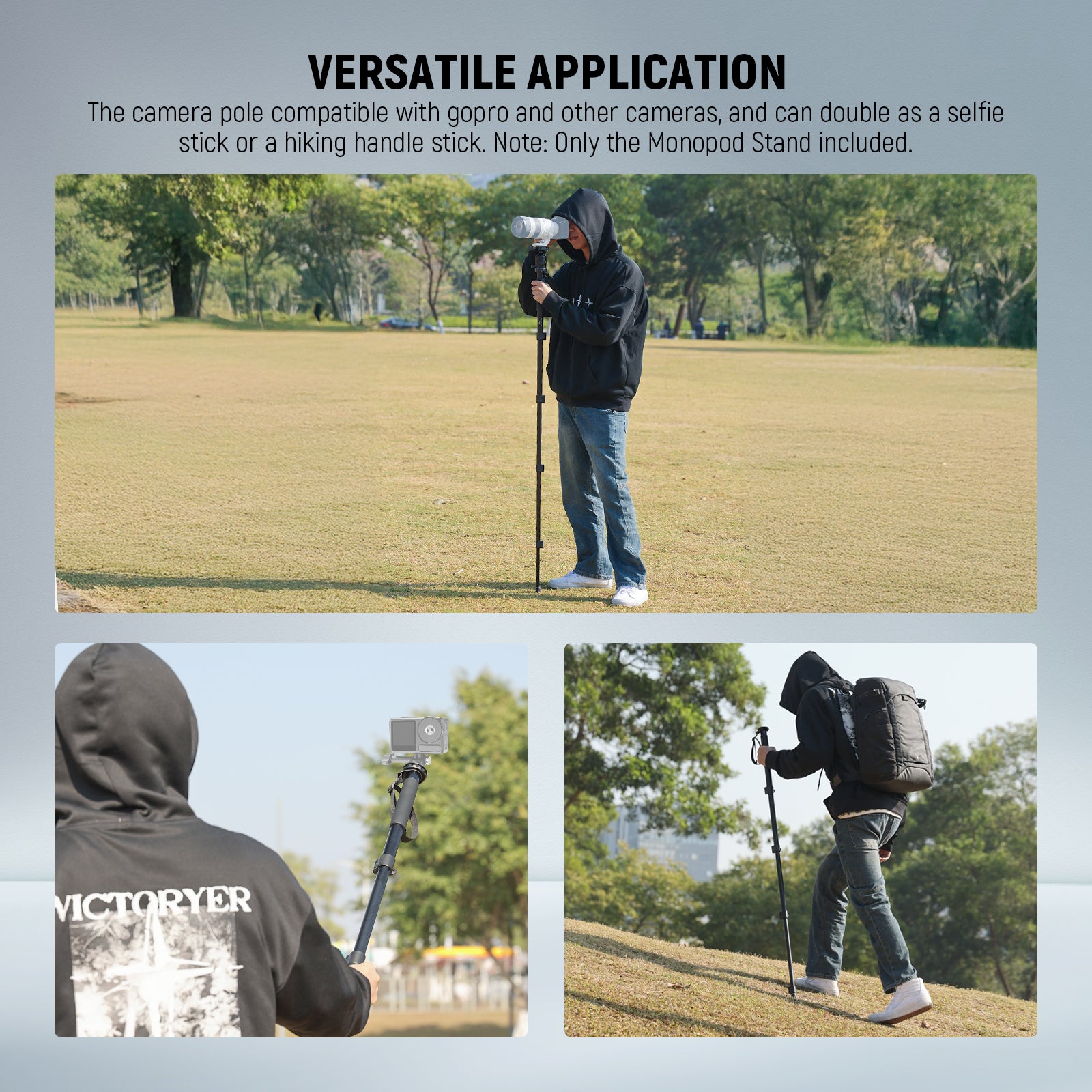
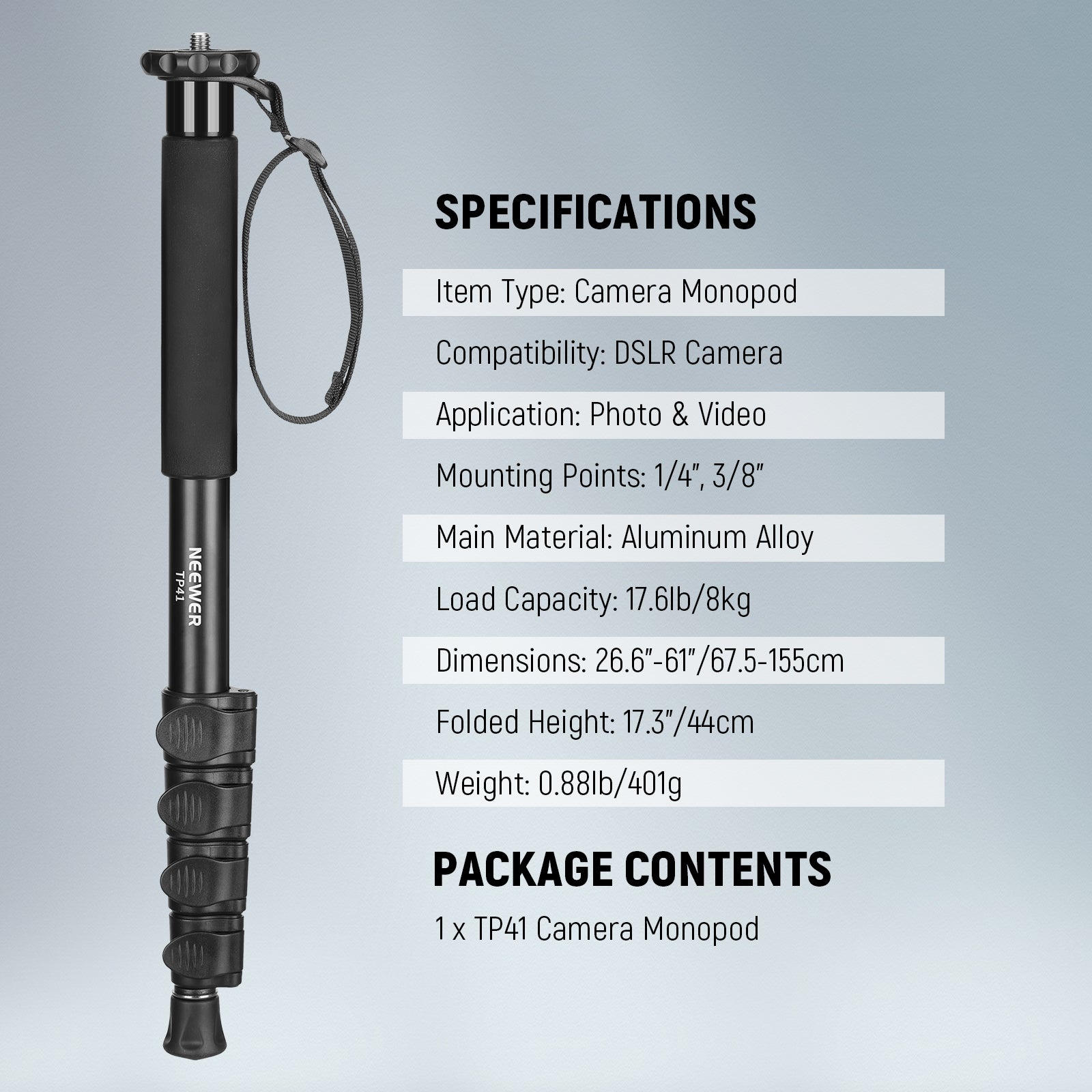
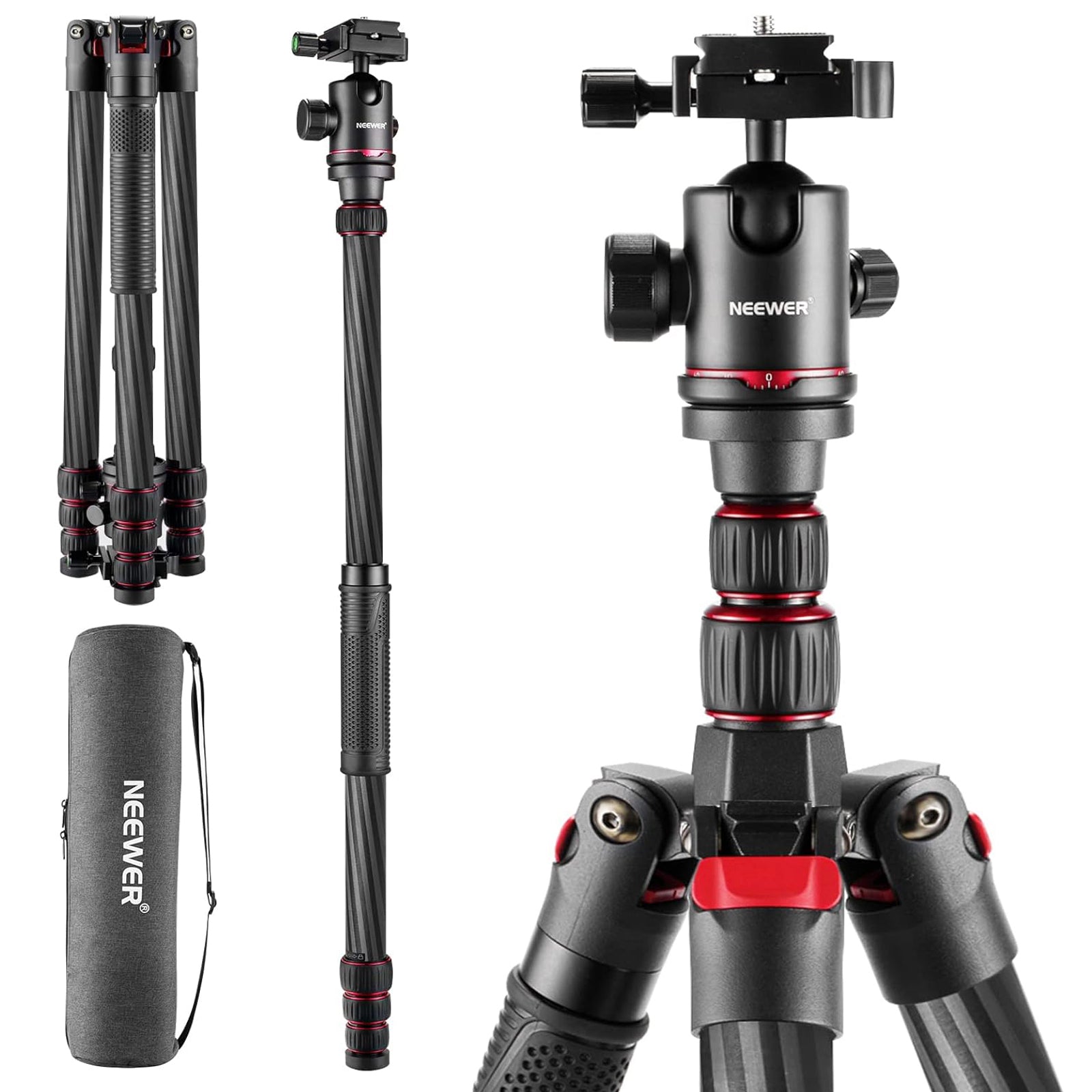
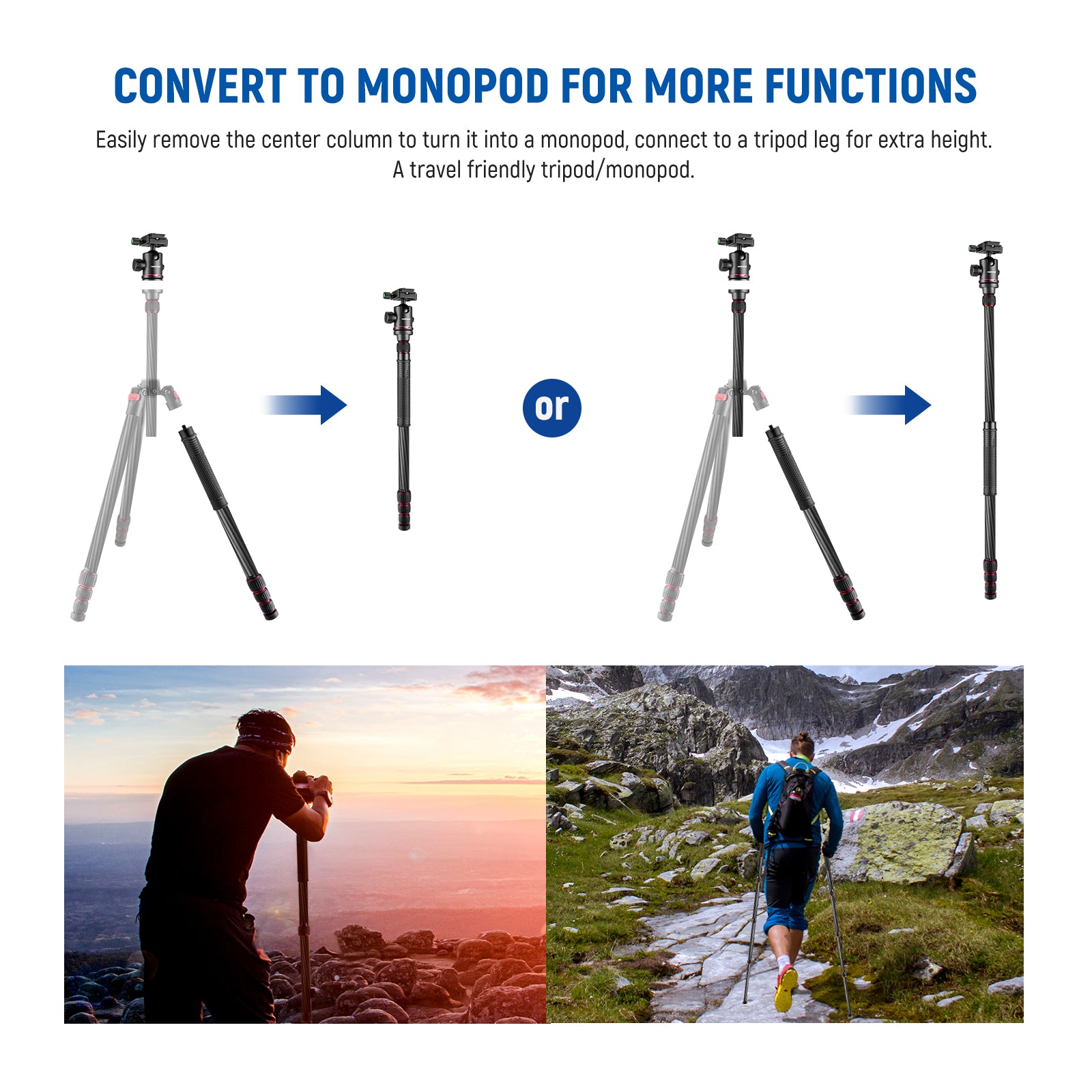
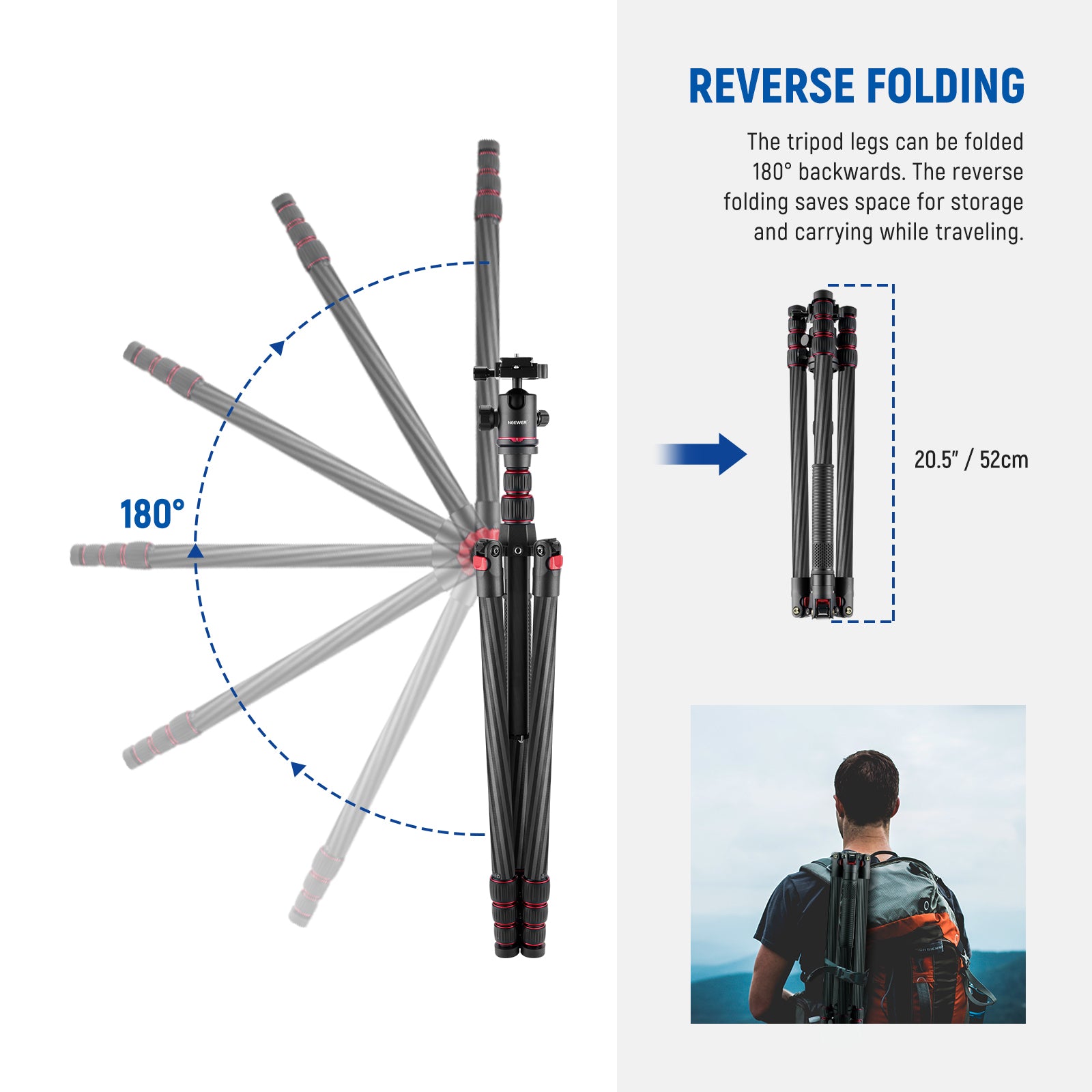
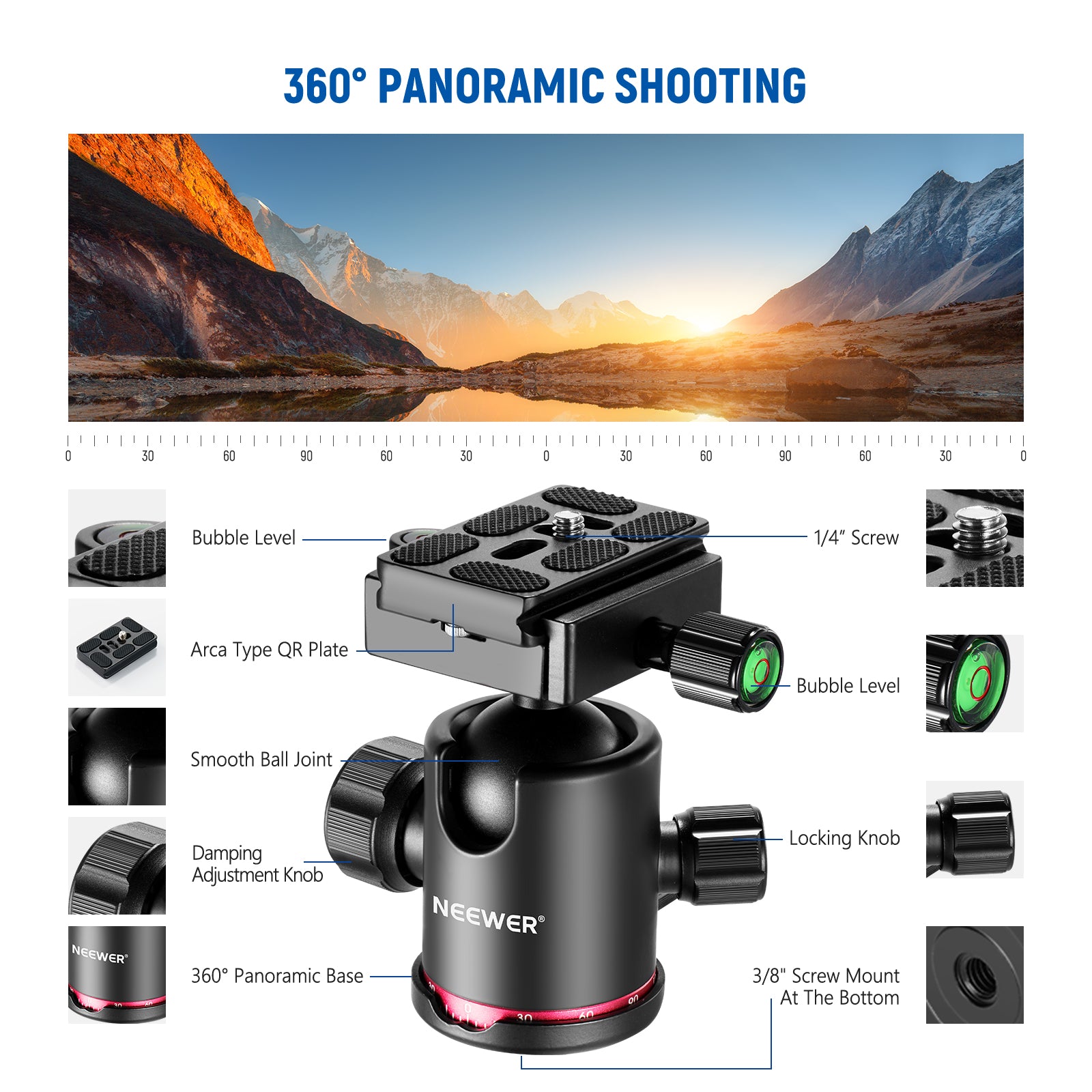
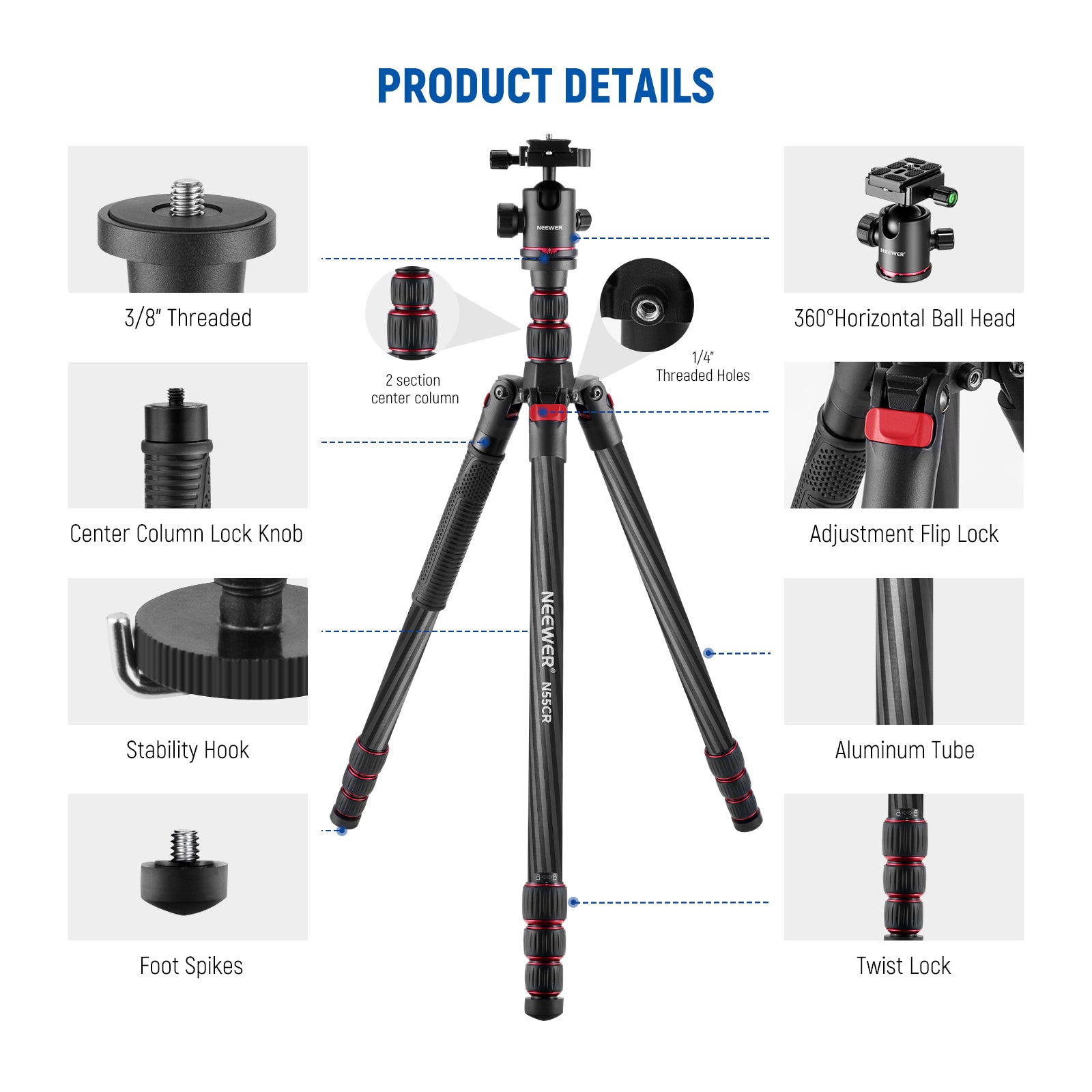
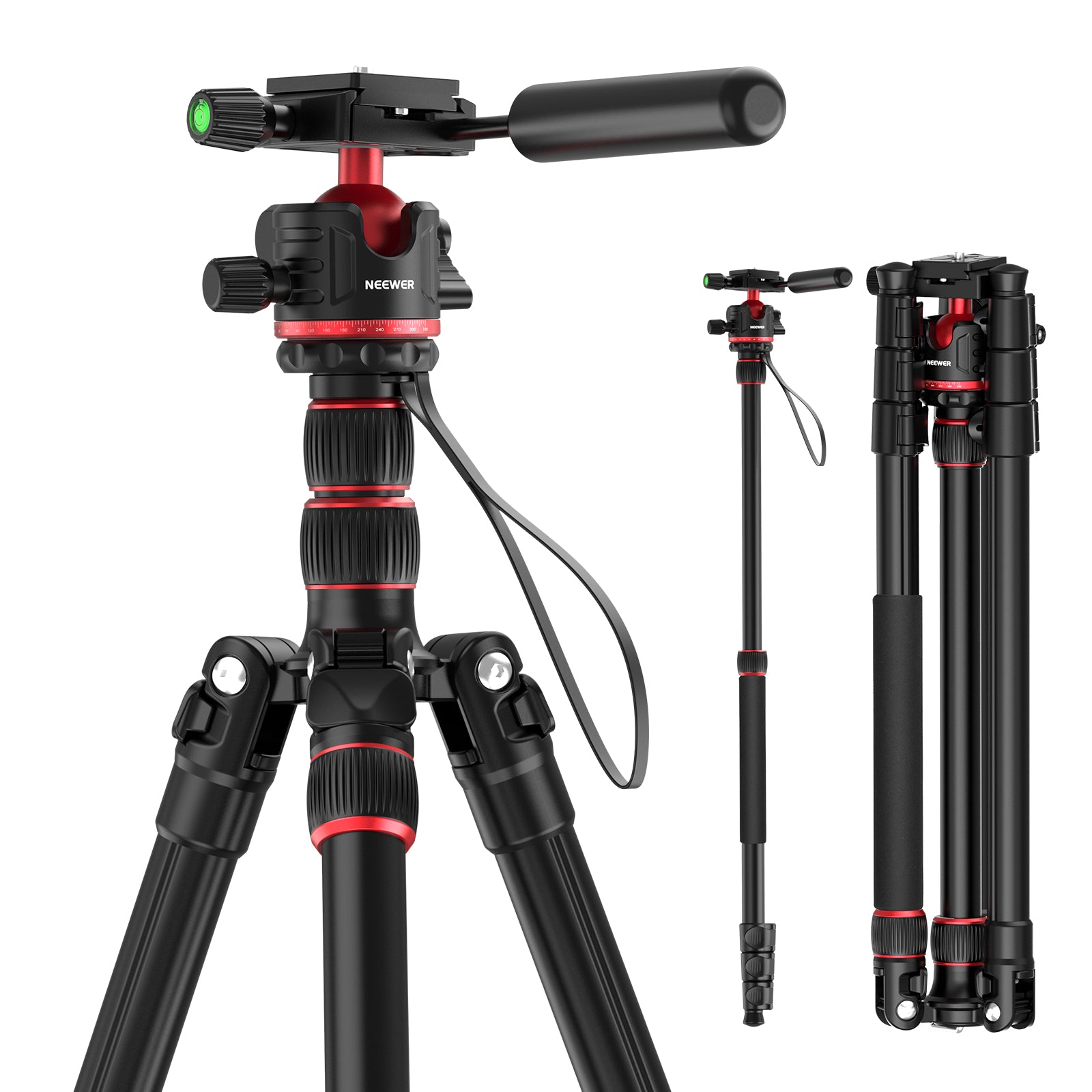
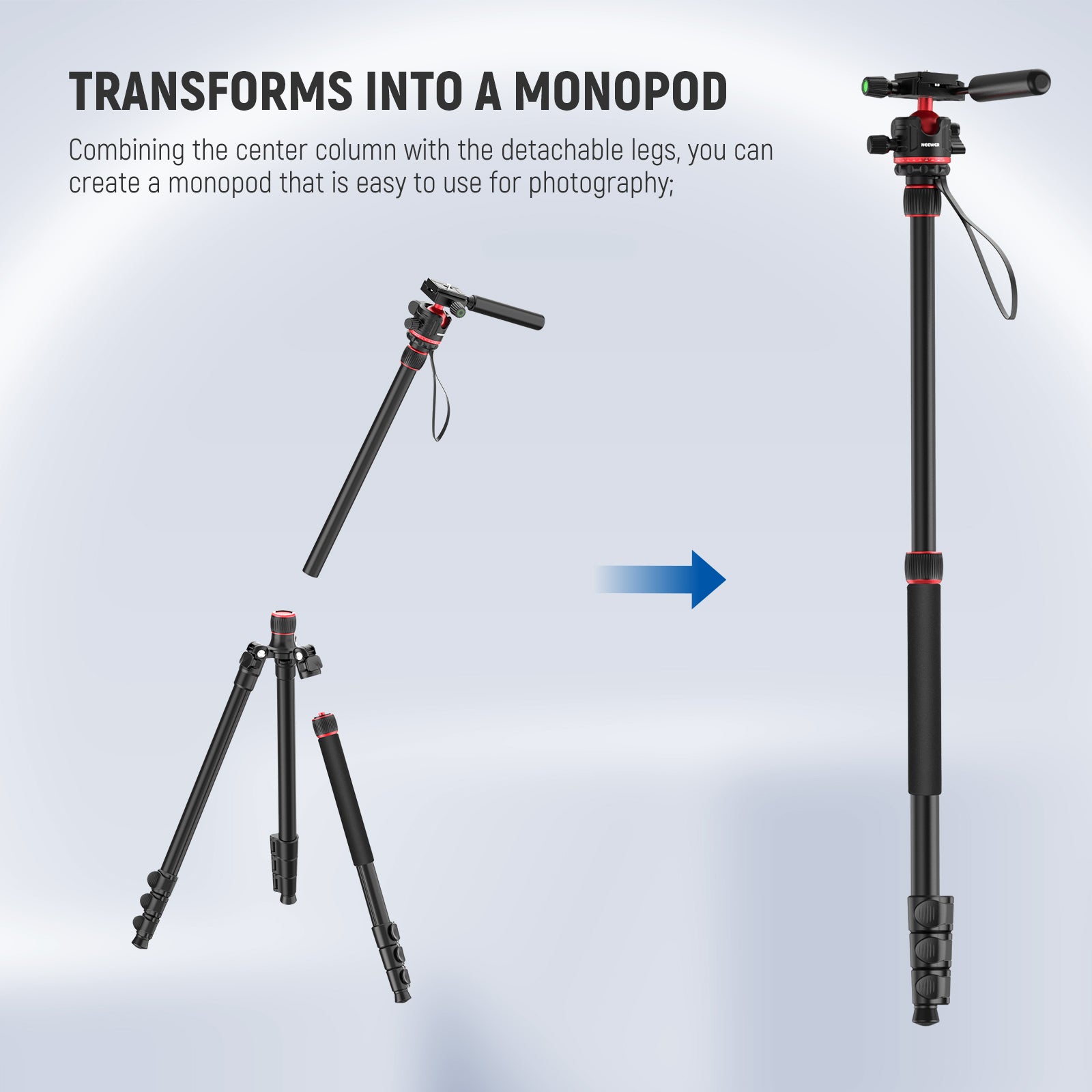
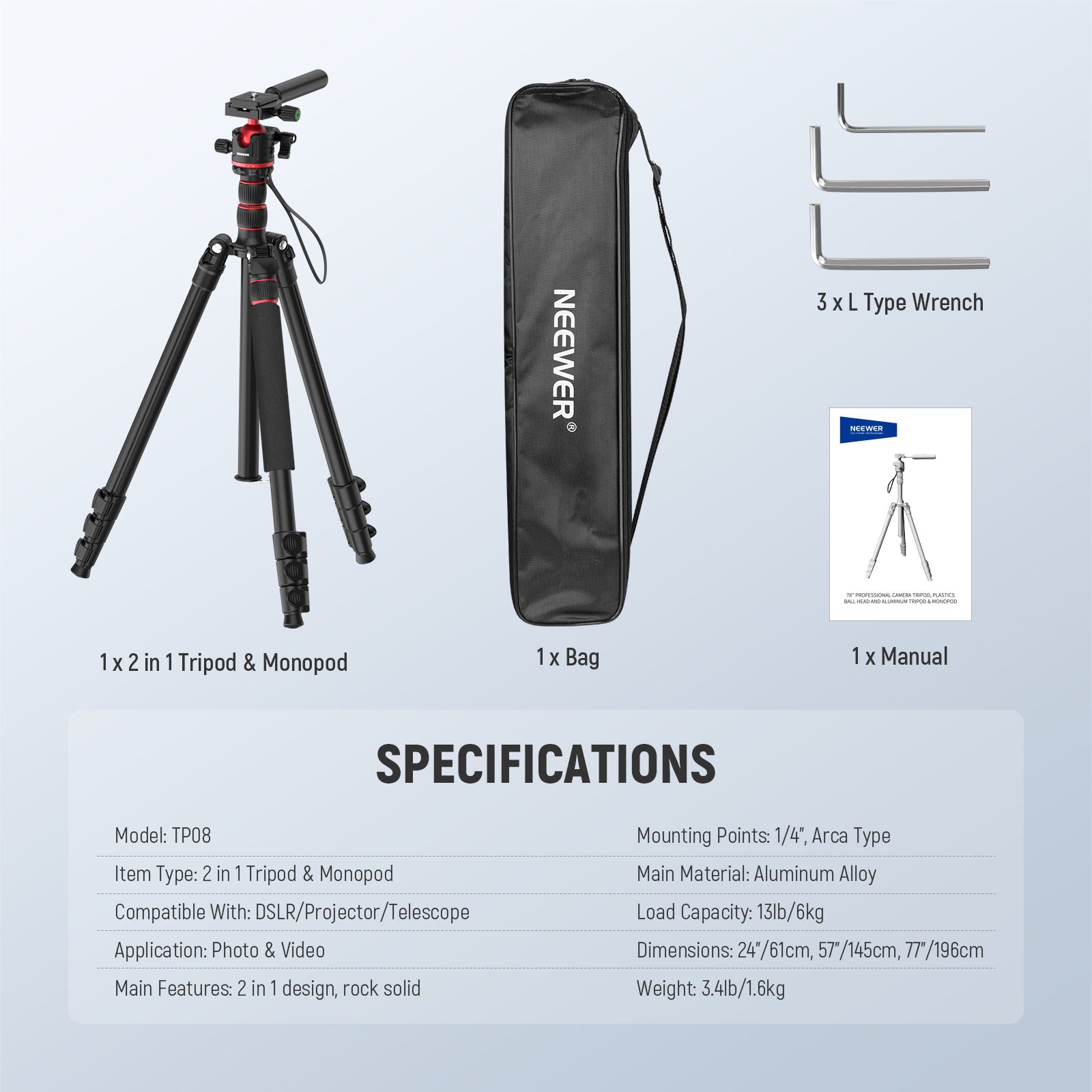
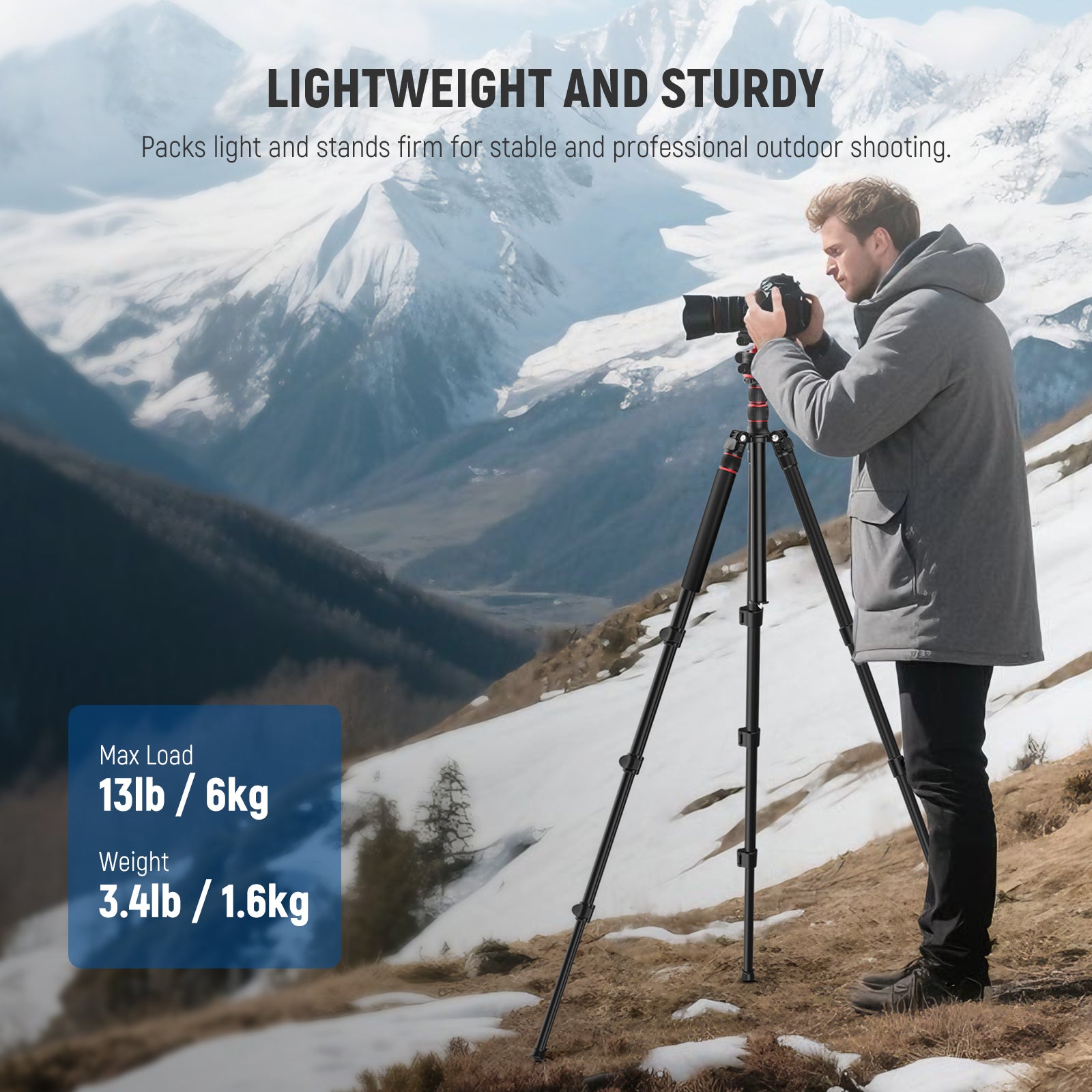
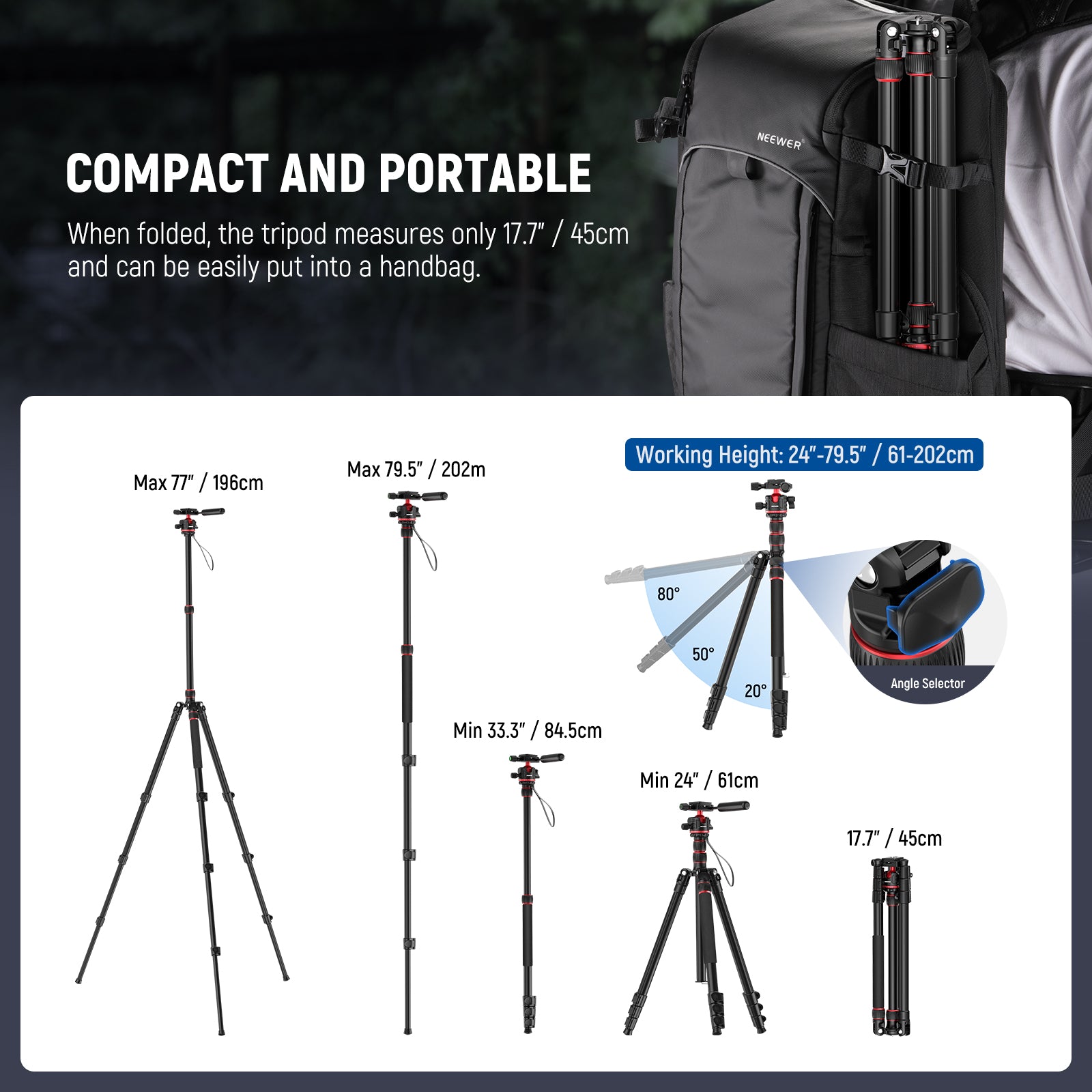
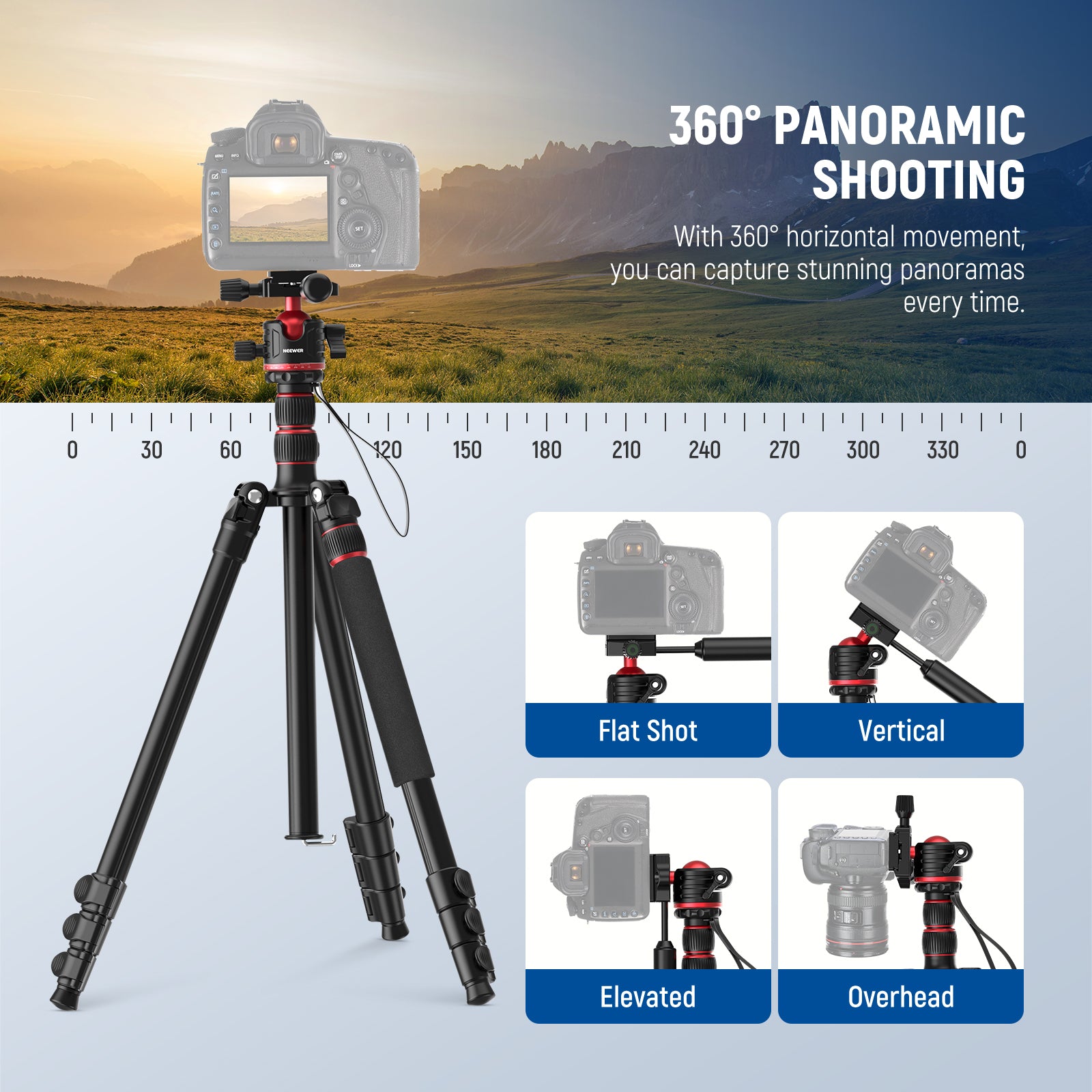
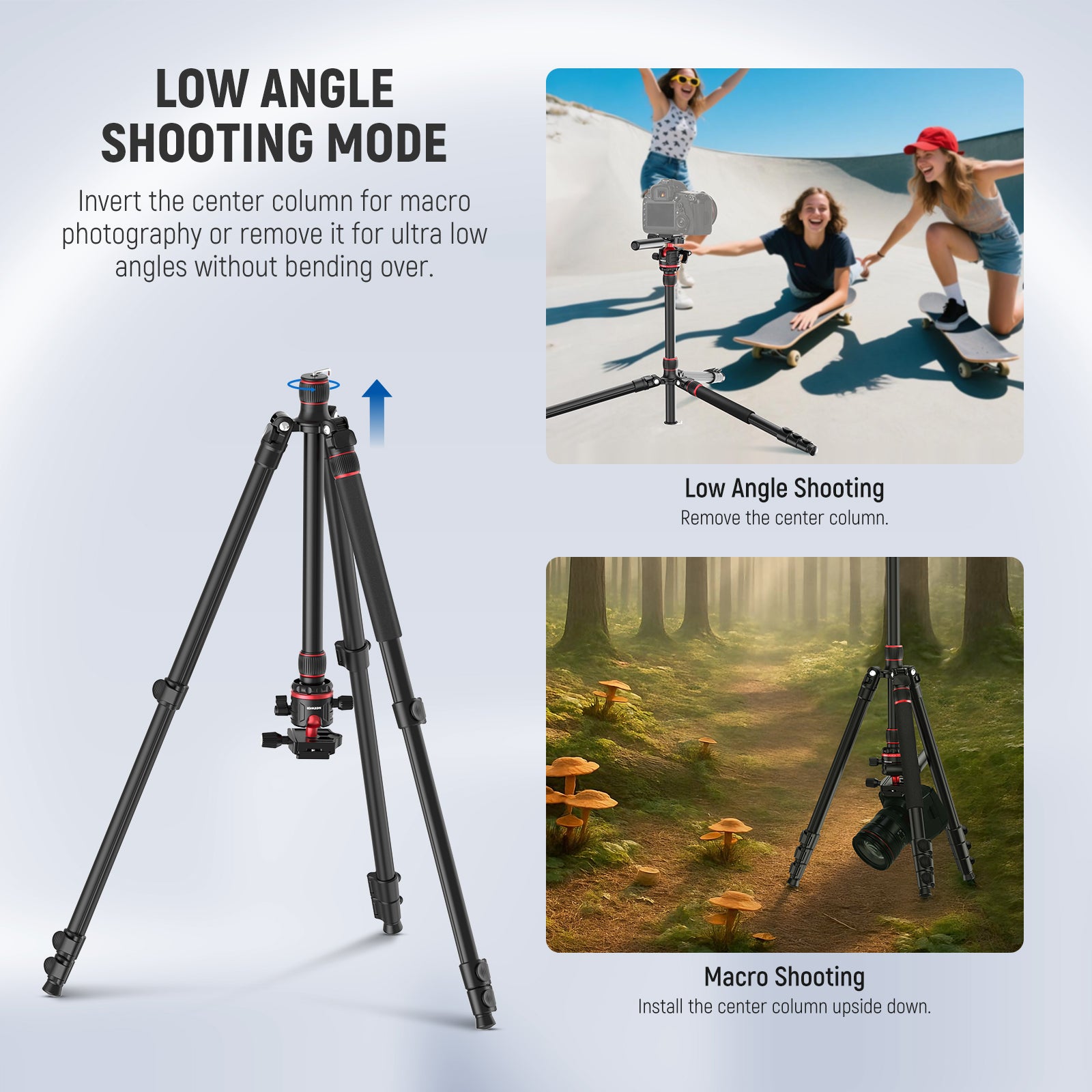
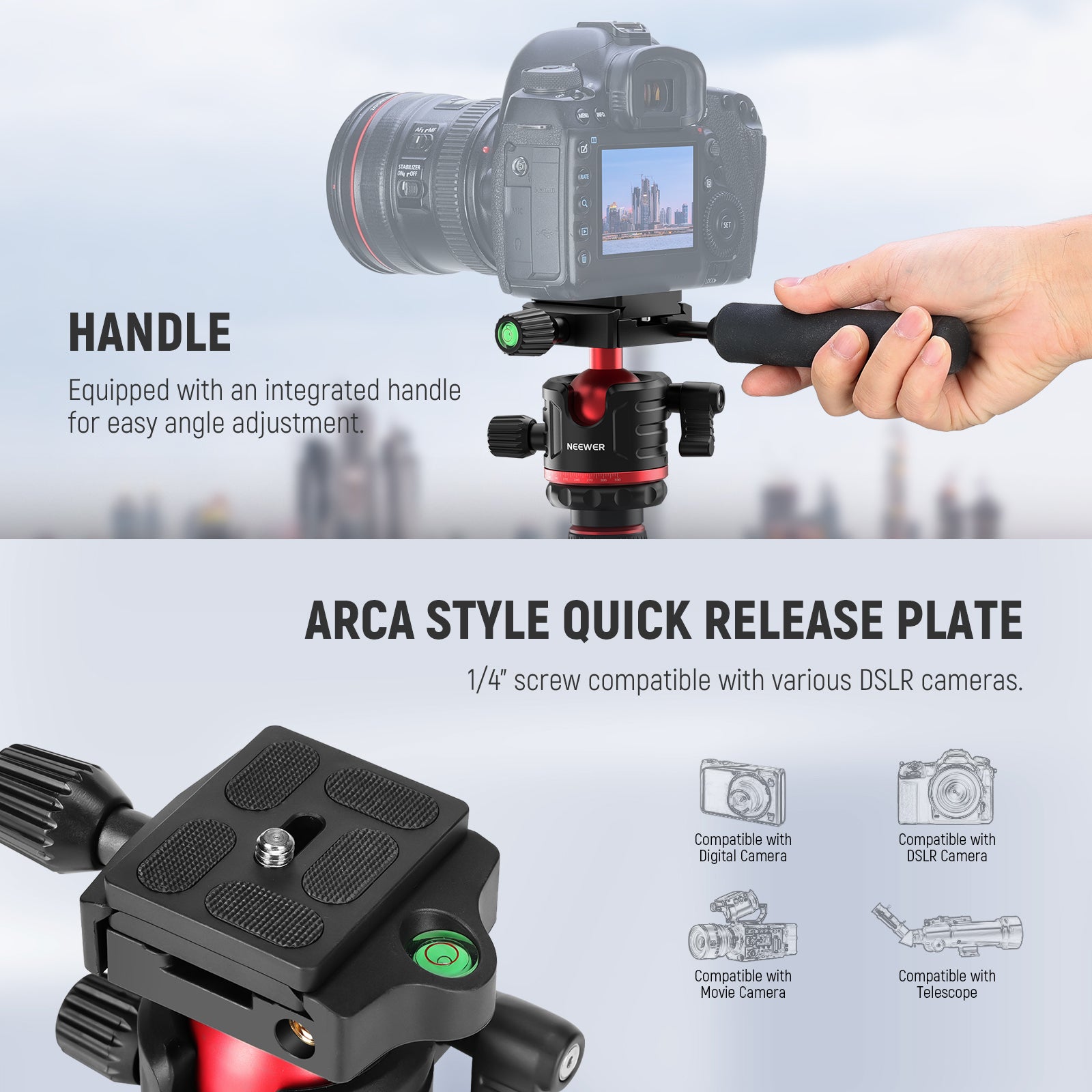
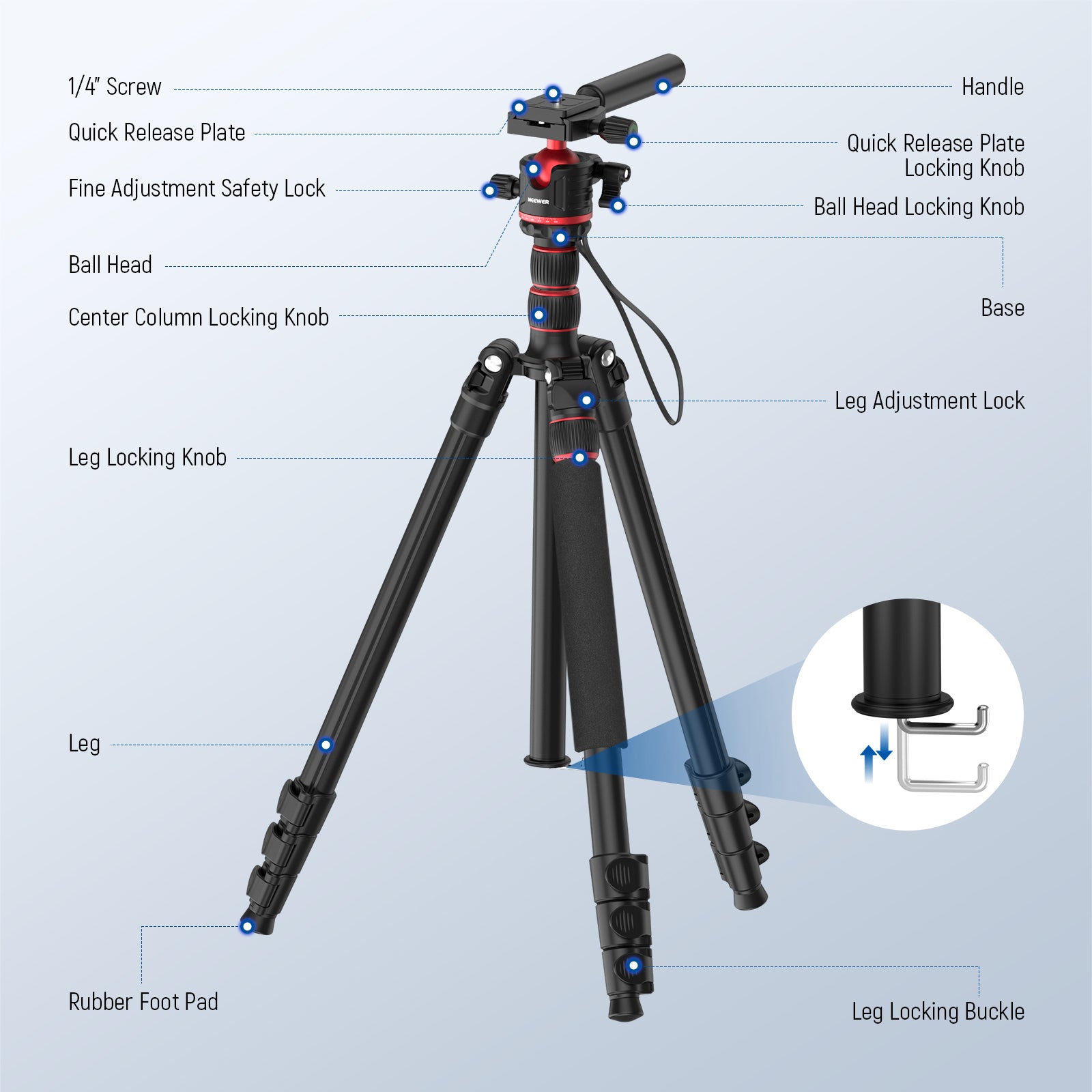
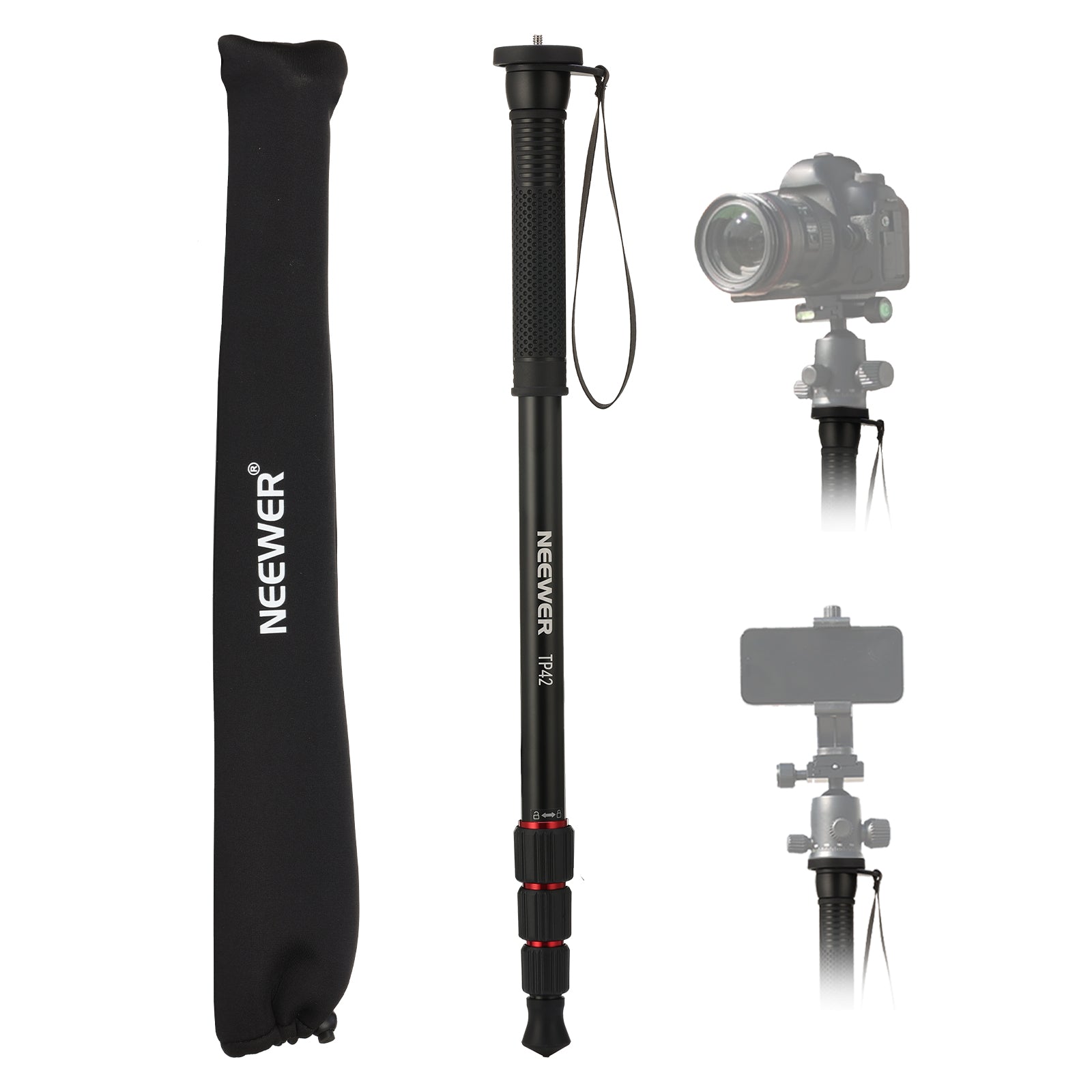
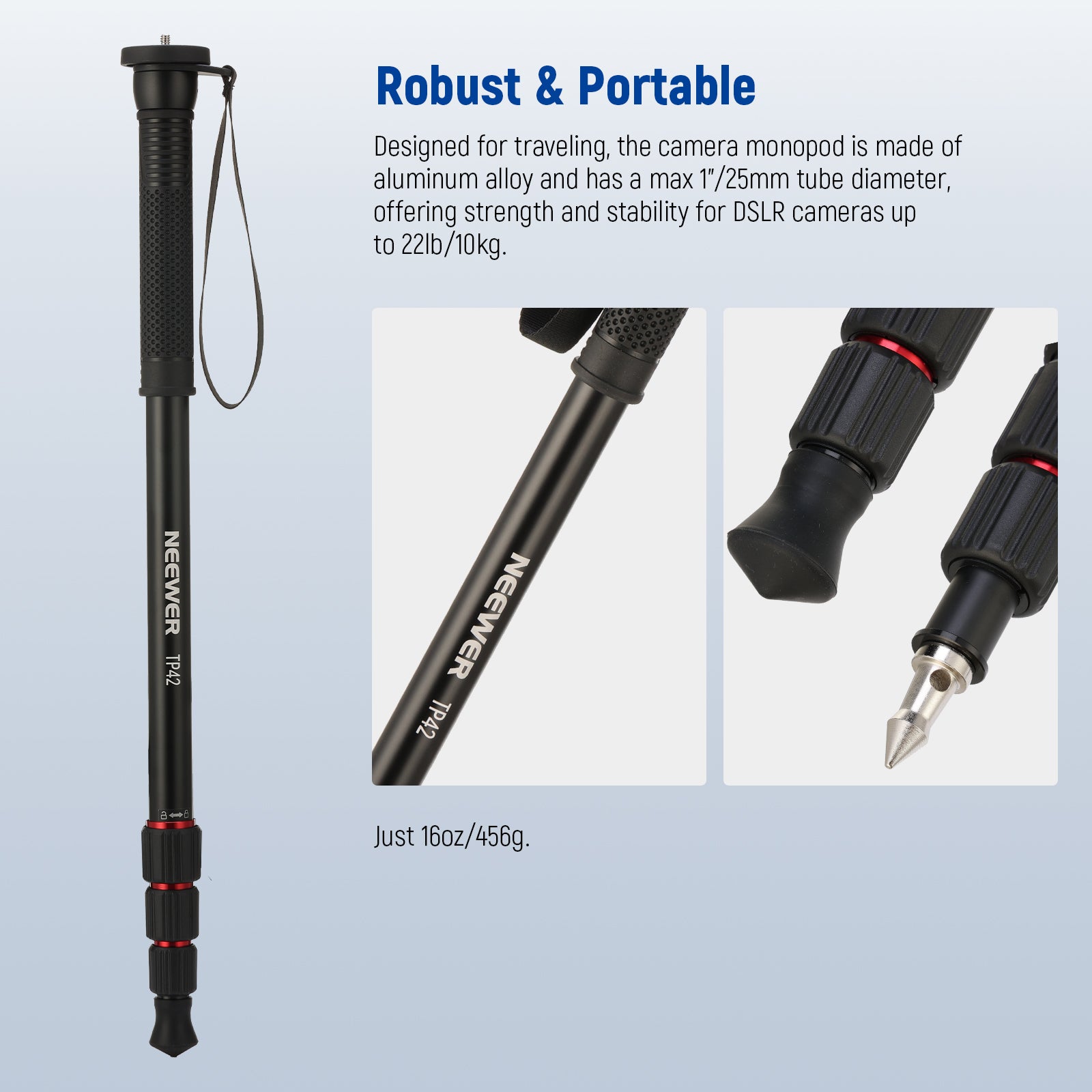
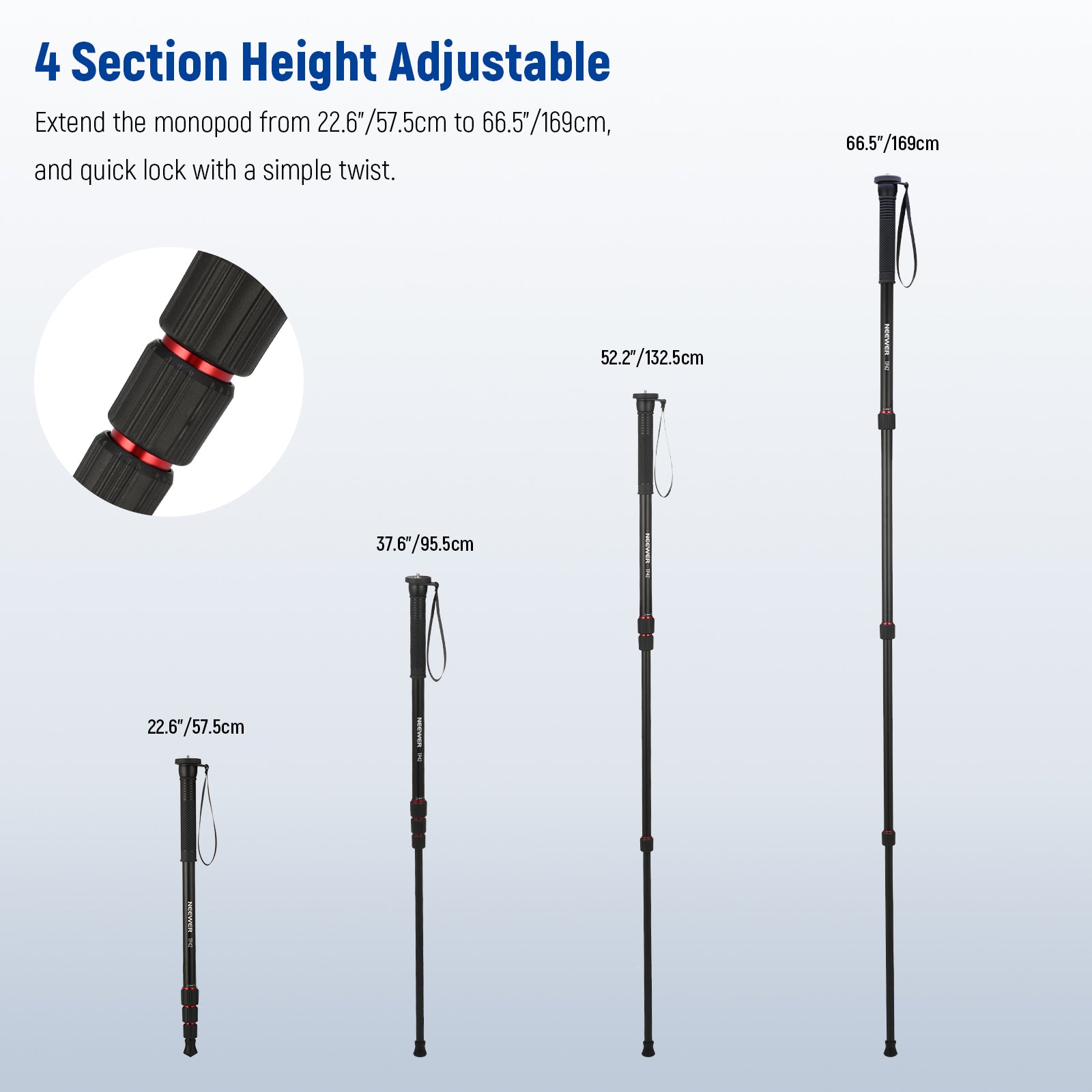
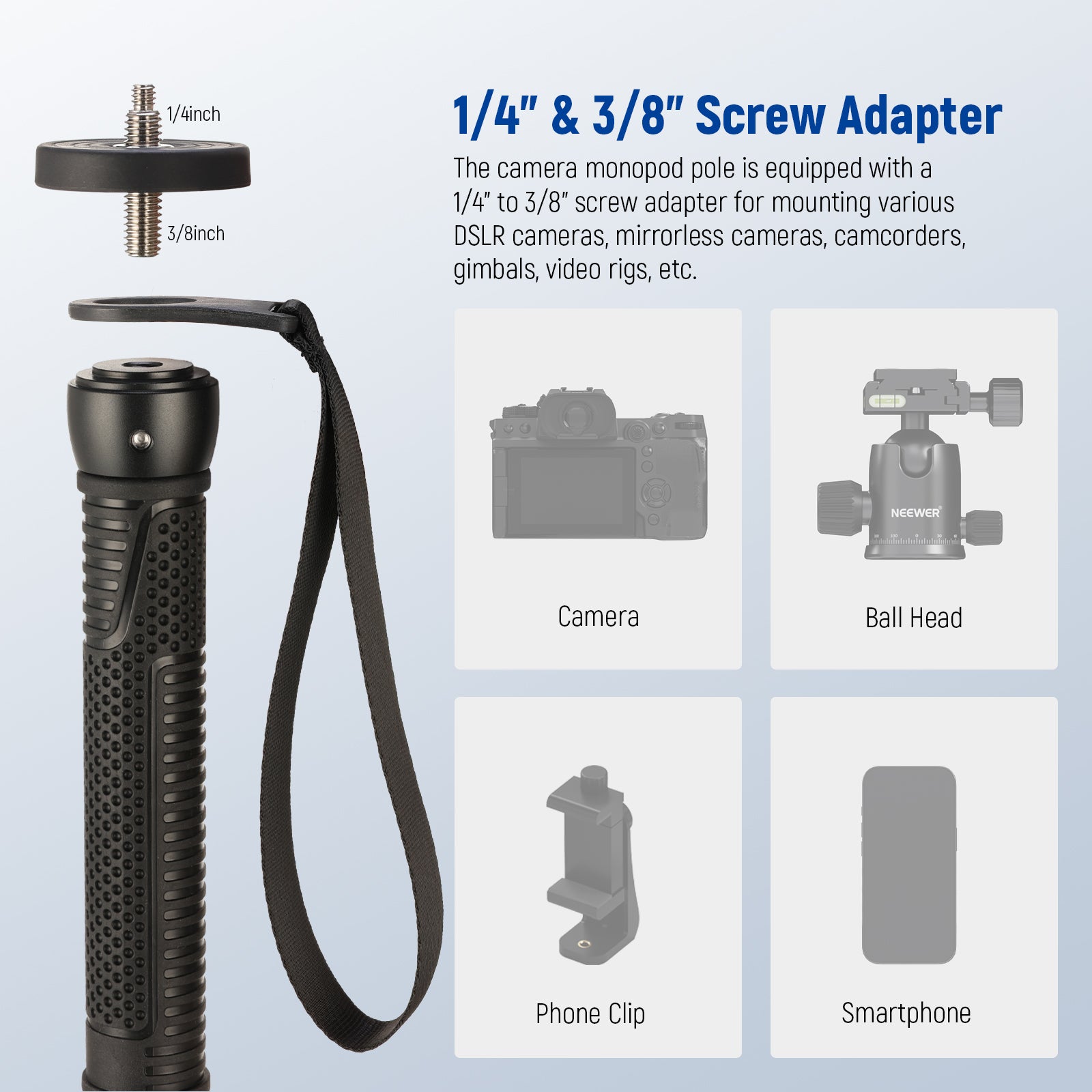

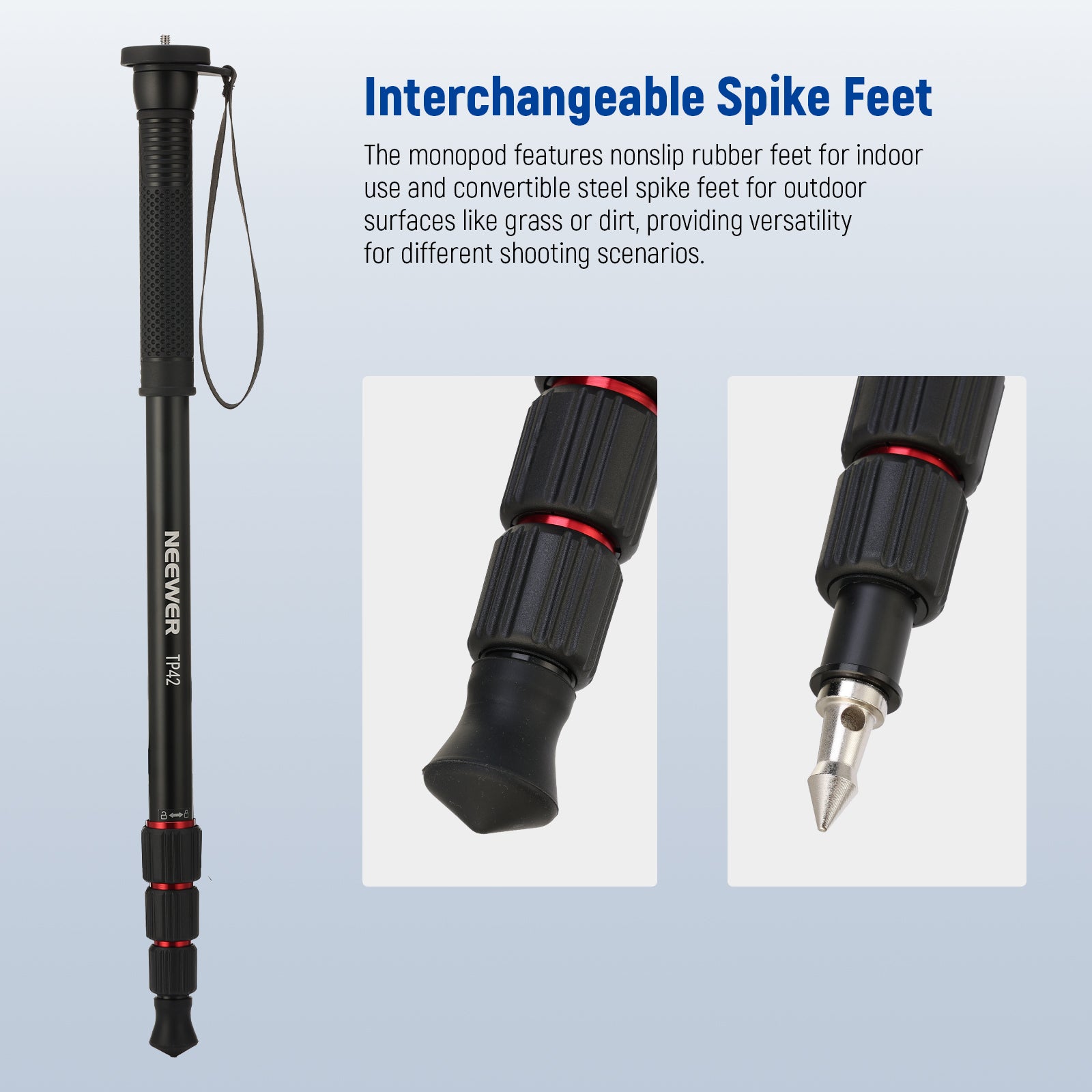
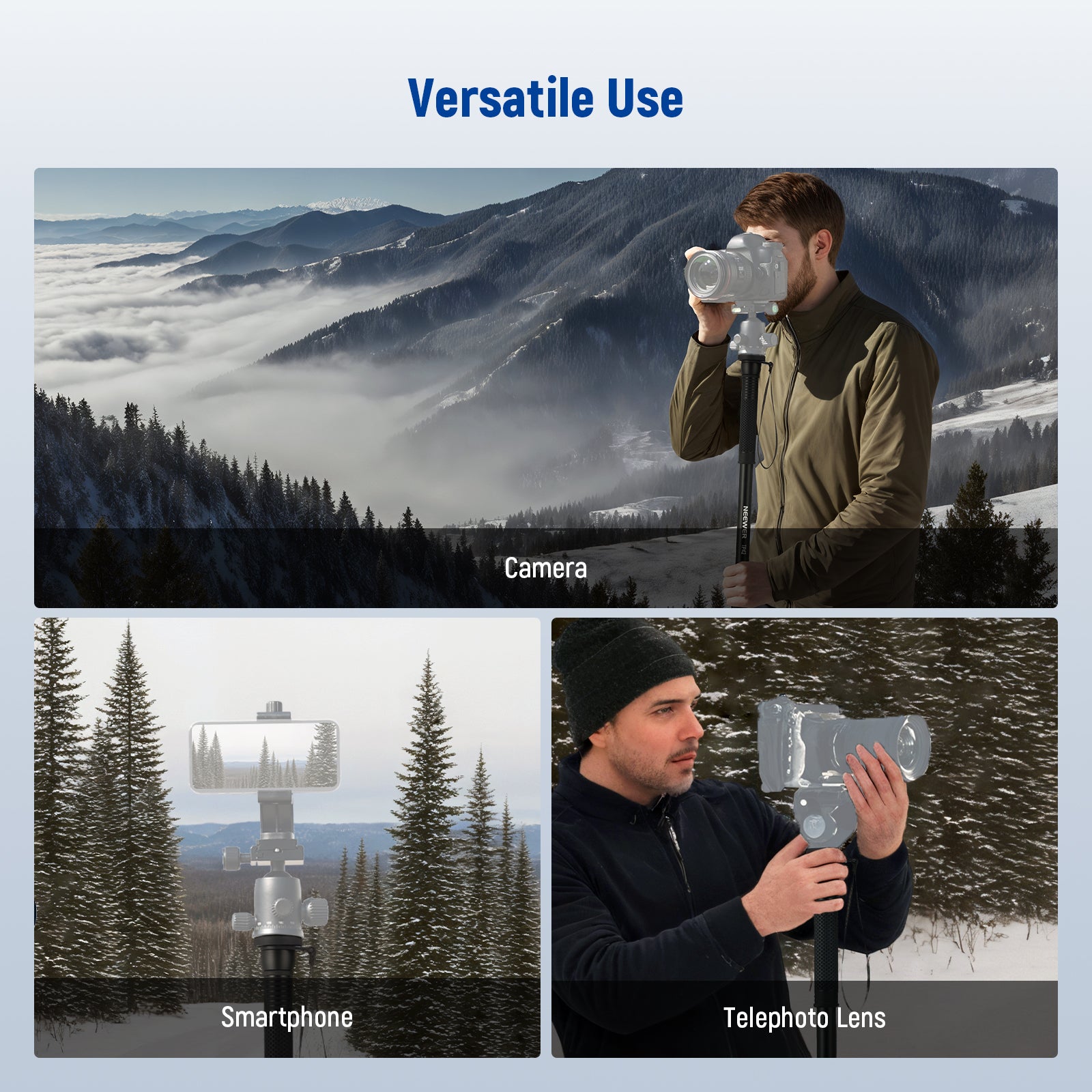
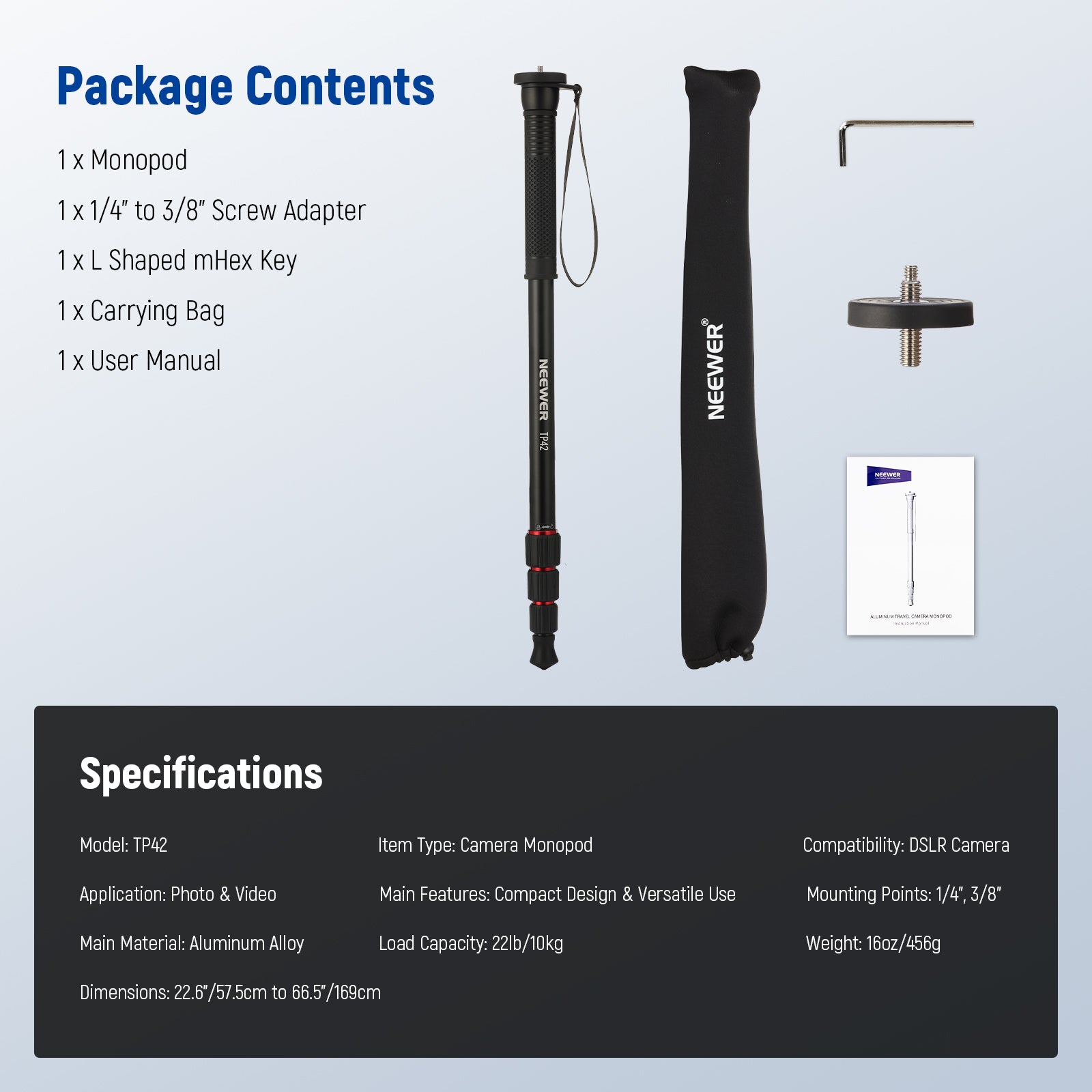
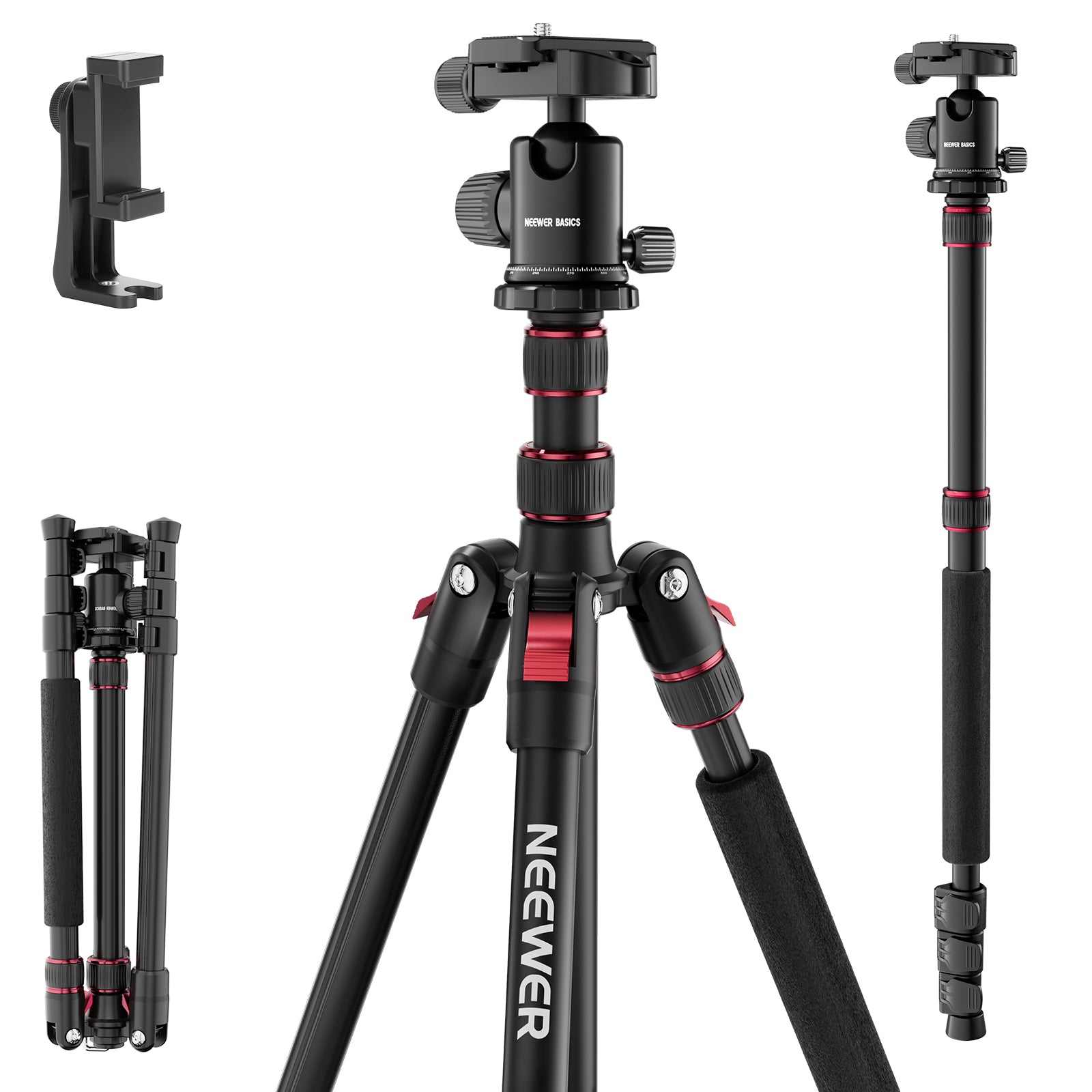
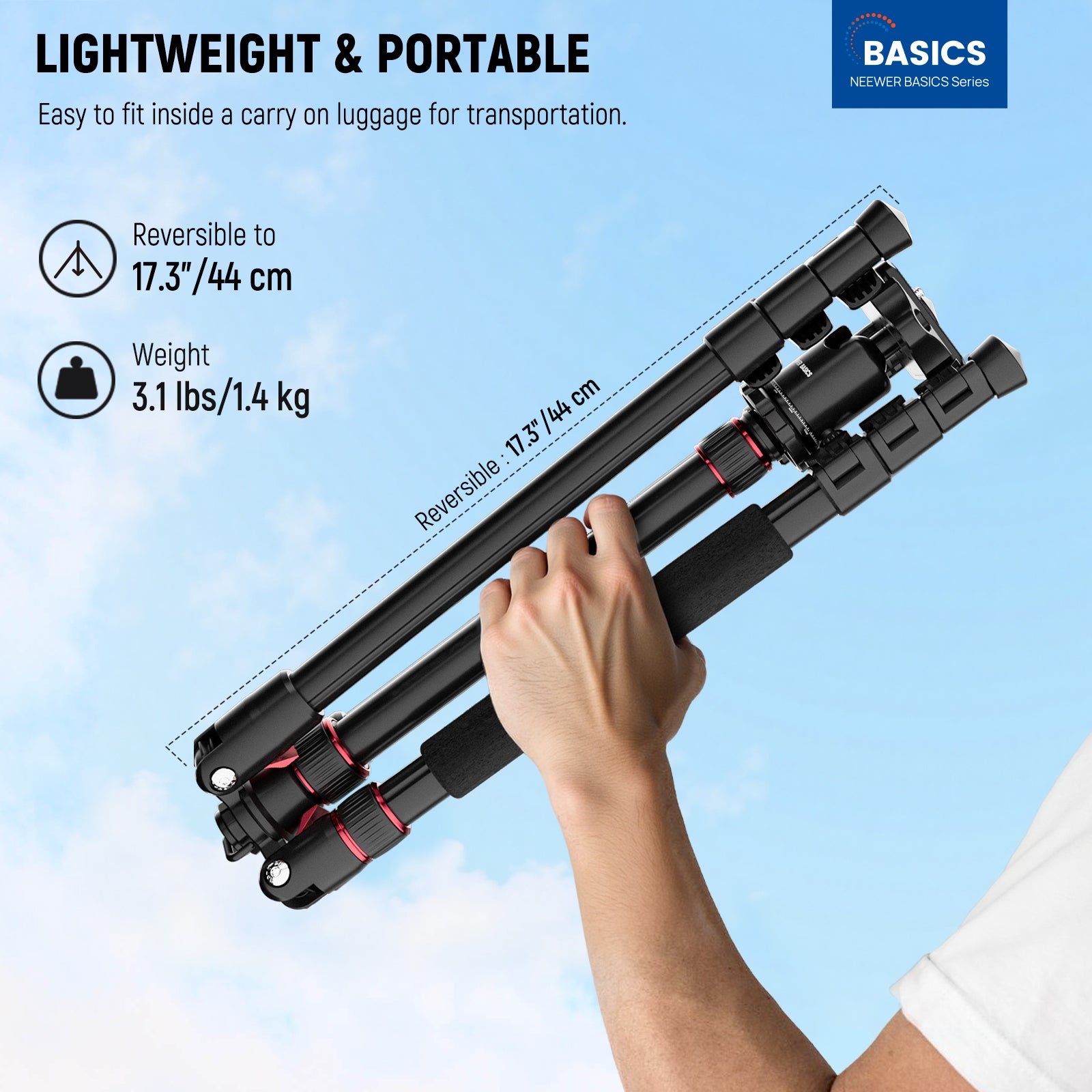
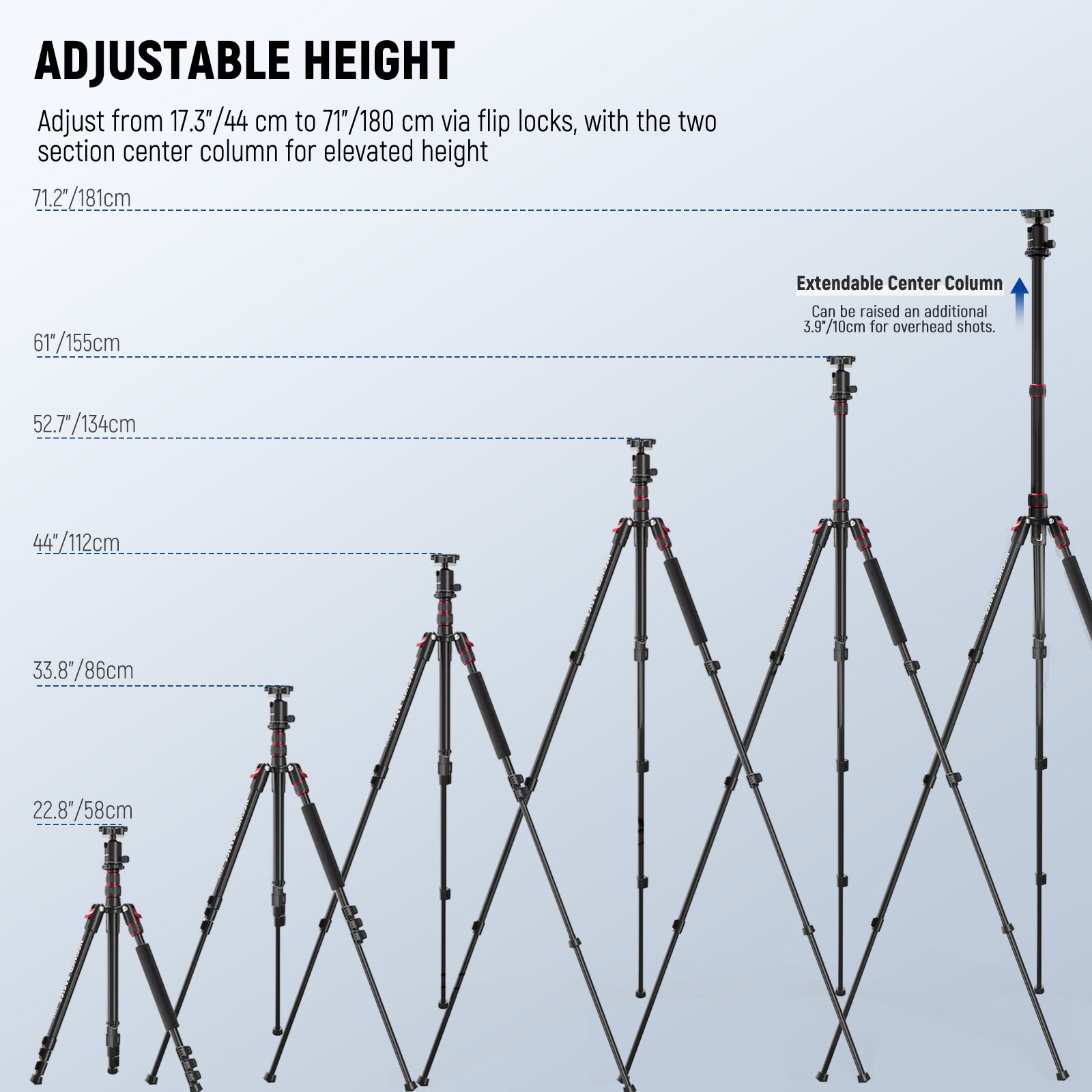
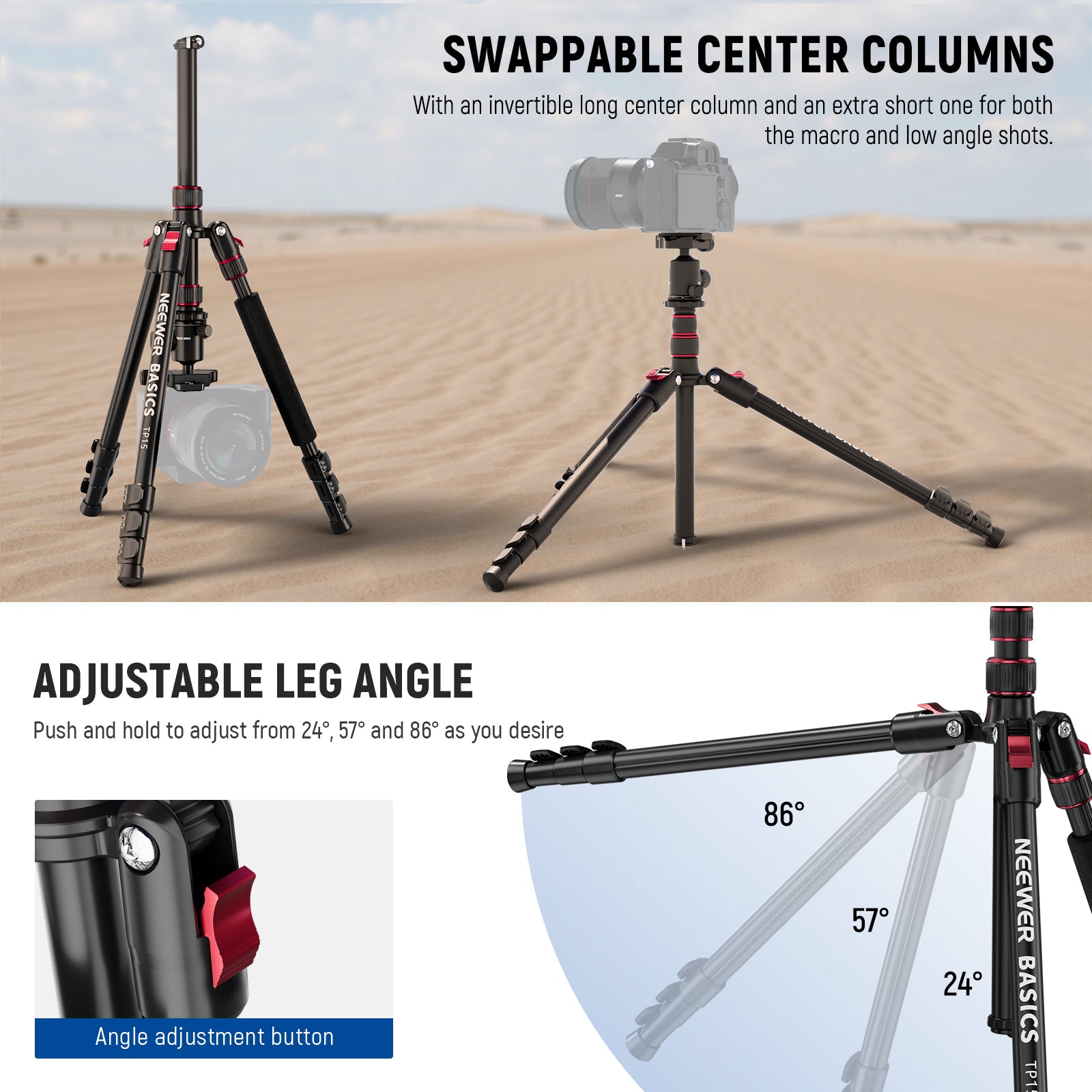
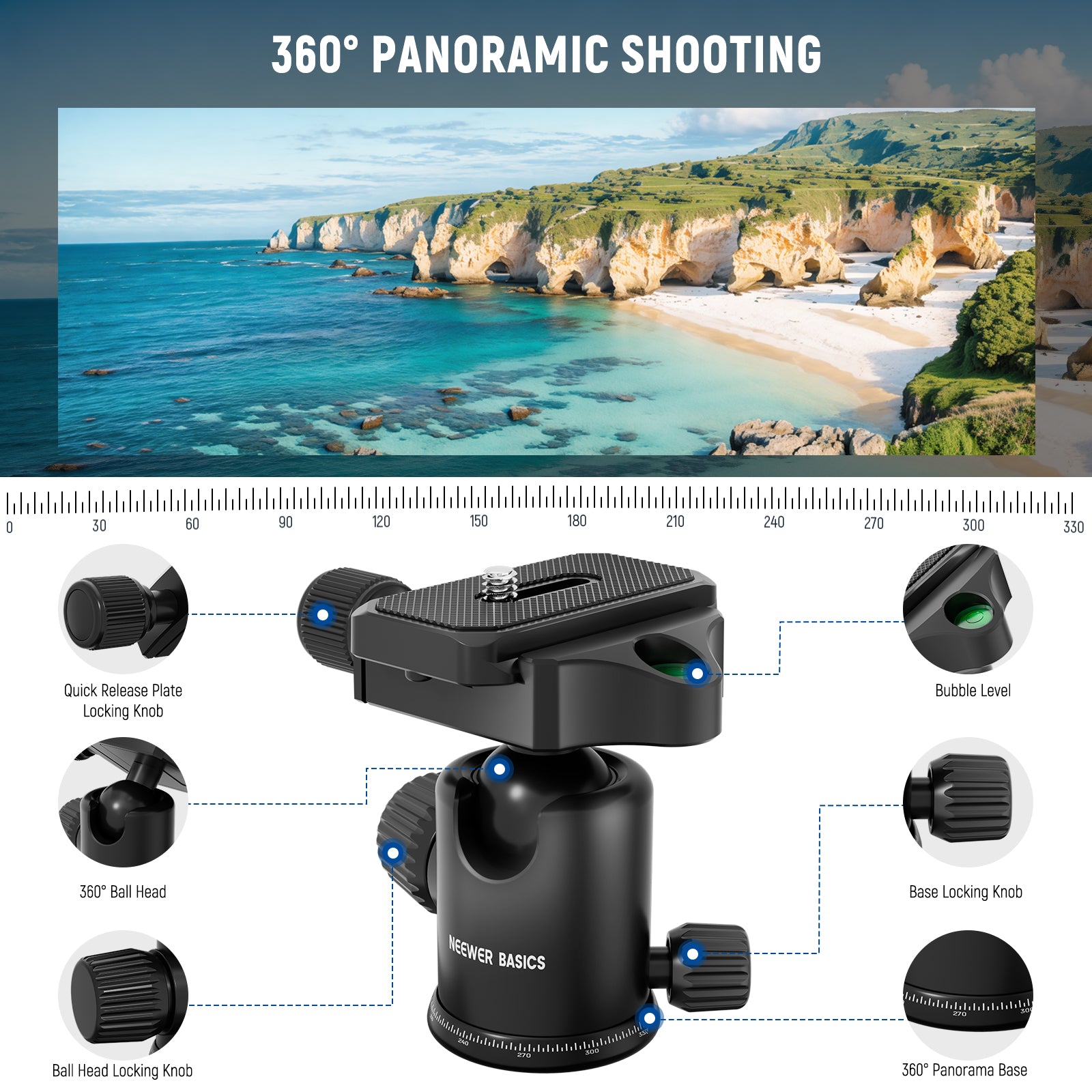
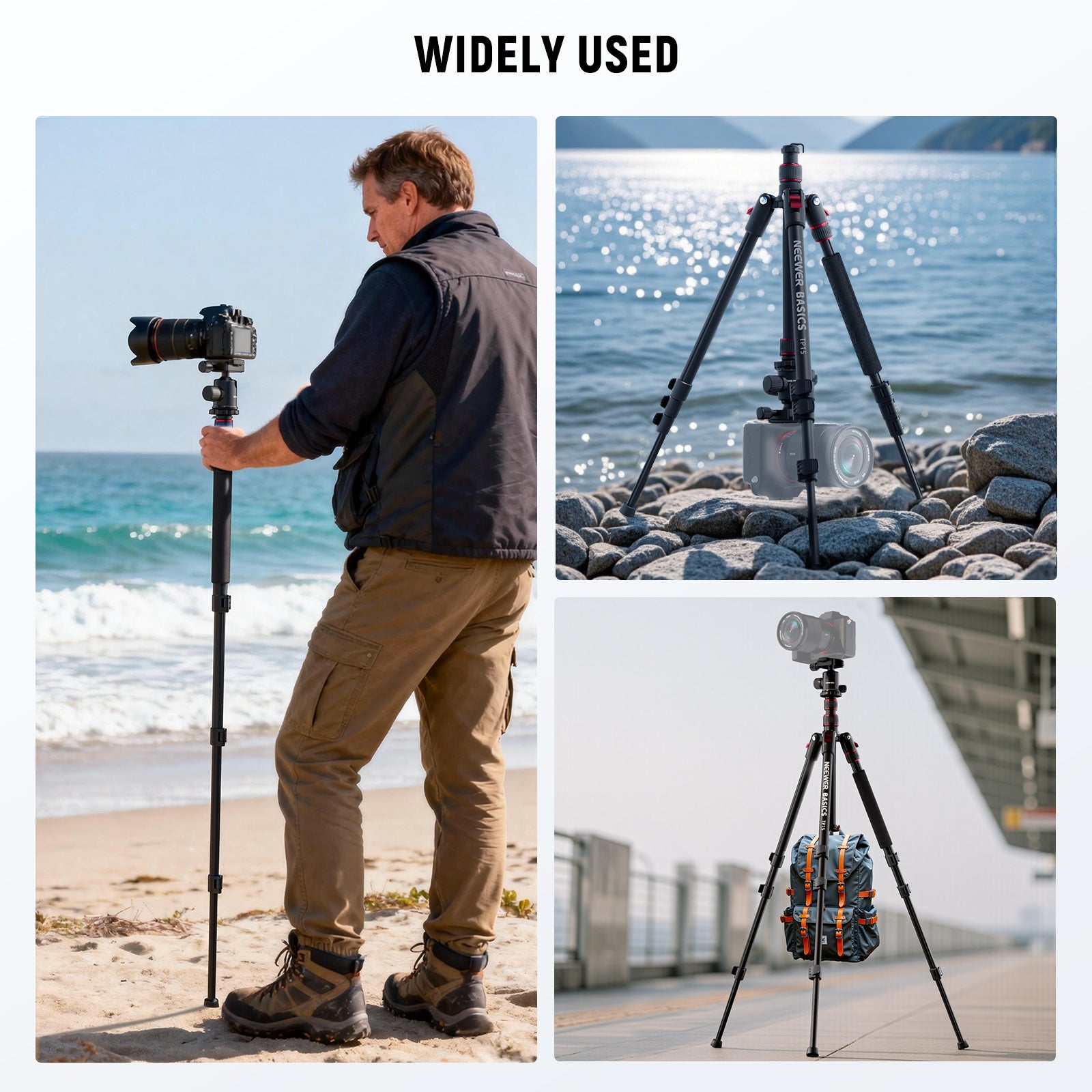
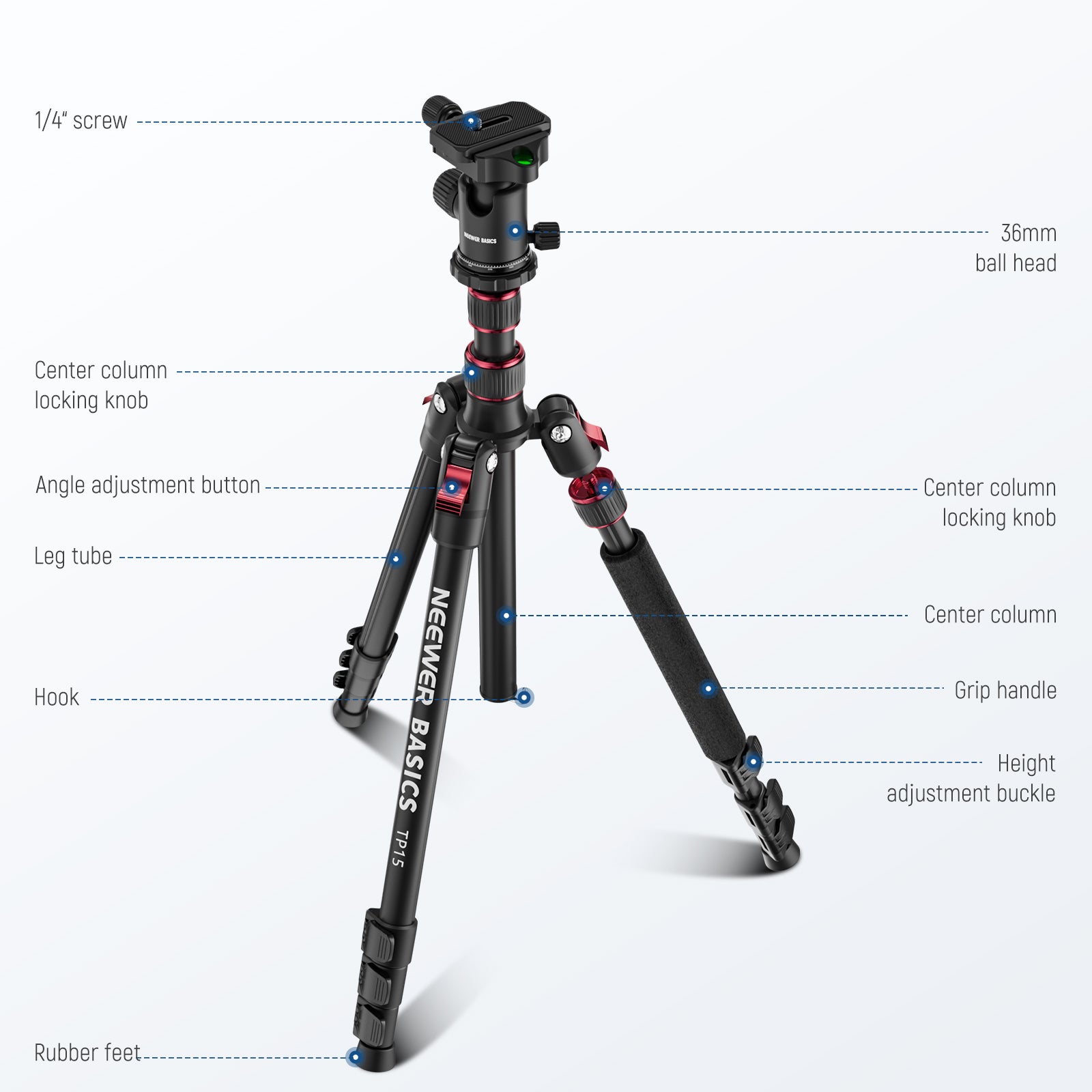
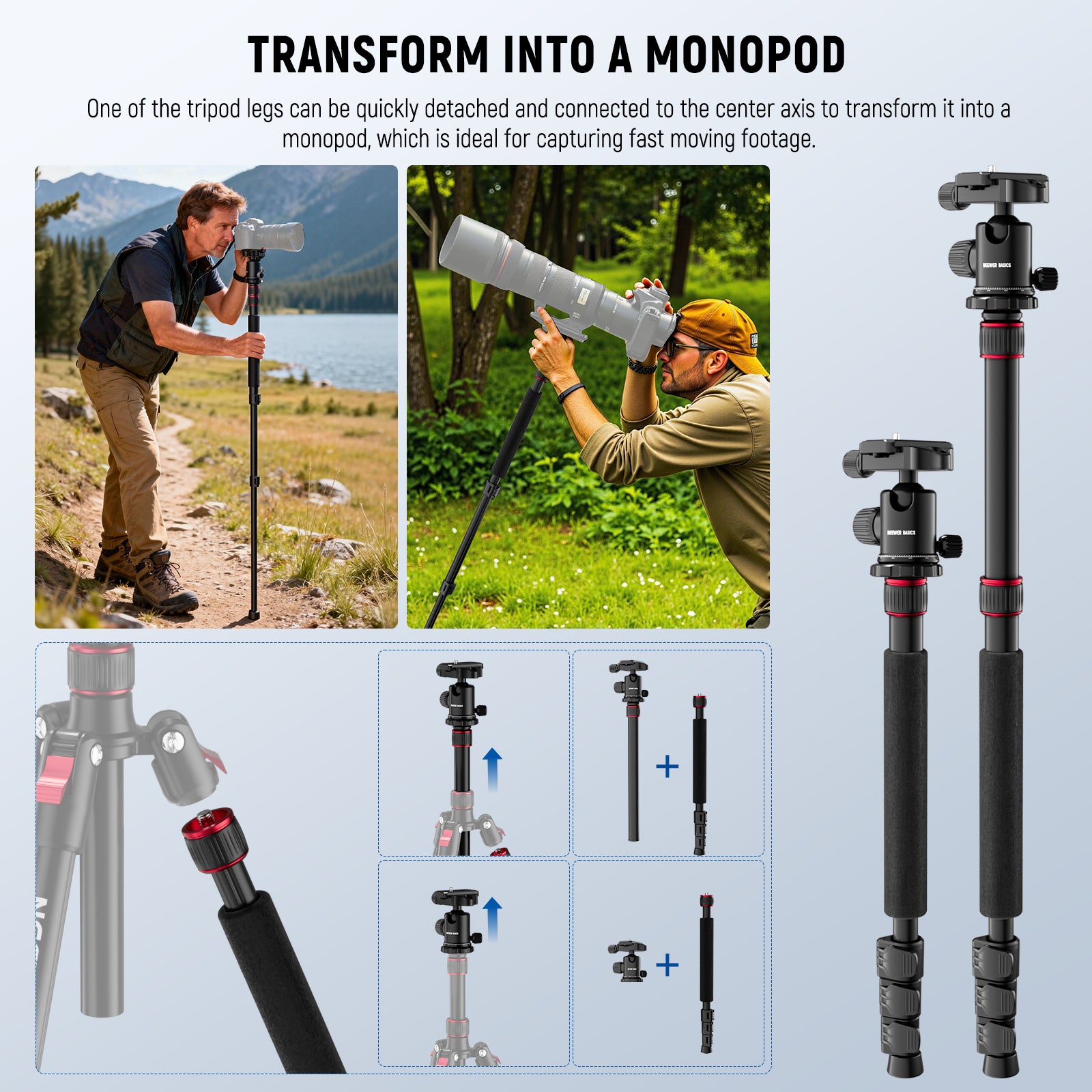
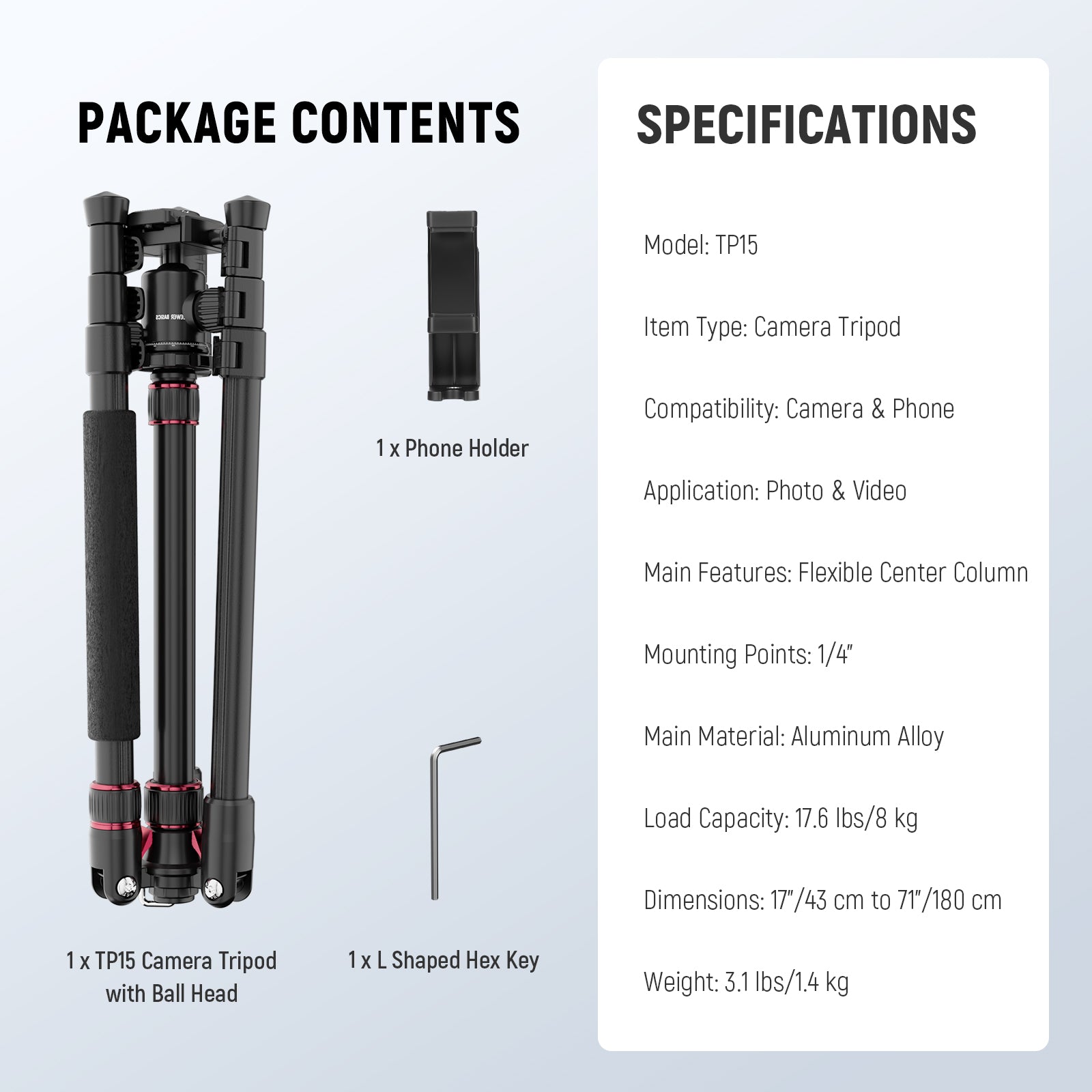
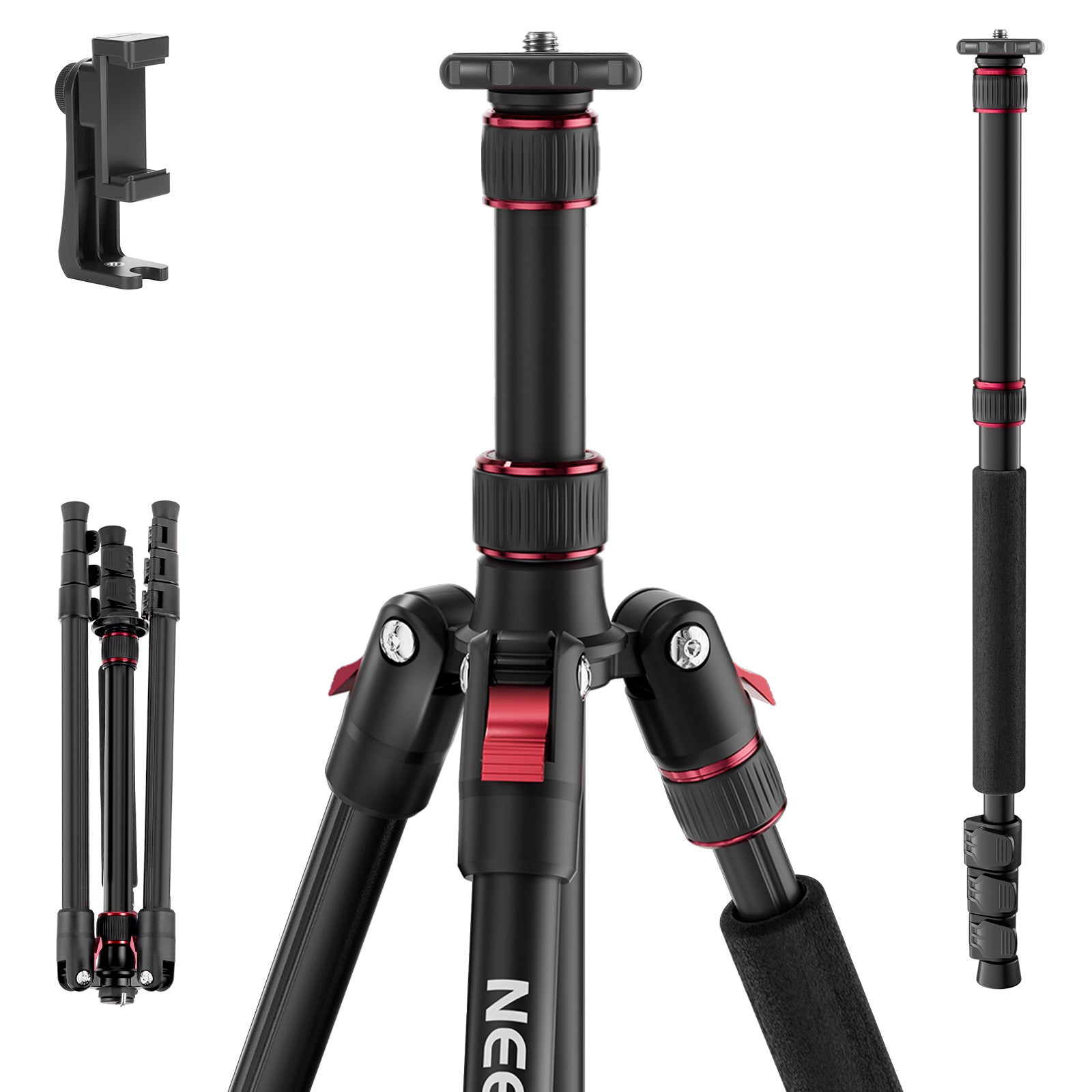
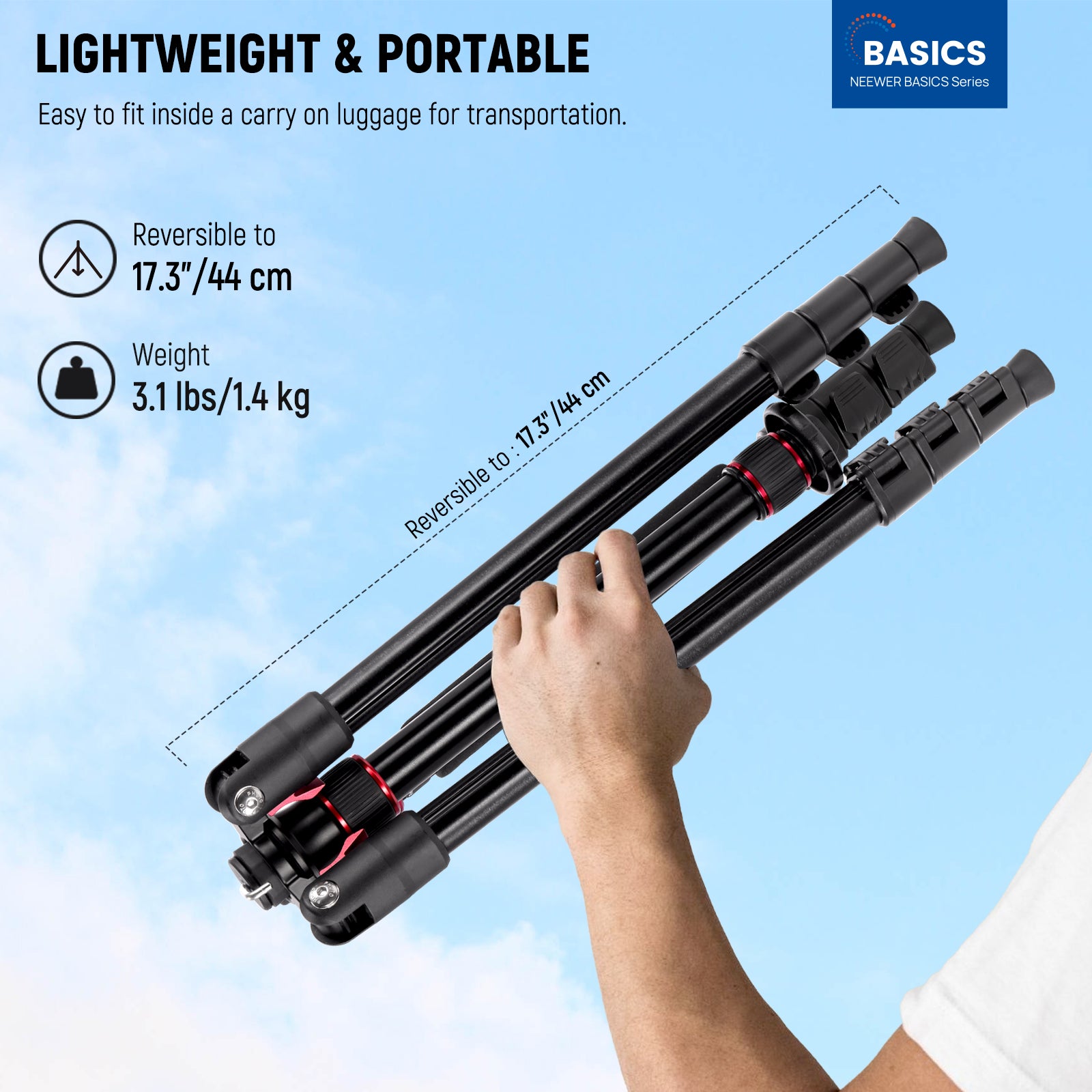
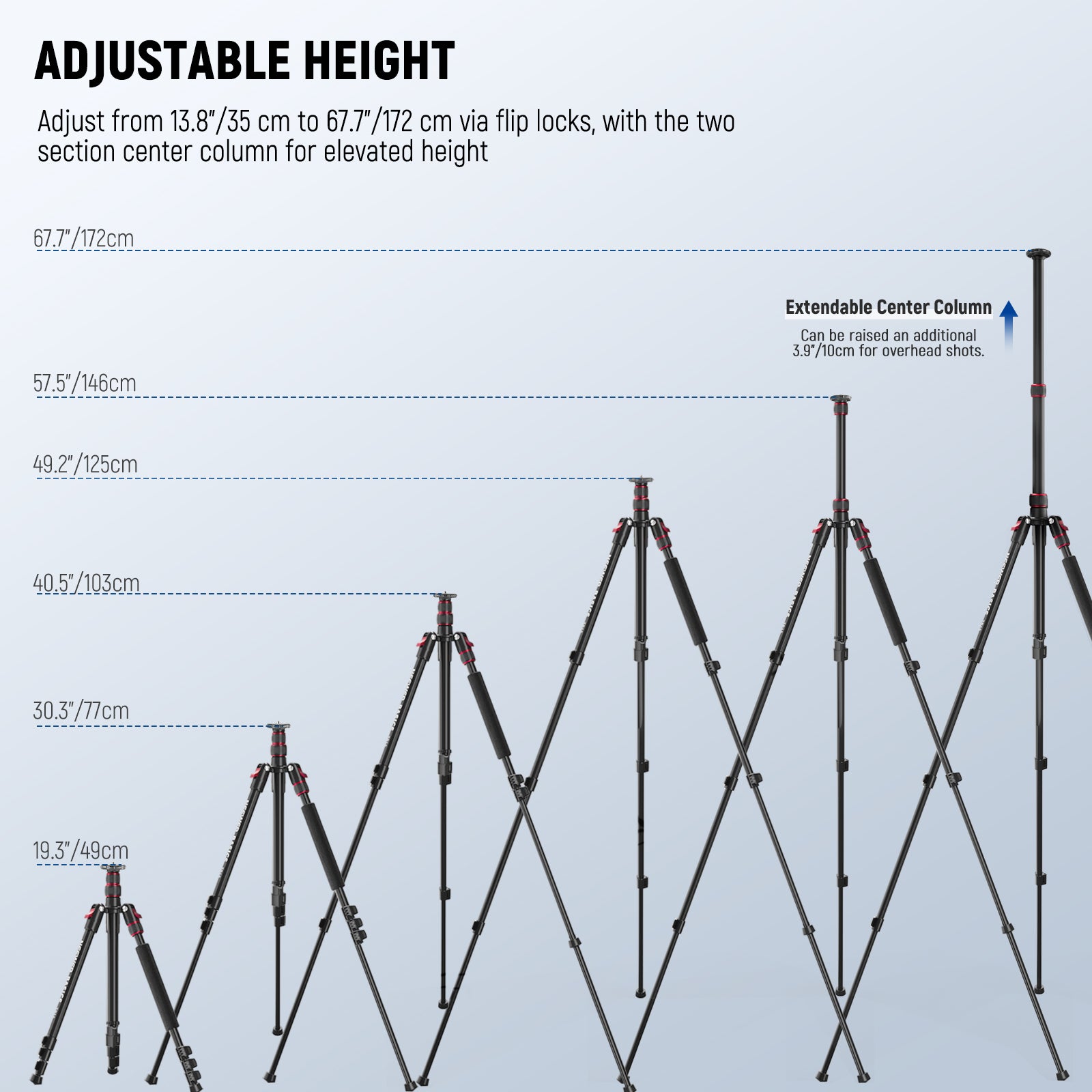
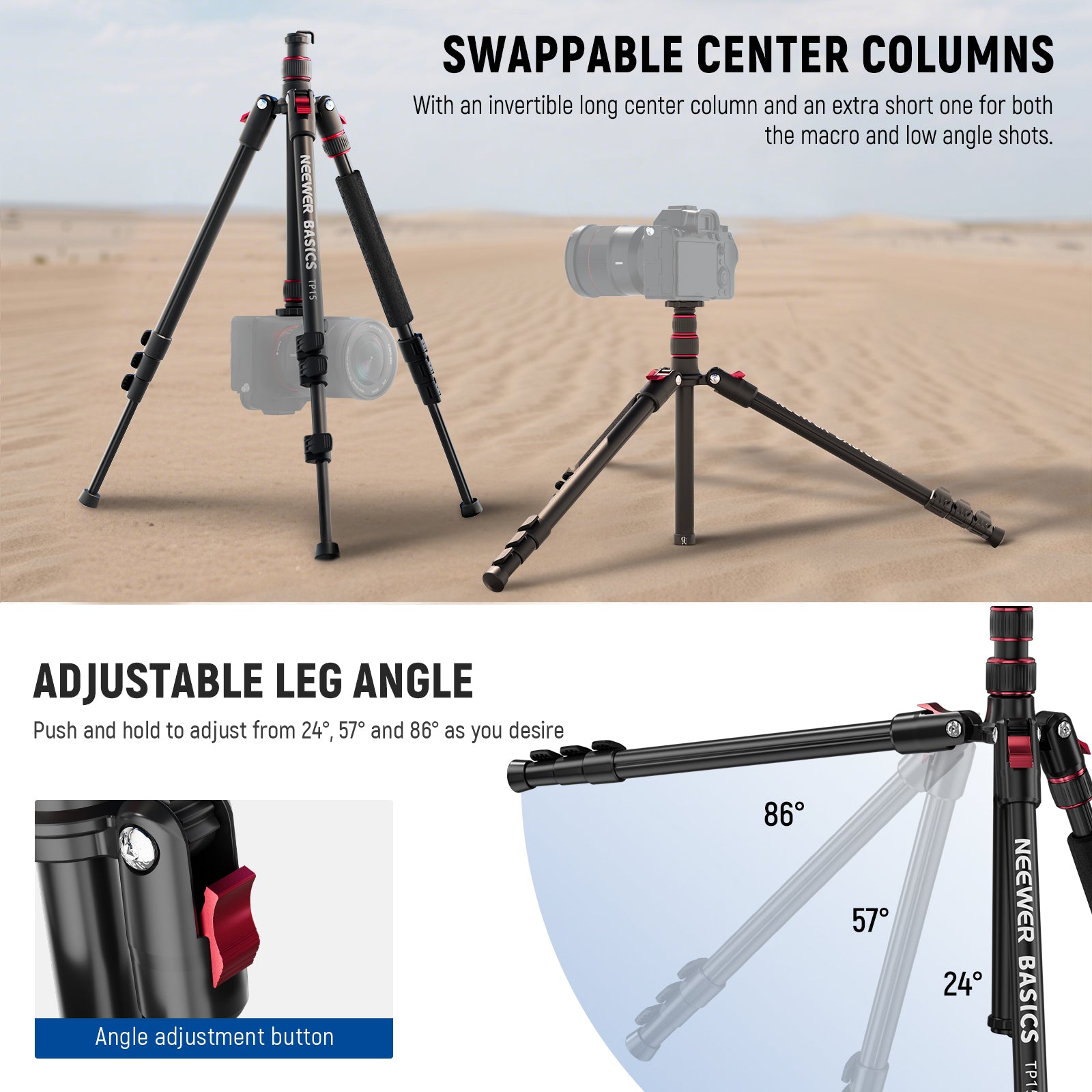
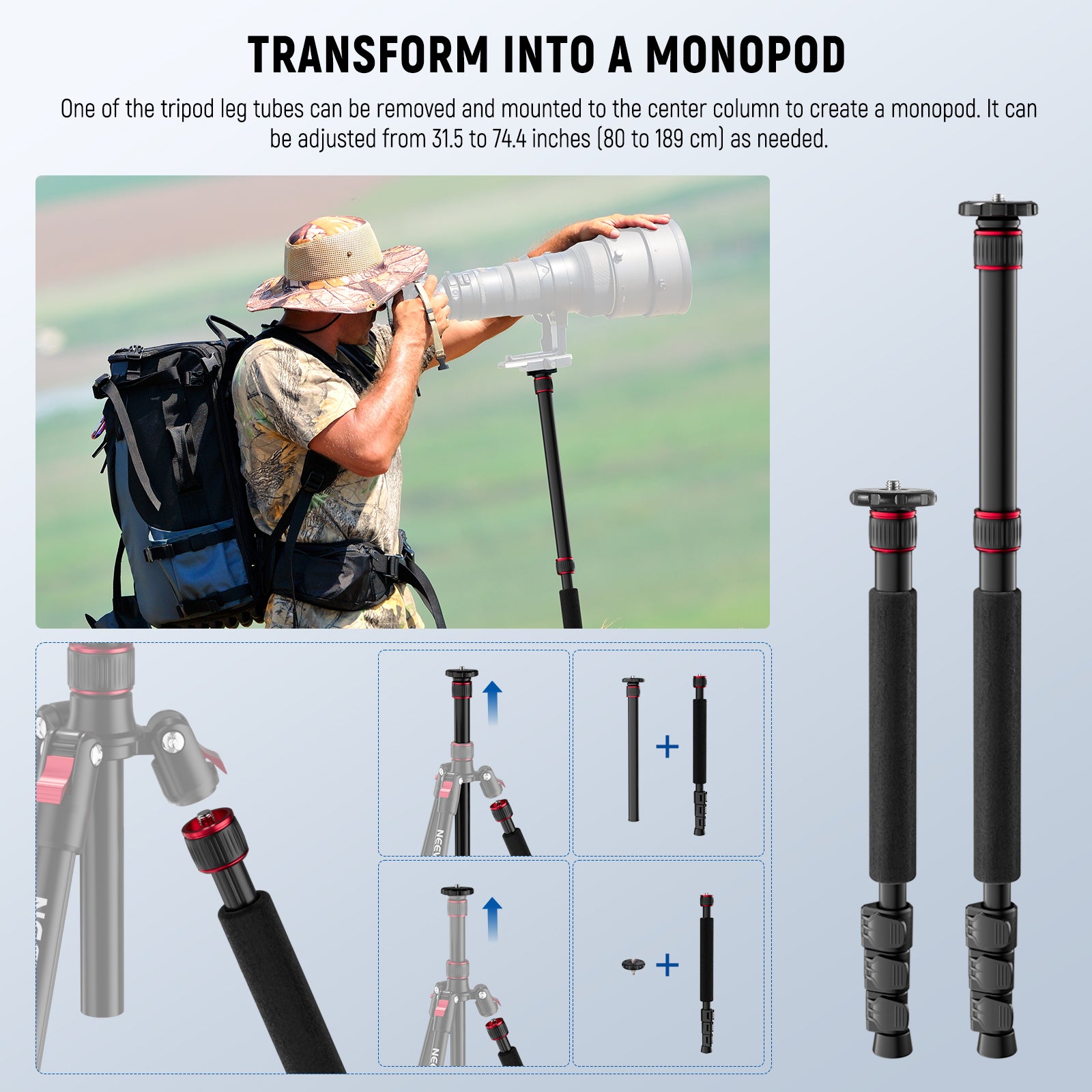
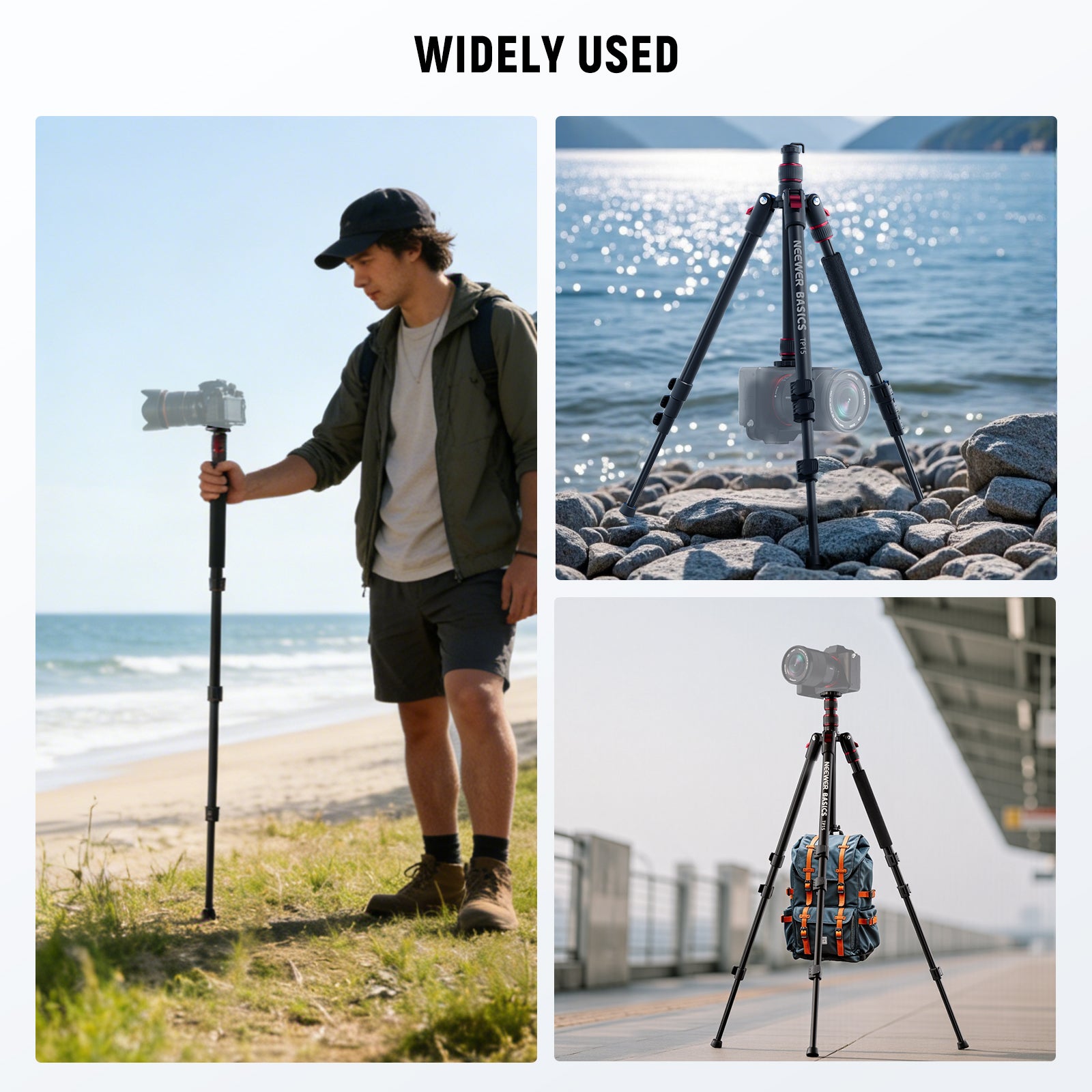
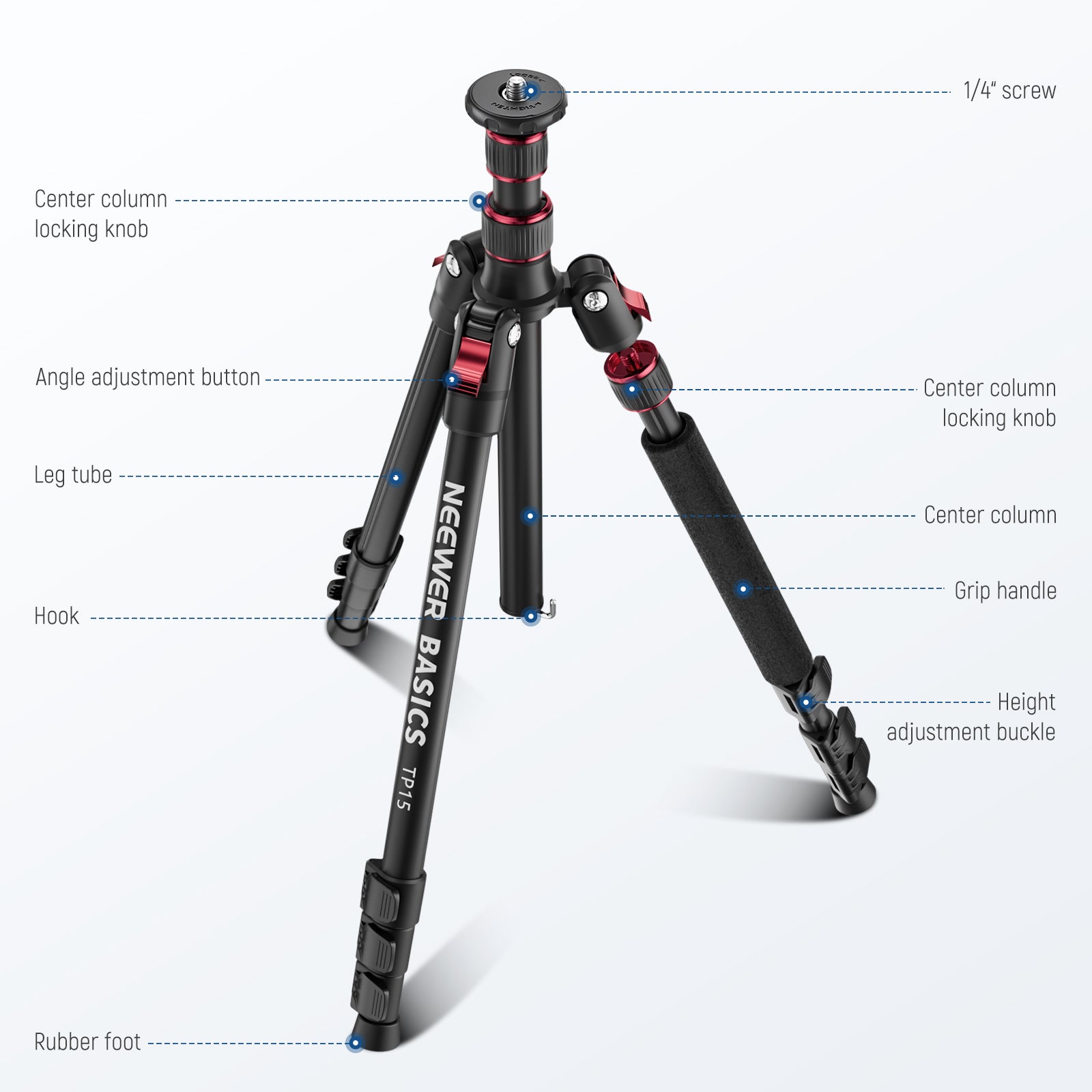
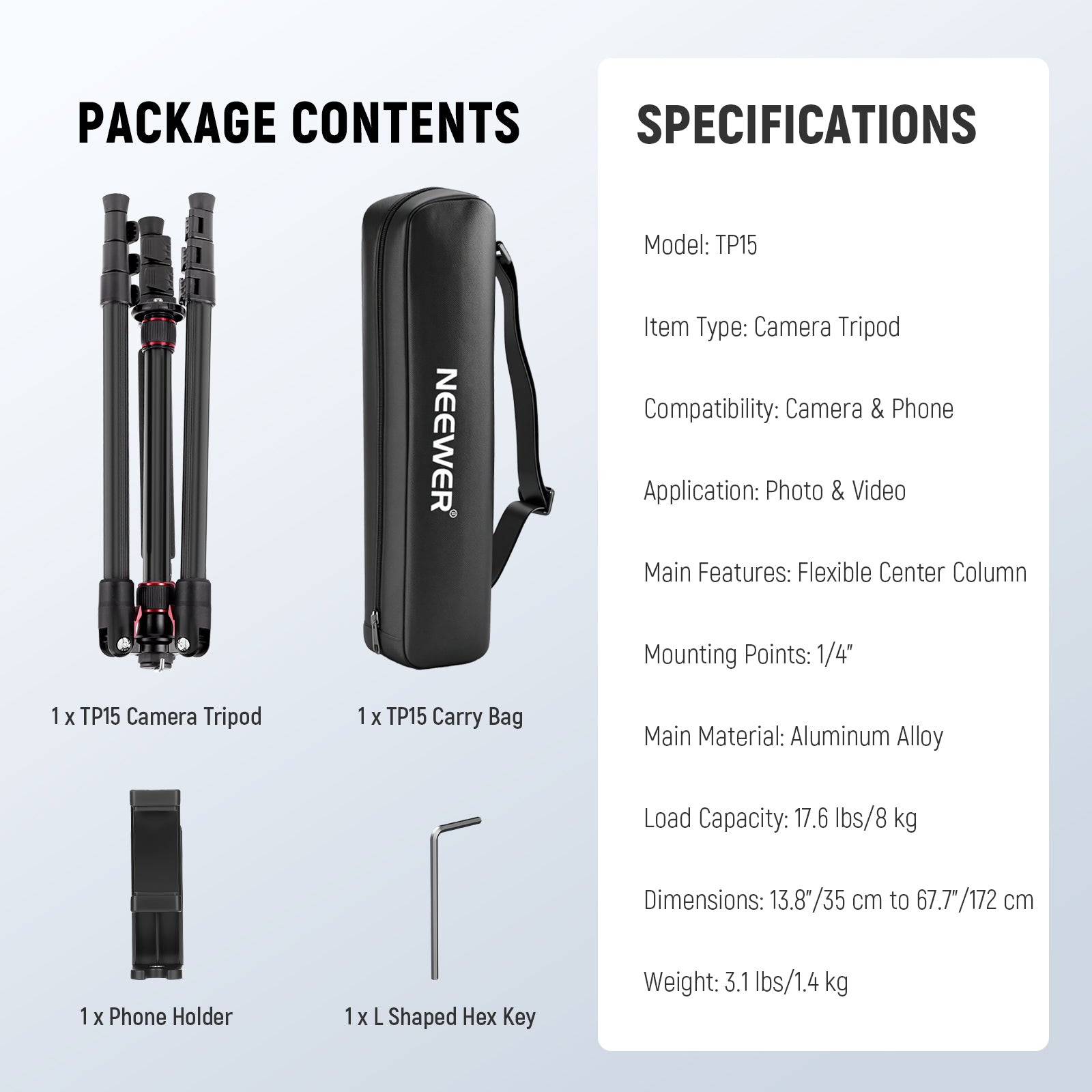
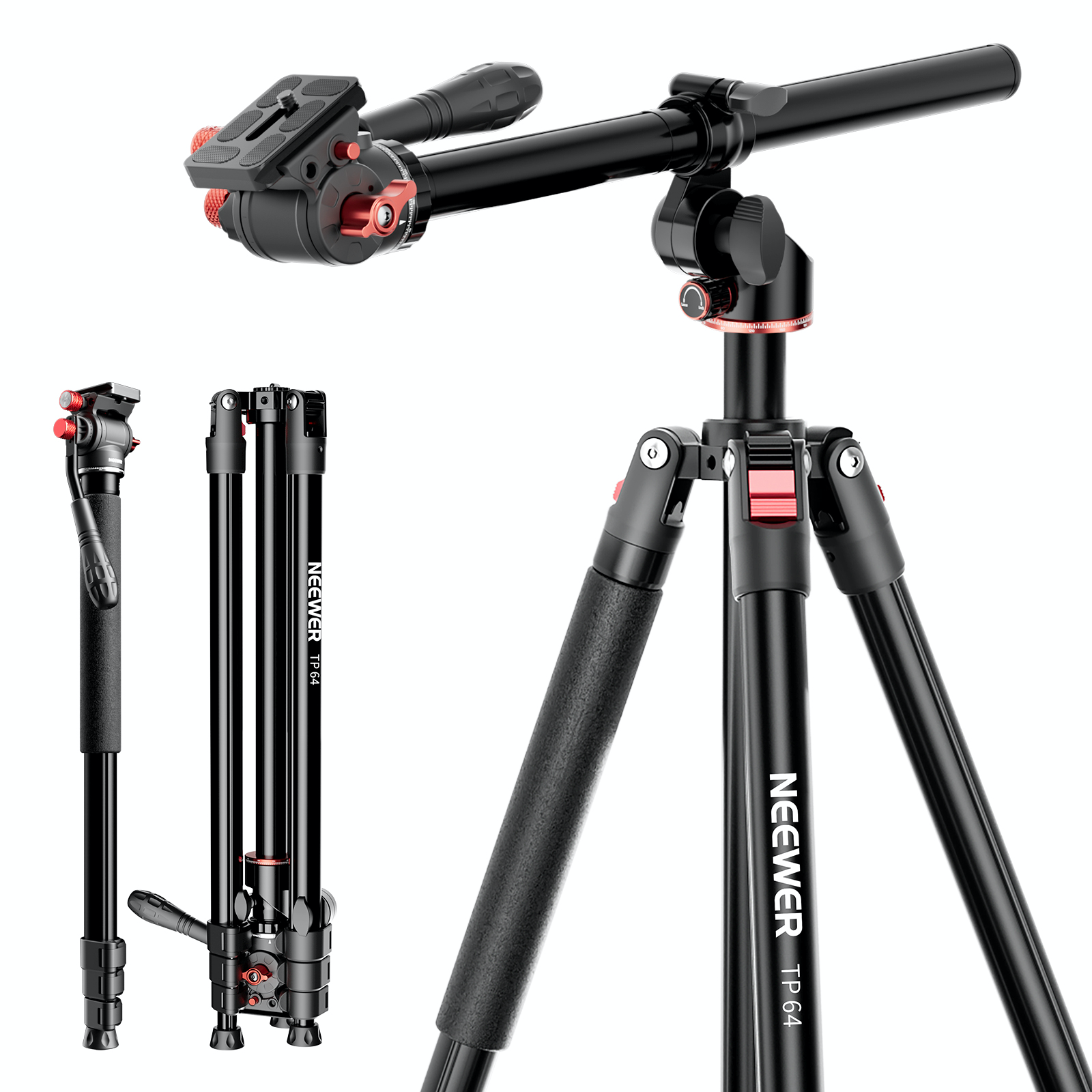
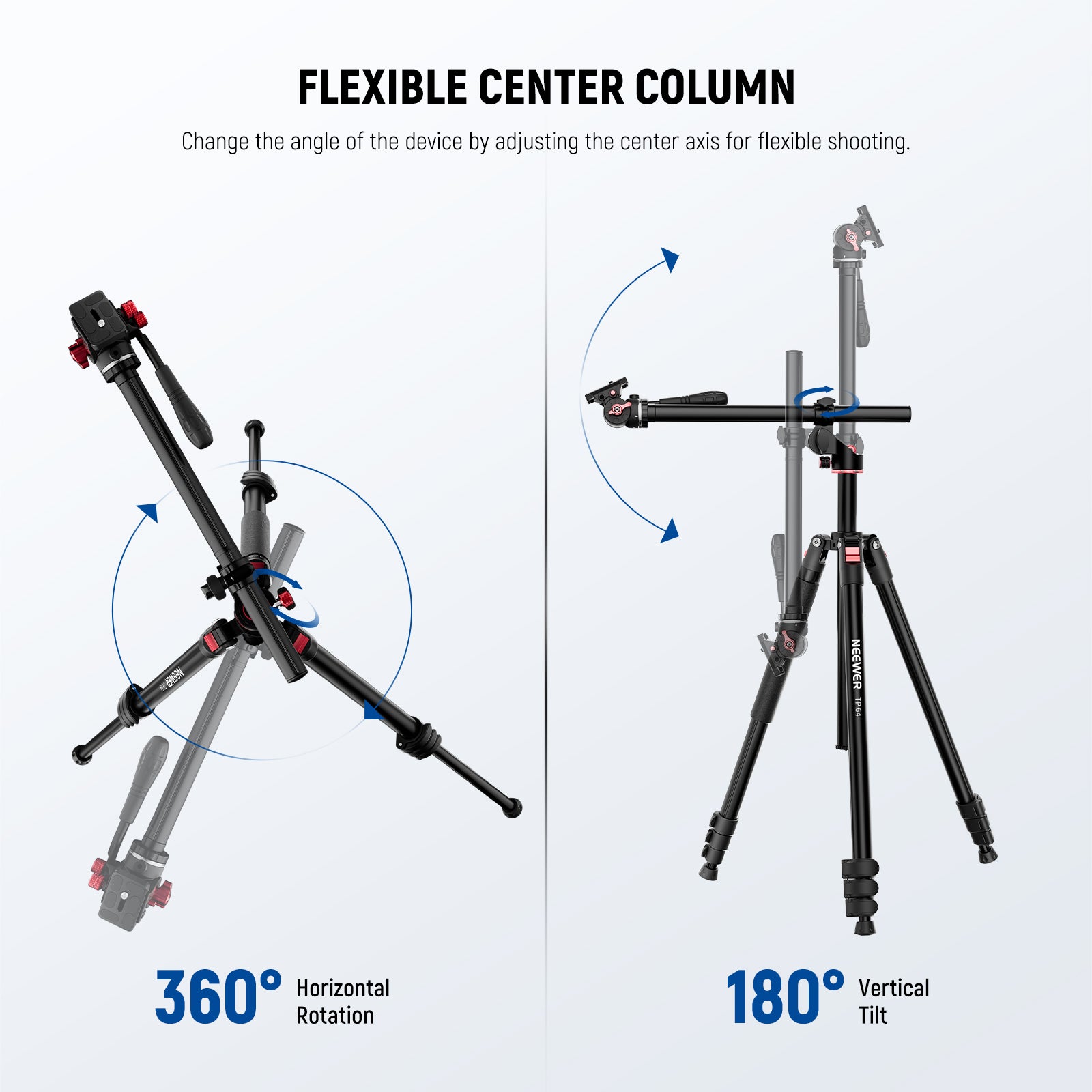
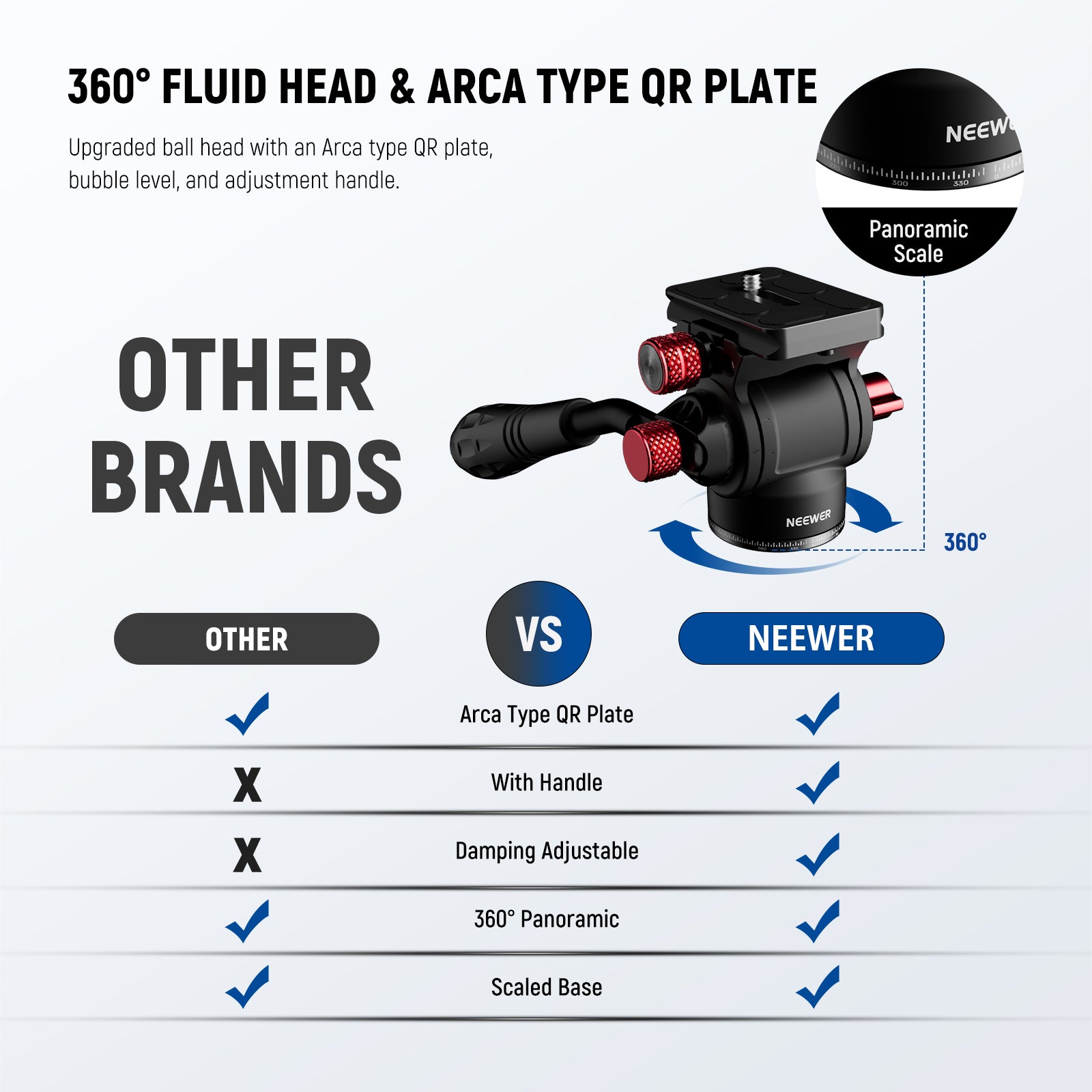
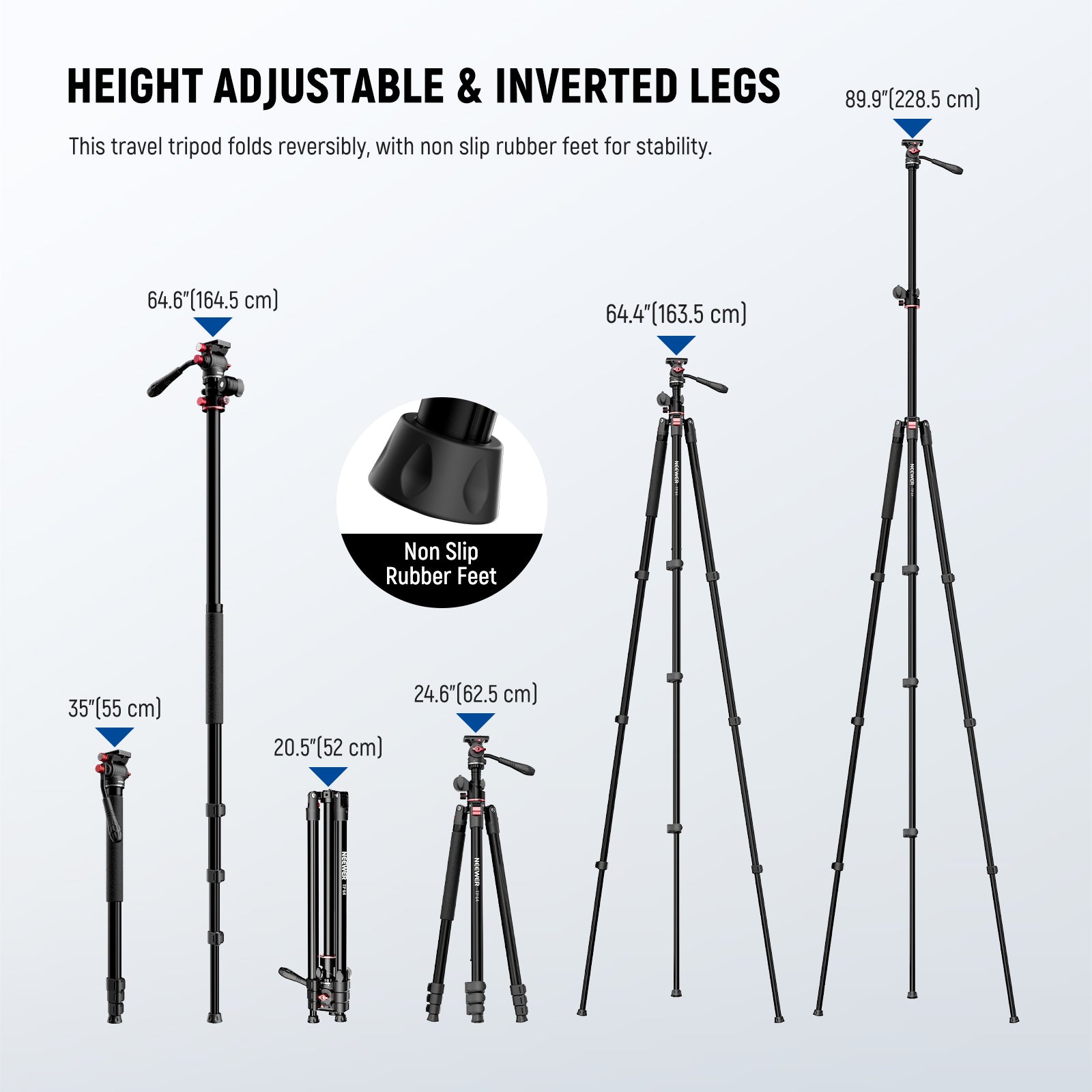
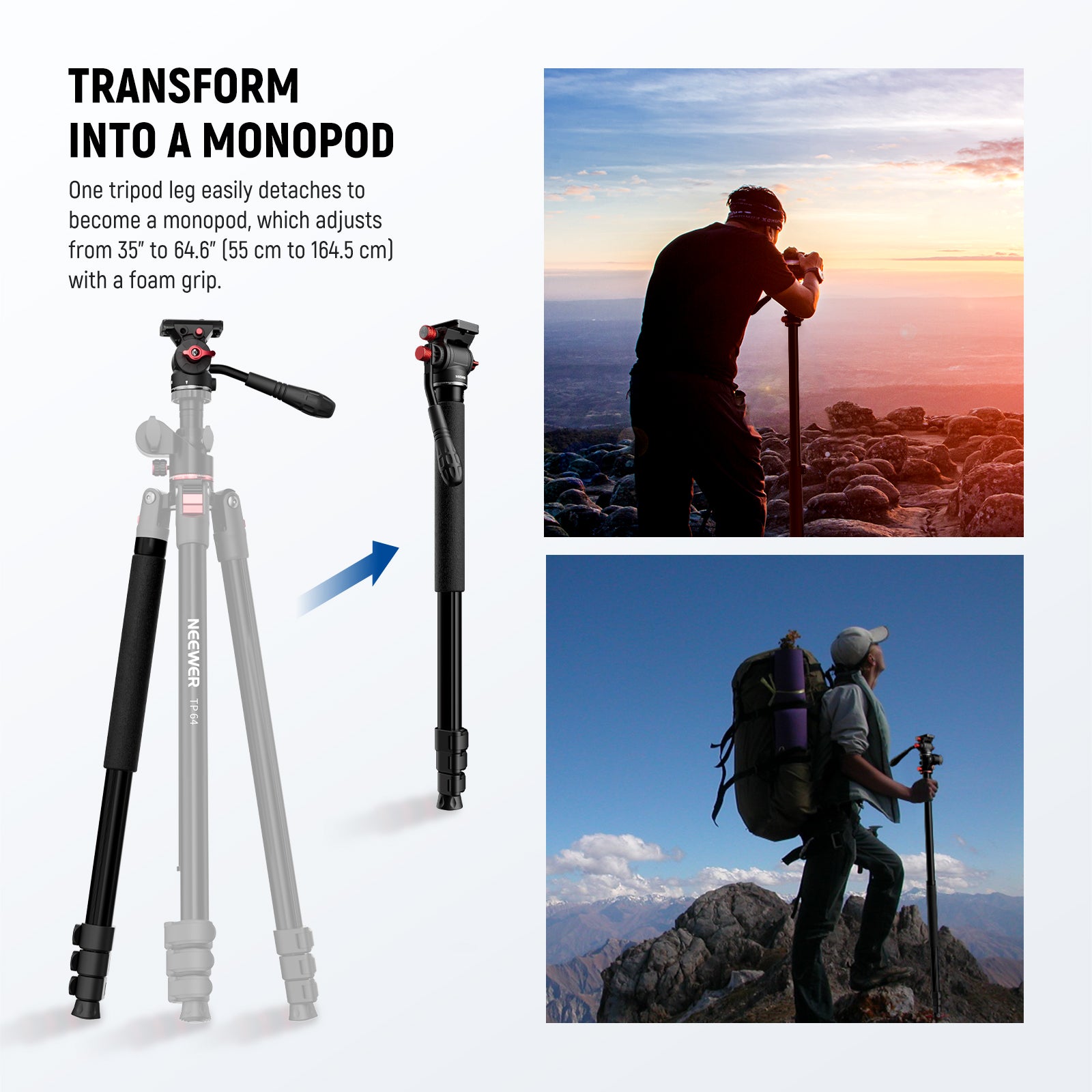
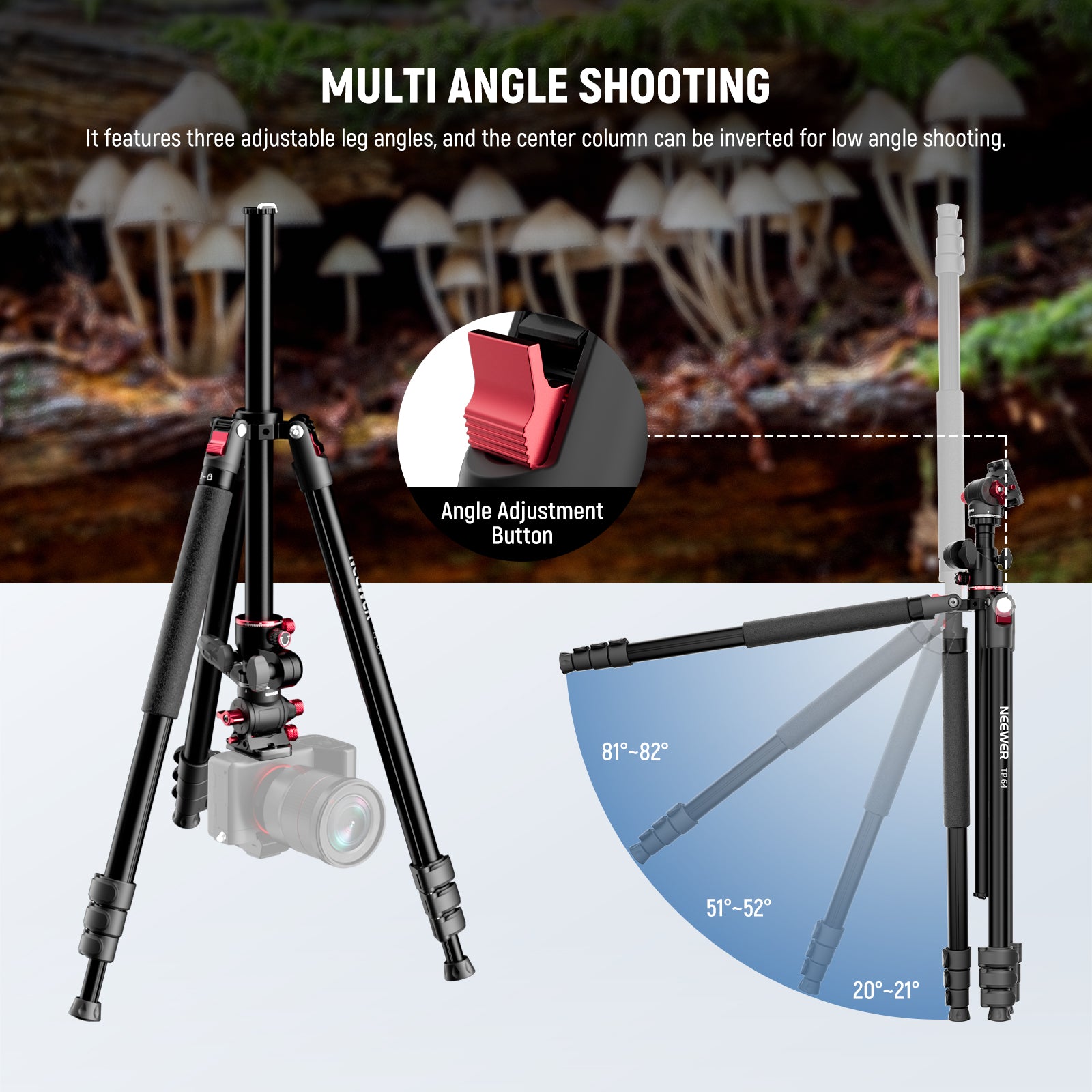
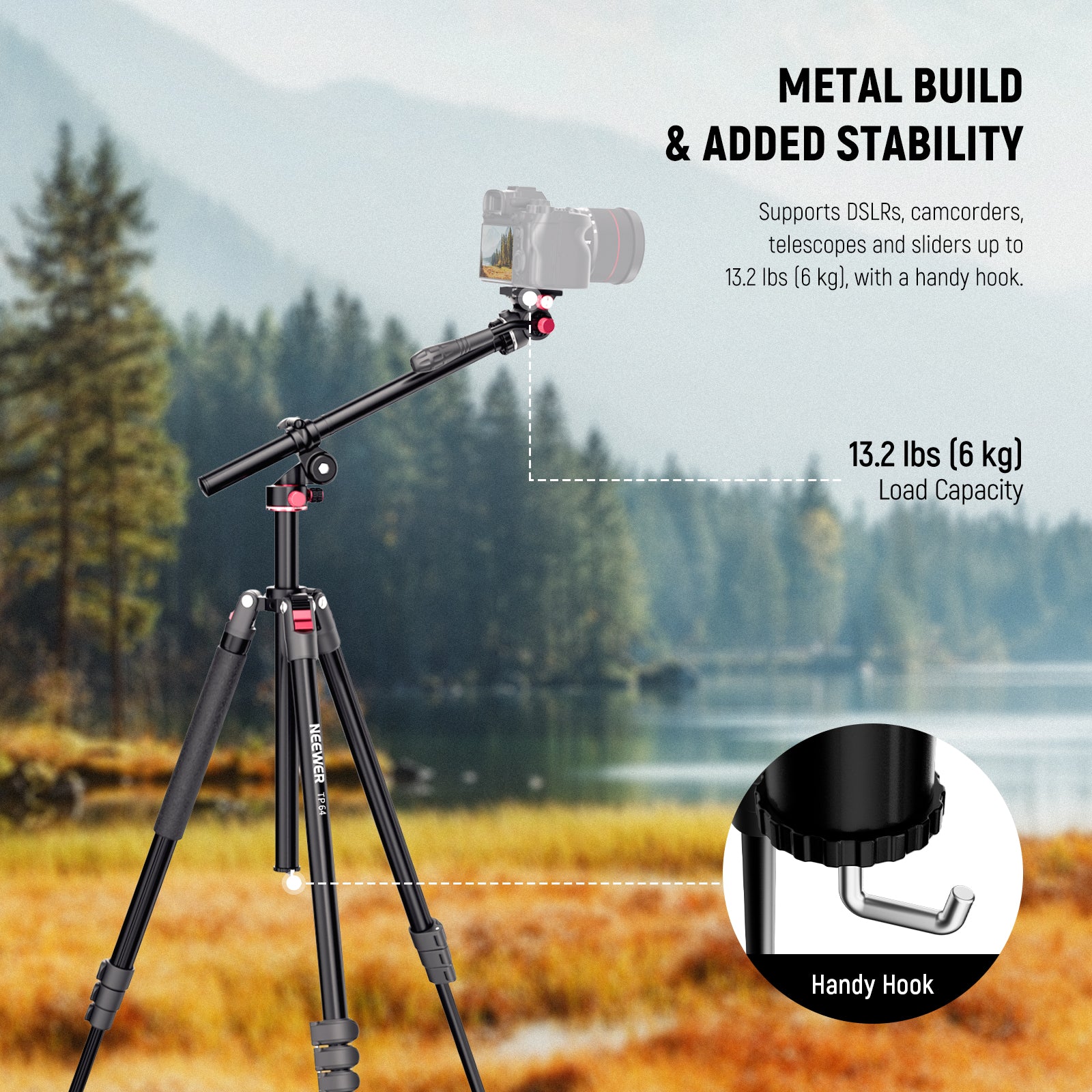
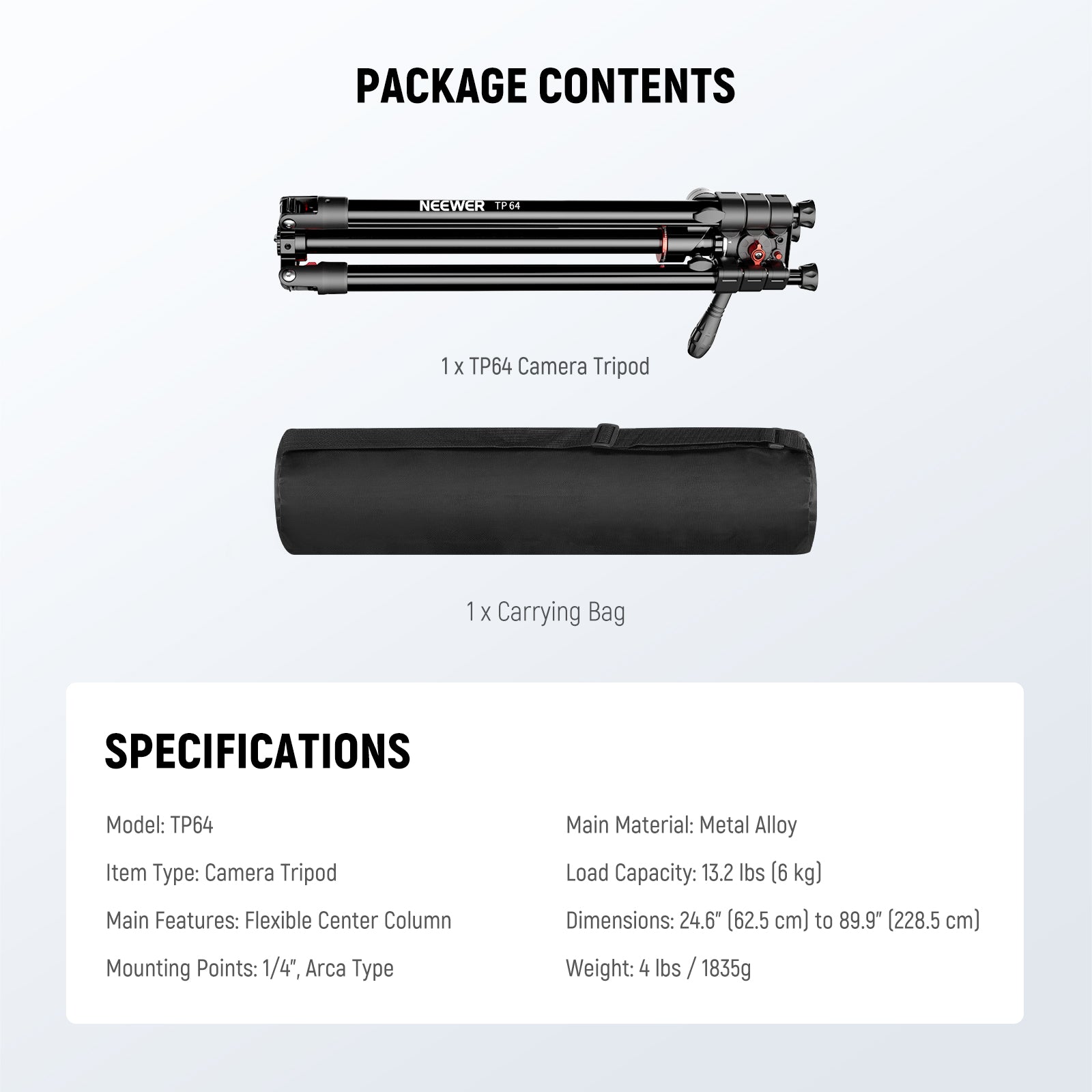
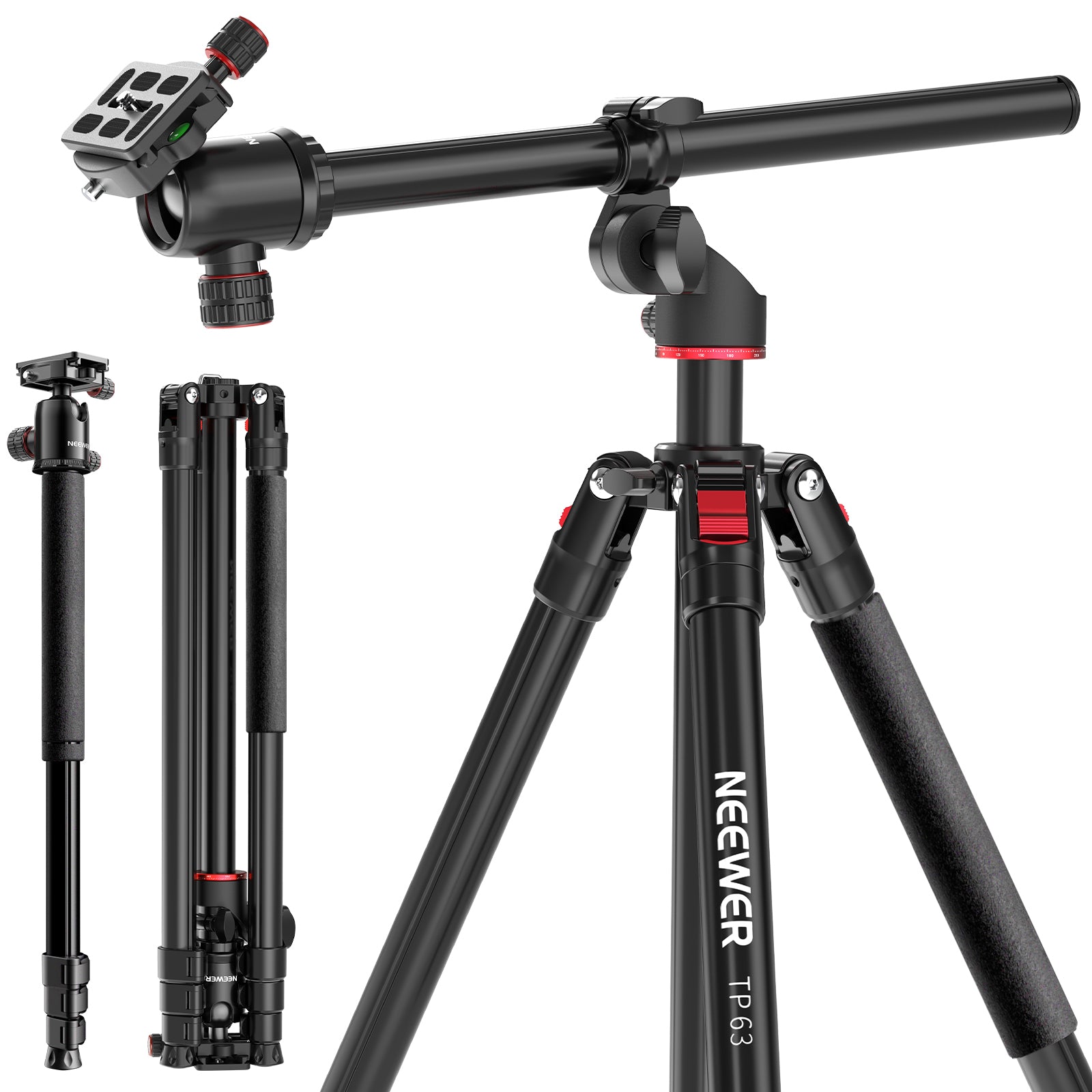
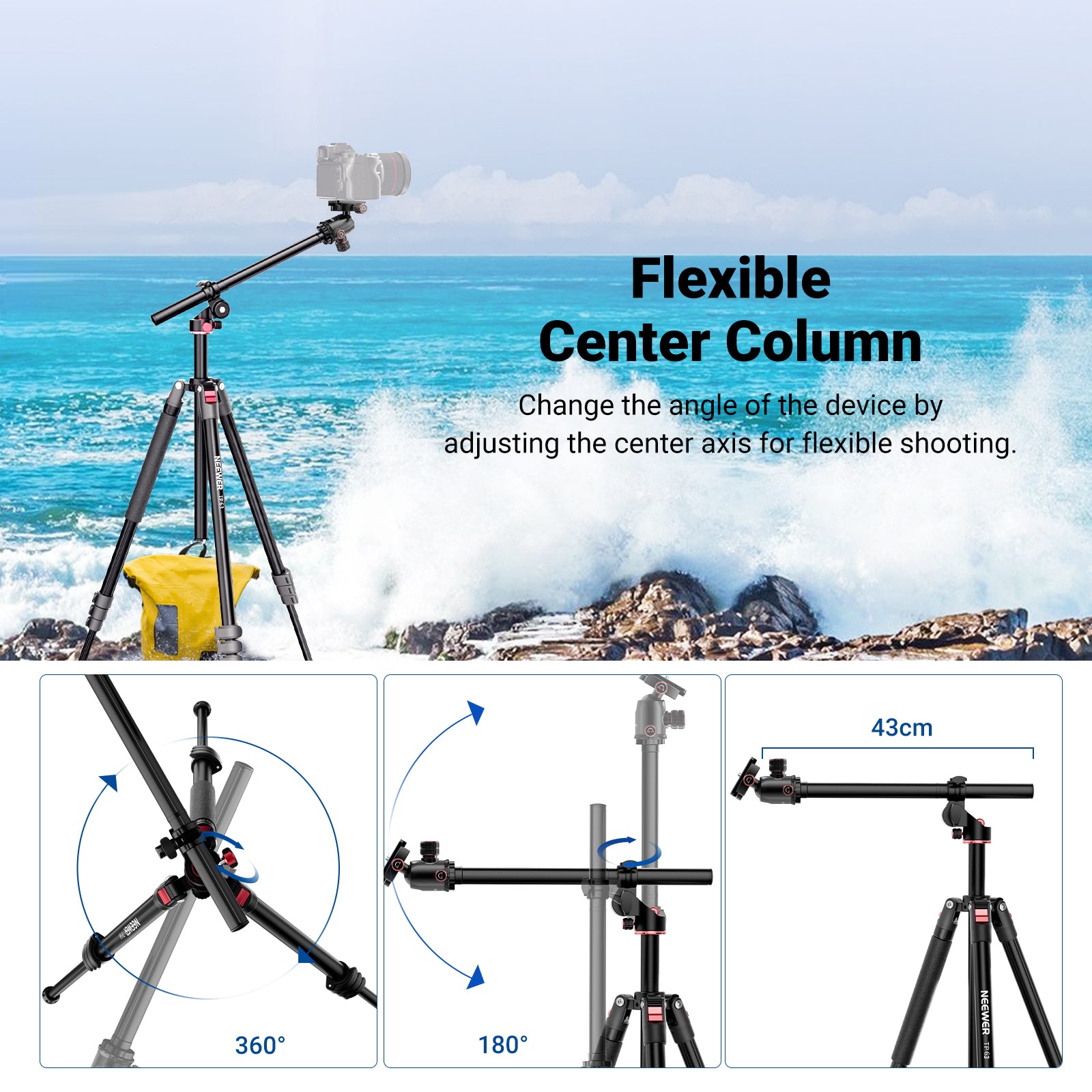
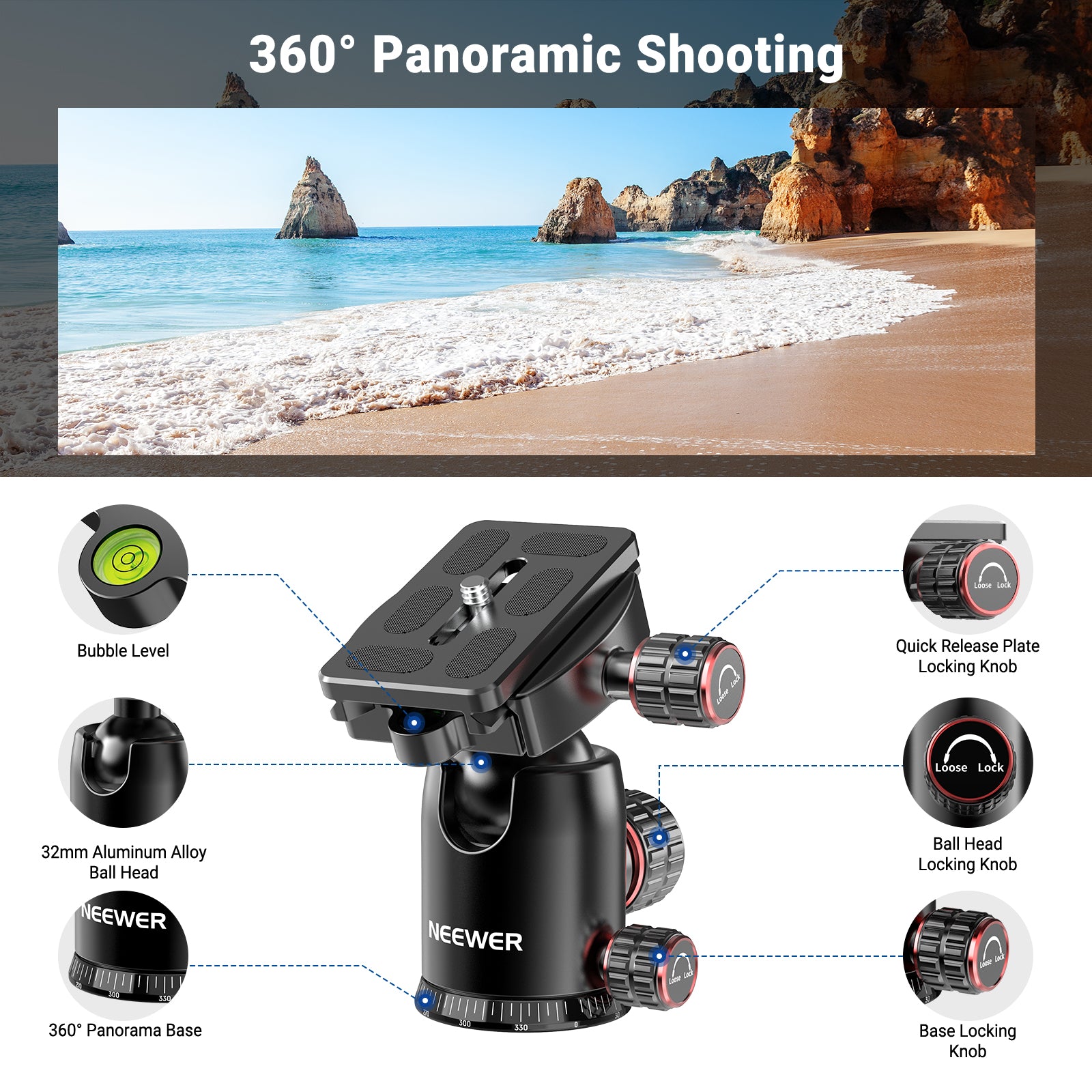
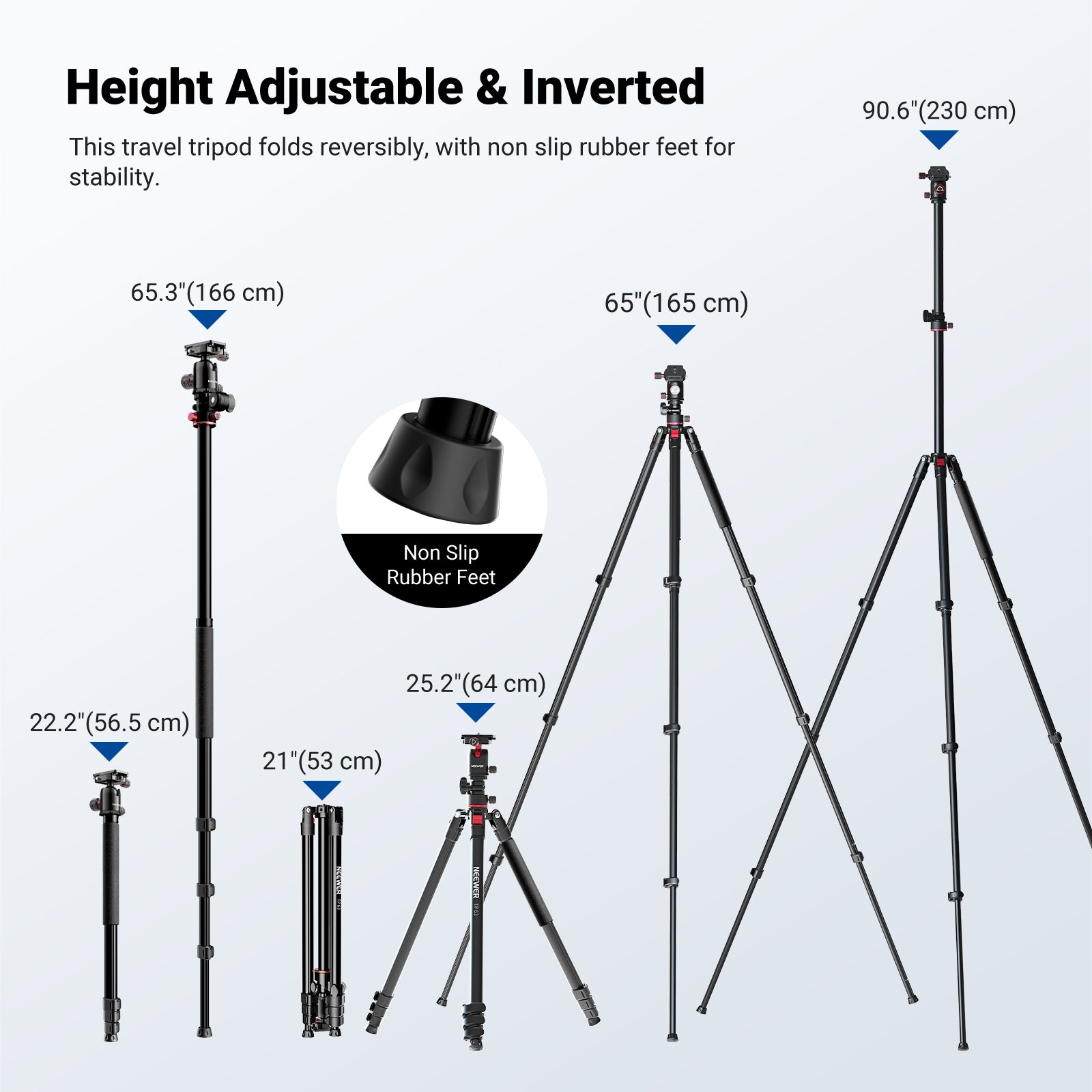
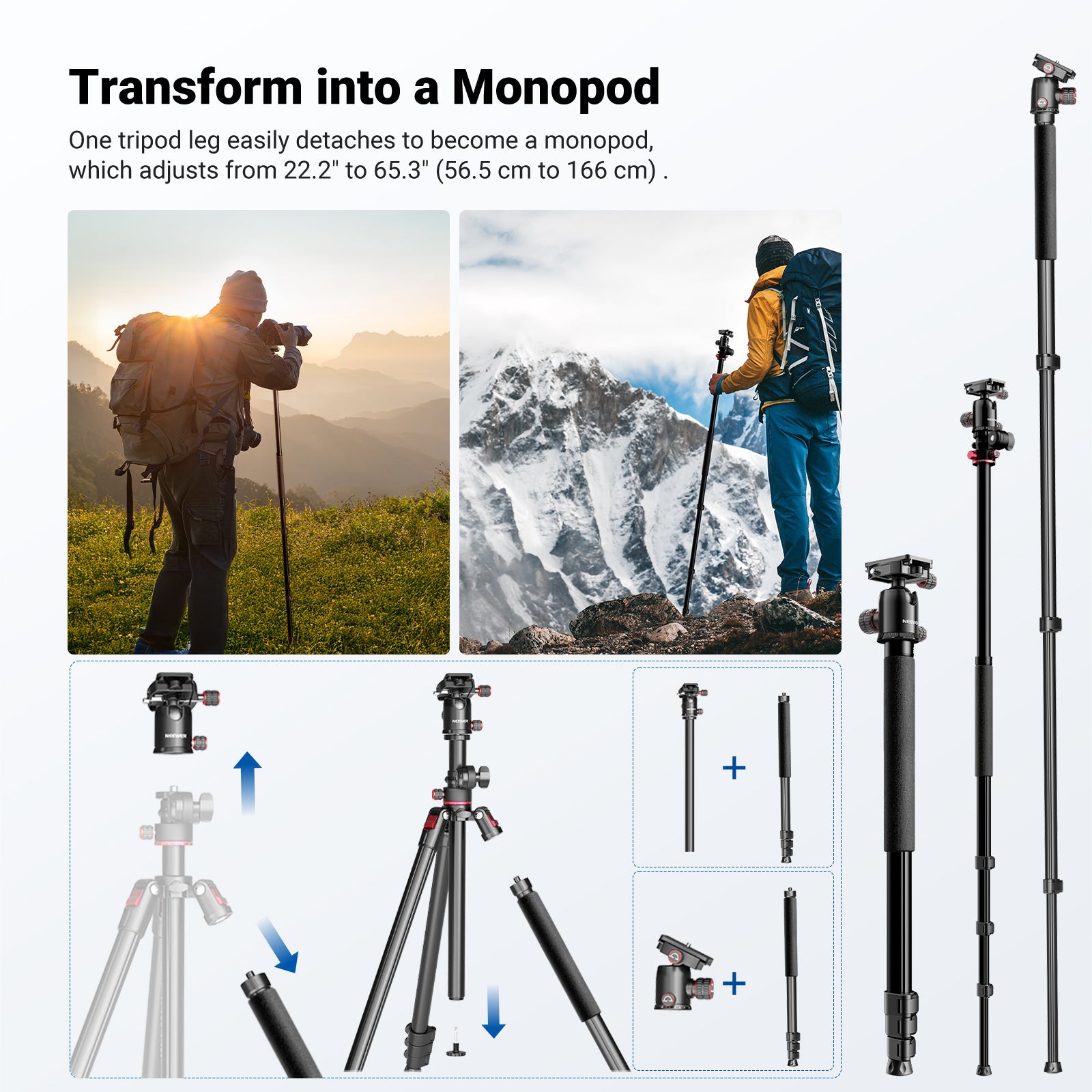
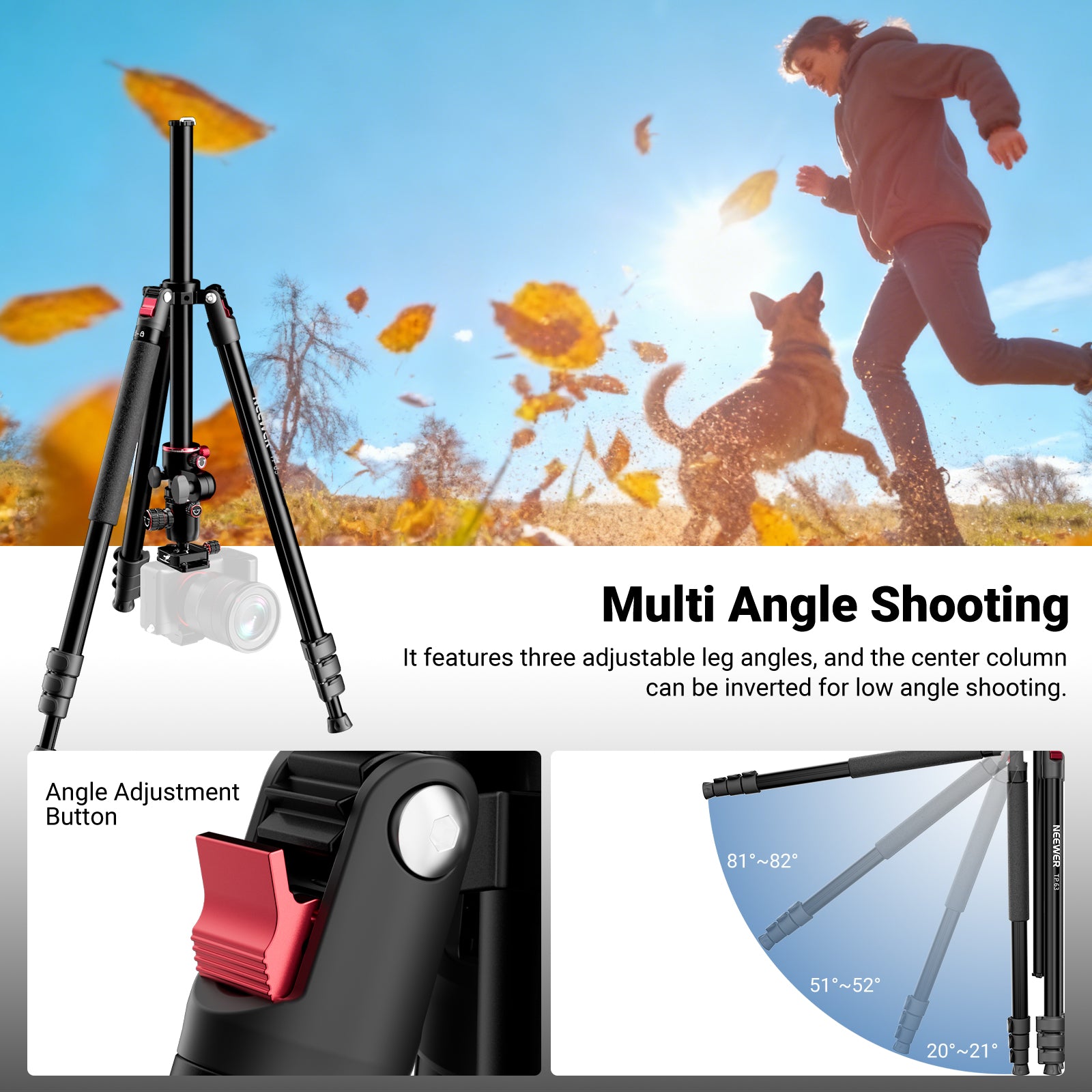
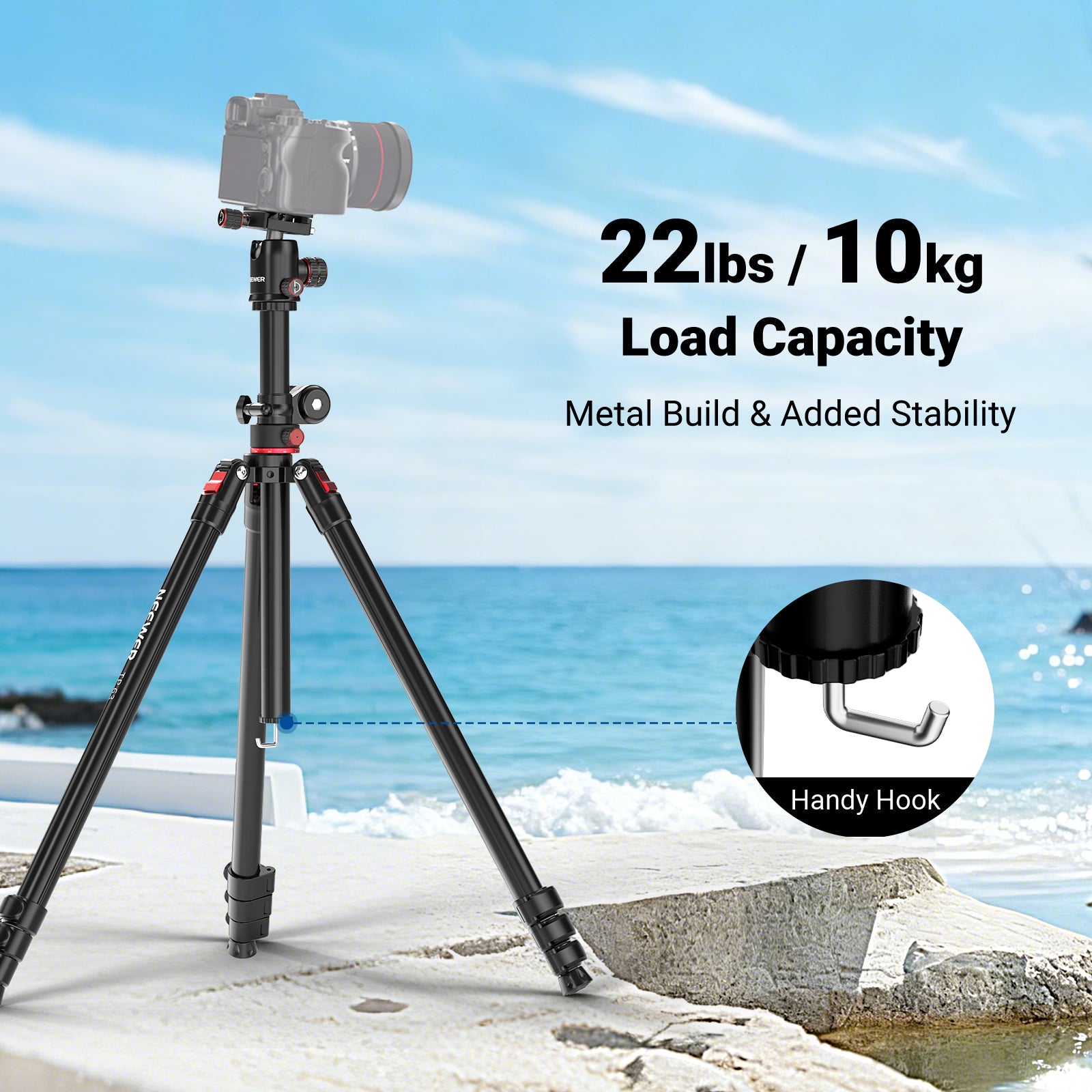
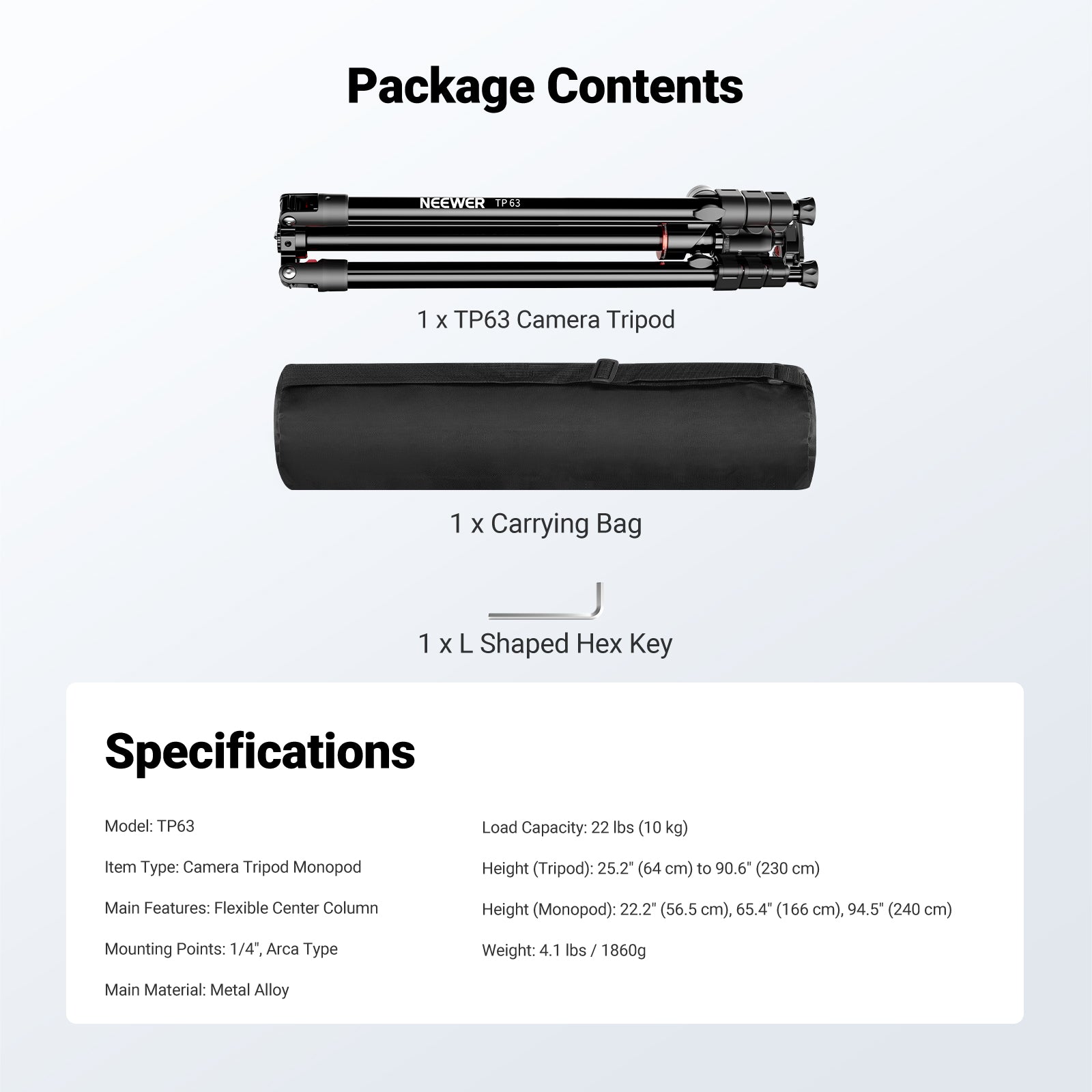
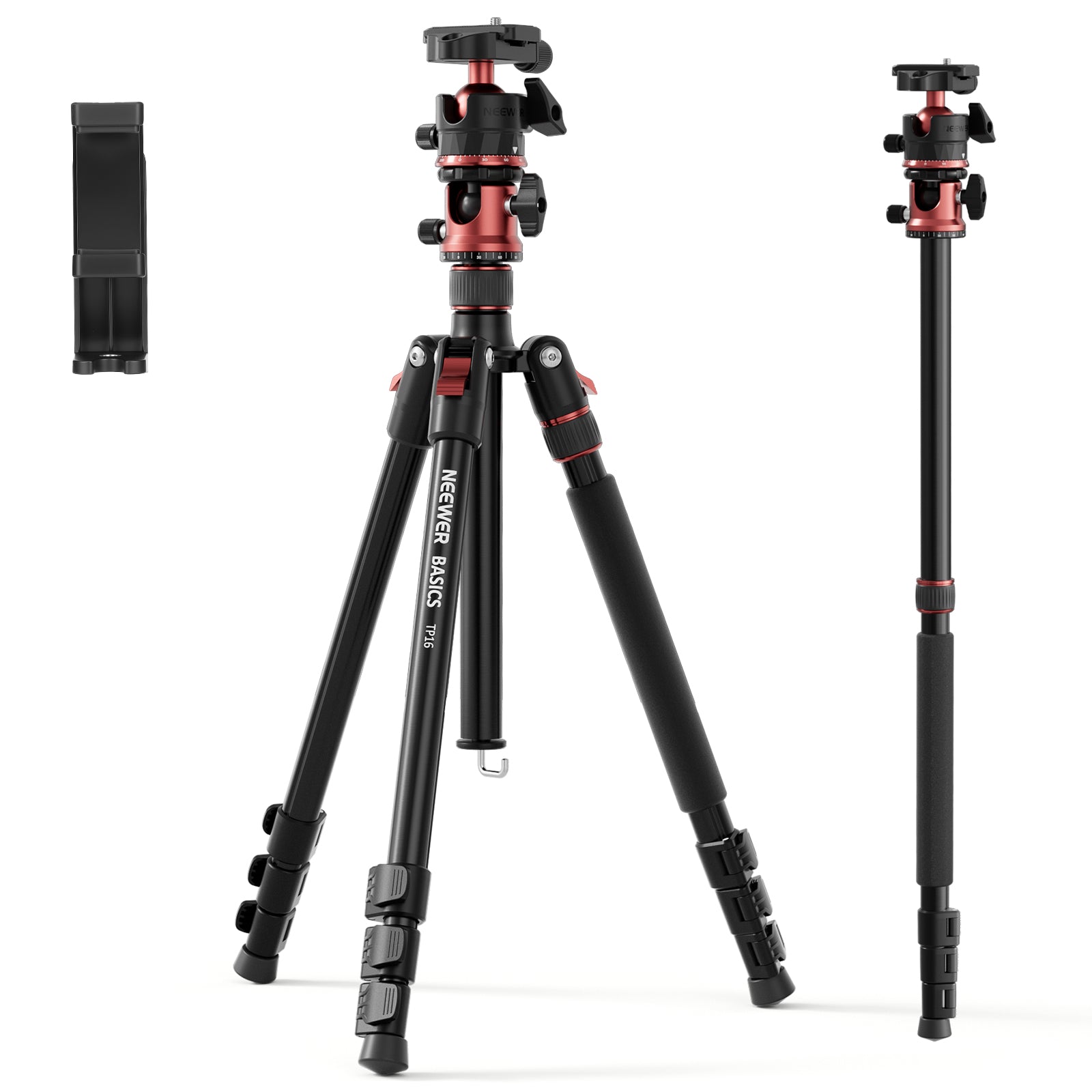
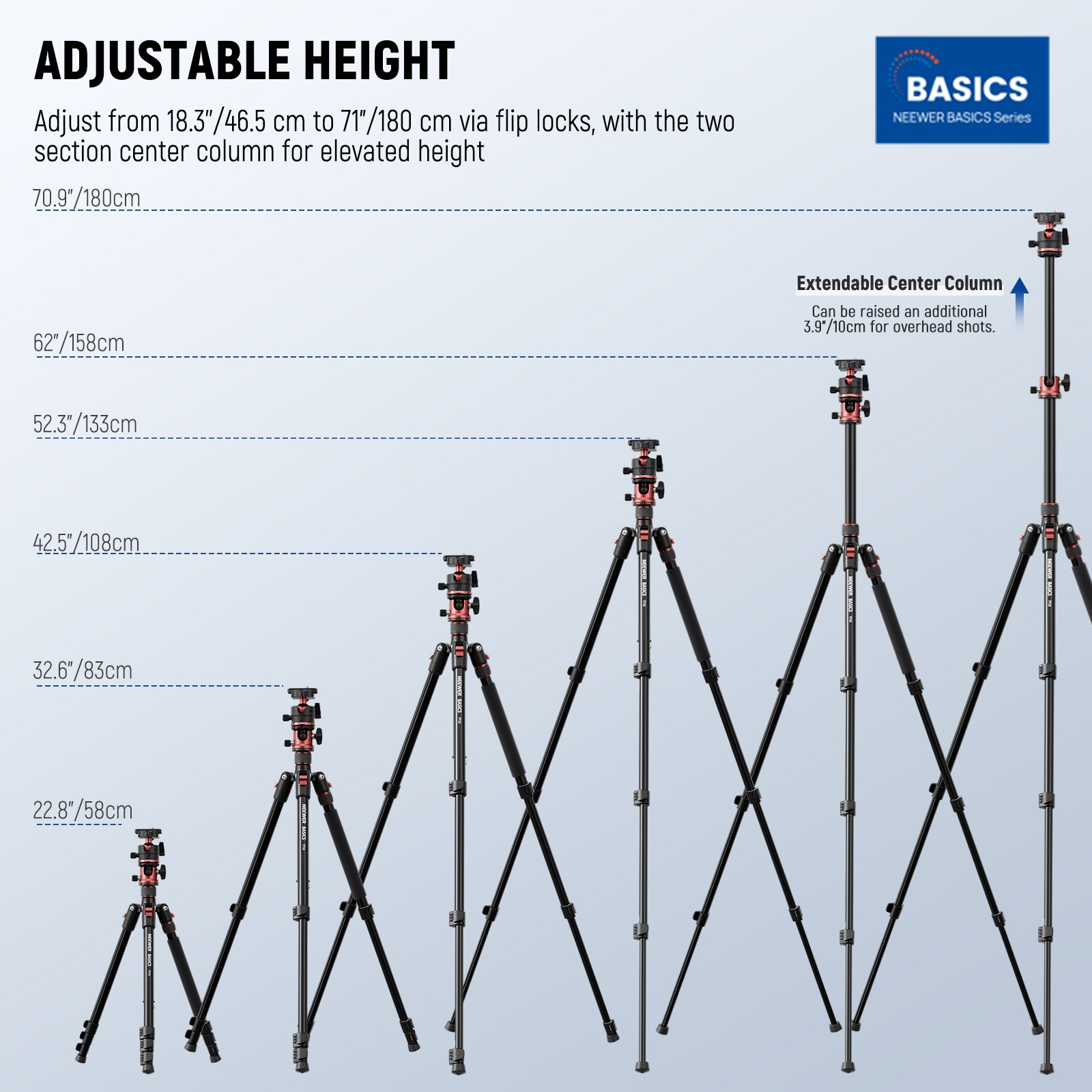
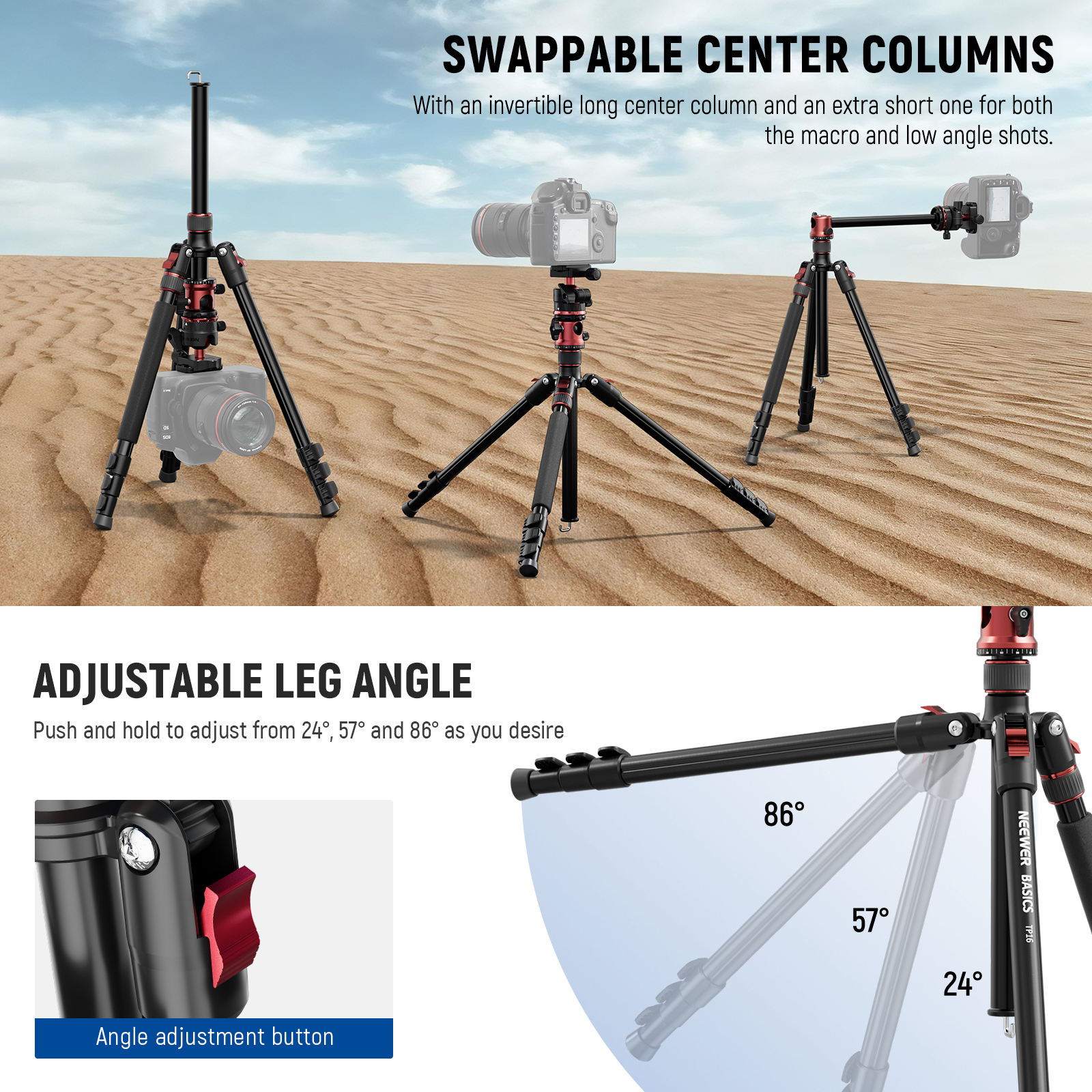


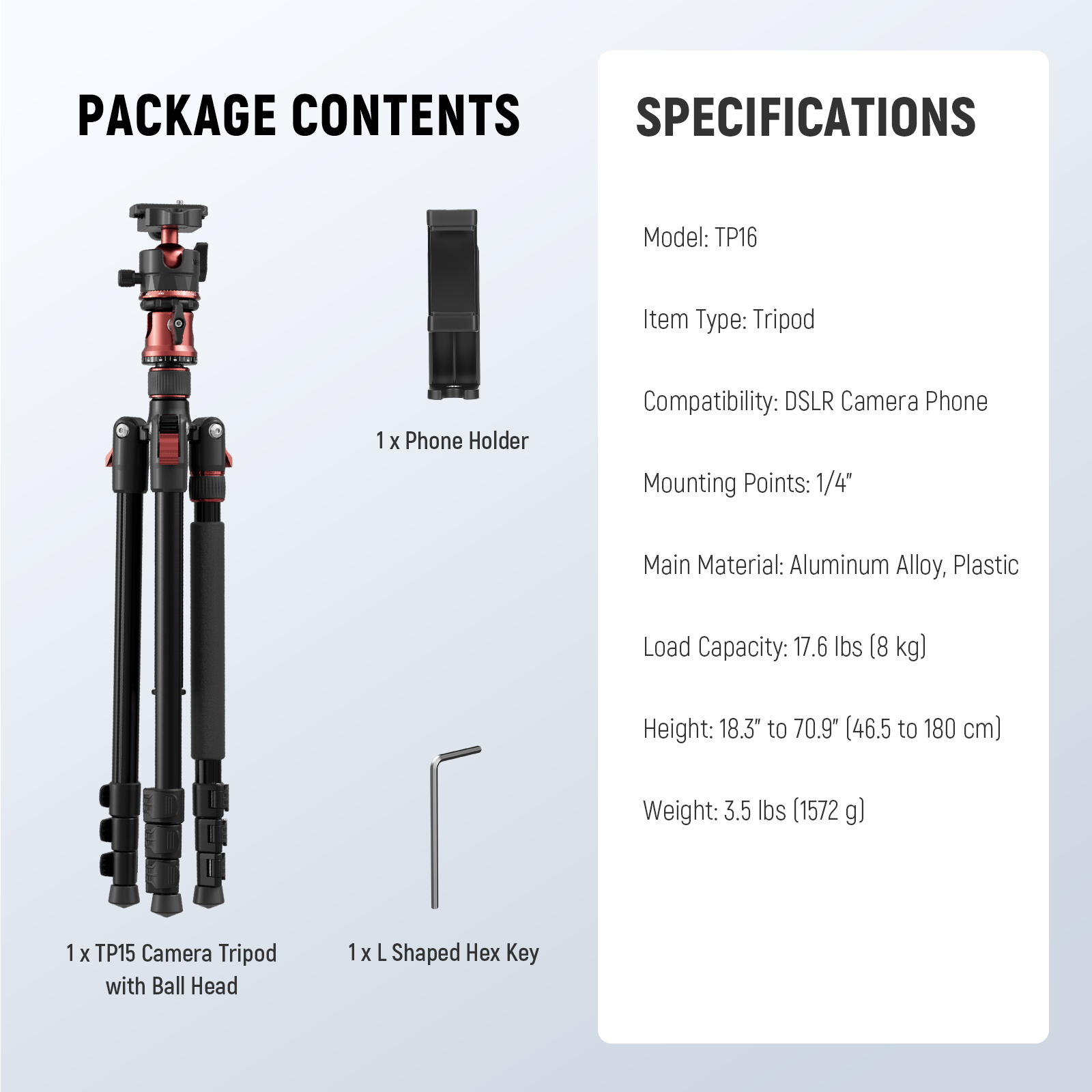
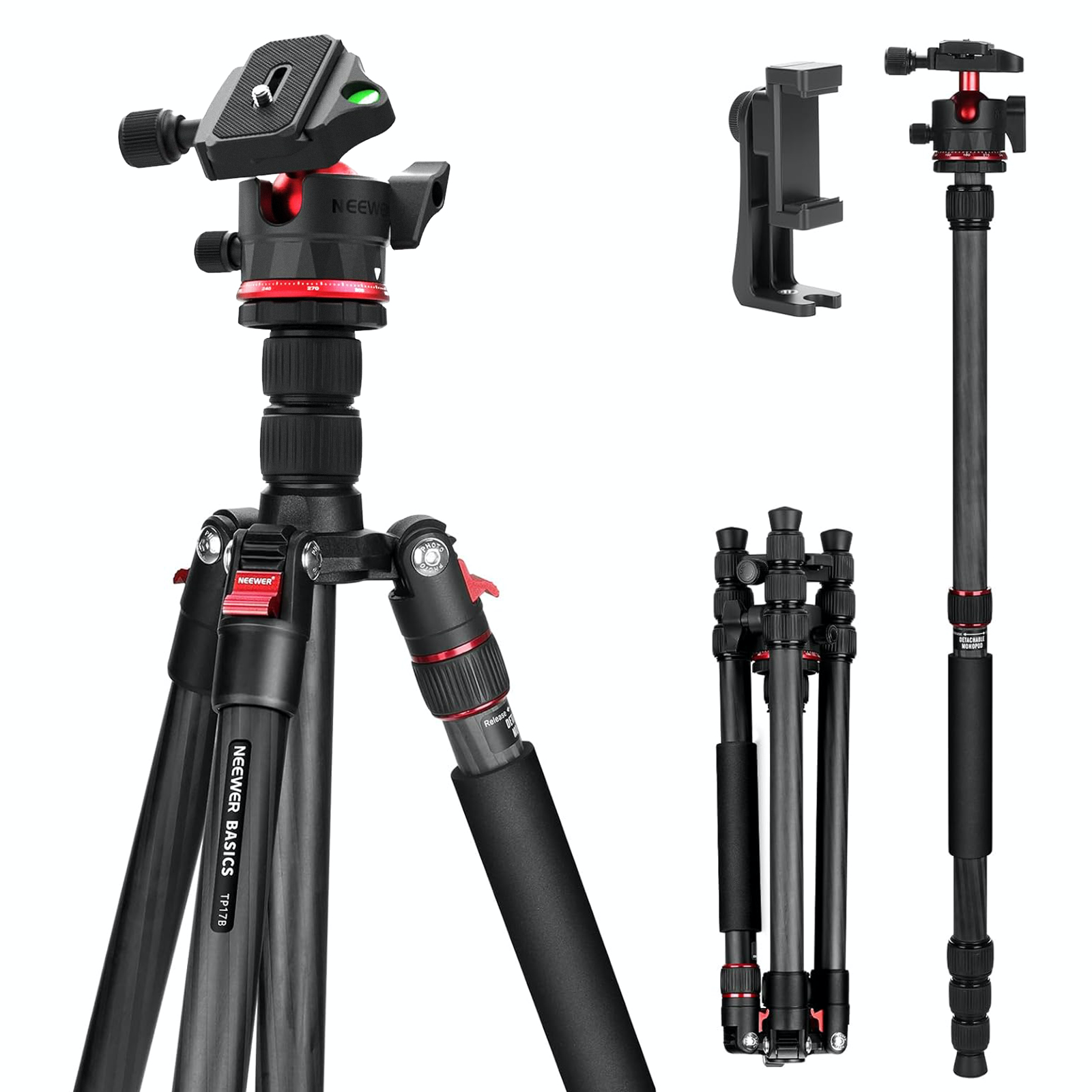
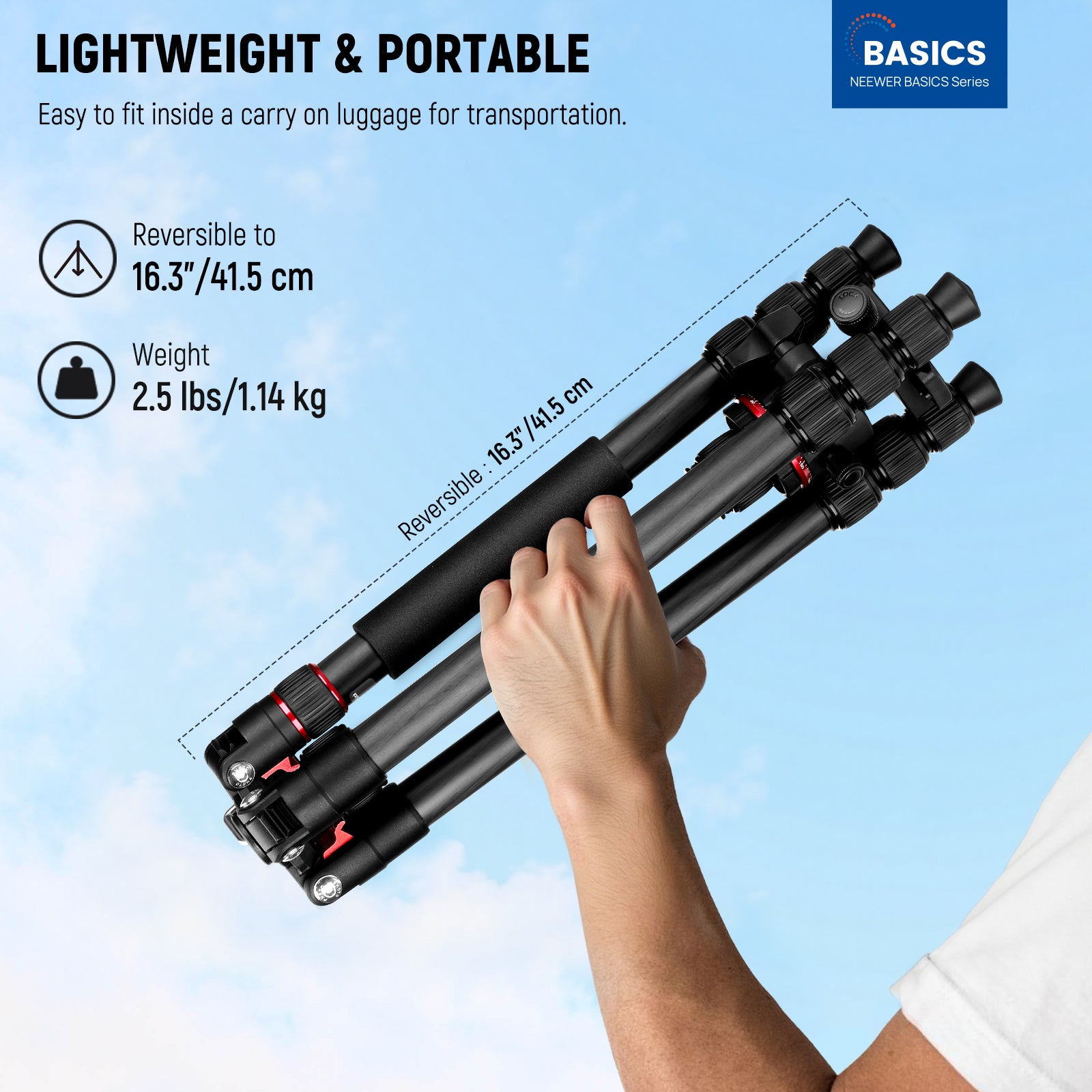
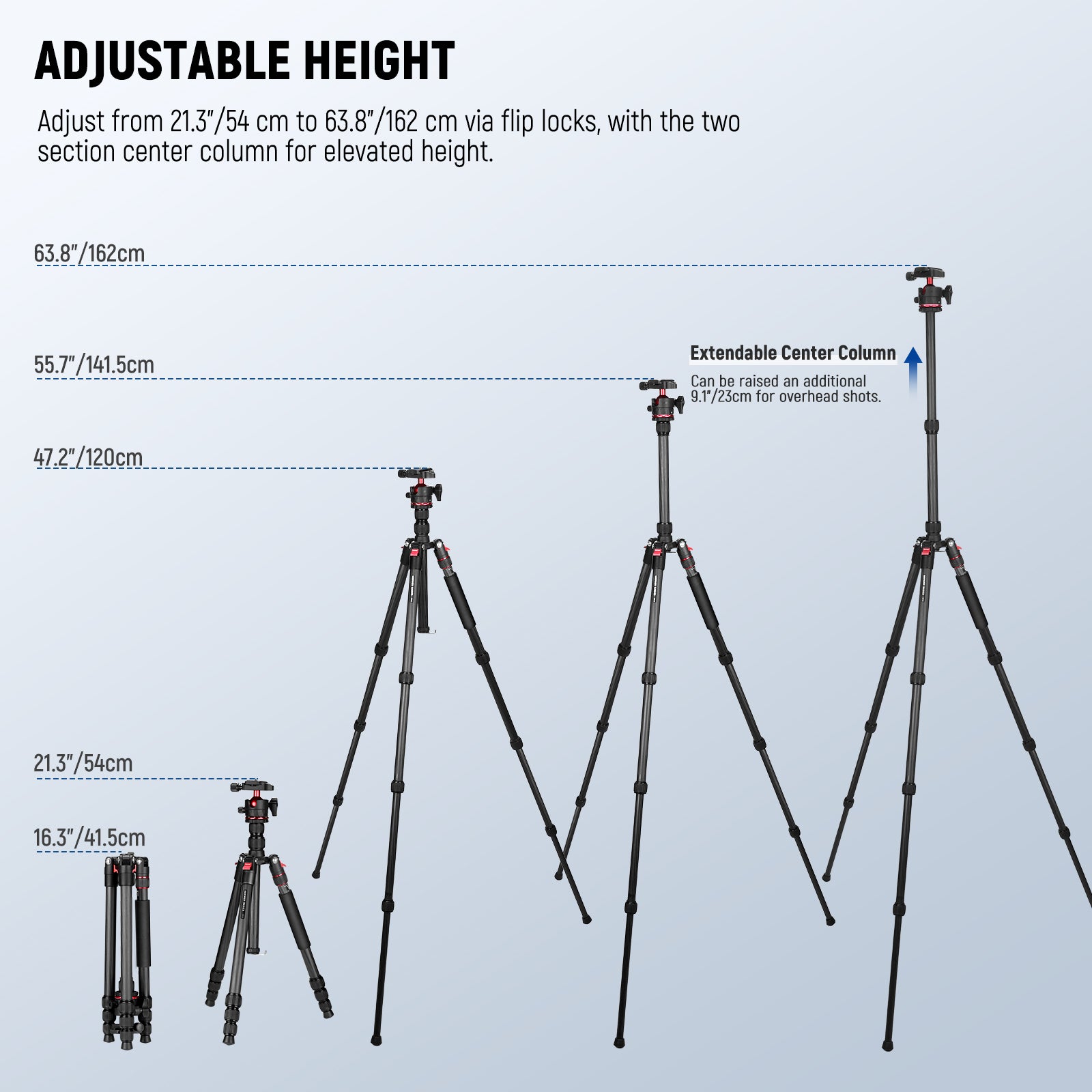
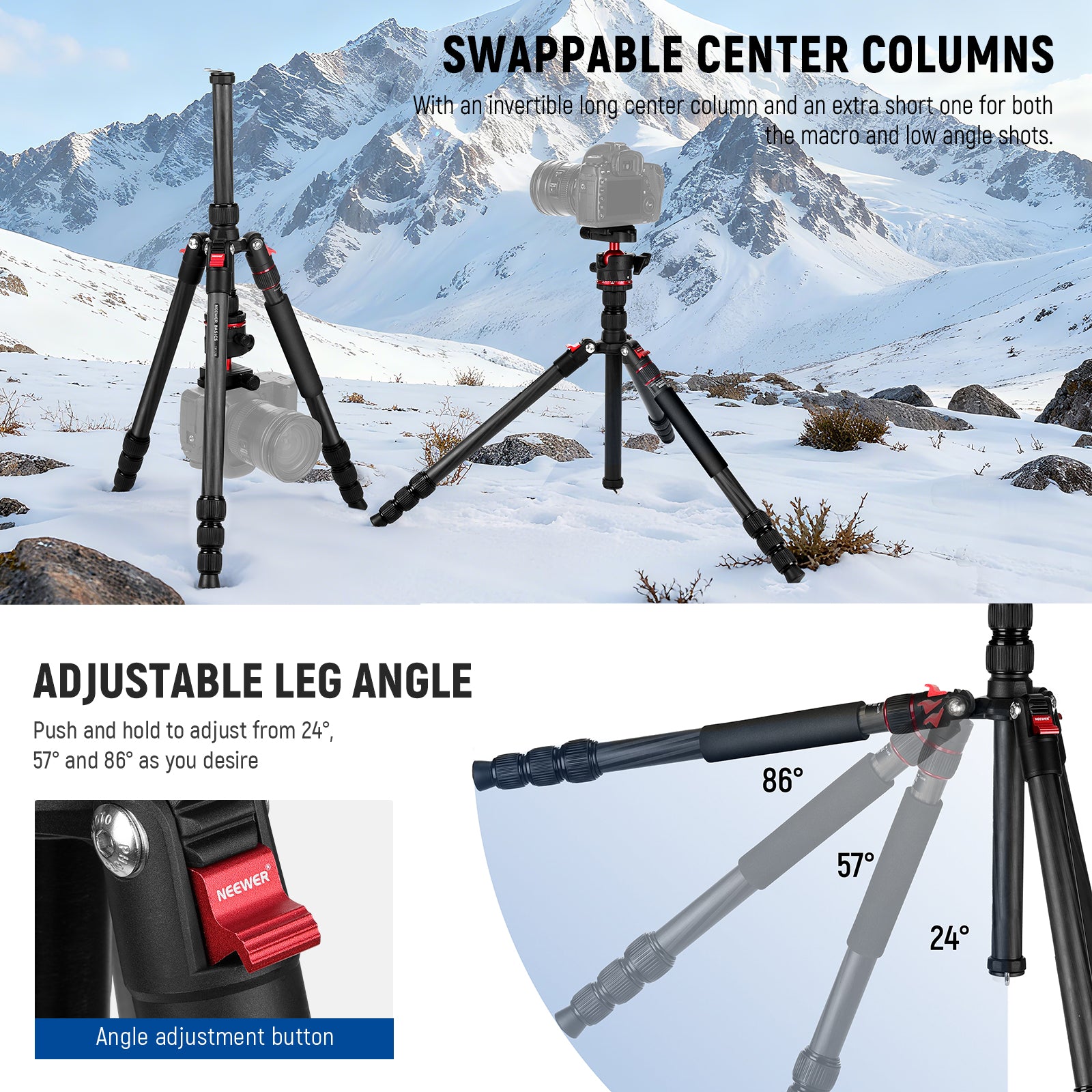
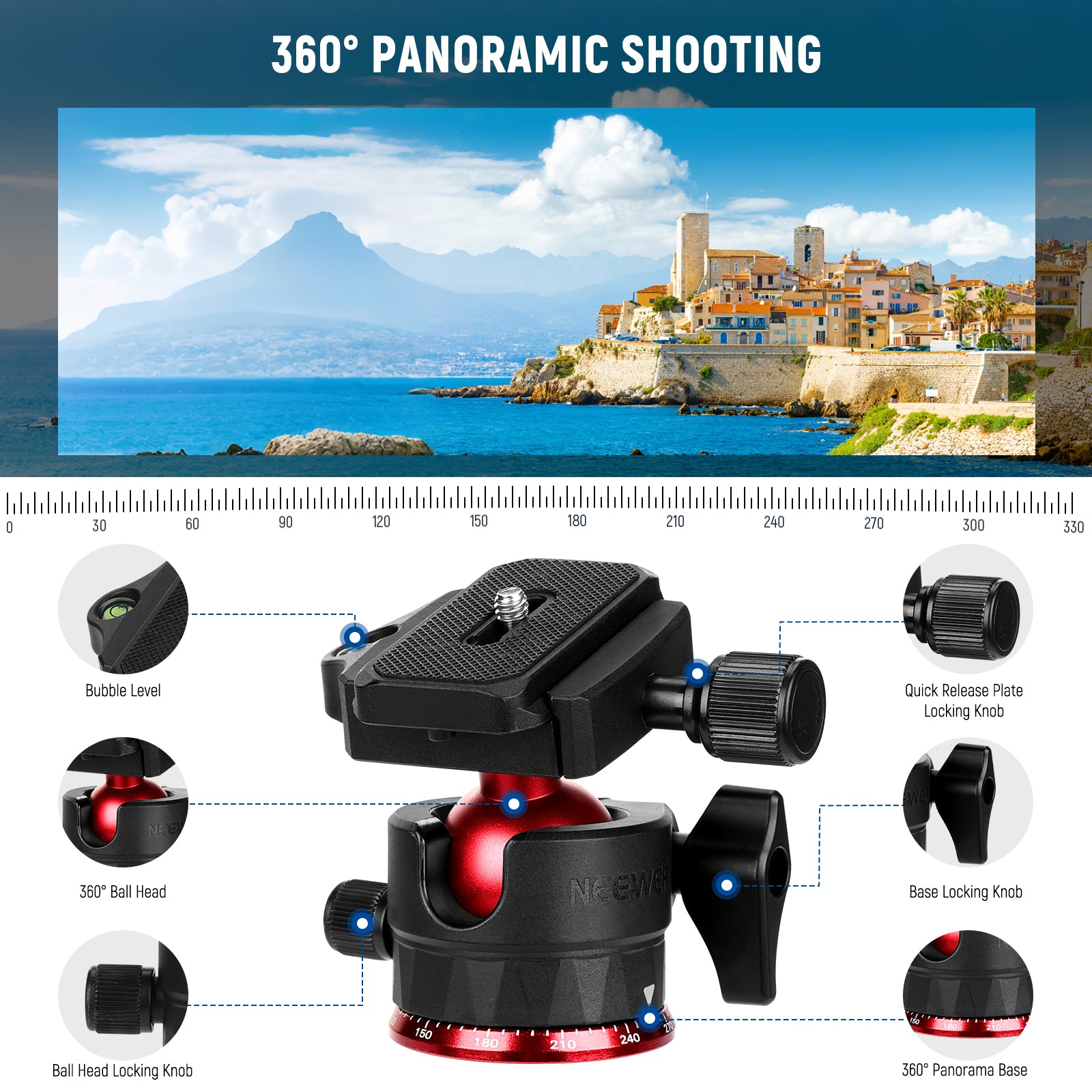
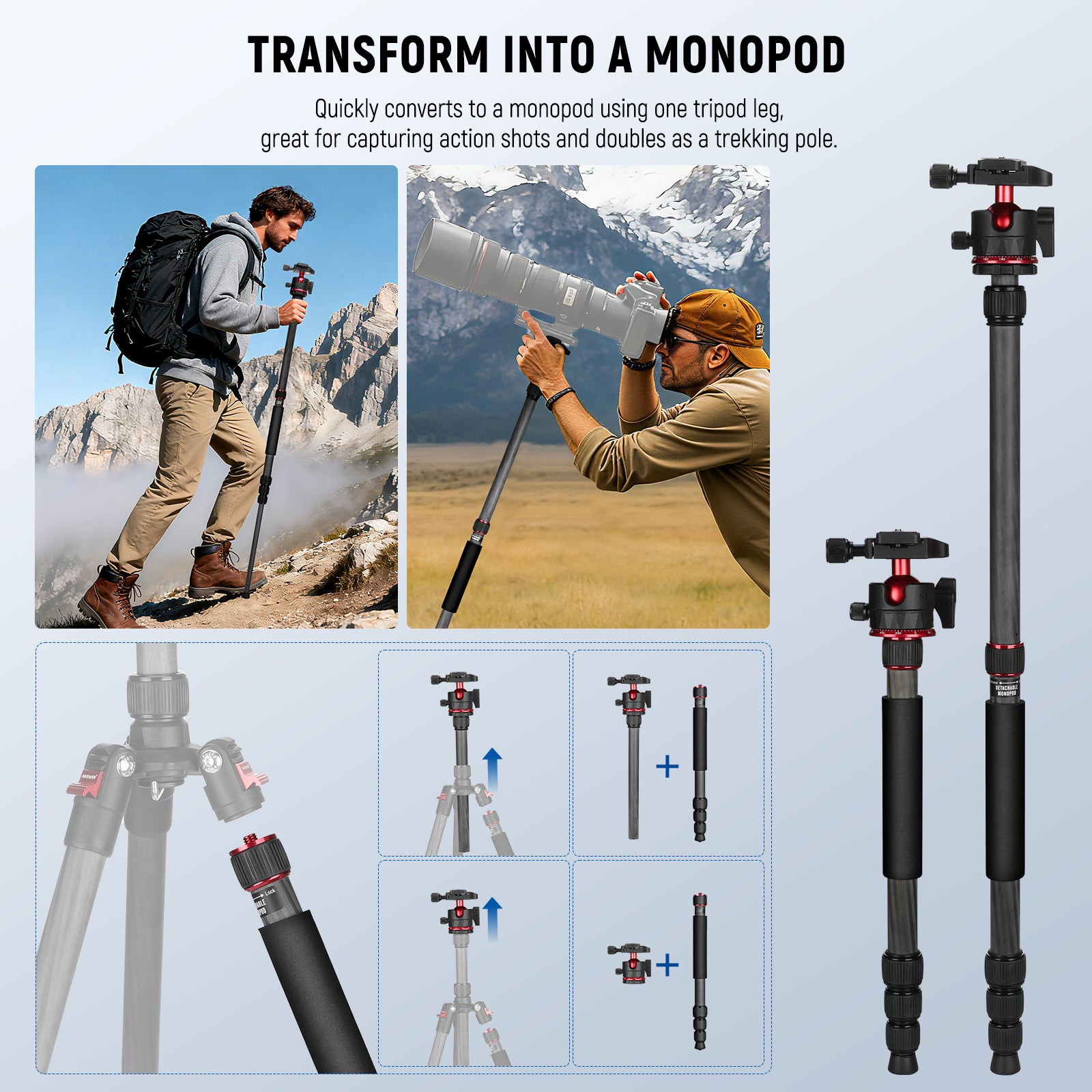
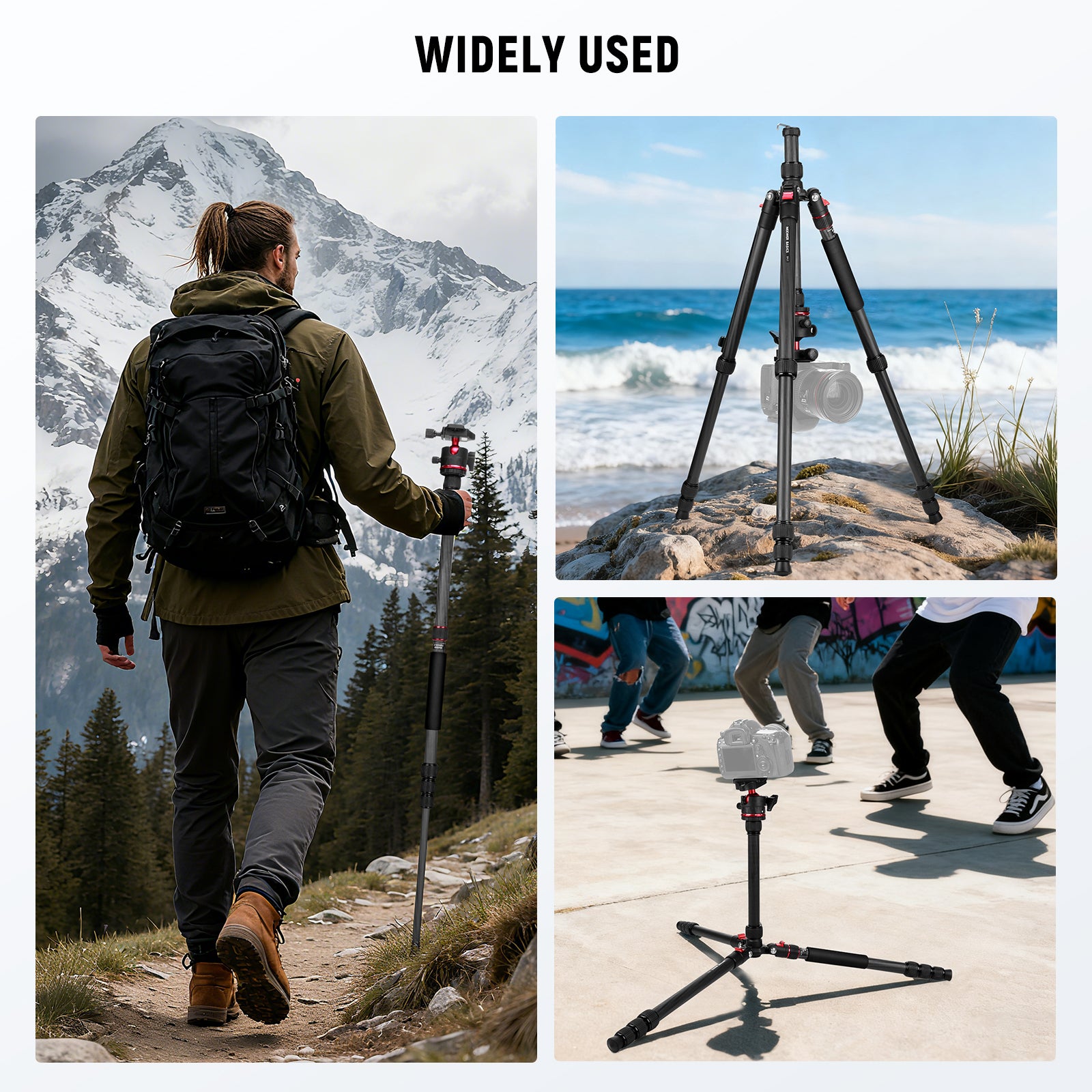
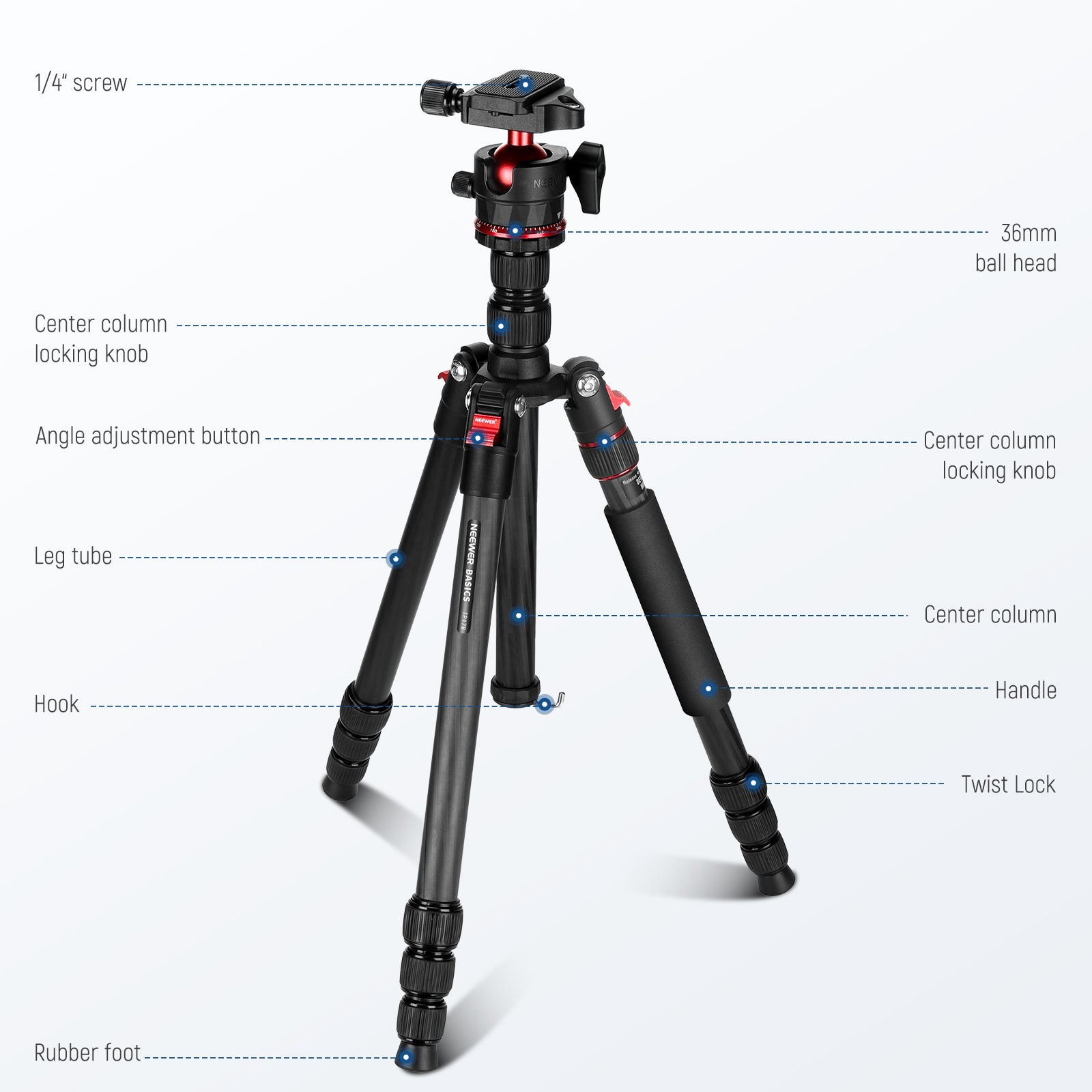
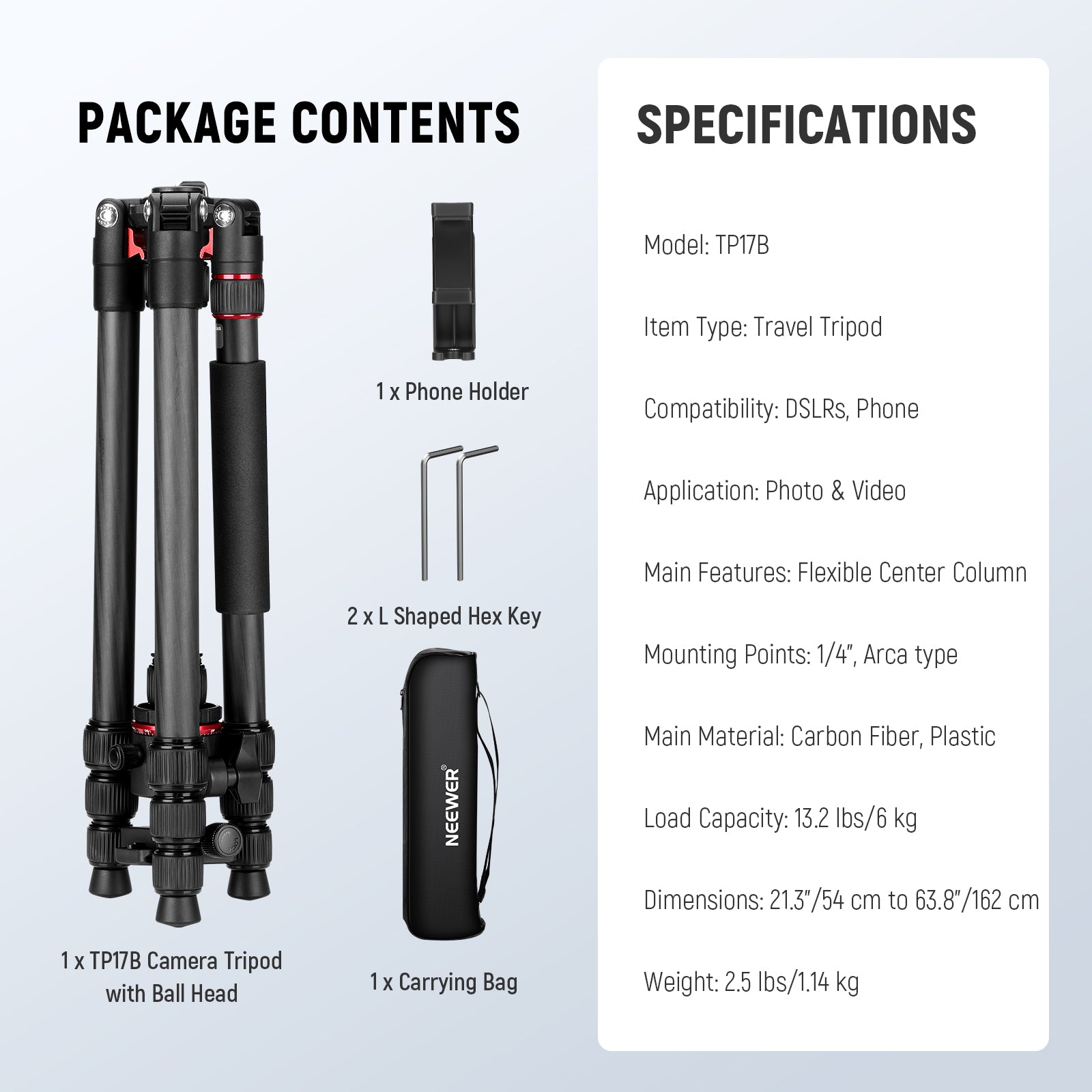
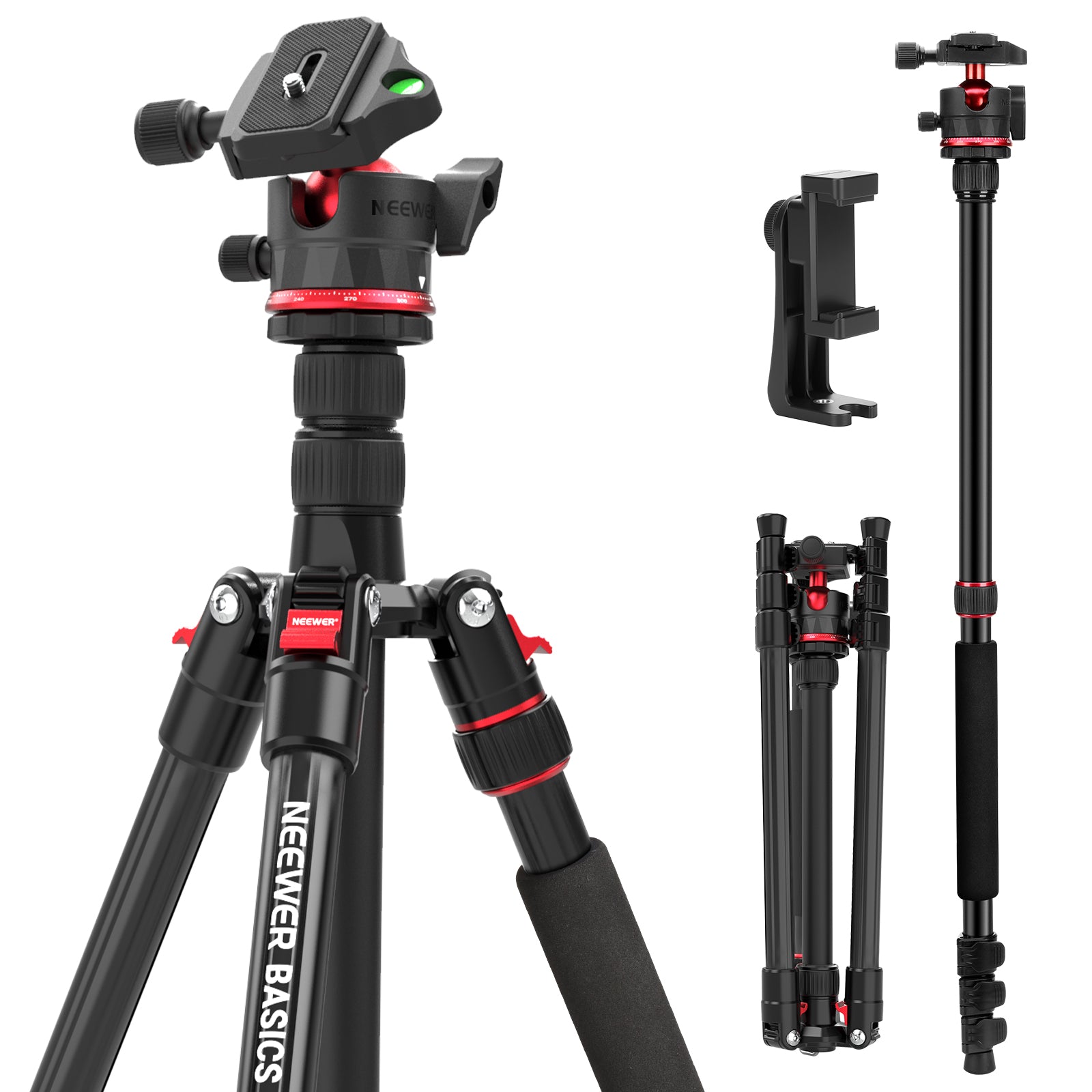
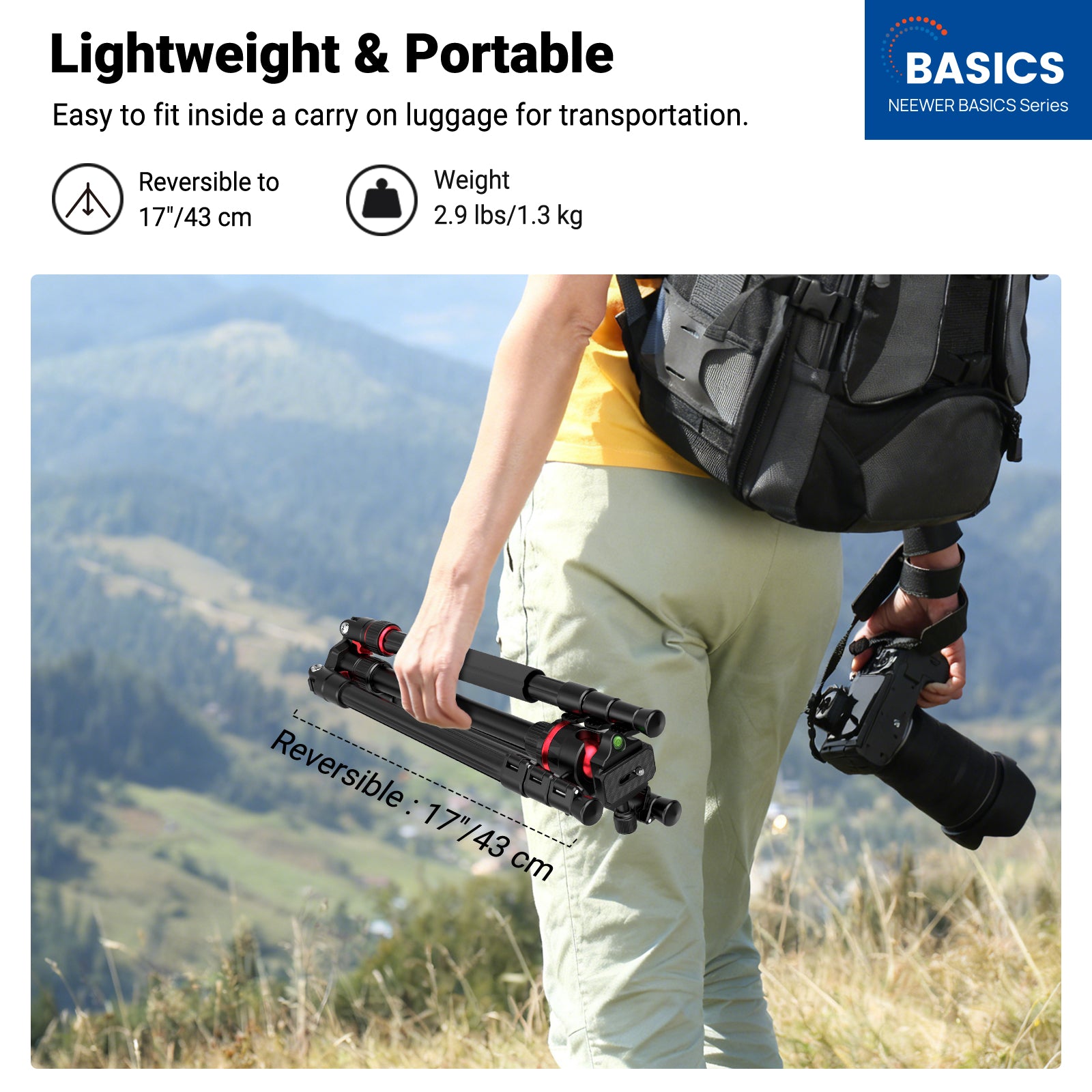
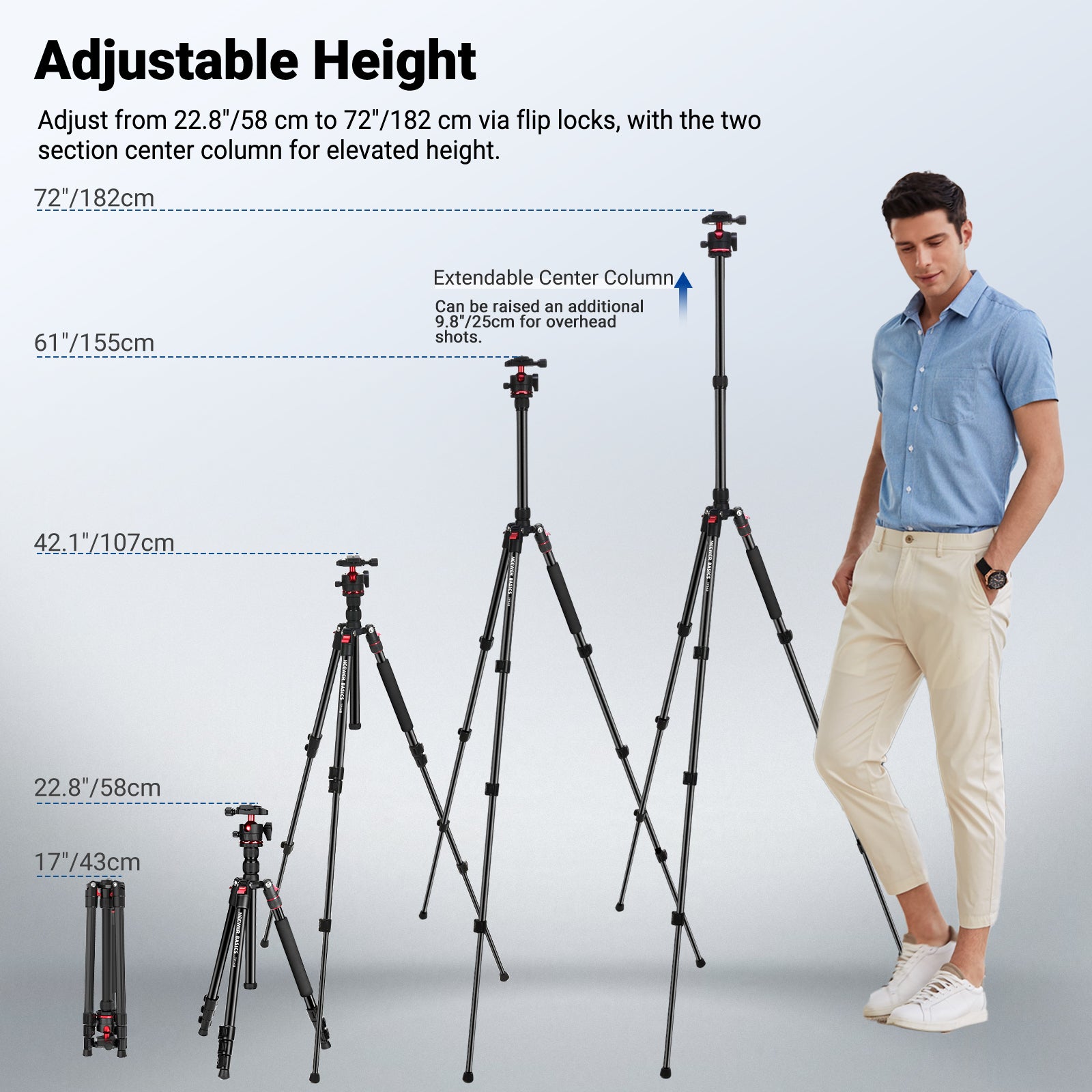
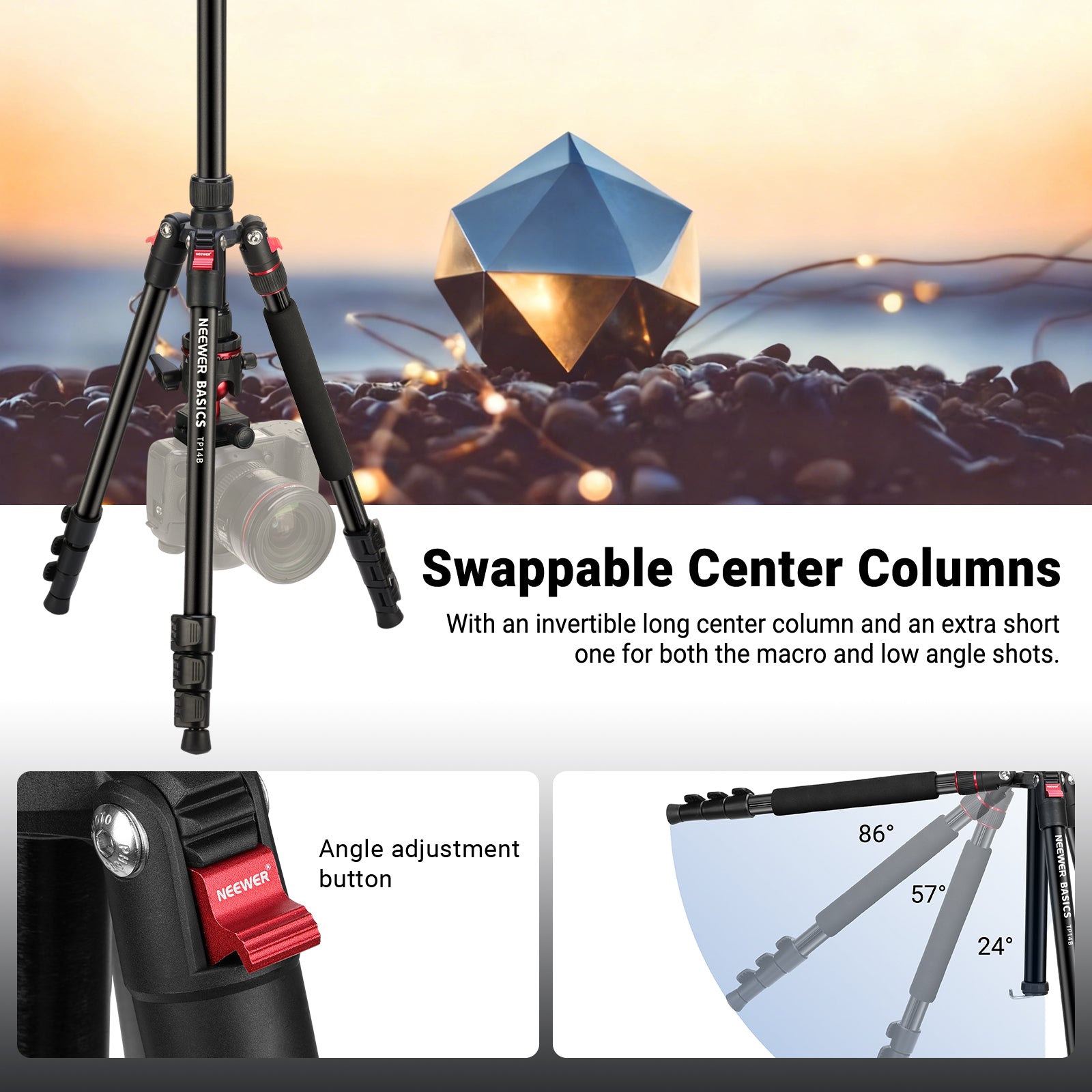
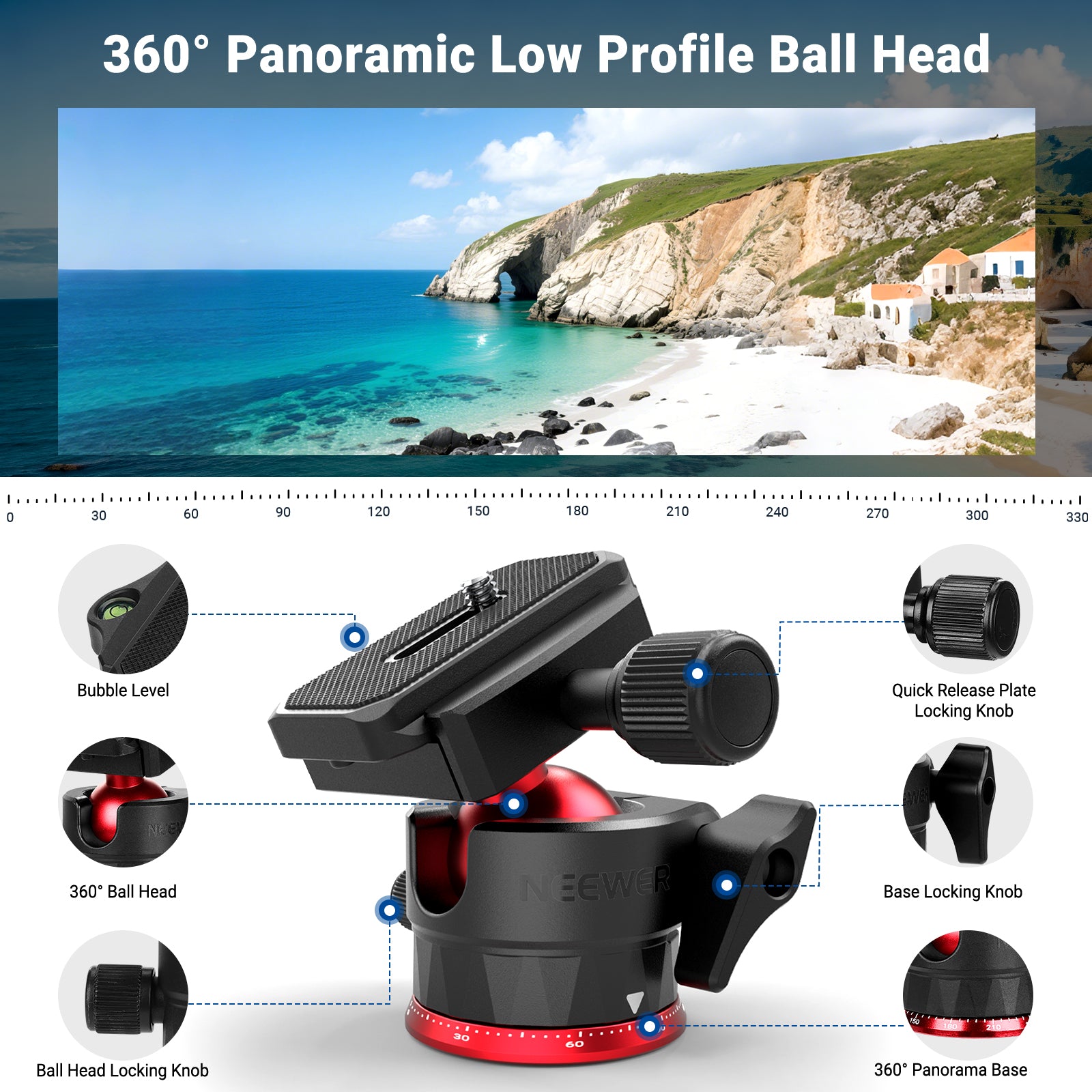
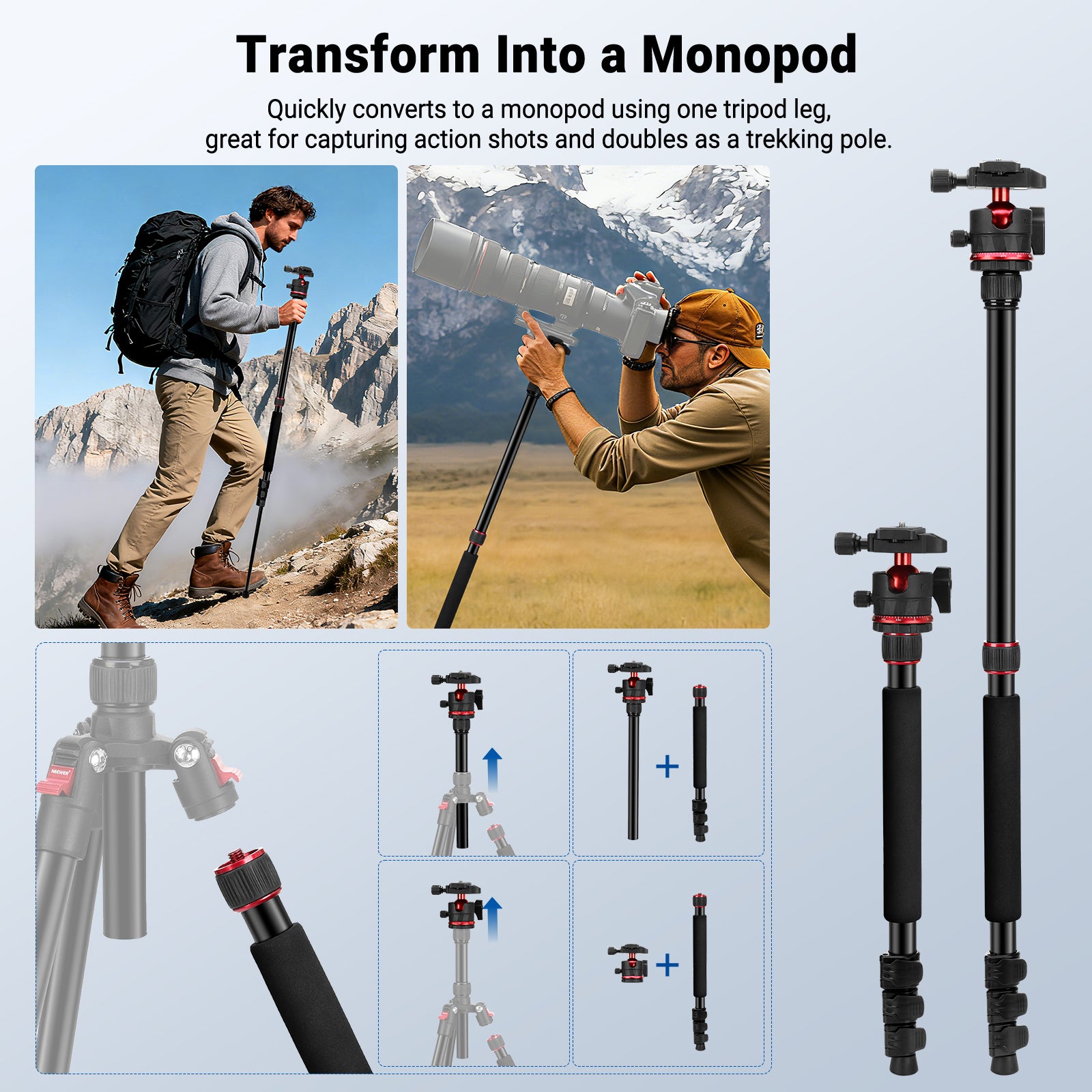
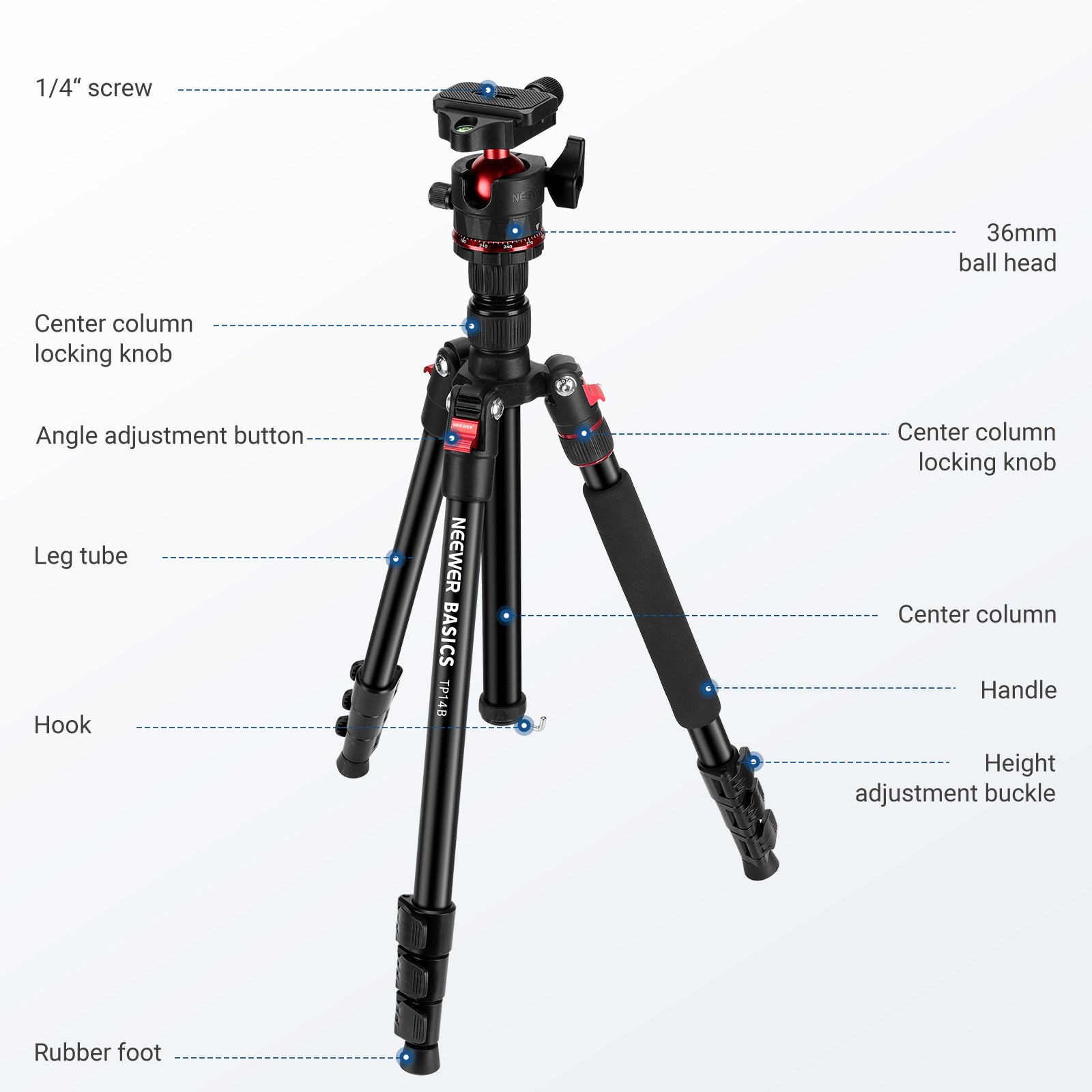
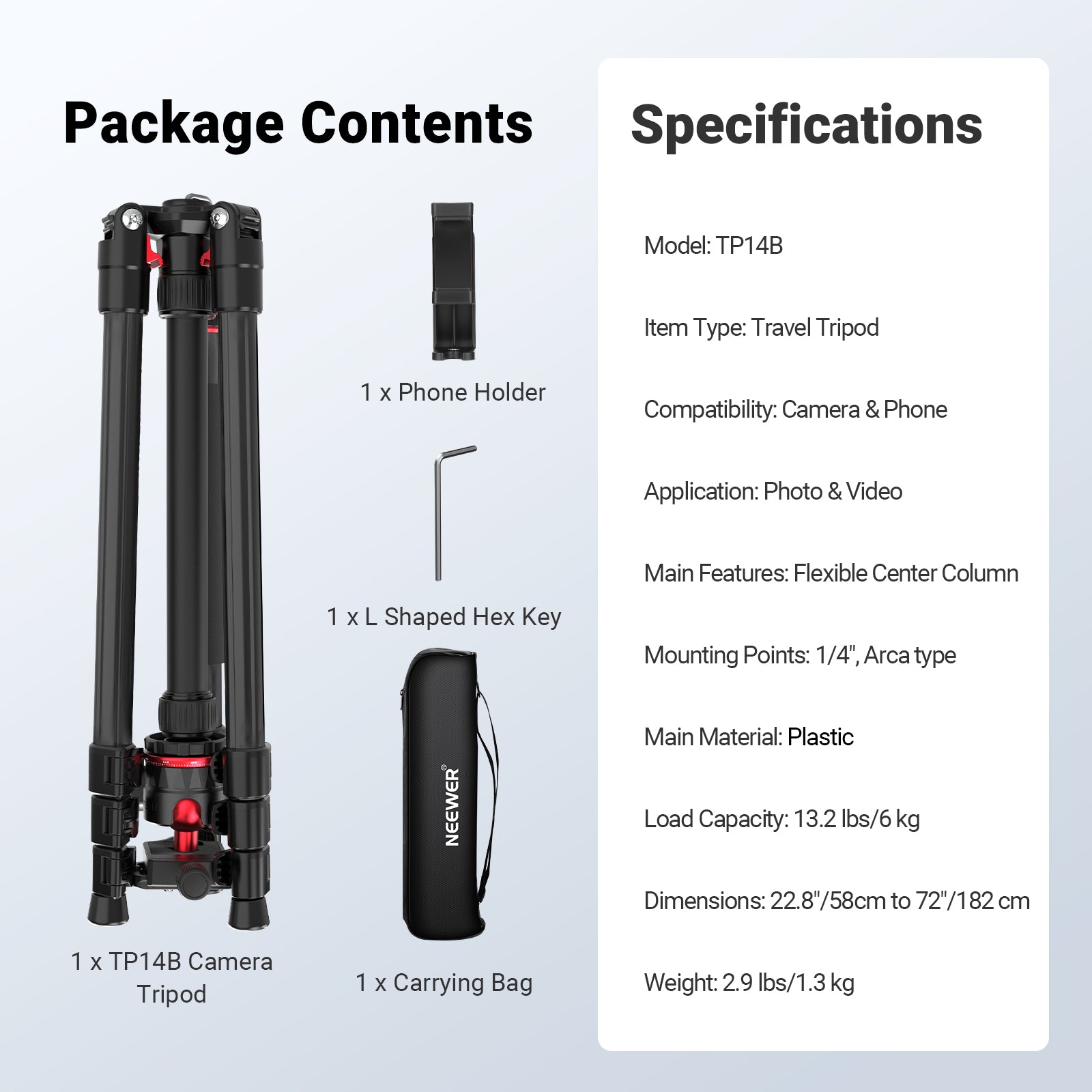
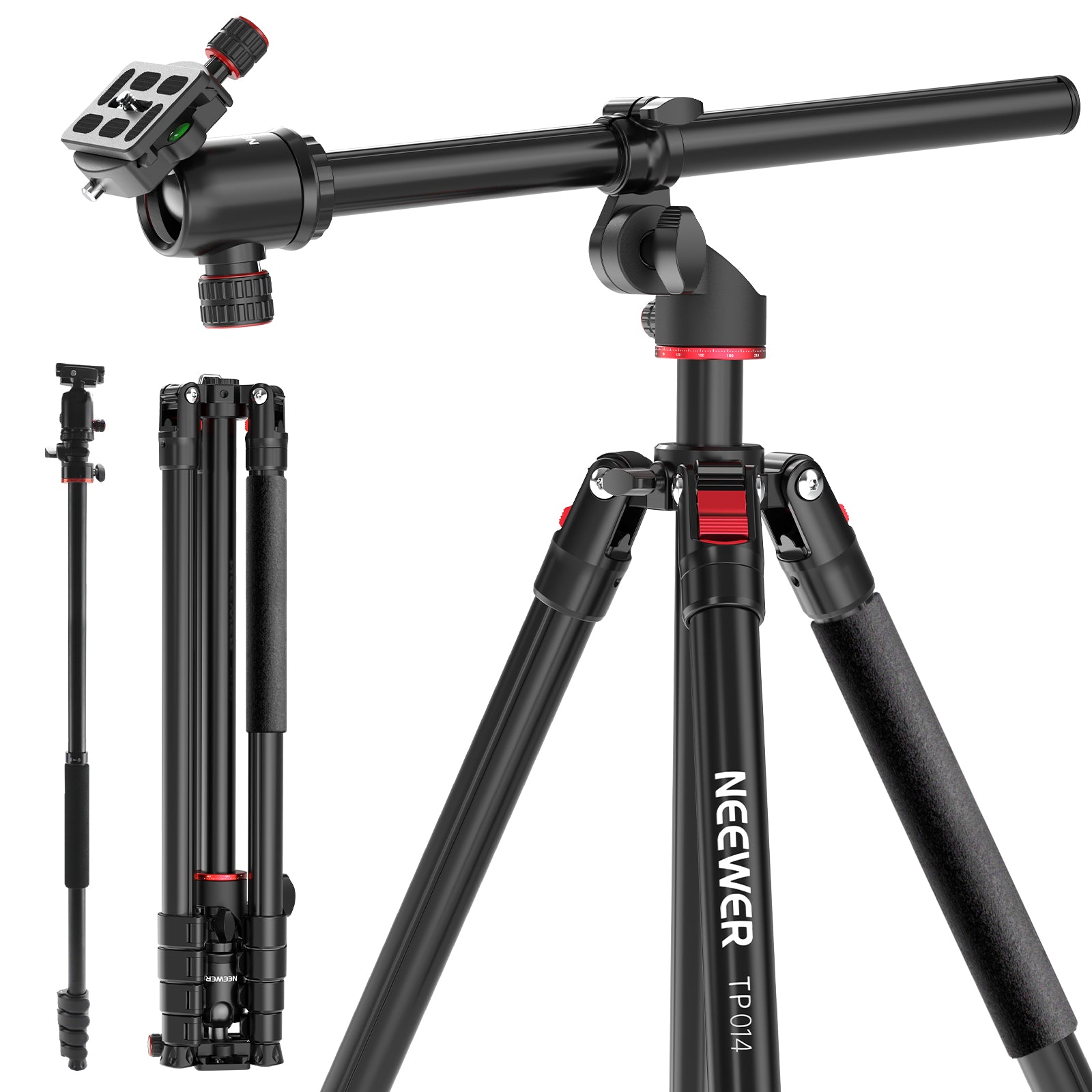
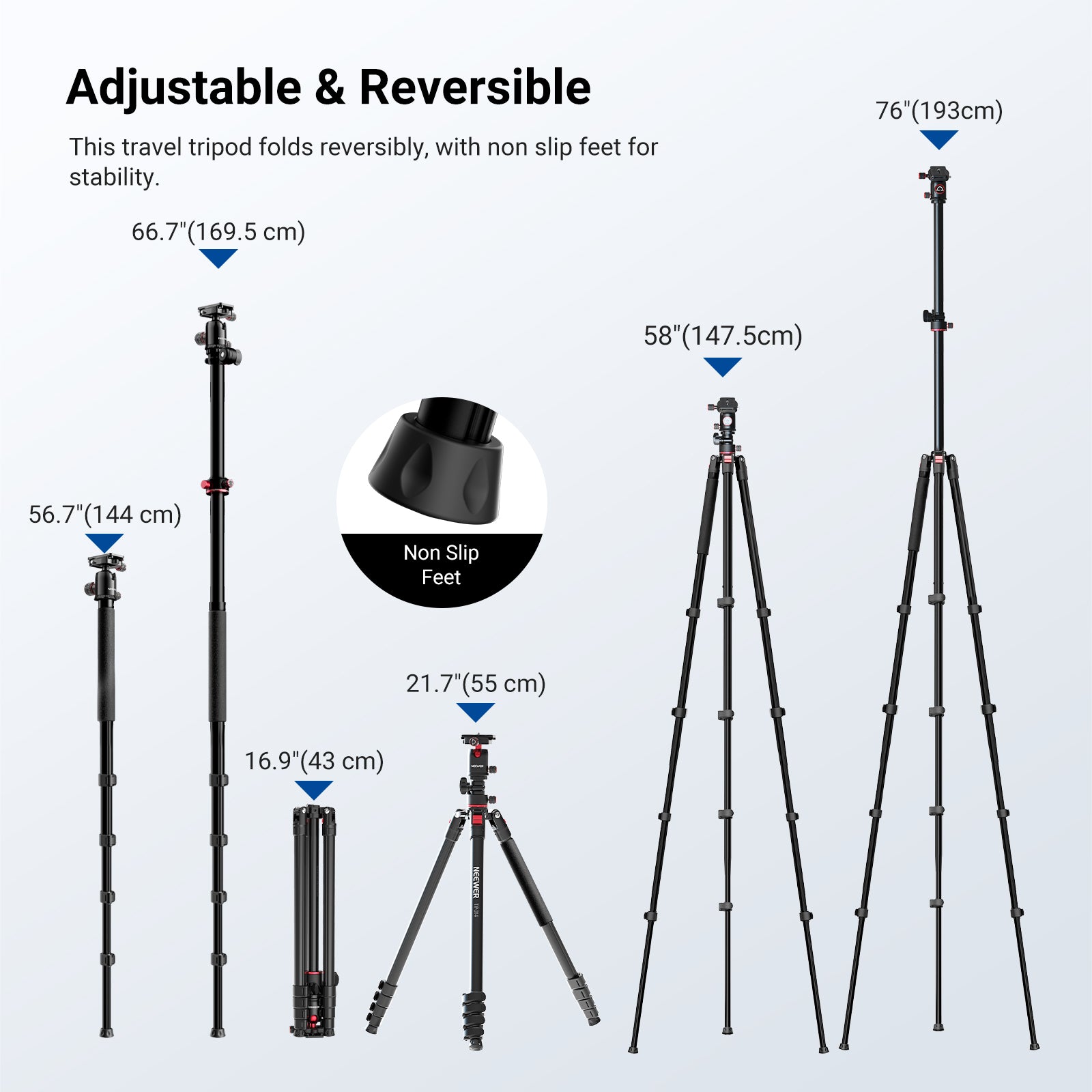
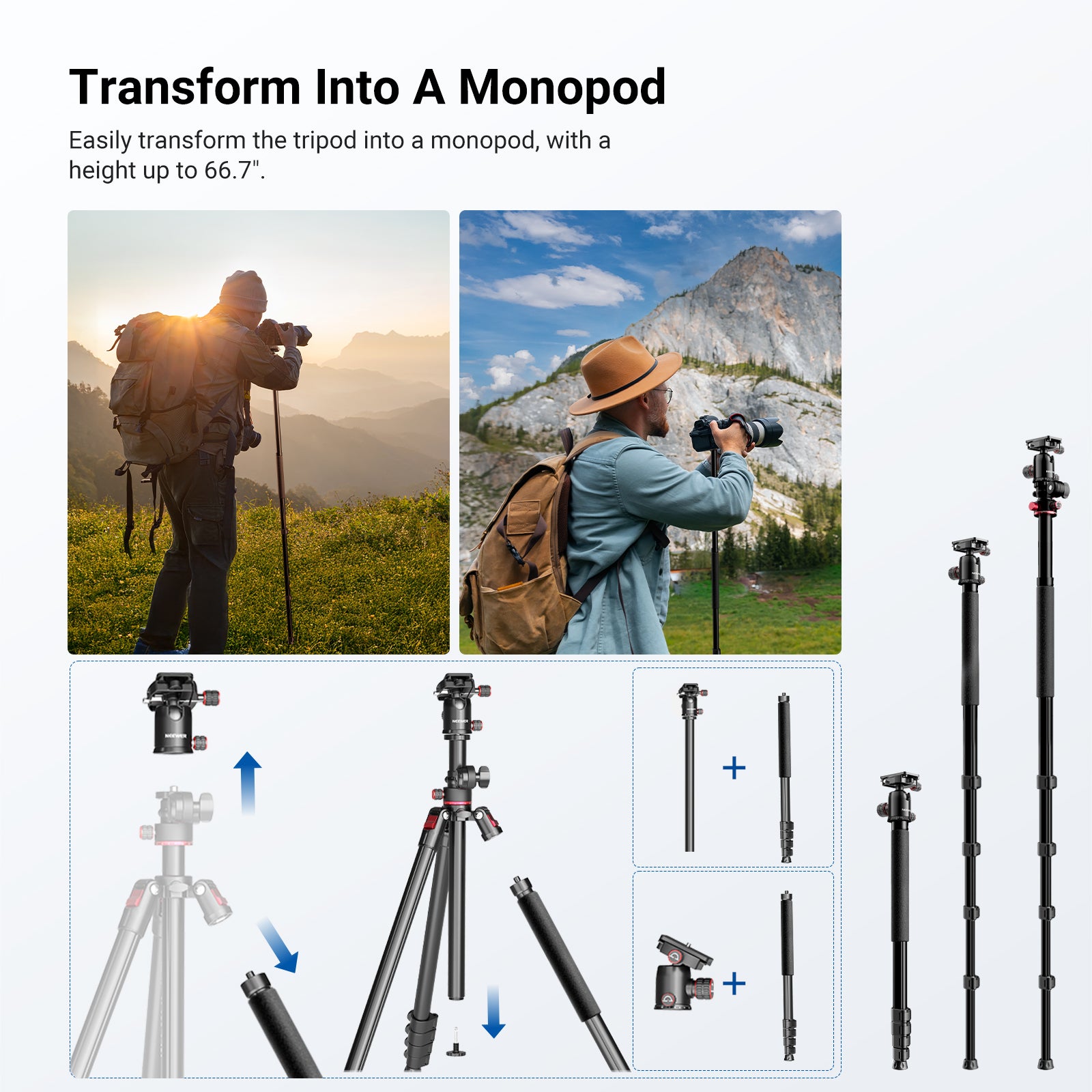
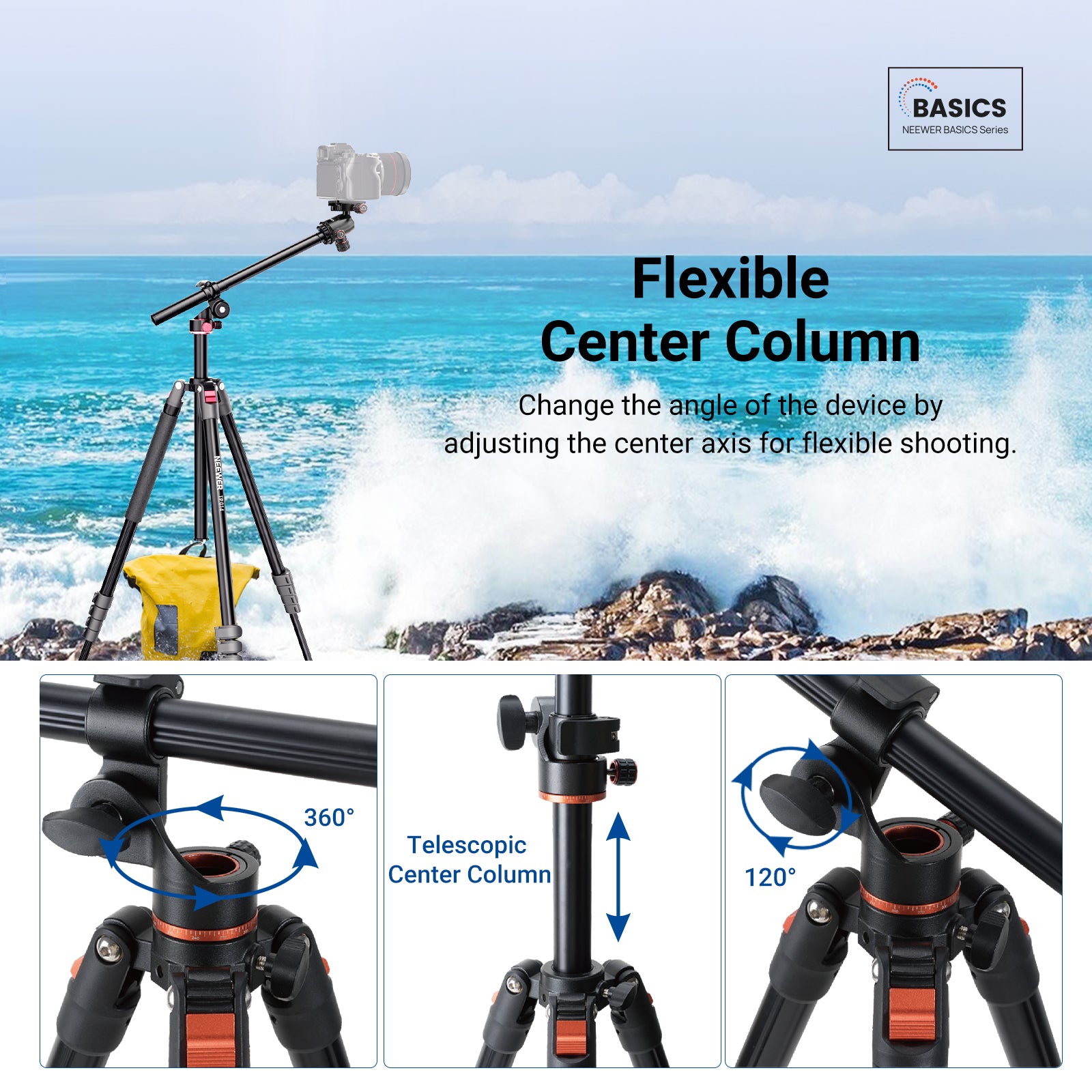
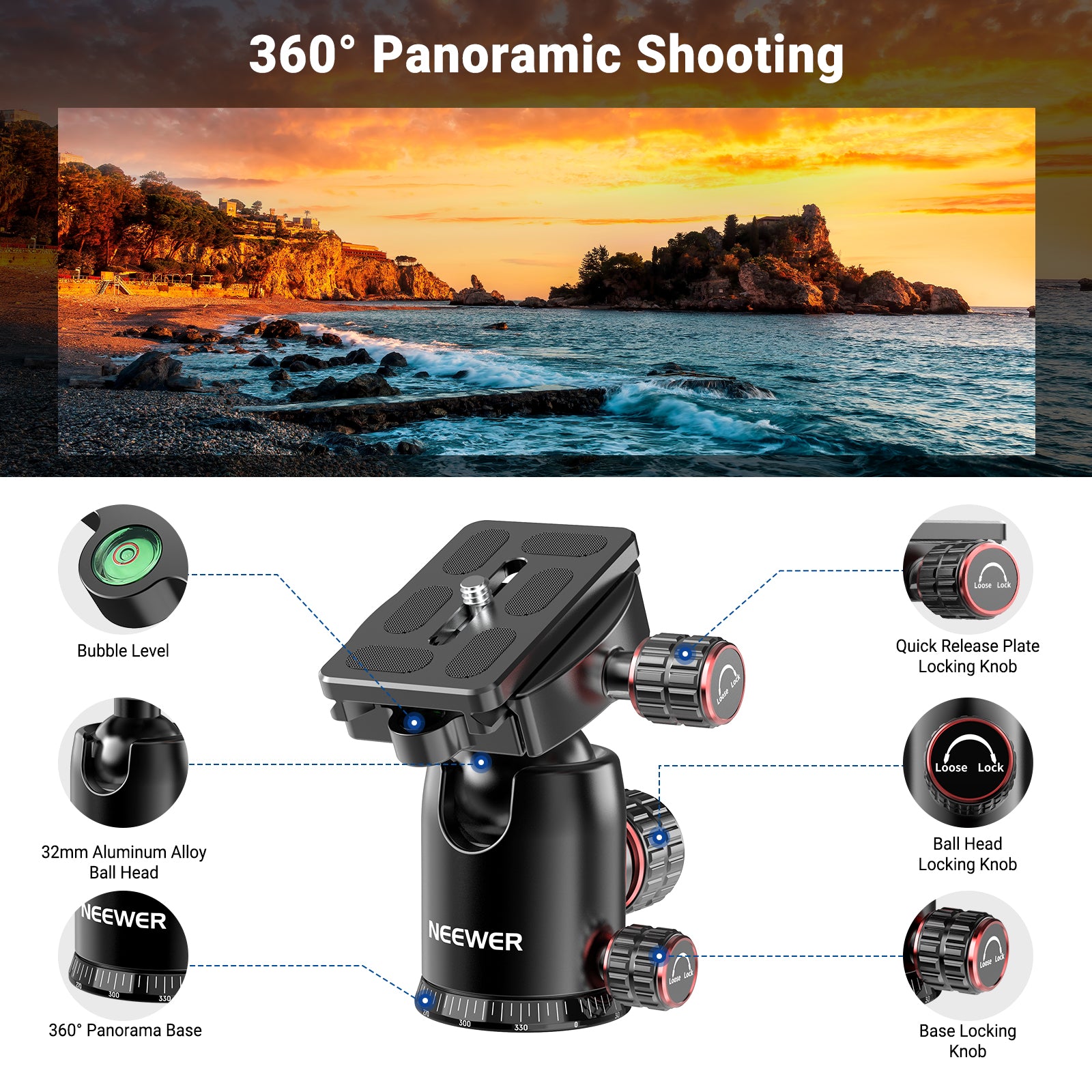
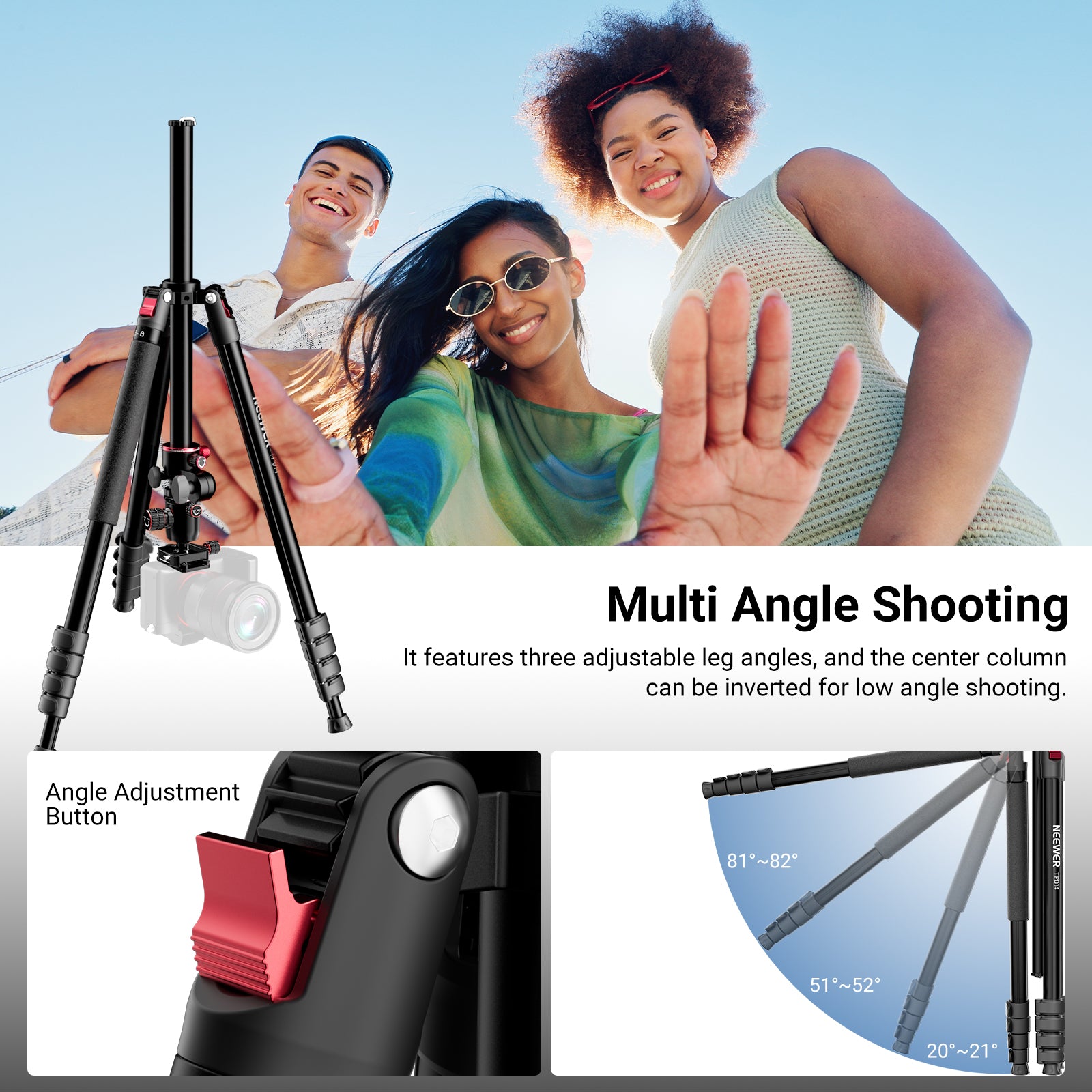
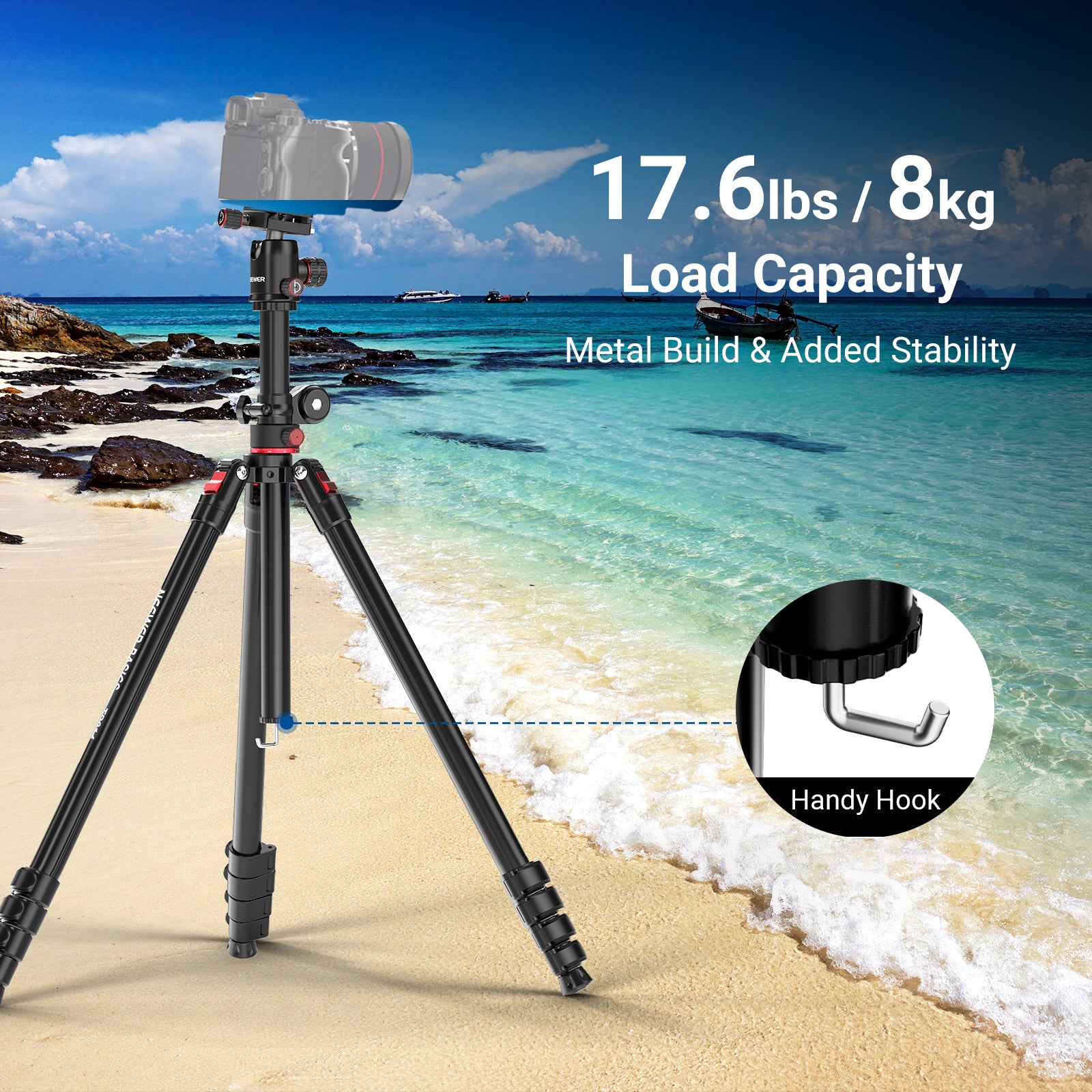
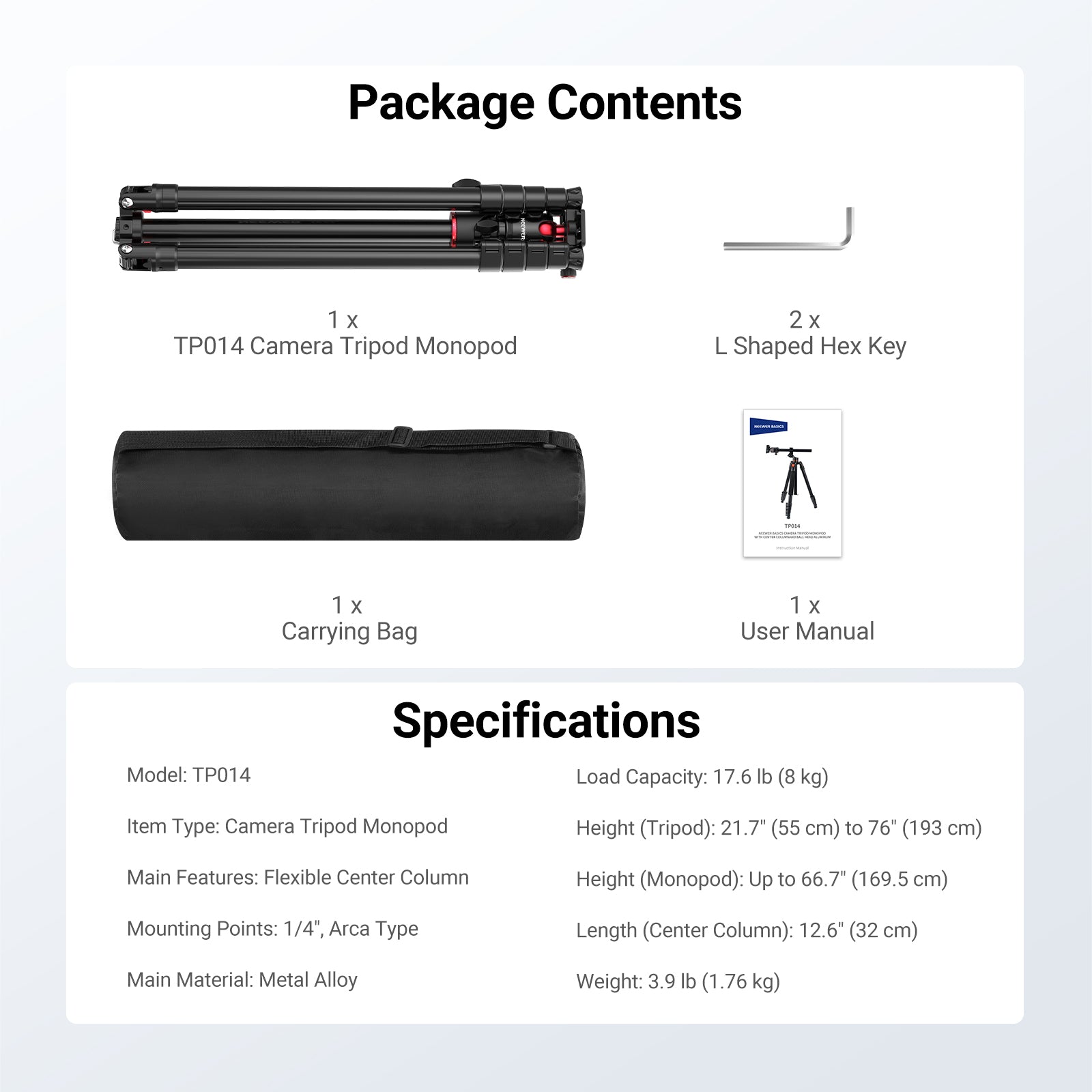
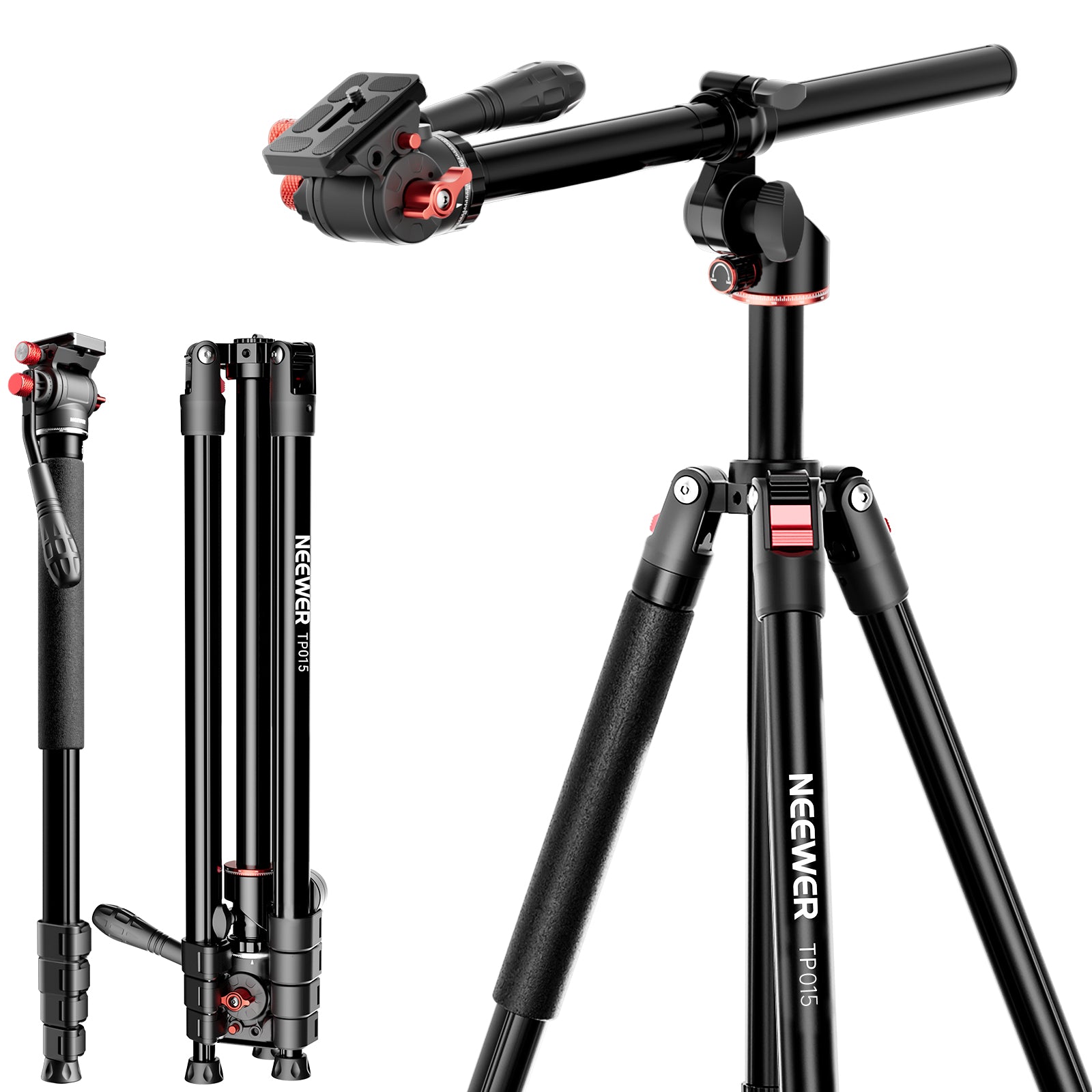
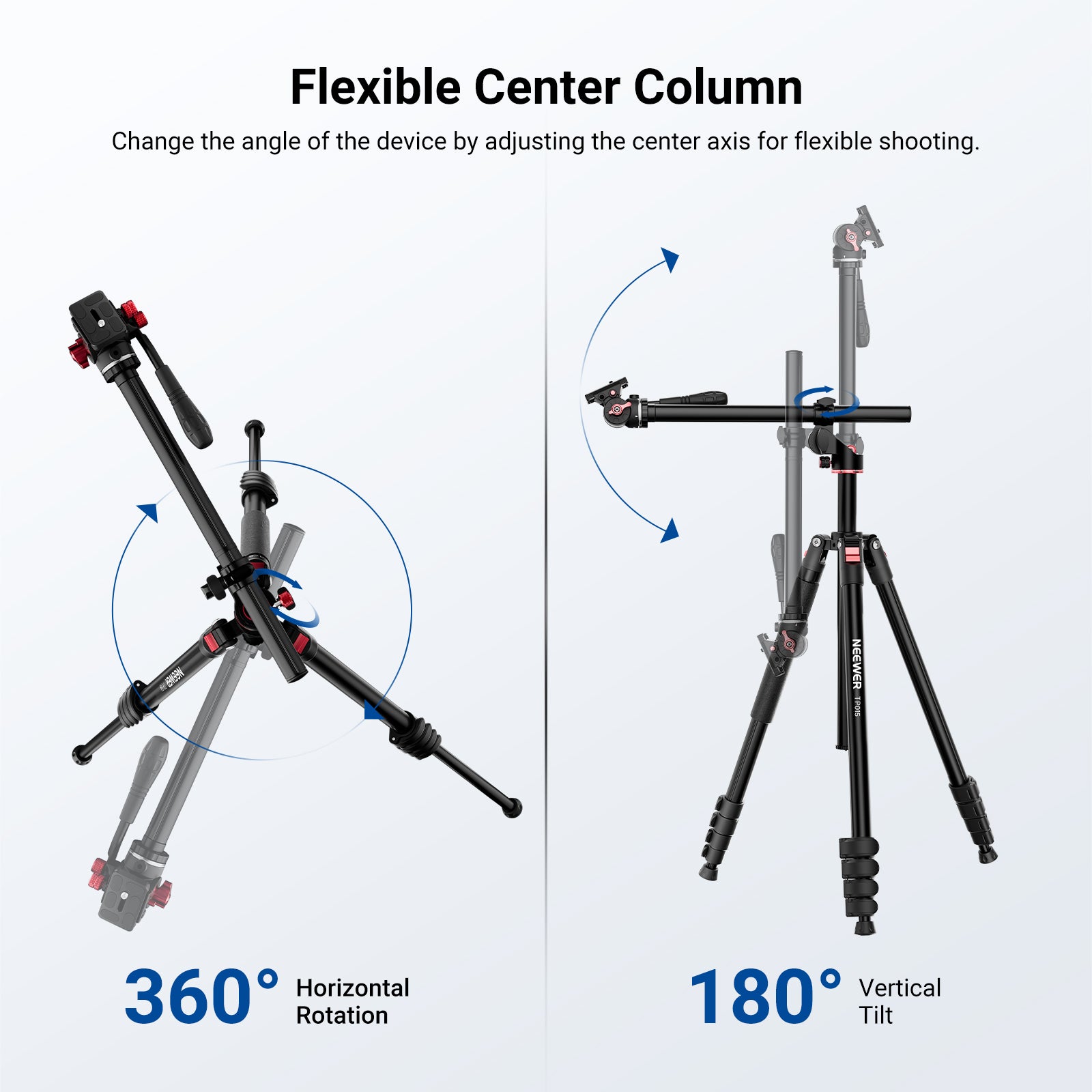
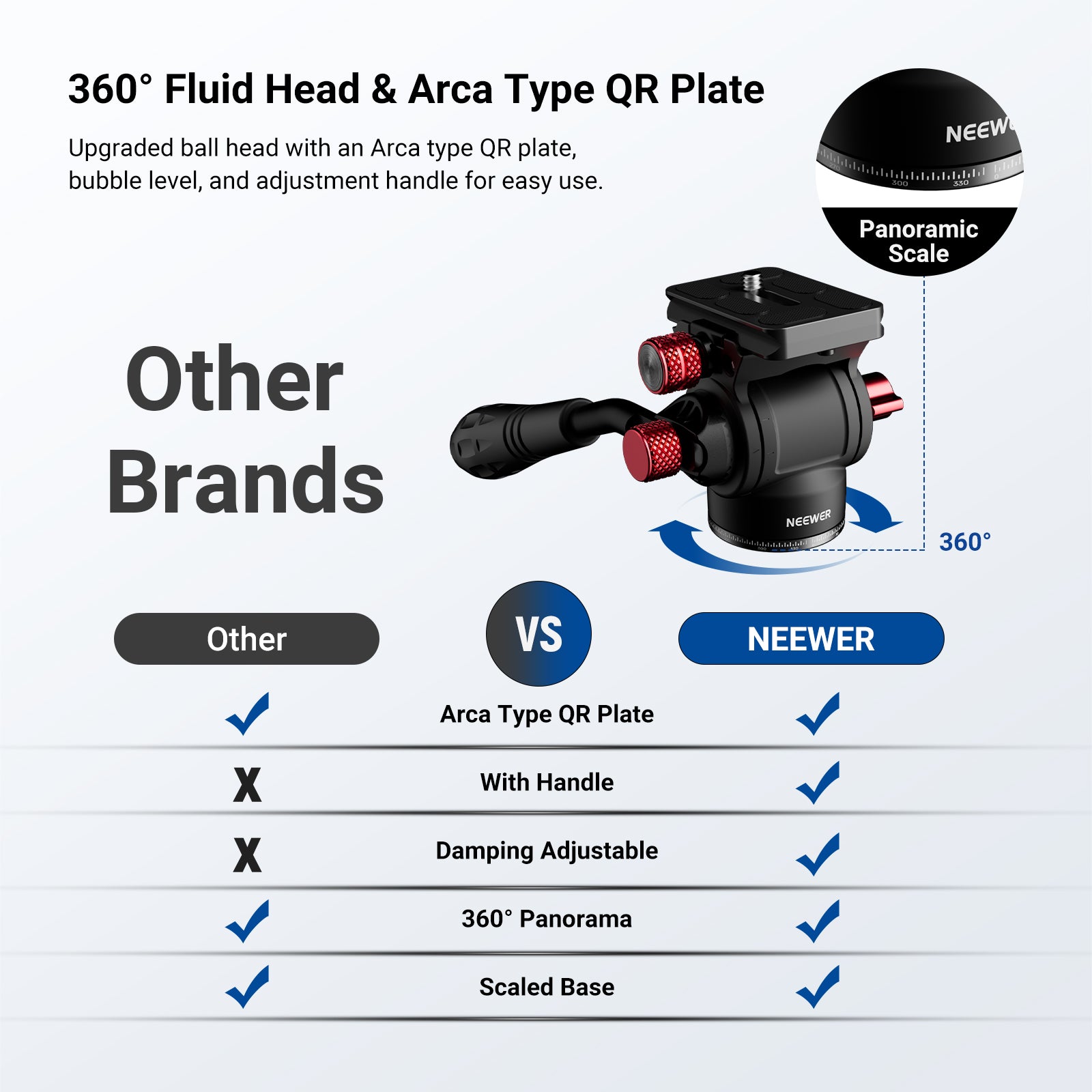
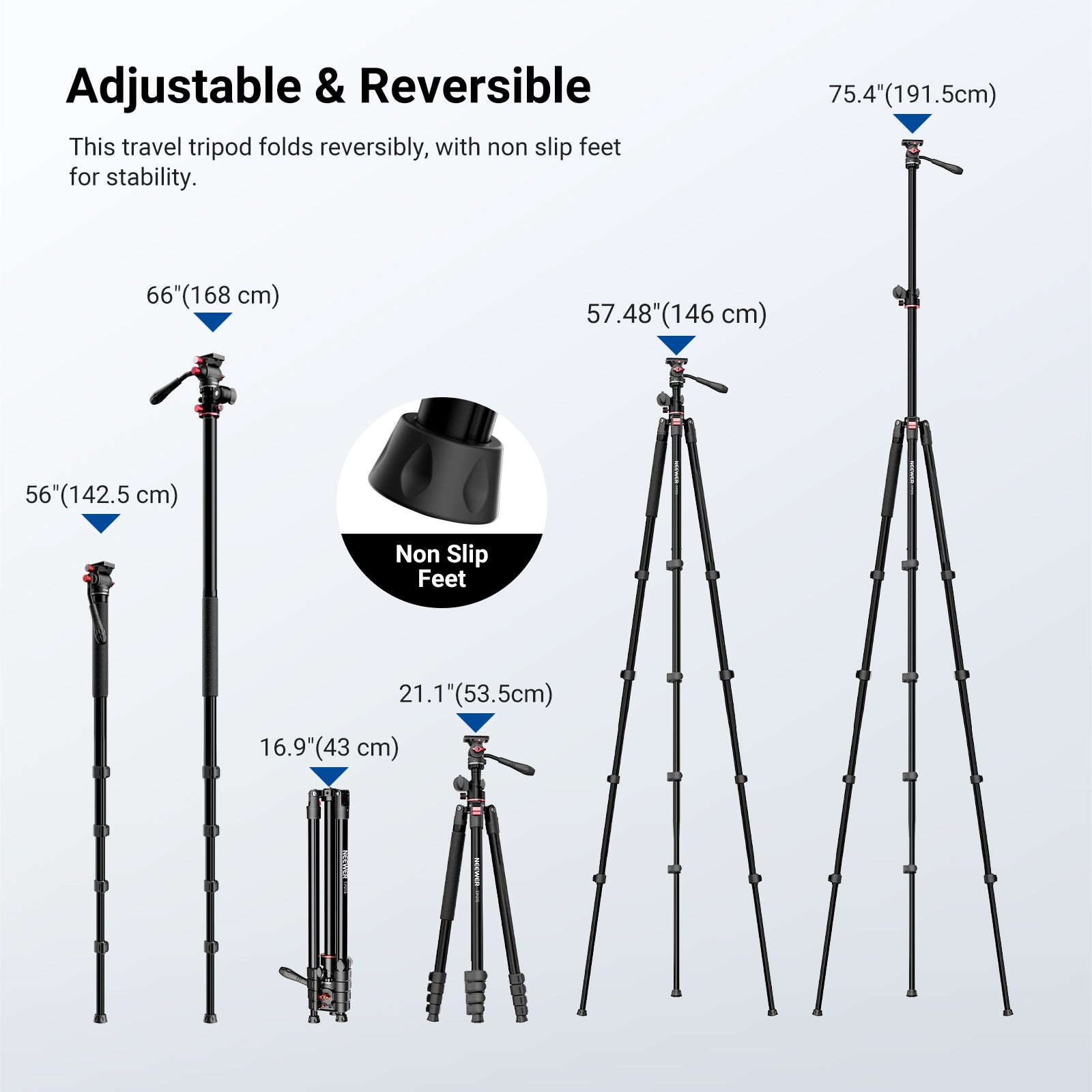
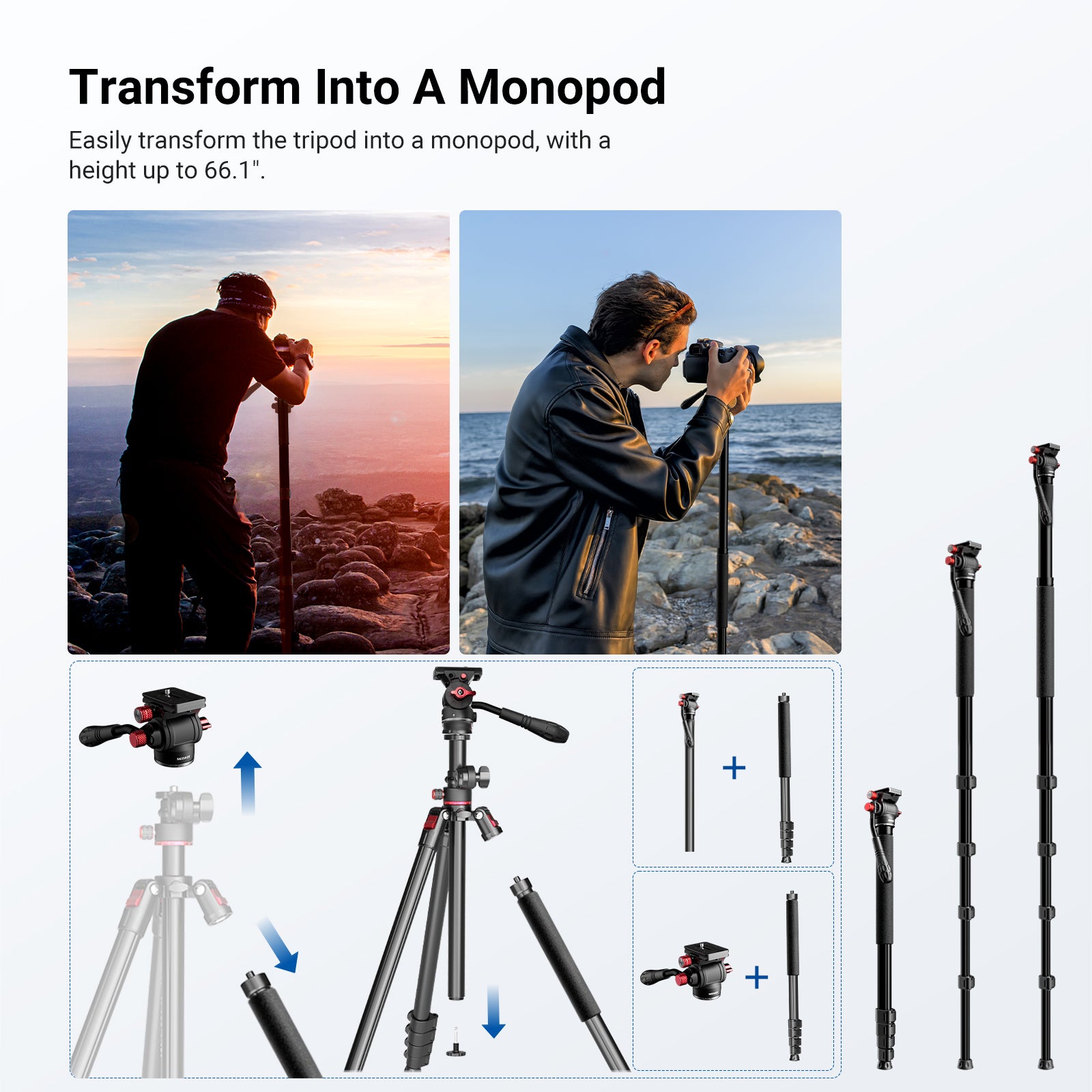
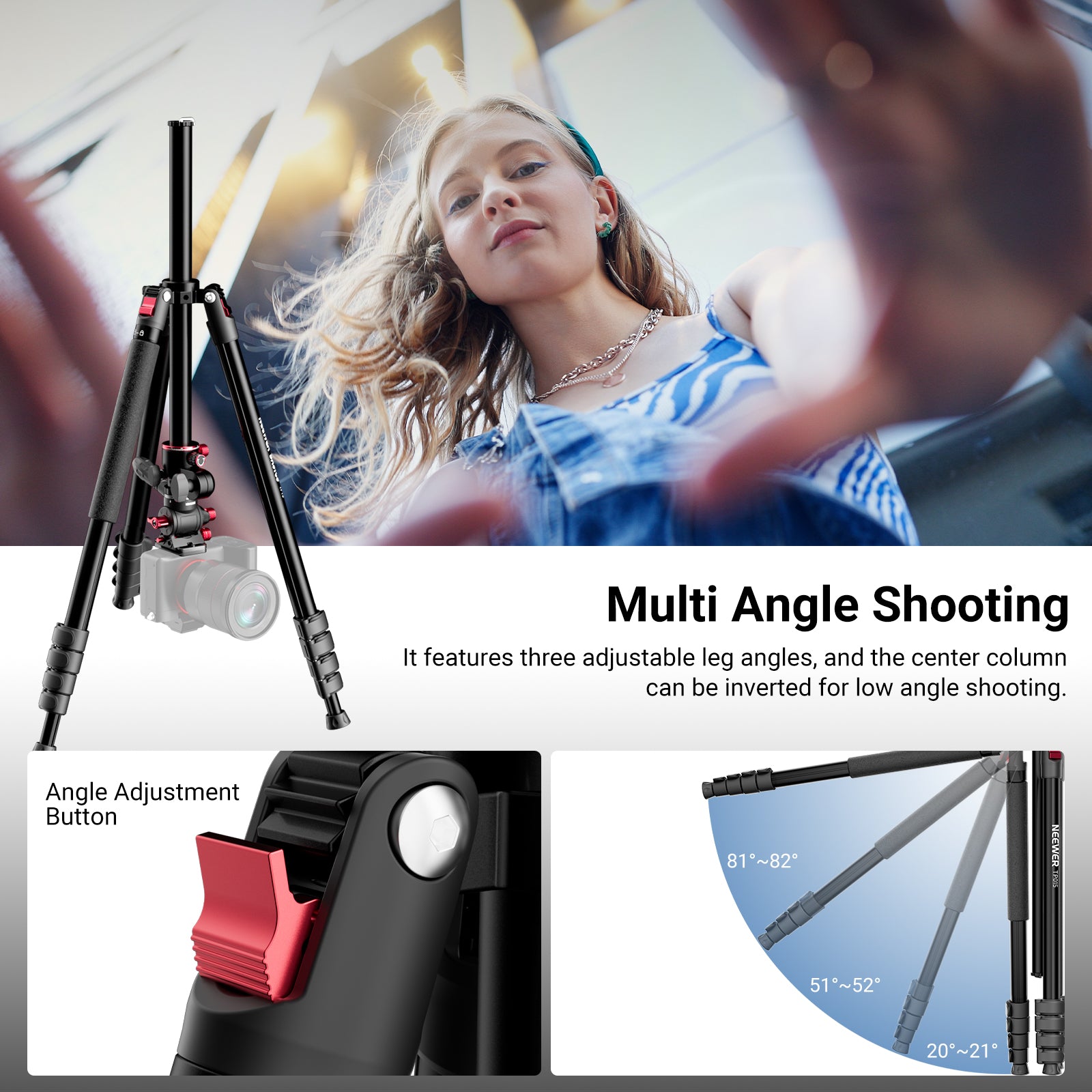
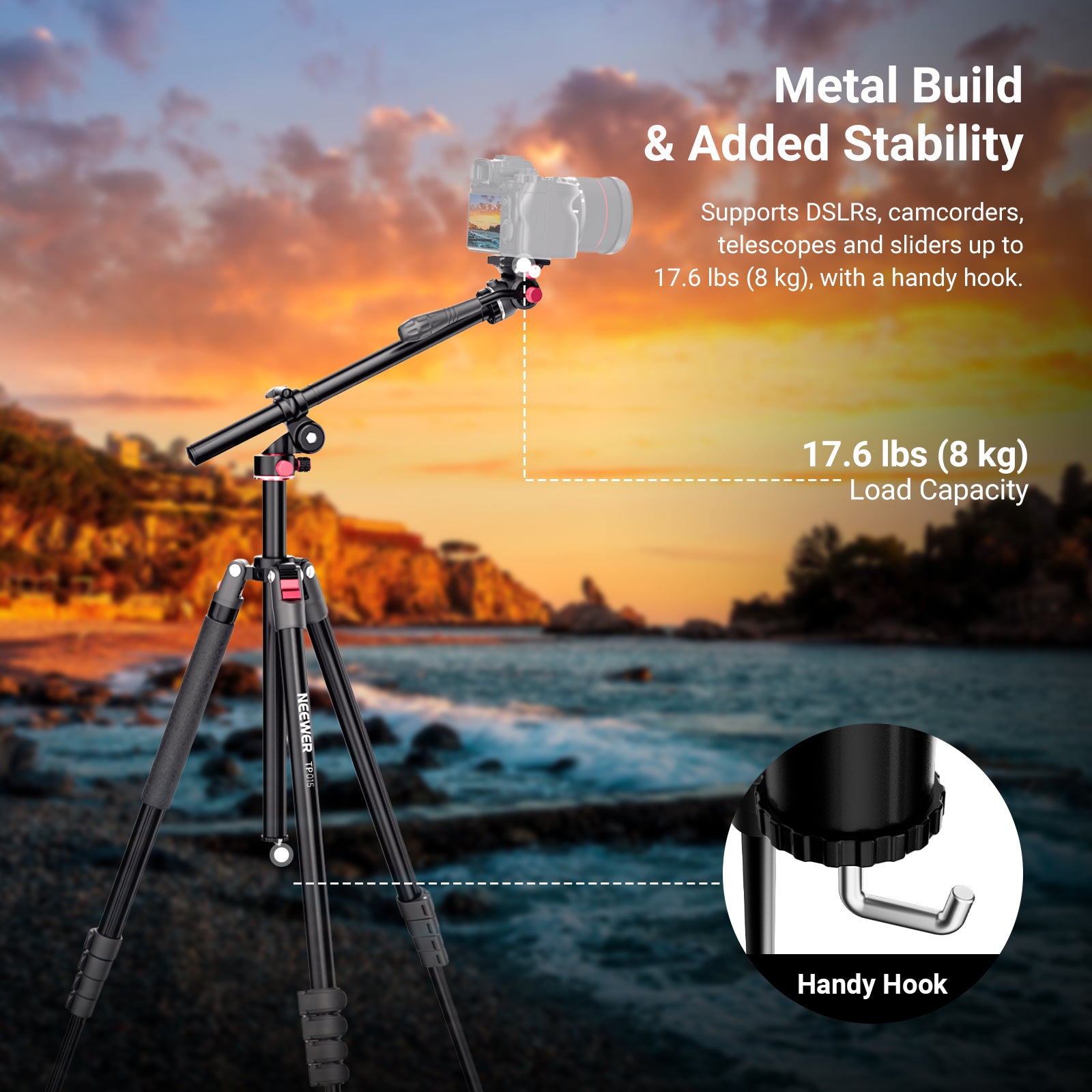
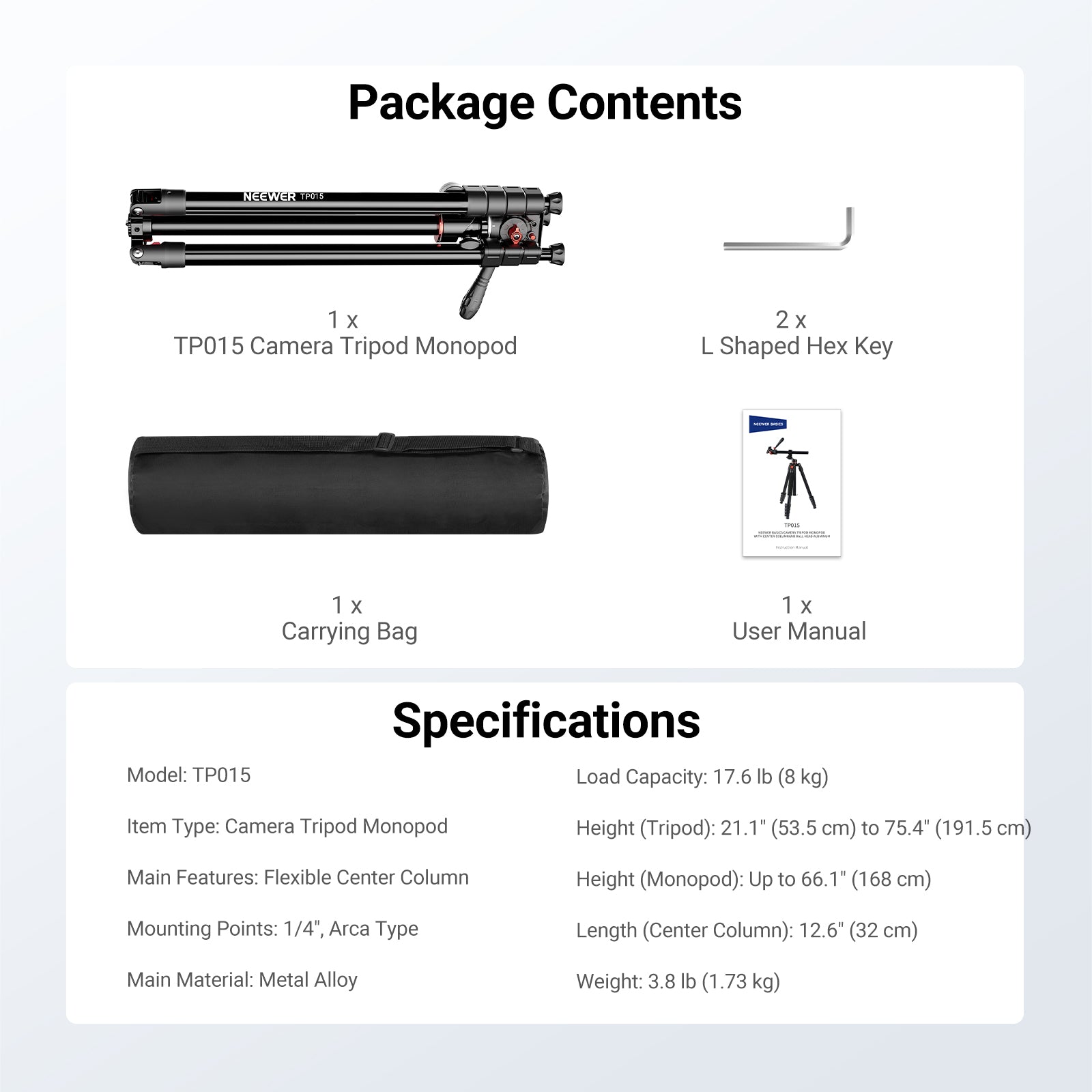
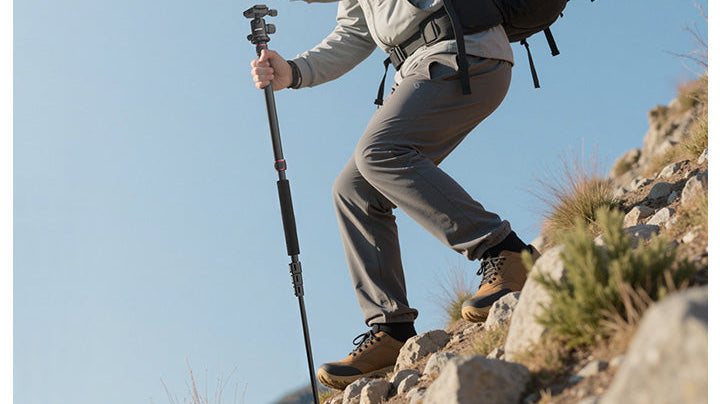
NEEWER offers professional monopods for you. These camera monopods are made of carbon fiber or aluminum alloy, which are lightweight, extendable, and durable. They are great and helpful for shooting when you travel outdoors, and also can be used as an alpenstock. Choose a perfect tripod monopod to enhance your photography and videography.
FAQ
What Is a Monopod?
A monopod is a telescoping pole designed to support cameras, camcorders, binoculars, or spotting scopes. Unlike tripods, which rely on three legs for full stability, monopods use a single adjustable leg to reduce camera shake and distribute weight — making it faster to set up, easier to carry, and ideal for shooting on the go. Photographers use it when they need steadier shots but don’t have time or space for a full tripod setup.
Monopod vs. Tripod: Which Is Better?
The answer depends on your priorities. Tripods are unbeatable for static shots that require maximum stability—think landscape photography, long exposures, or time-lapses. Monopods, by contrast, are ideal for dynamic scenarios where mobility and speed are key.
Why Use a Monopod Instead of a Tripod?
Monopods offer three distinct advantages that tripods can’t match:
Unmatched Mobility: Tripods tie you to one spot, but monopods let you move freely—whether you’re tracking a running athlete, following a bride through a venue, or hiking to a remote viewpoint. You can swing the monopod left, right, up, or down in an instant, without having to readjust multiple legs.
Superior Portability: A lightweight monopod adds minimal bulk to your gear, making it perfect for travel. Many models even double as hiking poles, adding extra value for outdoor enthusiasts. Tripods, by contrast, often require a separate bag and can be a hassle to carry for long distances.
Versatility in Restricted Spaces: As mentioned earlier, monopods are allowed in most venues where tripods are banned. They also work in tight spots—like narrow hallways or crowded streets—where tripods can’t be fully extended. This makes them a must-have for event photographers, journalists, and anyone shooting in urban or busy environments.
How Does a Monopod Work?
Monopods rely on two key principles: weight distribution and leverage. By transferring the camera’s weight from your arms to the ground, the monopod reduces the amount of movement caused by hand tremors or muscle fatigue. The telescoping sections let you adjust the length to match your height and shooting angle, while the locking mechanisms (twist locks or flip levers) keep the pole from collapsing under pressure.